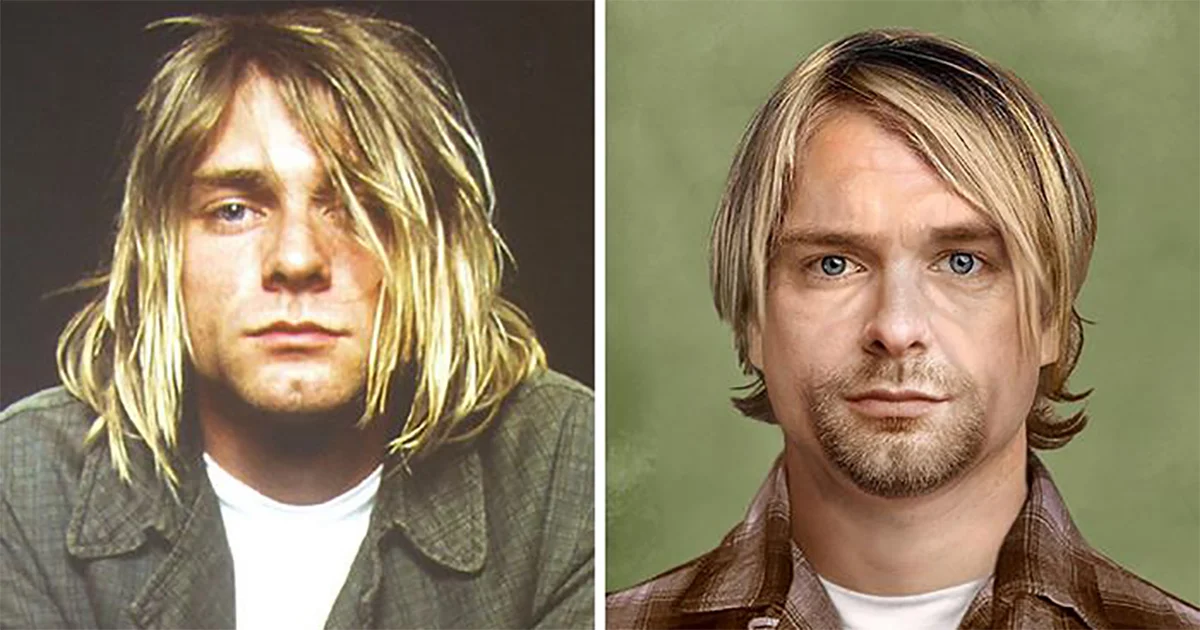

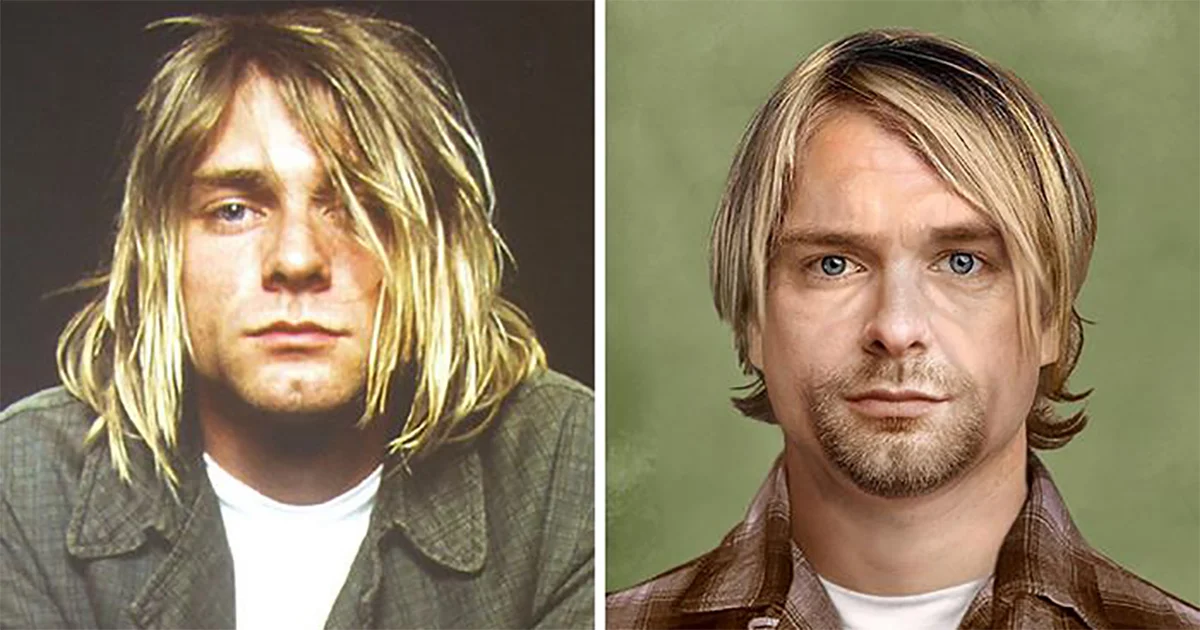
The intersection of digital technology, artistic restoration, and cultural nostalgia has once again sparked a global conversation regarding mortality and legacy within the entertainment industry. In a collaborative initiative spearheaded by Sachs Media Group, a prominent public relations and communications firm, alongside Phojoe, a specialized photo restoration and manipulation company, a provocative digital gallery was introduced to the public. This collection features striking, hyper-realistic portraits of legendary musicians who died at the height of their fame, rendered as though they had survived and aged naturally into their twilight years.
The resulting digital portraits—depicting cultural titans such as Elvis Presley, John Lennon, Jimi Hendrix, Janis Joplin, Jim Morrison, and Kurt Cobain—have elicited a complex mix of fascination, discomfort, and philosophical debate among music historians, psychologists, and devoted fans alike. By utilizing advanced digital manipulation techniques, the project forces an unavoidable confrontation with the concept of unfulfilled potential and the eternal youth typically associated with the 27 Club and other tragic losses in rock history.
Main Facts and Origins of the Project
The digital art series, often referred to in media circles as "Rock & Roll Heaven: Aging Gracefully," was developed through an intensive technical process managed by Phojoe’s master digital artists and photo restorers. Sachs Media Group commissioned the project to explore an alternative timeline of music history, wherein the definitive voices of several generations were permitted to grow old gracefully, continuing their artistic output well into their senior years.
Each portrait was constructed through meticulous historical research, analyzing bone structure, familial aging patterns, lifestyle factors, and the natural progression of facial features over decades. The artists studied photographs of the musicians’ parents and relatives to establish realistic genetic baselines for aging. The final images present figures like Elvis Presley in his late seventies, bearing the characteristic lines of a life lived intensely under the public gaze, and John Lennon with the distinct silver hair and spectacles reminiscent of his mature contemporaries like Paul McCartney or Mick Jagger.
The release of the gallery immediately drew international media attention, dividing audiences between those who view the project as a poignant tribute to lost potential and those who find the digitally manufactured aging process ethically ambiguous or unnerving.
Chronology and Development of Digital Aging in Media
The use of digital manipulation to alter the appearance of historical figures and deceased celebrities is not entirely unprecedented, but the sophistication of these techniques has evolved exponentially over the past two decades.
The timeline of this digital evolution highlights a steady march toward hyper-realism:
- Early 2000s: Forensic aging software began gaining traction in law enforcement, primarily utilized to age missing children or fugitive suspects over long periods. These early iterations relied heavily on basic morphing algorithms and lacked the nuanced touch required for artistic or emotional resonance.
- 2010s: Photo restoration companies like Phojoe began applying forensic-grade aging techniques to personal archives, allowing families to see deceased relatives at advanced ages. This technology merged technical precision with emotional storytelling.
- Mid-2010s (The Sachs-Phojoe Collaboration): The launch of the "Rock & Roll Heaven" gallery marked a significant milestone, moving digital aging from private genealogical curiosity into the realm of public pop-culture discourse. It demonstrated how far digital rendering had come in replicating human skin texture, lighting, and the subtle markers of time.
- 2020s: The proliferation of Generative AI and deep-learning visual models has further accelerated these capabilities, allowing creators to generate moving, talking video replicas of deceased performers, raising even deeper legal and ethical questions regarding posthumous likeness rights.
Supporting Data: The Demographics of Tragic Loss in Music

To understand the profound cultural resonance of the Sachs Media and Phojoe project, one must examine the statistical reality of premature mortality in the music industry. Academic studies in public health and sociology have frequently analyzed the lifespan of popular musicians compared to the general population.
Research conducted by the Center for Death and Society at the University of Bath, alongside various public health studies published in musicology journals, reveals startling insights:
- The 27 Club Phenomenon: A disproportionate number of iconic musicians have died at age 27. Statistically, while being a famous musician does not inherently carry a higher mortality rate than all high-stress professions, rock and pop stars from the 1960s through the 1990s faced extreme risk factors related to substance abuse, accidental overdose, lack of mental health resources, and the pressures of sudden fame.
- Mortality Discrepancies: Studies tracking popular musicians who began their careers between 1950 and 1980 indicate that solo artists and band members in rock, punk, and electronic genres experienced significantly higher premature mortality rates—often double or triple the baseline of the general public during peak career years.
- Public Impact: The sudden termination of a legendary career creates a psychological phenomenon known as "frozen time." Fans mentally preserve the artist at the exact age and aesthetic of their greatest triumph, making any visual intervention—such as digital aging—a jarring disruption of established cultural memory.
Official Responses and Industry Perspectives
While Sachs Media Group framed the project as an artistic exploration of "what might have been," the public reaction has been multifaceted, drawing commentary from ethicists, music critics, and fans.
Representatives from Sachs Media noted during the initial launch that the project was intended as a celebration of life rather than a morbid exercise. The agency emphasized that the digital artists approached each subject with profound respect, utilizing archival imagery to ensure the likenesses remained dignified and true to the spirit of the individuals.
However, reactions from cultural commentators and artists’ estates have varied significantly. Some critics argue that altering the likeness of individuals who cannot grant consent crosses an ethical boundary, transforming a deceased person’s image into a canvas for speculative fiction. Others have pointed out the comfort the images bring to older fans who grew up alongside these musicians, allowing them to visualize a shared journey through time that was abruptly cut short.
Psychologists specializing in grief and fandom have observed that such projects tap into a universal human desire for closure and continuity. When a beloved cultural icon dies tragically, the collective grief of the fanbase often remains unresolved. Seeing John Lennon or Jimi Hendrix depicted as wise, elderly statesmen of rock provides a visual metaphor for survival and endurance, offering a strange form of psychological solace.
Broader Impact and Ethical Implications in the Digital Age
The implications of the Sachs-Phojoe collaboration extend far beyond a simple internet gallery, touching upon critical contemporary debates regarding digital ethics, copyright, and posthumous rights. As artificial intelligence and digital manipulation tools become accessible to the general public, the line between homage and exploitation continues to blur.
Key areas of concern and impact include:
- Posthumous Privacy and Consent: Unlike living celebrities, deceased artists cannot approve or deny the use of their likeness in speculative art projects. This raises questions about who holds the moral authority to dictate how a historical figure is visually reinterpreted.
- The Evolution of Fandom: Projects like this redefine how generations interact with history. Younger audiences, who may only know these classic rock icons through recorded media, are presented with a synthesized vision of aging that blends reality with digital fabrication.
- Copyright and Commercialization: The intersection of PR firms, restoration companies, and iconic music catalogs highlights the commercial value inherent in legacy branding. Visual reinterpretations can drive renewed interest in merchandise, streaming catalogs, and biographical media projects.
- The Future of Digital Preservation: As technology advances, society must grapple with the permanence of digital memory. When photos can be manipulated to show anyone at any age, the boundary between historical documentation and creative fiction becomes increasingly porous.
Ultimately, the digital gallery of aged rock legends serves as a fascinating cultural artifact in its own right. It captures a moment in time when digital technology first began to seriously challenge our collective memories of the past, forcing us to look at the ghosts of rock and roll history through the unfamiliar, yet strangely captivating, lens of old age.