
The intersection of liquid courage, nostalgic affection, and peer pressure frequently leads amateur vocalists to select tracks that seem approachable in casual settings but reveal immense technical challenges under the glaring lights of a karaoke bar. The 1980s catalog, characterized by synth-heavy productions, soaring arena-rock choruses, and rapid-fire lyricism, is particularly rife with these sonic traps. While songs from this decade often feel like second nature due to constant rotation on classic hits radio and streaming platforms, performing them live exposes complex vocal gymnastics, staggering breath control requirements, and punishing ranges. Examining four iconic 1980s tracks illuminates why these seemingly straightforward sing-alongs frequently result in public vocal collapse, offering a cautionary guide for amateur performers.
The Illusion of Simplicity in 1980s Pop and Rock
Karaoke culture has experienced a massive resurgence over the past two decades, transforming from a niche entertainment option into a mainstream social staple. Industry data from leisure and hospitality groups indicates that group outings centered around interactive entertainment consistently favor nostalgic anthems, with 1980s music reigning supreme. Tracks released between 1980 and 1989 benefit from universal cultural recognition; audiences know the words, the beats, and the emotional resonance.
However, this familiarity breeds complacency. Studio recordings from the 1980s utilized multi-track layering, professional vocal compression, and pitch-correction techniques that were state-of-the-art for the era, even before the digital auto-tune revolution. Producers like Giorgio Moroder, Mutt Lange, and Peter Collins built dense sonic walls that supported lead vocalists. When stripped away to a basic MIDI karaoke backing track and a dynamic microphone, the vulnerabilities of the human voice are laid bare. Performers routinely mistake the earworm quality of a chorus for vocal accessibility, leading to catastrophic miscalculations mid-performance.
Running Up That Hill (Deal With God) by Kate Bush
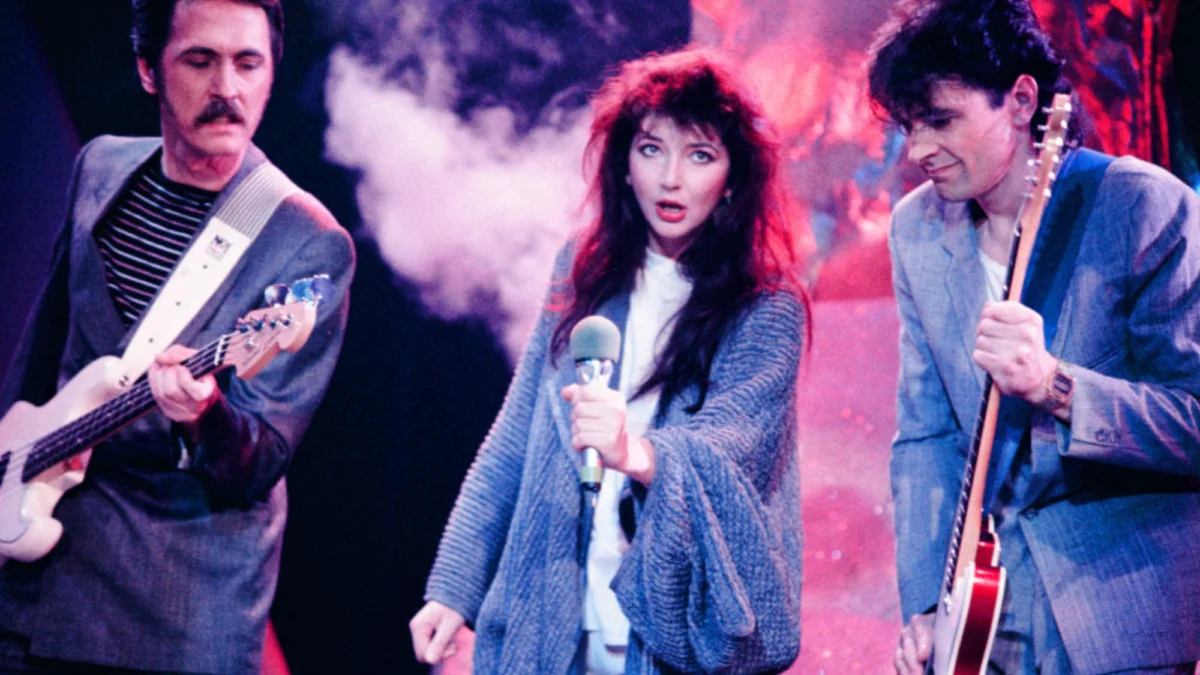
The 1985 masterpiece Running Up That Hill (Deal With God) by British singer-songwriter Kate Bush experienced a monumental global resurgence following its prominent placement in the fourth season of the Netflix science fiction series Stranger Things. The track surged back onto international charts, introducing Bush’s avant-garde pop sensibilities to an entirely new generation. Consequently, the song became a popular selection for amateur vocalists looking to channel the dark, atmospheric energy of the Netflix series.
Despite its hypnotic, driving drum machine pattern and seemingly steady vocal delivery, the track presents formidable technical hurdles. Bush utilizes precise, staccato phrasing and unexpected melodic leaps that demand immaculate breath support. When attempted in a live environment without the benefit of studio reverb and layered backing vocals, the transition between the low chest voice verses and the soaring, emotional peaks exposes any hesitation in the singer’s pitch. Furthermore, the psychological weight of matching Bush’s idiosyncratic, highly stylized delivery often causes performers to overexert early in the song, leaving them vocally depleted before the second chorus.
Take My Breath Away by Berlin
Cemented in pop culture history as the defining love theme of the 1986 blockbusting aviation film Top Gun, Berlin’s Take My Breath Away stands as a quintessential synth-pop ballad. Co-written by Giorgio Moroder and Tom Whitlock, the track won both the Academy Award for Best Original Song and the Golden Globe Award in 1987. Its slow, moody tempo and breathy vocal stylings by Terri Nunn project an aura of effortless intimacy.
The primary trap of Take My Breath Away at karaoke lies in its deceptive pacing. The lyrical phrases drag out far longer than anticipated, requiring immense lung capacity to sustain notes across seemingly endless musical bars. On a cinematic soundtrack, the slow tempo enhances the romantic tension between on-screen characters Maverick and Charlie; on a karaoke stage, that same slow tempo forces the vocalist to sustain pitch and tone without the safety net of rapid instrumentation. Performers frequently run out of air midway through lines, resulting in strained tones, flat notes, and abrupt breaths that shatter the song’s hypnotic atmosphere.
We Didn’t Start the Fire by Billy Joel
Released on Billy Joel’s 1989 album Storm Front, We Didn’t Start the Fire is an ambitious historical catalog spanning from 1949 to the year of the song’s release. The track debuted at number one on the Billboard Hot 100 and earned a Grammy Award nomination for Song of the Year. Lyrically, it is a breathless montage of over one hundred historical figures, events, and cultural touchstones, delivered at a relentless tempo.
While the chorus is simple, repetitive, and undeniably catchy, the verses are a linguistic minefield. The song operates entirely on momentum, relying on precise rhythmic articulation rather than sustained vocal acrobatics. Amateurs who choose this track often underestimate the sheer memorization and diction required to keep pace with Joel’s rapid-fire delivery. If a vocalist stumbles over a single historical reference—such as "Chubby Checker, Psycho, Belgians in the Congo"—the cascading effect causes the entire performance to derail. Without a teleprompter or backup singers to rescue the rhythm, performers frequently crash and burn under the weight of the historical timeline.
Livin’ on a Prayer by Bon Jovi
No discussion of perilous karaoke selections is complete without addressing Bon Jovi’s 1986 anthemic stadium-rock powerhouse, Livin’ on a Prayer. As the lead single from the band’s breakthrough album Slippery When Wet, the track spent four weeks at number one on the Billboard Mainstream Rock tracks chart and became an enduring working-class anthem. It remains a staple of late-night bar sing-alongs worldwide, practically guaranteeing audience participation.
The danger of Livin’ on a Prayer rests in its clever architectural design. The verses are written in a comfortable, conversational lower register, lulling the cocky performer into a false sense of security. Singers can comfortably mumble through the story of Tommy and Gina while playing to the crowd. However, the chorus and the bridge elevate the key into a punishingly high vocal range that demands over two full octaves of projection. By the time the final key change hits, vocalists are typically required to belt out notes at the absolute top of their vocal register. Without professional training or rigorous vocal warm-ups, the performance inevitably devolves from a triumphant rock-god delivery into an unintended shriek, testing the patience and hearing of everyone in the venue.
Broader Implications for Amateur Performance Culture
The persistent popularity of these vocally demanding tracks highlights a broader psychological phenomenon within social entertainment: the suspension of realistic self-assessment in favor of collective nostalgia. Music psychologists suggest that group environments lower cognitive inhibition, encouraging individuals to take performance risks they would typically avoid in private.
Audio engineers and vocal coaches frequently advise amateurs to evaluate their vocal range, breath control capacity, and rhythmic dexterity before stepping up to the microphone. Choosing a track like Livin’ on a Prayer or Running Up That Hill without proper preparation is akin to attempting an advanced physical stunt without training; the margin for error is razor-thin.
Ultimately, while these four 1980s classics continue to dominate karaoke rotation lists, they serve as a stark reminder that enduring commercial success does not equate to performance ease. Whether navigating Billy Joel’s historical marathon or Kate Bush’s ethereal leaps, performers proceed at their own risk—armed only with whatever liquid courage they brought to the stage.