
A Legacy of Independent Broadcasting
KPFK 90.7 FM, a cornerstone of the Pacifica Radio network, has functioned as a vital voice for progressive discourse and experimental music since its inception in 1959. Over the decades, the station has cultivated a reputation for broadcasting content that eschews the constraints of commercial playlists, championing genres that often struggle to find a home on mainstream airwaves. However, like many non-profit, listener-supported entities, KPFK has faced significant fiscal headwinds in recent years. The October 28 benefit was conceived not merely as a concert, but as an urgent intervention to secure the station’s operational stability. The choice of the Alex Theatre—a 1,400-seat venue known for its architectural significance and acoustic excellence—provided a fitting stage for an evening defined by high-fidelity artistry and collective civic commitment.

The Musical Lineup and Chronology
The evening’s programming was curated to bridge generations of musical influence, blending the technical virtuosity of jazz with the raw energy of rock and the rhythmic complexity of funk. The Fernando Pullum Community Arts Center Youth Orchestra initiated the proceedings, signaling the event’s commitment to music education and the future of the arts. Led by Fernando Pullum, the ensemble’s performance, featuring special guest Aloe Blacc, provided a high-energy overture that set a standard for the collaborative spirit that defined the night.
Following the youth orchestra, the pace transitioned into more intimate territories. Petra Haden’s haunting rendition of "This Is Not America," supported by pianist Andy Langham, offered a contemplative departure from the opener, while the Michelle Coltrane quartet introduced a layer of sophisticated, interactive jazz that leaned into the improvisational roots of the genre.

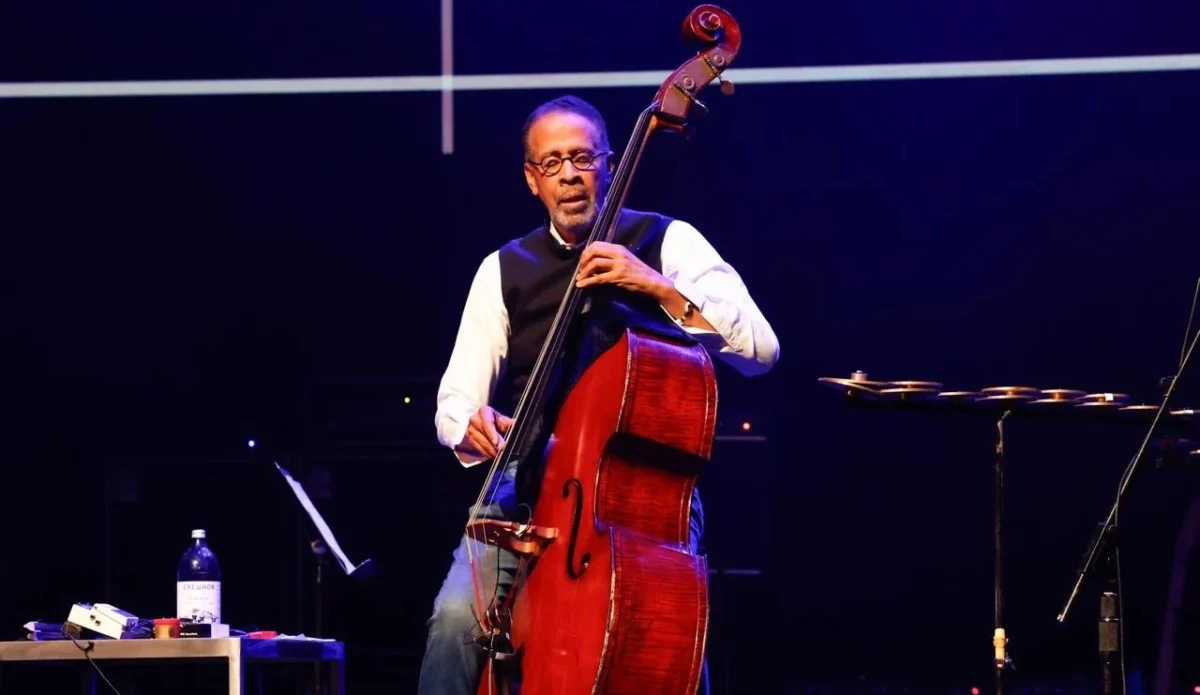
The mid-point of the performance saw Stanley Clarke assume a more central role. His upright trio—comprising drummer Clayton Cameron and saxophonist Jacob Scensey—delivered a masterclass in tone and dynamic interplay, performing "The Twinkle in Her Eyes" and "Las Manos Magicas." This segment demonstrated the evolution of the bass guitar as a lead instrument, a transformation Clarke himself spearheaded five decades ago with the release of School Days.
The second half of the concert leaned into collaborative experimentation. Clarke’s funk-heavy set, featuring percussionists Sheila E. and Salar Nader, served as an explosive counterpoint to his drummerless duets with Jackson Browne. The inclusion of "Casino Nation" highlighted the versatility of Clarke’s musicianship; in the absence of a percussive foundation, his bass lines provided the harmonic and rhythmic structure required to support Browne’s narrative songwriting. The inclusion of Doors legends John Densmore and Robby Krieger added a layer of rock-and-roll history, with performances of "People Are Strange" and "The End" resonating with a crowd that appeared deeply connected to the cultural movements of the 1960s and 70s.

The Technical Craftsmanship
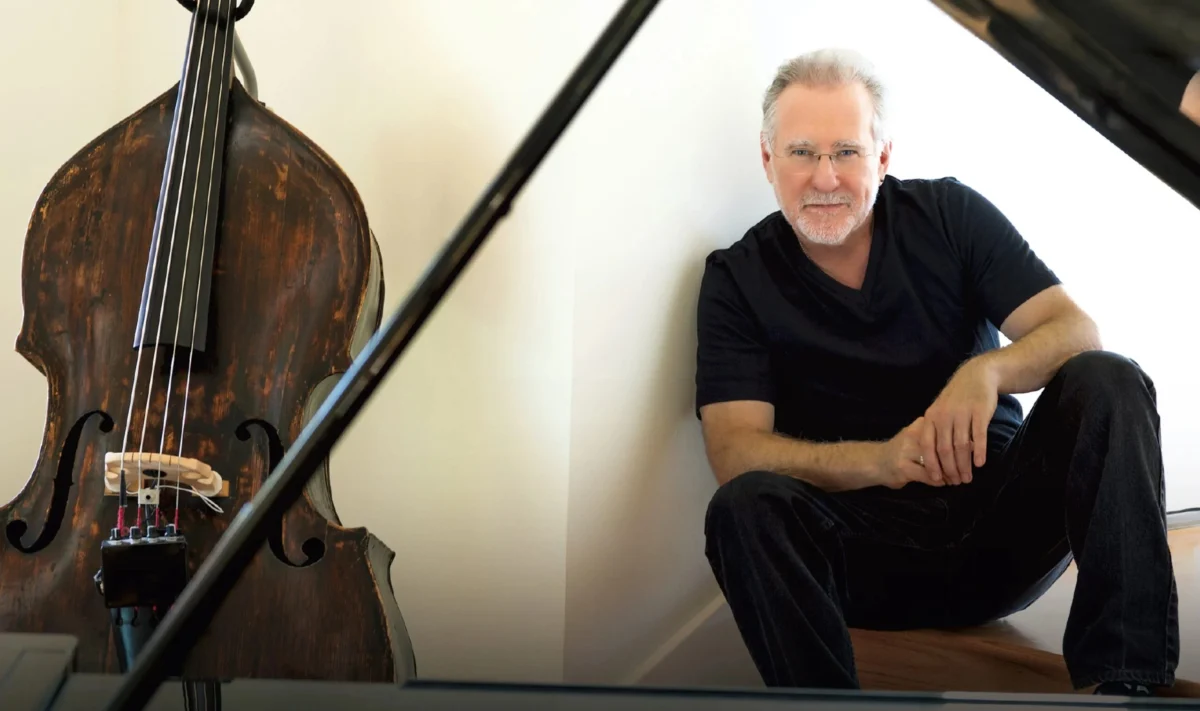
Beyond the performances, the event functioned as an exhibition of bass guitar artistry. Stanley Clarke demonstrated command over both his traditional upright bass and his iconic Alembic instruments. His technical approach—characterized by aggressive, percussive thumbing and melodic dexterity—remains a benchmark for bassists globally.
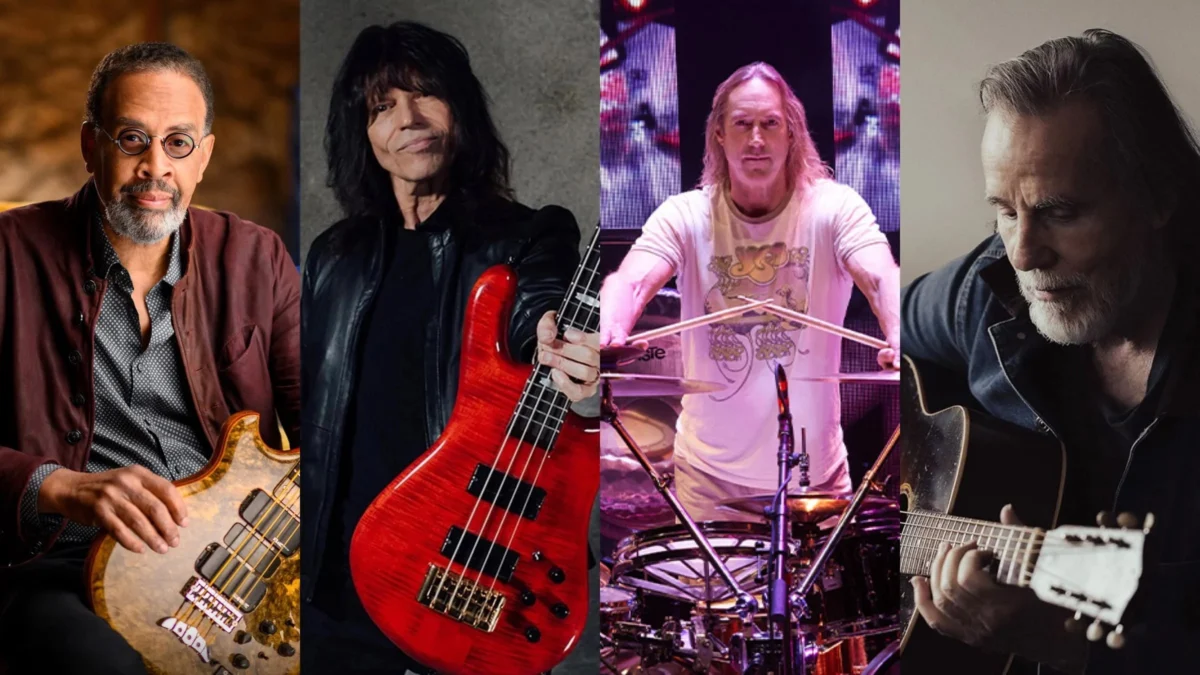
Other notable instrumental contributions included Rudy Sarzo’s performance, which utilized a Brubaker 4-string bass to cut through the density of the later all-star jams. Randy Pazos provided a grounded, melodic foundation for the Fernando Pullum ensemble on a classic maple-neck Fender Jazz Bass, while Marlonius contributed essential upright work during the jazz-quartet segments. The auction of one of Clarke’s Taylor acoustic basses served as a focal point for the evening’s fundraising efforts, symbolizing the intersection of high-end craftsmanship and philanthropic necessity.

Audience Reception and Cultural Context
The demographic composition of the audience—noted for its maturity and dedicated focus—reflected the deep-rooted loyalty KPFK has fostered over its 67-year history. The absence of digital distractions, such as excessive smartphone usage, allowed for a rare level of communal listening. Jackson Browne’s on-stage commentary regarding his lifelong history with the station resonated with attendees, many of whom have relied on KPFK as a primary source for non-commercialized music and news.
Stanley Clarke’s remarks regarding the term "fusion" added a layer of intellectual reflection to the event. While acknowledging his discomfort with the label—which he associated more with scientific processes than musical expression—he conceded that the evening represented the ideal application of the concept: a synthesis of disparate talents and backgrounds coalescing toward a shared goal.

Broader Implications for Non-Profit Media
The "Fusion Celebration" carries broader implications for the sustainability of public and independent media. As traditional funding models for arts-based broadcasting continue to fluctuate, the reliance on high-profile fundraising events has become more pronounced. The success of this specific event, in terms of both ticket sales and community engagement, suggests that there is a viable path forward for legacy stations if they can successfully bridge the gap between their historical archives and contemporary cultural movements.
From a structural perspective, the event proved that institutional survival is not merely a matter of financial balancing, but of social capital. By leveraging the influence of artists like Clarke, Browne, and members of The Doors, KPFK successfully transformed a financial appeal into a cultural landmark event. The "gloriously messy" nature of the final "School Days" jam, while perhaps lacking the clinical perfection of a studio recording, captured the essence of what the station represents: an unscripted, daring, and collaborative approach to the dissemination of art.

Summary of the Performance
The evening concluded with a sprawling, all-star improvisation on the title track of Clarke’s 1976 album. The finale served as a microcosm of the event itself—a collective effort that took time to find its rhythm but eventually delivered a powerful, unified sound. As the audience dispersed from the Alex Theatre, the sentiment was one of optimism regarding the station’s future.
For KPFK 90.7 FM, the night was a resounding success, proving that even in an era of algorithmic curation, there remains a significant audience for the human-led, experimental, and adventurous programming that the station has championed for over half a century. The data and attendance figures from the event suggest that while the medium of radio is evolving, the community surrounding it remains as vibrant and committed as ever, providing a necessary mandate for the station to continue its work in the years to come.