
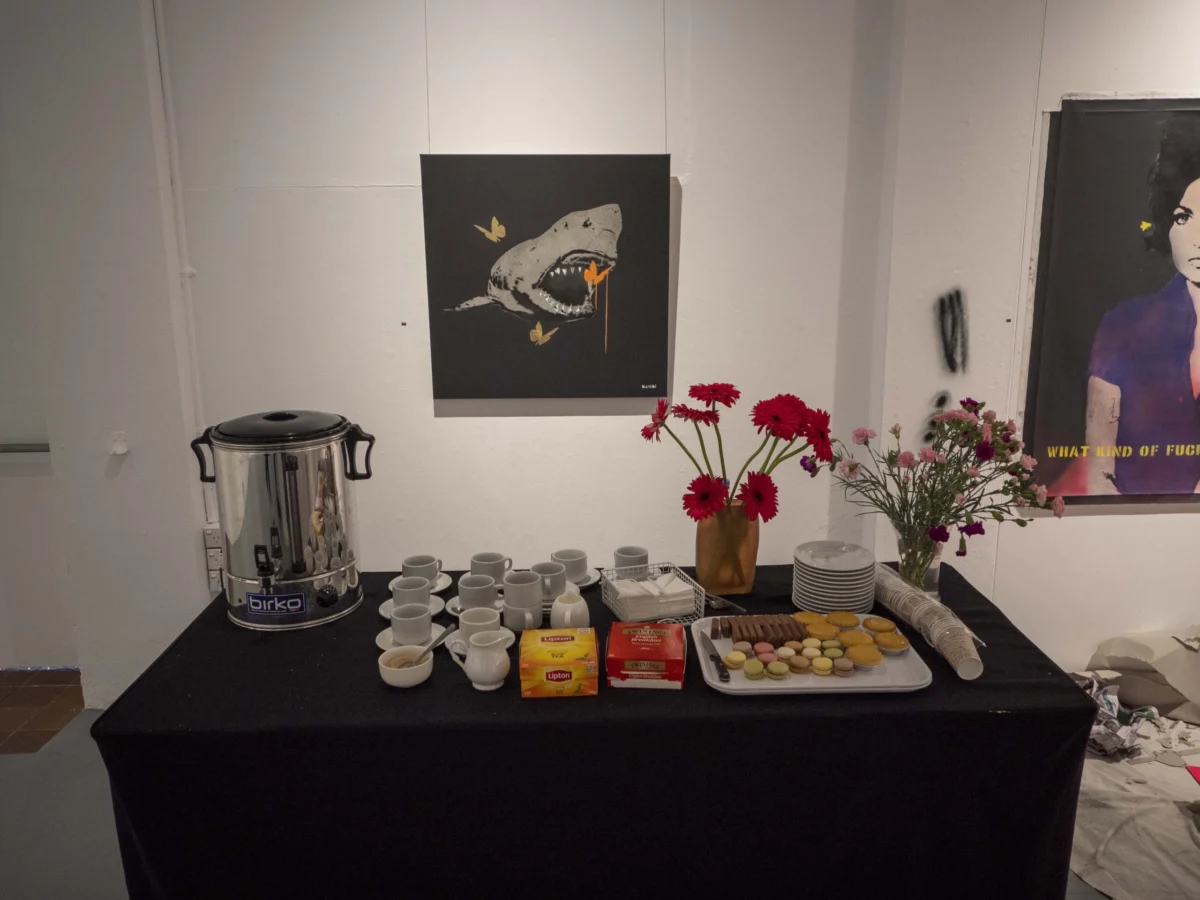
The global phenomenon of anonymous street art has long been dominated by figures operating in the shadows, most notably the British-based provocateur Banksy. However, sharing the stage of underground prestige and public intrigue is a similarly enigmatic female counterpart known simply as Bambi. Celebrated for her politically charged stencils, sharp cultural critiques, and a high-profile collector base that includes music industry royalty, Bambi has transitioned from the damp brick walls of North London to the sun-soaked shores of Australia. Her latest major international showcase at the historic Bondi Pavilion in Sydney has drawn immense public attention, offering both art enthusiasts and casual observers a rare, consolidated look at a body of work that usually requires a scavenger hunt across urban landscapes to fully appreciate.
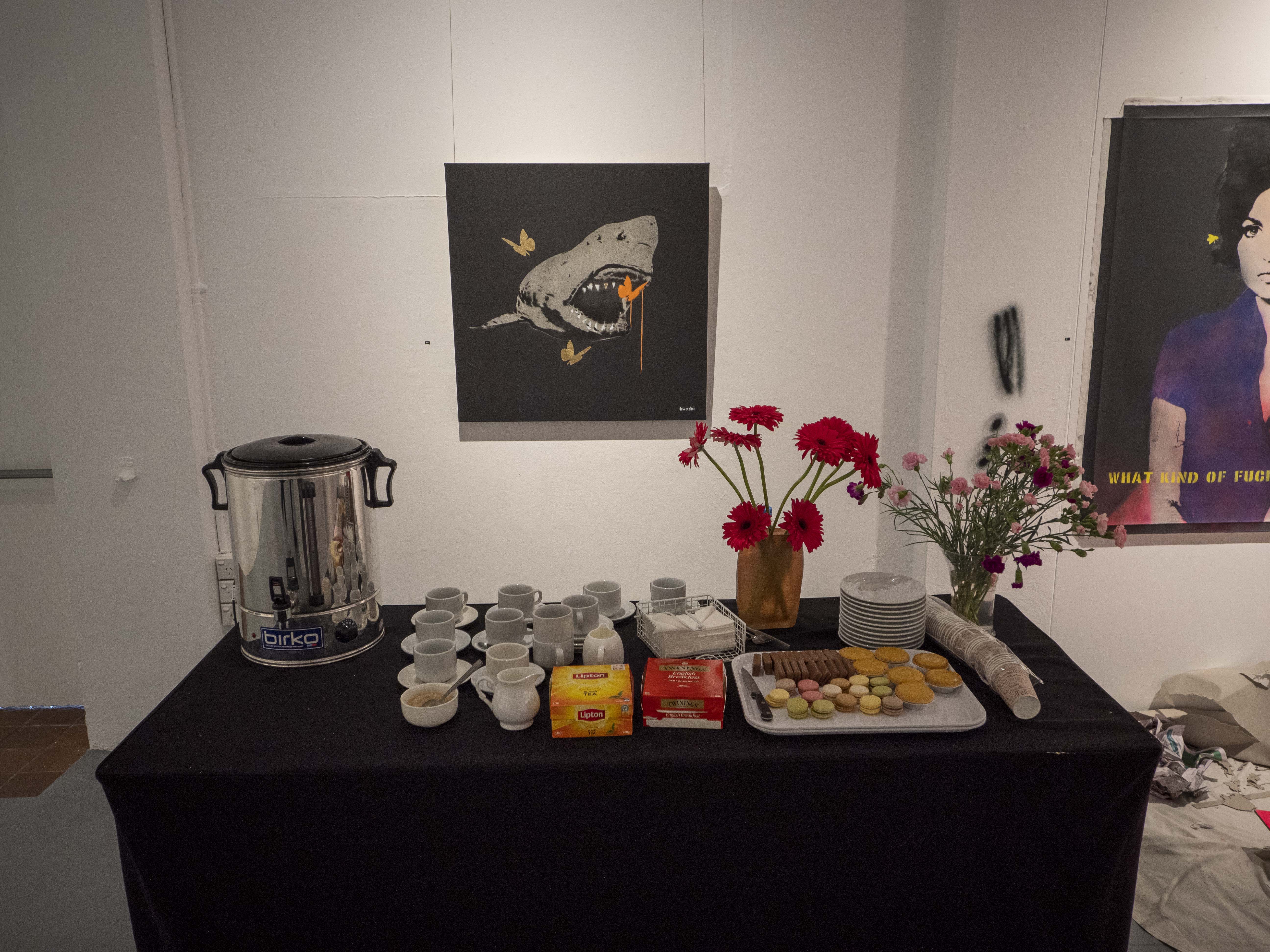
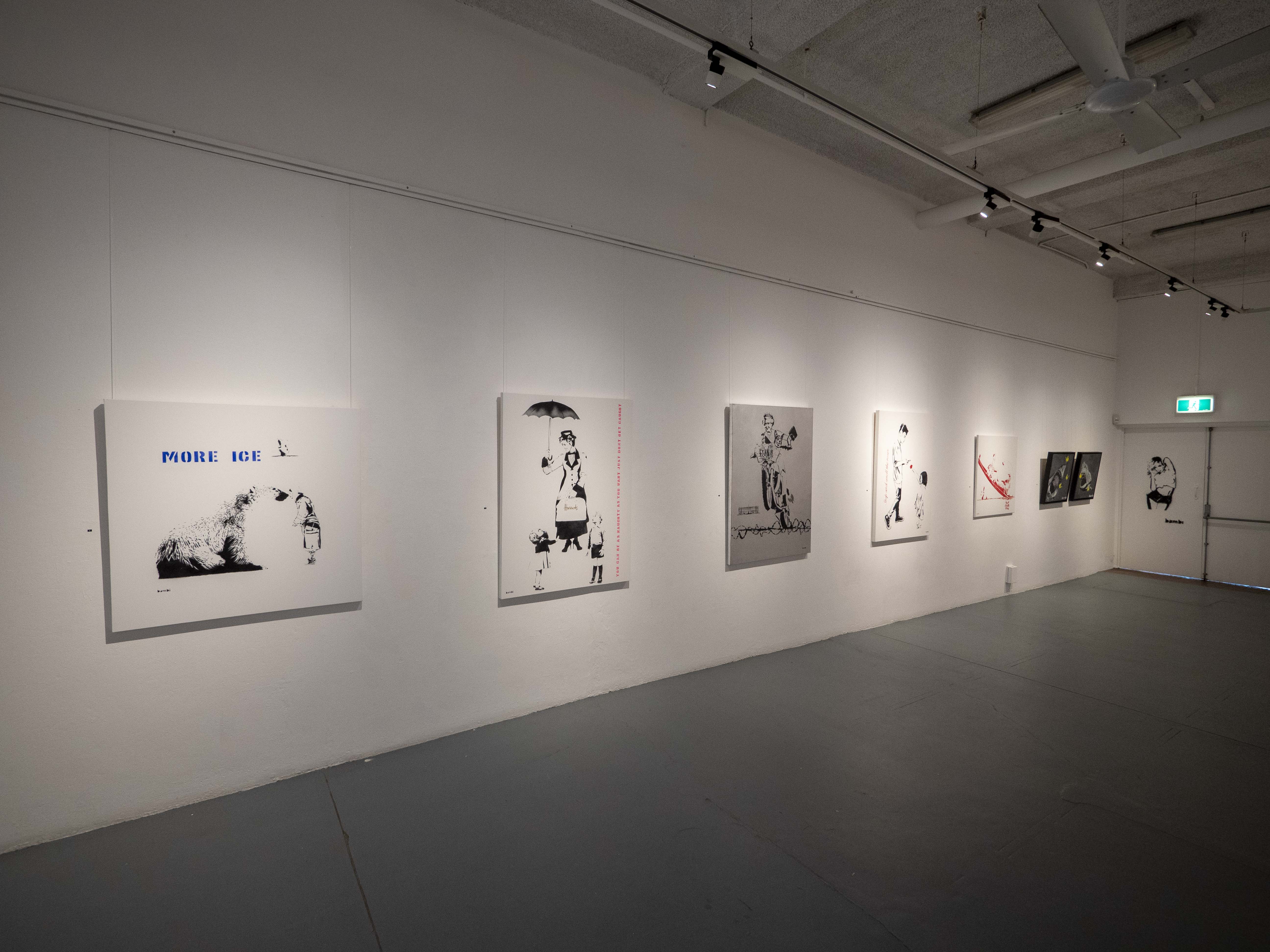
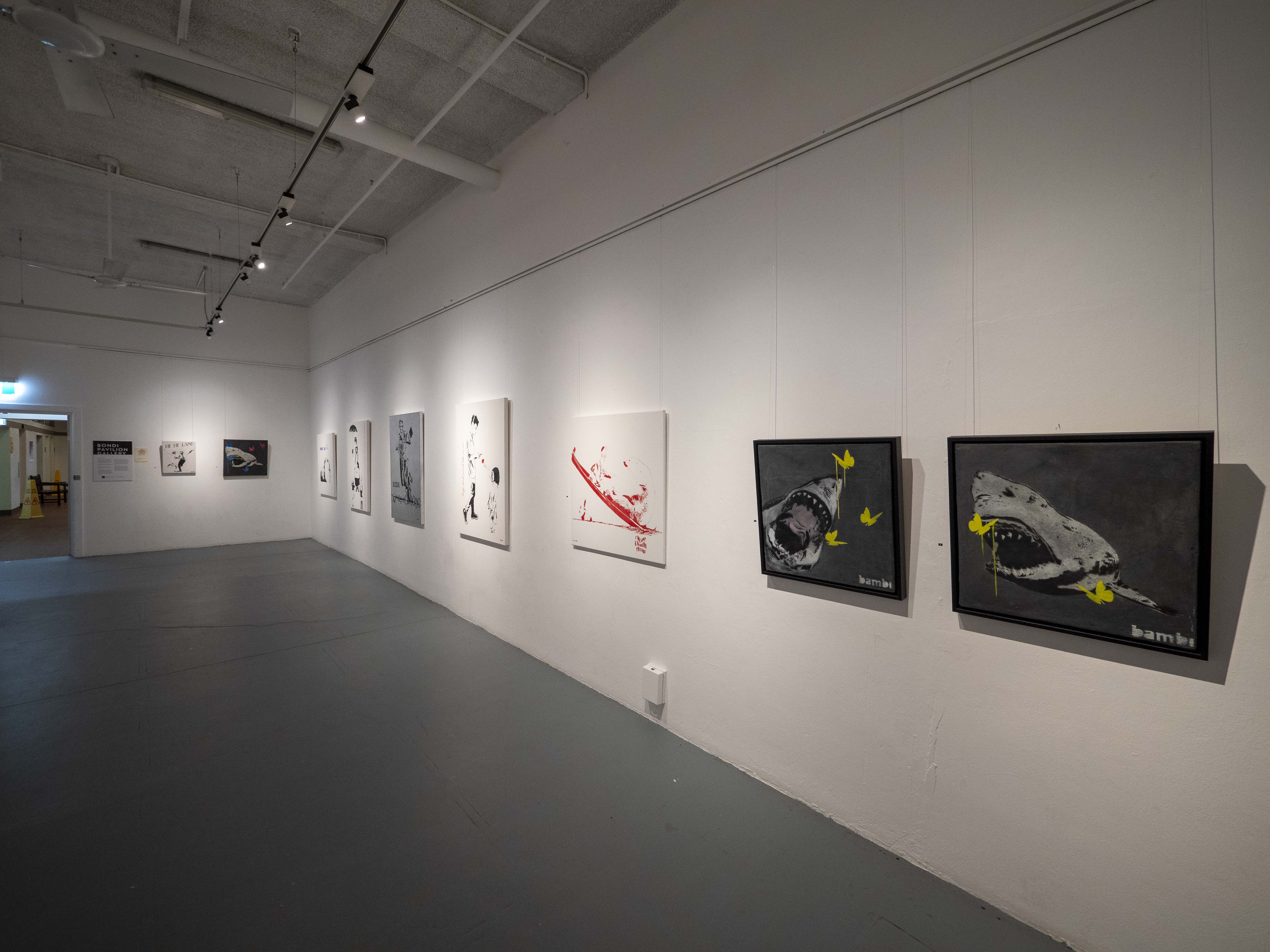
The exhibition, which runs through Sunday, June 23, brings a distinct blend of British street culture, satirical portraiture, and celebrity iconography halfway across the globe. As contemporary street art continues its institutional migration from the concrete underpass to the climate-controlled gallery space, Bambi’s Bondi exhibition serves as a critical case study in how counter-cultural aesthetics survive formal presentation.
The Origins and Rise of a Modern Enigma
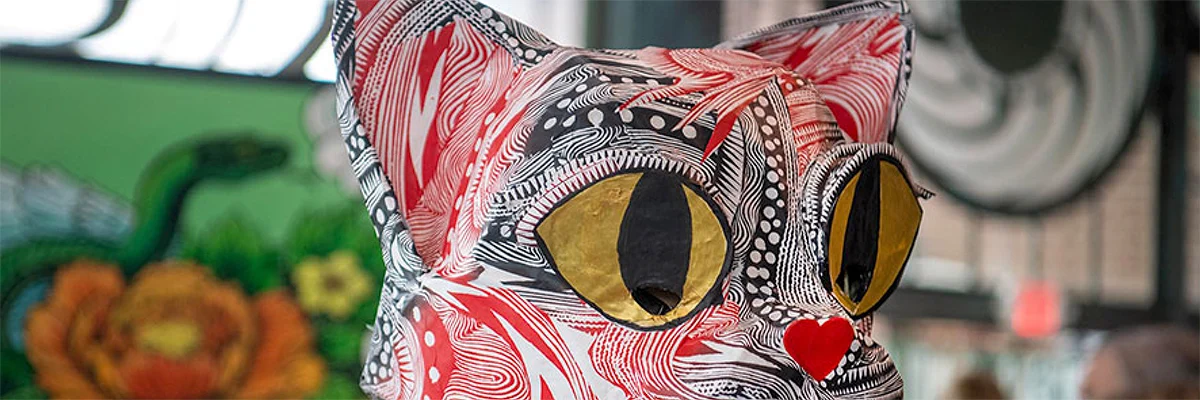
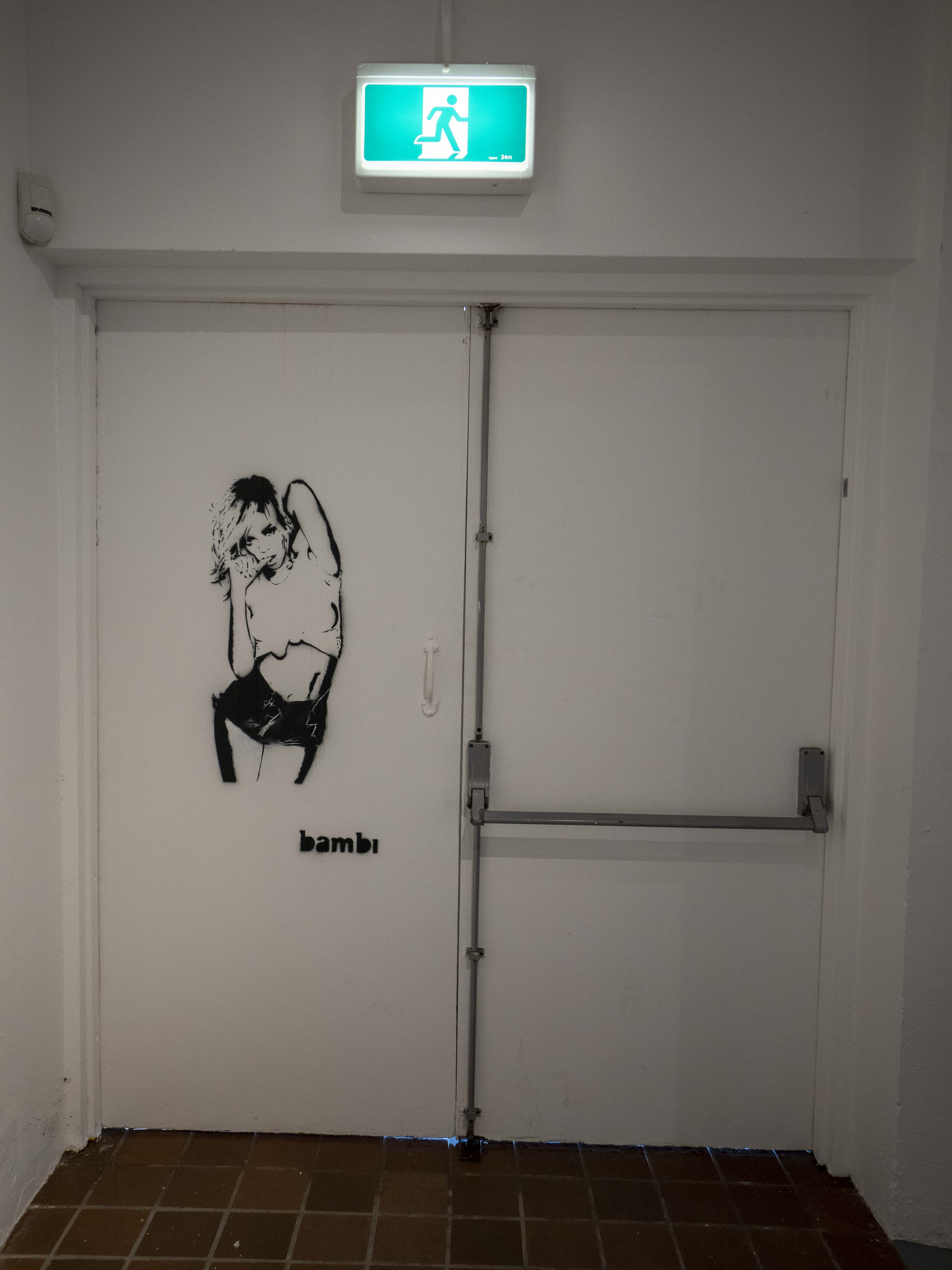
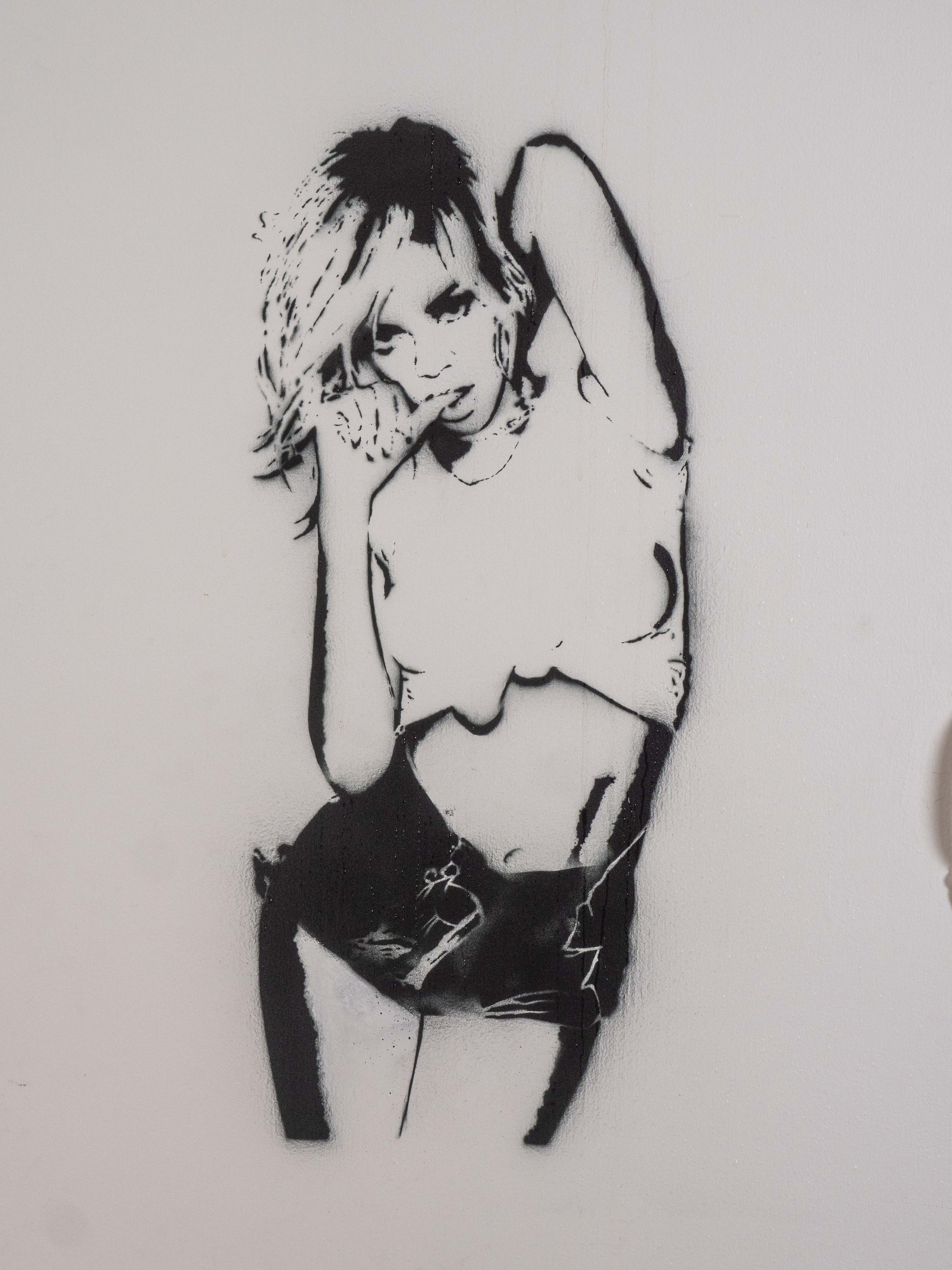
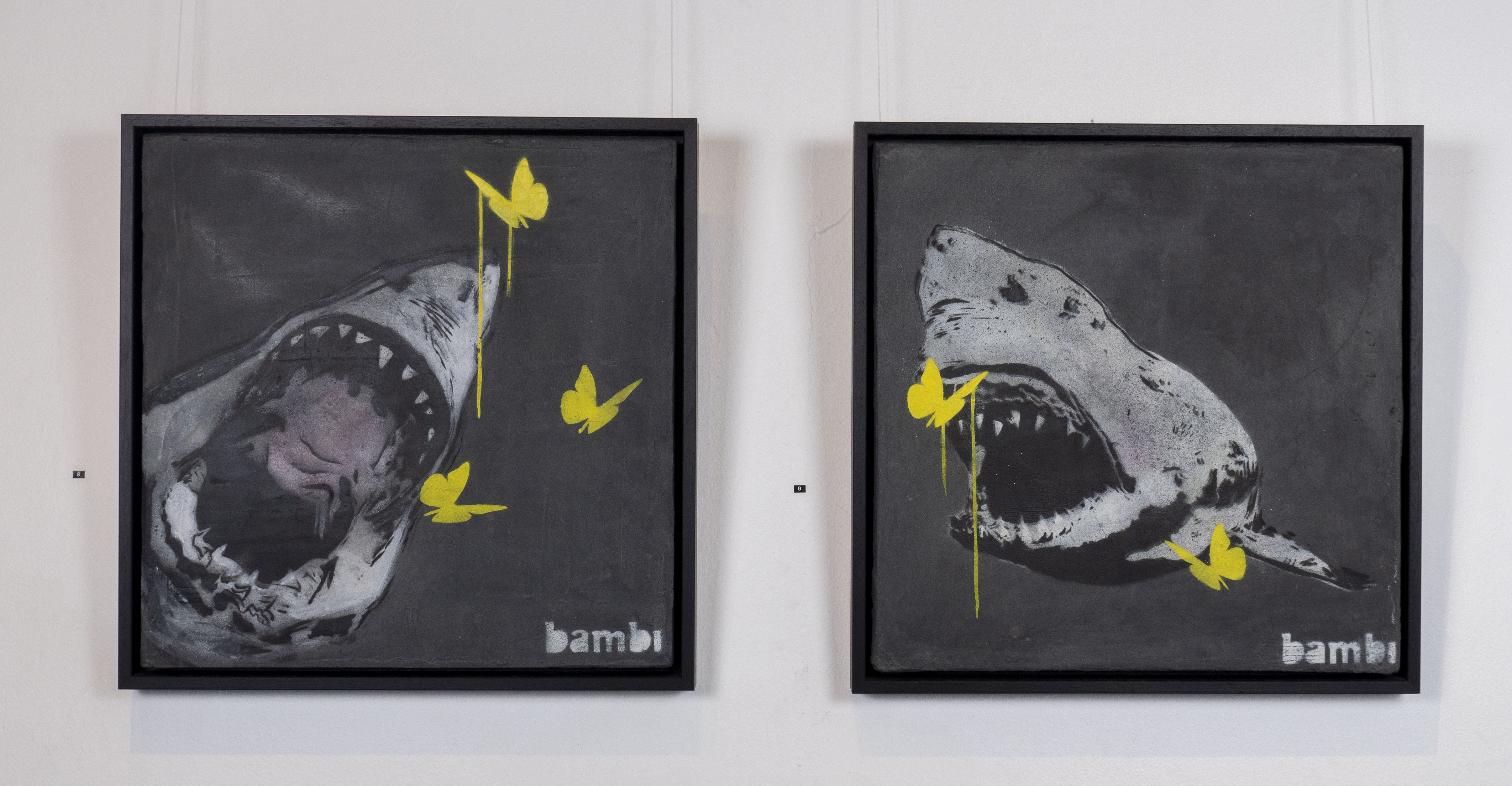
The mystique surrounding Bambi began in 2010 when a signature pink tag first materialized on a Camden doorway in North London. Situated directly beneath a delicate stencil portrait of the late, troubled soul icon Amy Winehouse, the mark signaled the arrival of a distinctive voice in the capital’s vibrant graffiti scene. From that initial appearance, Bambi’s visual vocabulary expanded rapidly. Her signature stencils—often characterized by vibrant splashes of color contrasting with stark, monochromatic foundational layers—began to decorate brick walls, railway arches, and pedestrian underpasses throughout North London.
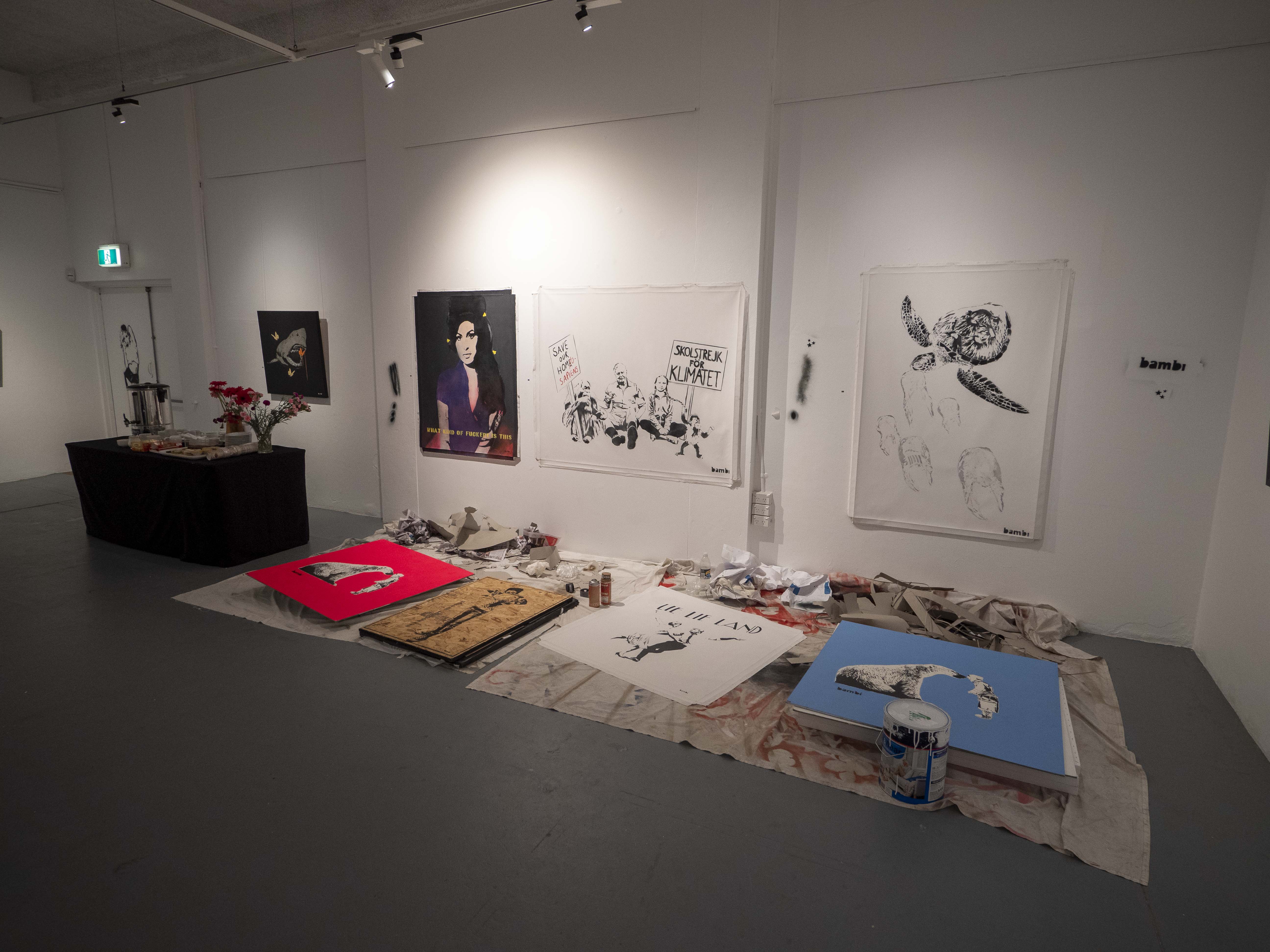
Much like Banksy, whose real identity remains one of modern culture’s most closely guarded secrets, Bambi has gone to extraordinary lengths to protect her anonymity. Operating under the constant threat of legal prosecution for criminal damage, the artist relies on tight-knit logistical support networks, nocturnal execution windows, and a rigorous personal code of secrecy. Despite the inherent transience of street art—where municipal power-washing and rival taggers pose daily threats—many of her original London pieces have been painstakingly preserved by property owners, transformed from illicit graffiti into protected civic landmarks.
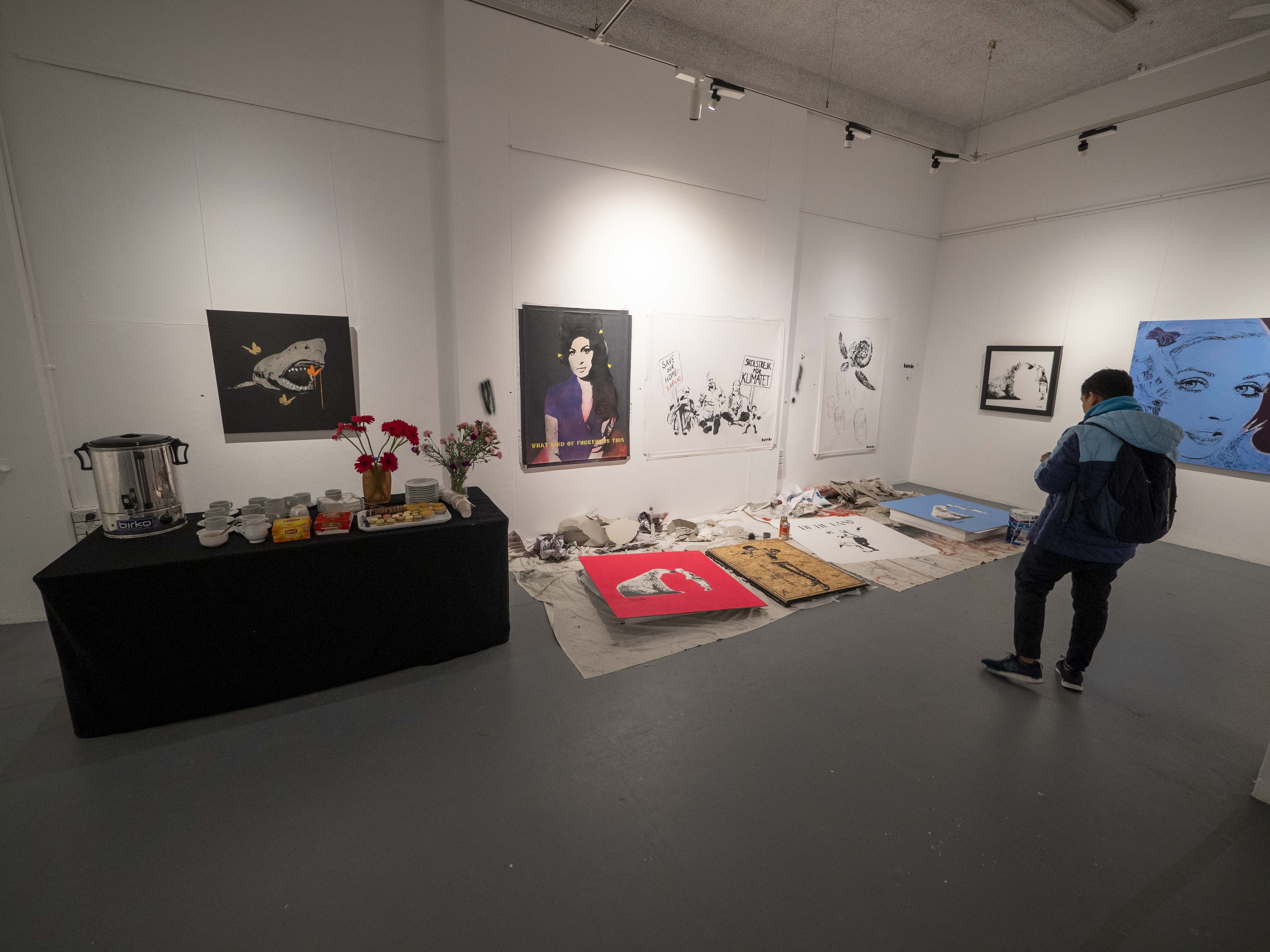
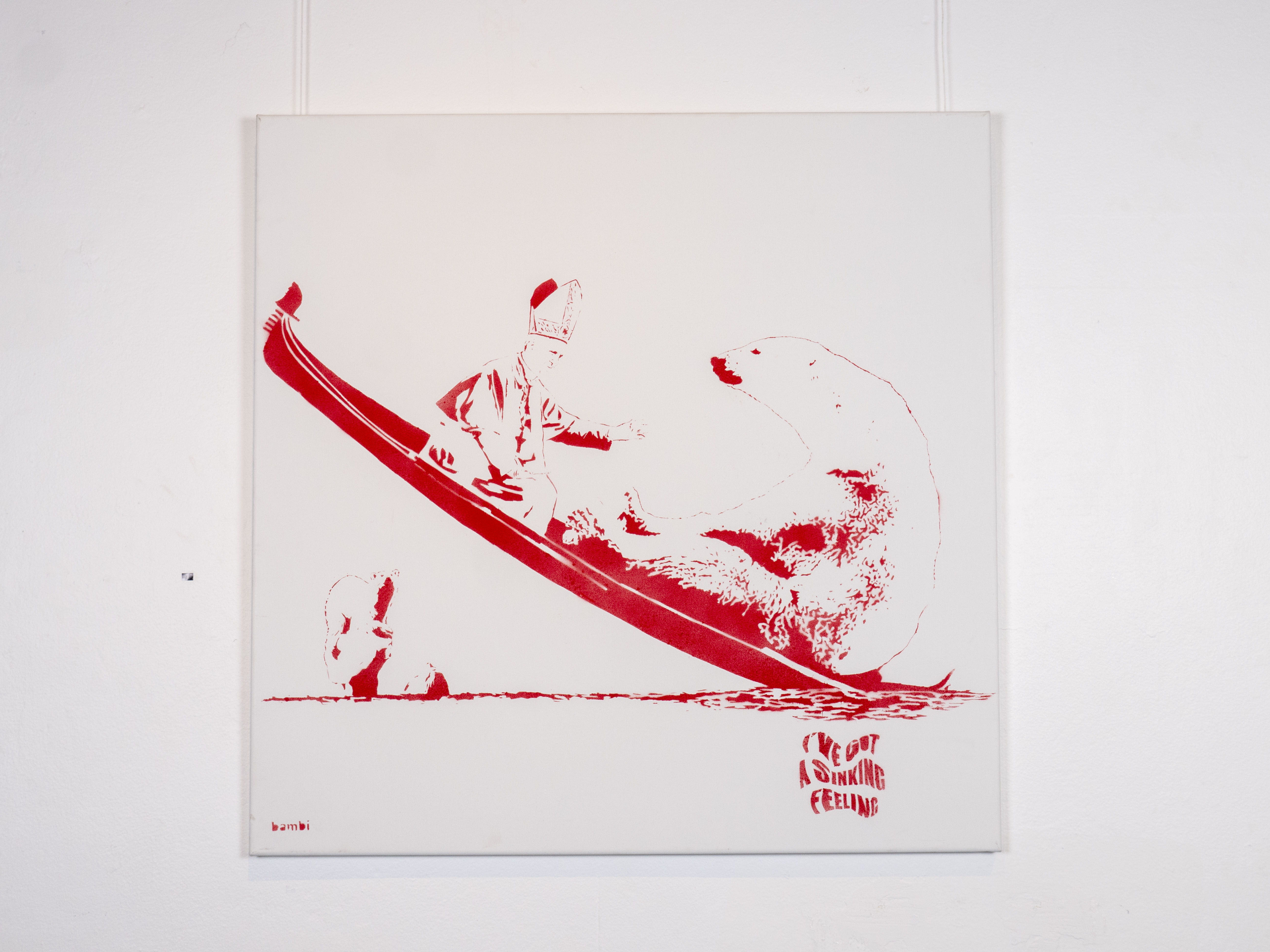
Over the past decade, Bambi’s subject matter has evolved from localized tributes to expansive global satires. She has turned her stencil-cut lens toward a pantheon of cultural and political figures, famously depicting media mogul Kim Kardashian and rendering high-ranking politicians such as Boris Johnson in the guise of wartime Prime Minister Winston Churchill. These juxtaposition-heavy compositions challenge viewers to reconsider the intersection of celebrity, political power, and contemporary consumerism.
A Star-Studded Collector Base and Commercial Appeal
While street art began as an anti-establishment medium rooted in vandalism and public dissent, its commercial maturation has created a lucrative market for authenticated originals and limited-edition prints. Bambi occupies a unique intersection within this ecosystem. Her works are not merely admired by urban art purists; they command substantial sums within elite private collections.
Her fan base reads like a front-row guest list at a major award ceremony. High-profile international recording artists and performers, including Rihanna, Kanye West, Robbie Williams, and Adele, have publicly acknowledged or acquired her pieces. For figures like Robbie Williams, who purchased a striking canvas addressing the pressures of fame, Bambi’s art offers a visceral reflection of the very celebrity culture they inhabit. Meanwhile, Rihanna and Kanye West have integrated urban contemporary pieces into their expansive residential portfolios, further elevating Bambi’s market valuation.
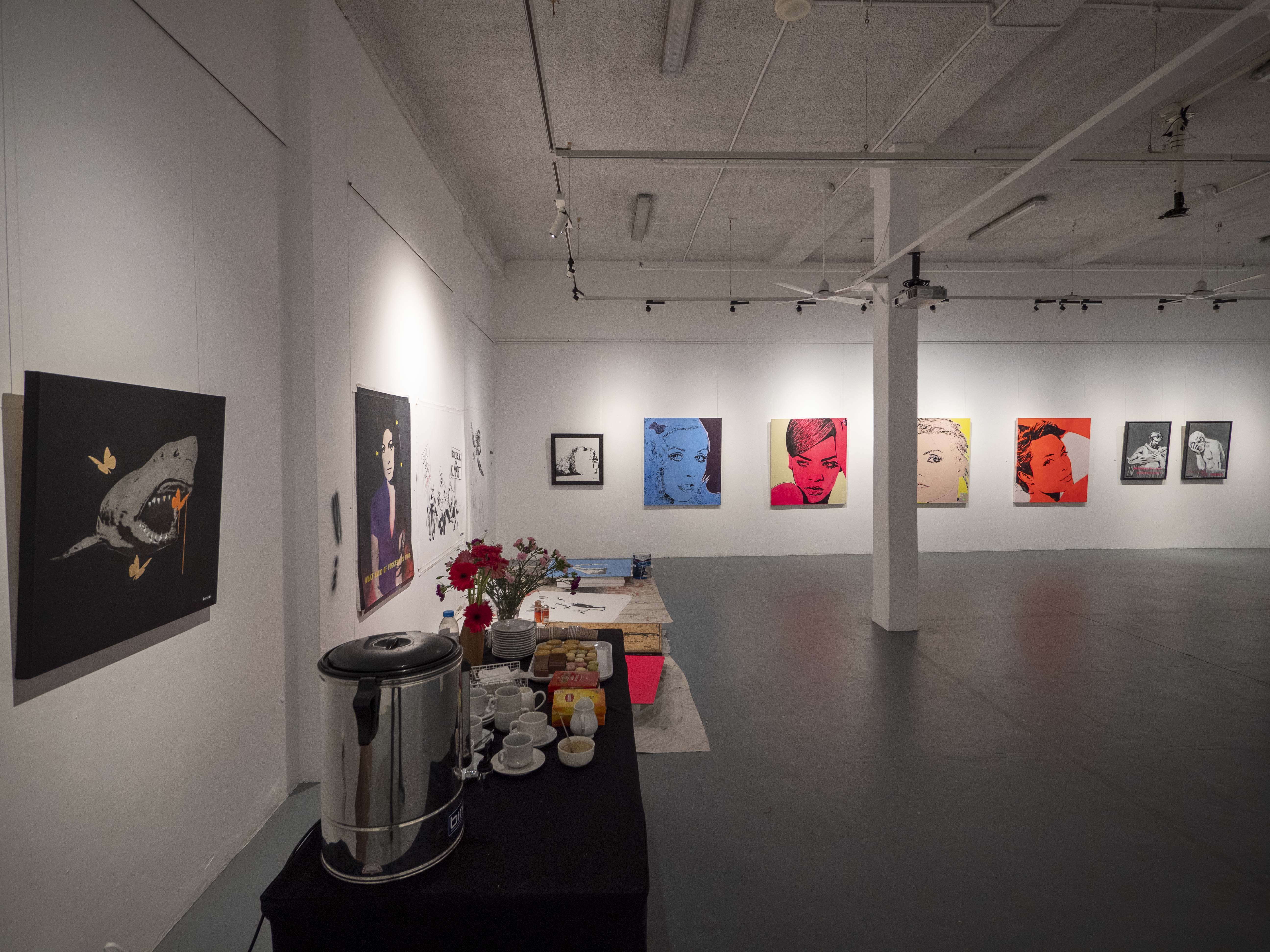
This crossover appeal from the gritty pavement to luxury penthouses has fueled significant data-driven growth in the secondary art market for female street artists. According to recent art market analyses, female creators in the urban contemporary genre have seen steady appreciation in auction houses over the last ten years, though a notable gender representation gap persists when compared to male counterparts like Banksy or Shepard Fairey. Bambi’s ability to sustain commercial viability while maintaining a strictly underground operational persona positions her as a trailblazer for women in the movement.
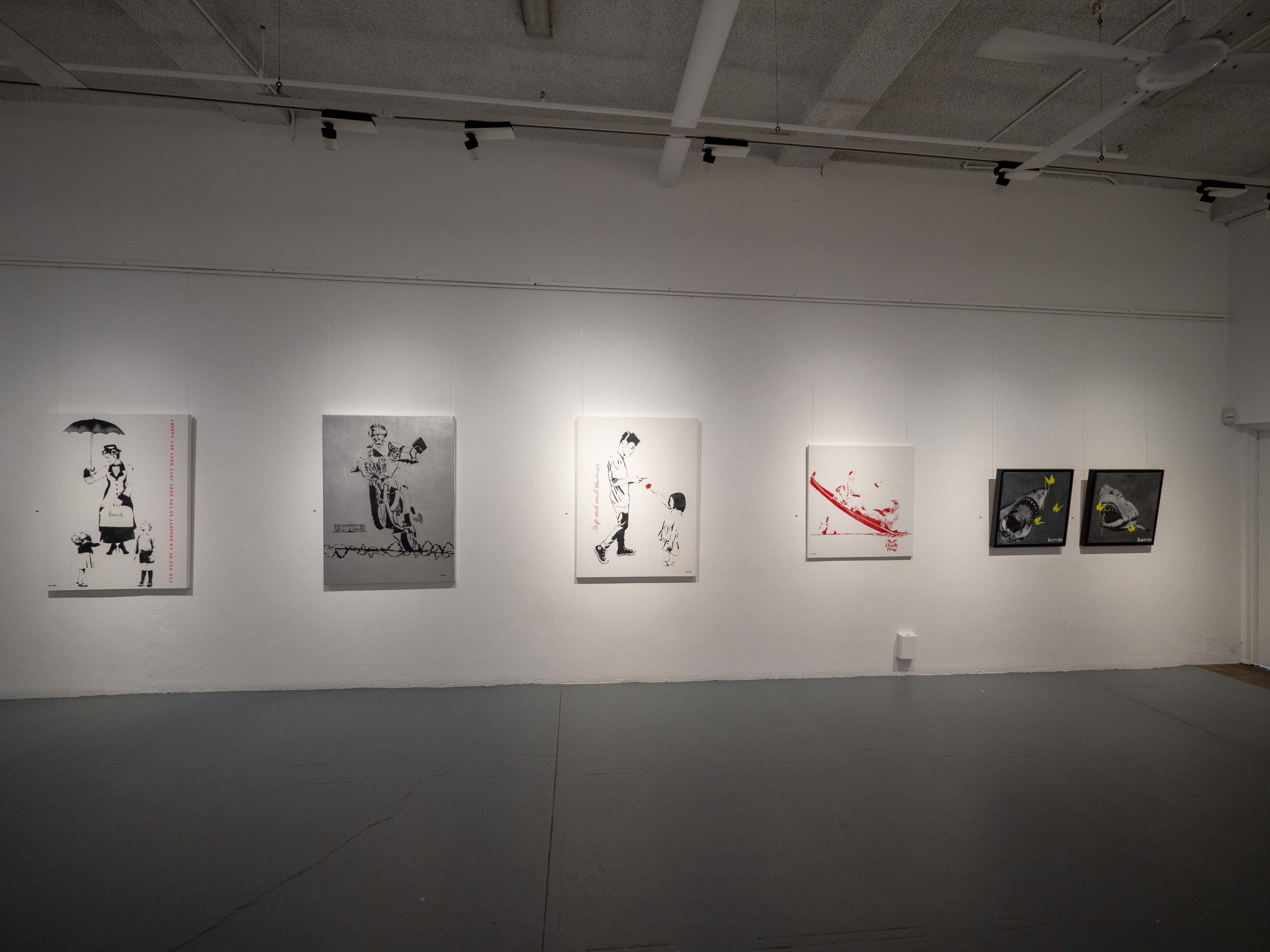
The Bondi Pavilion Exhibition: Chronology and Highlights
The decision to bring Bambi’s collection to the Bondi Pavilion in Waverley, New South Wales, represents a strategic international expansion. The Bondi Pavilion, a historic cultural hub overlooking one of the world’s most famous surfing beaches, provides a starkly different environmental backdrop from the industrial grit of Camden or Shoreditch.
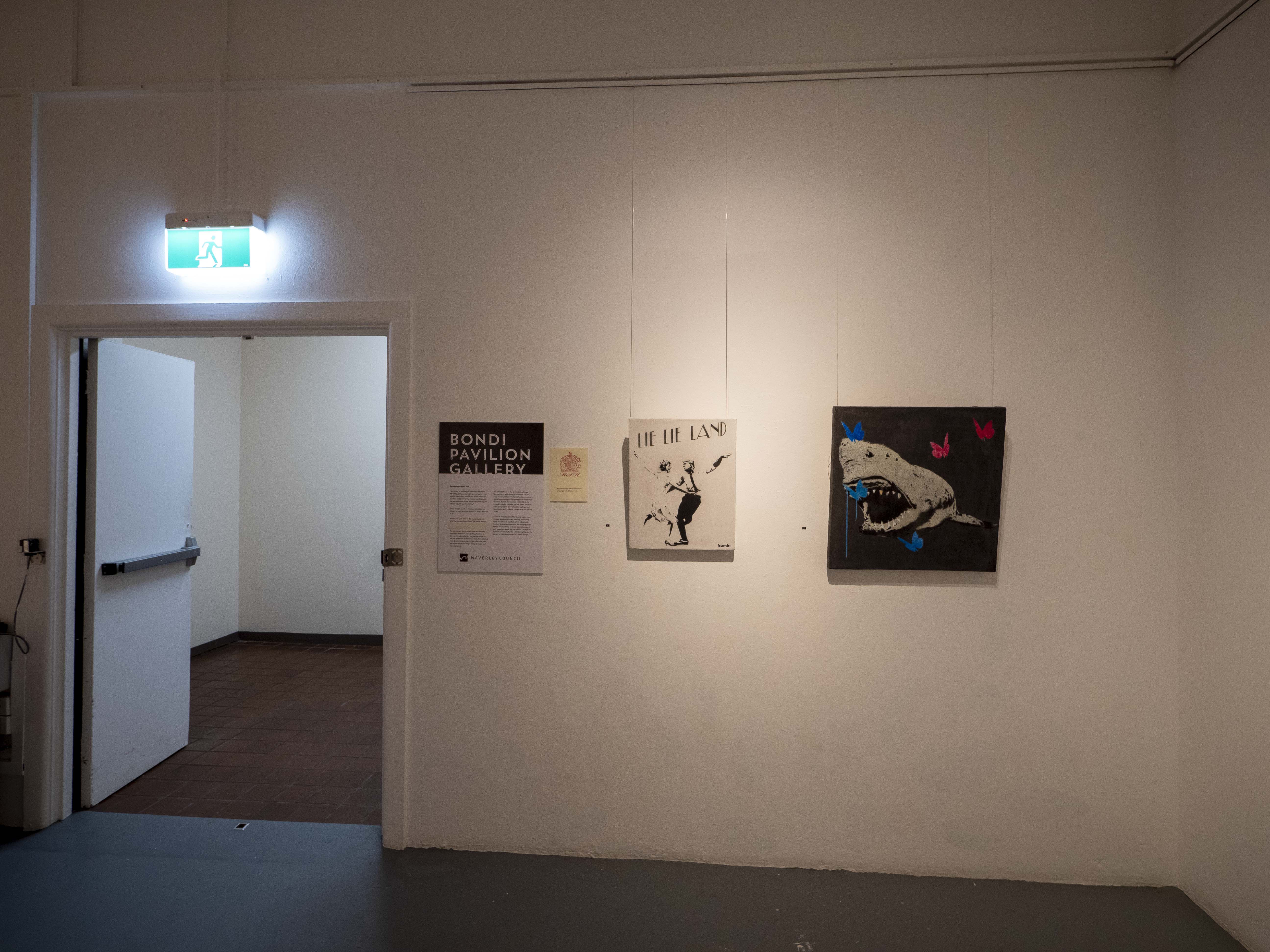
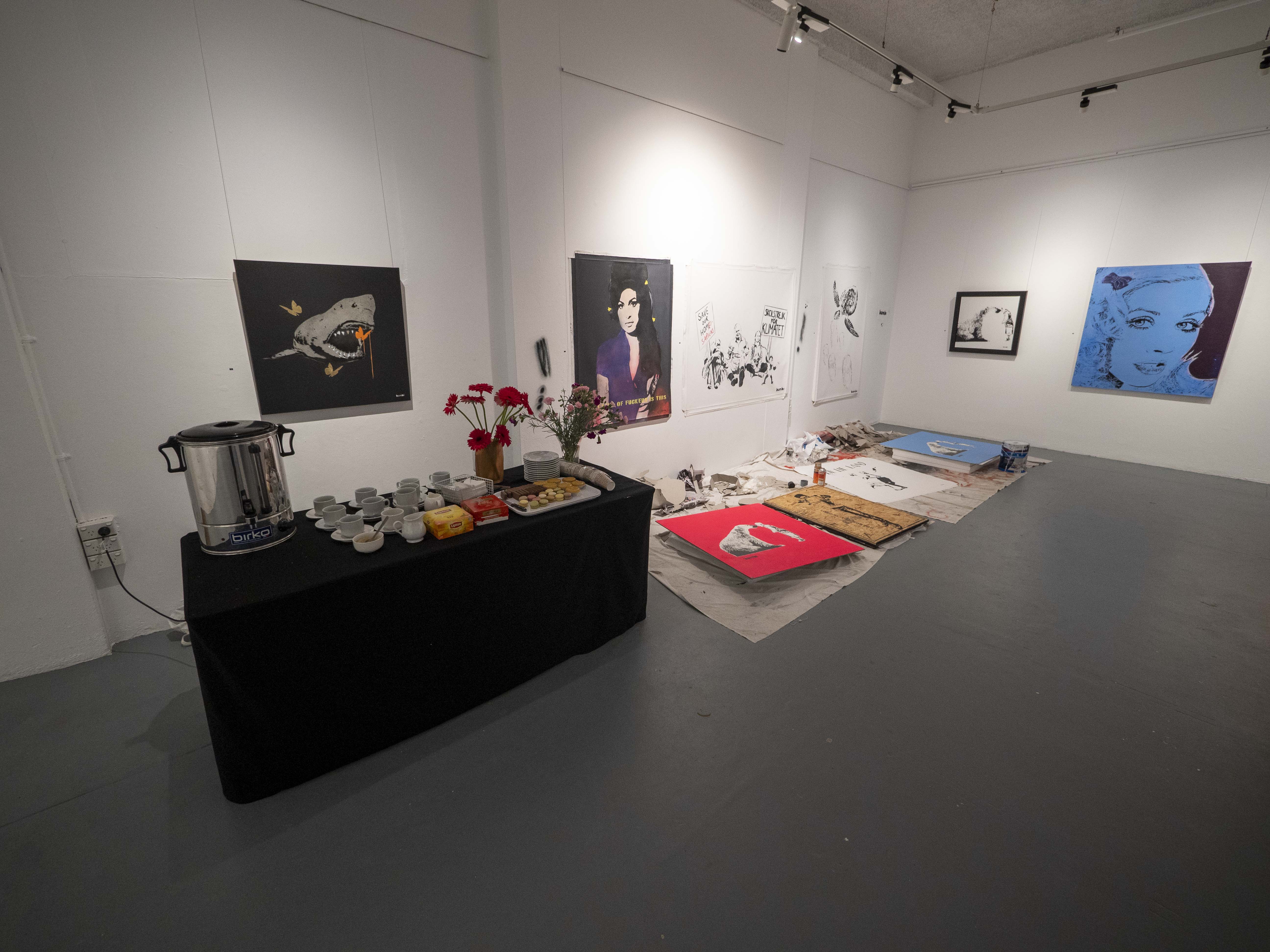
The exhibition chronology highlights the trajectory of her artistic output, featuring key pieces from her foundational London years alongside recent compositions developed specifically for international audiences. Curators at the Bondi Pavilion structured the exhibition to guide visitors through the thematic evolution of the artist’s career—beginning with her early musical tributes, moving through her blistering political satires, and culminating in her meditations on modern media saturation.
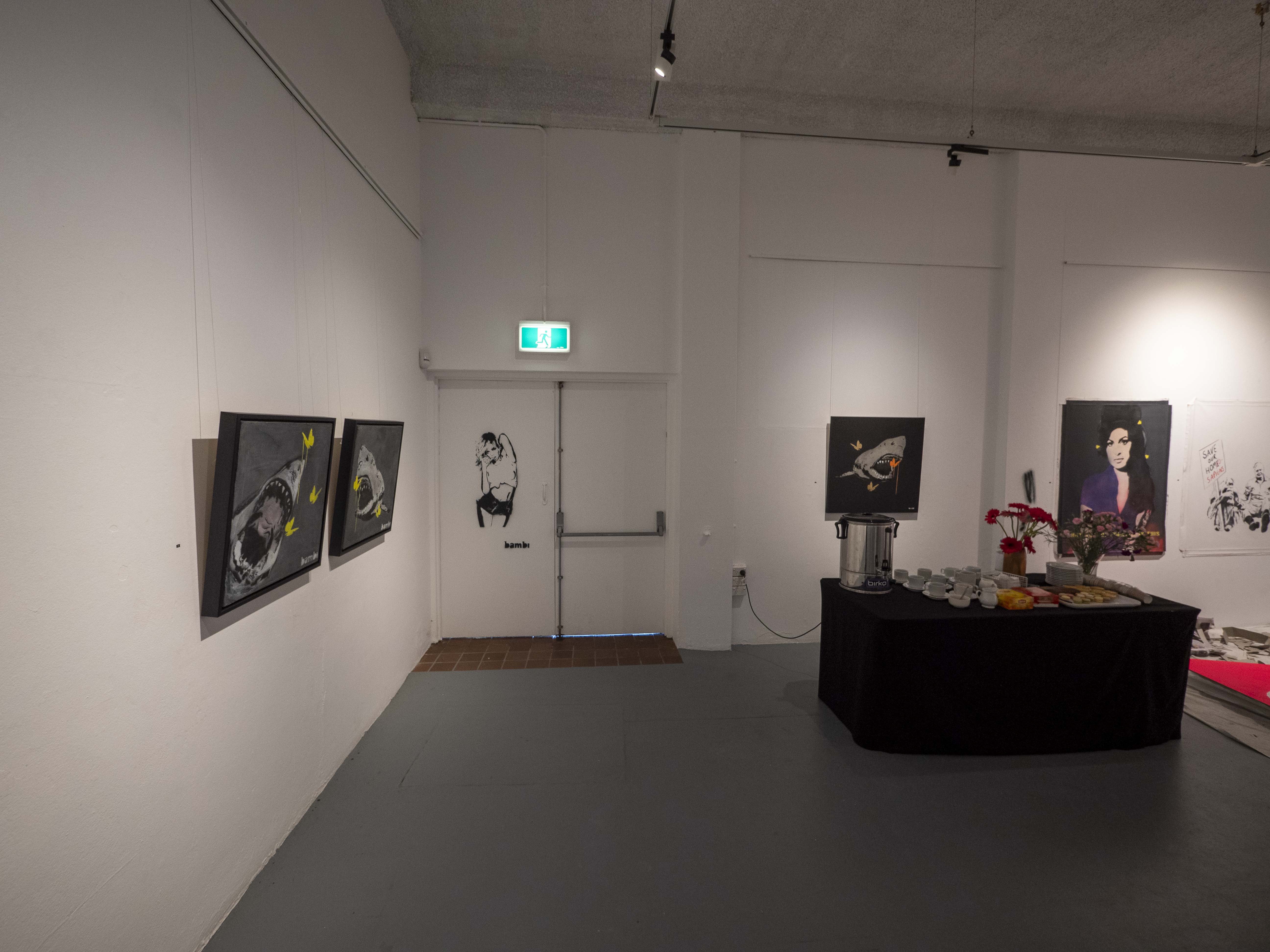
Among the standout pieces featured in the Bondi retrospective are complex multi-layered stencils that challenge preconceived notions of authority and gender roles. The exhibition layout encourages viewers to interact with the art at close range, examining the meticulous knife-work involved in stencil cutting—a technical discipline that separates elite street artists from amateur taggers. By housing these works within a public municipal cultural center, the exhibition successfully bridges the gap between high art and accessible public programming, allowing thousands of international tourists and local residents to engage with street art culture without the barrier of traditional private gallery exclusivity.
Official Responses and Community Impact
The hosting of the Bambi exhibition generated considerable discussion among local municipal authorities and cultural planners in Waverley. Local government representatives emphasized the importance of bringing internationally recognized contemporary art to coastal community spaces, noting that public engagement with provocative art forms stimulates vital civic discourse.
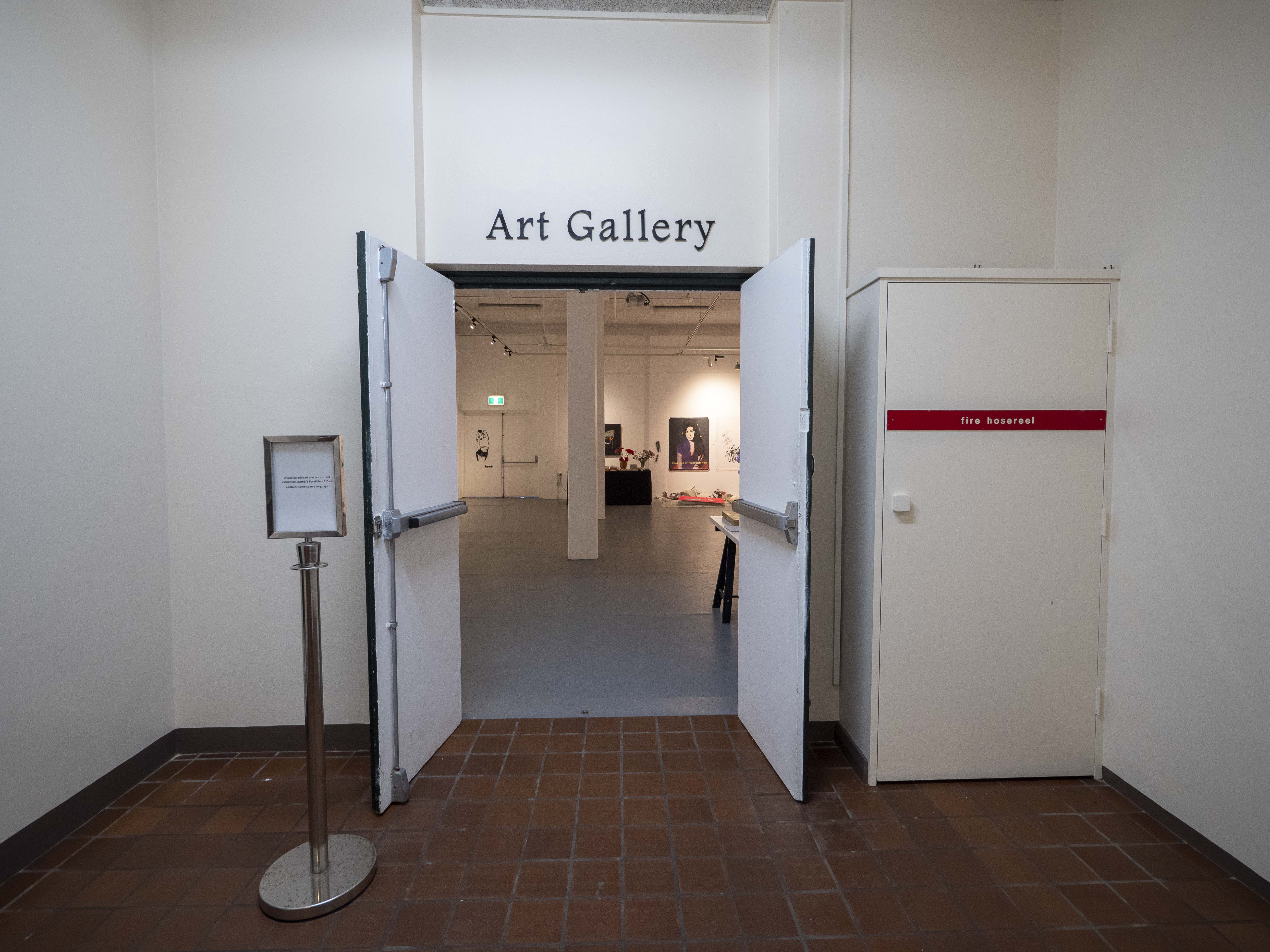
Art critics and local educators praised the exhibition for its accessibility. Unlike commercial galleries that can feel intimidating to the general public, the Bondi Pavilion’s open-door policy ensured that school groups, families, and beachgoers alike could encounter world-class urban art. Representatives from local arts organizations highlighted the educational value of showcasing stencil art techniques, pointing out that street art serves as a powerful medium for youth engagement and creative expression.
However, the exhibition also reignited familiar debates surrounding the institutionalization of street art. Purists argue that placing guerrilla art inside a pristine exhibition hall strips the medium of its primary power: its unauthorized, disruptive presence in the public realm. Conversely, proponents argue that preservation is necessary to protect fragile works from the elements and to grant the artist financial sustainability, enabling them to continue their practice on their own terms.
Broader Implications for the Street Art Landscape
The success of the Bondi Beach tour underscores a broader, undeniable shift in the global art market: street art is no longer a localized phenomenon confined to metropolitan decay; it is a borderless, highly mobile cultural currency.
Bambi’s ongoing anonymity, mirrored by the enduring mystery of artists like Banksy, suggests that the mystique of the outlaw artist remains a powerful marketing tool in the twenty-first century. In an era of hyper-transparency—where social media demands constant self-revelation from public figures—the deliberate withholding of identity creates an intoxicating void that audiences rush to fill with their own interpretations.
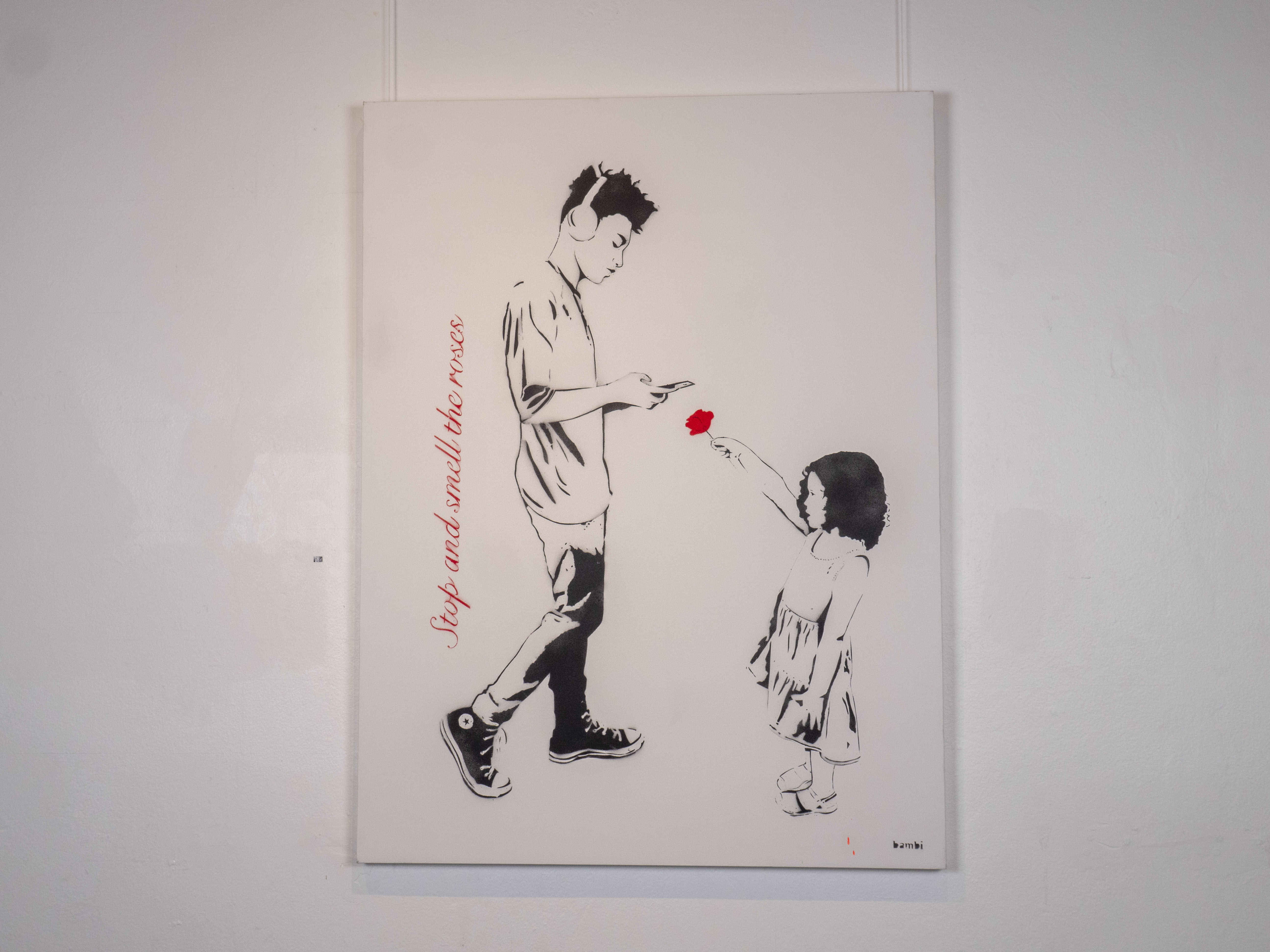
Furthermore, Bambi’s prominence as a female pioneer in a historically male-dominated subculture carries profound implications for the future of urban art. By consistently subverting political iconography and challenging the idols of modern celebrity culture, she has carved out a permanent space in contemporary art history. As the Bondi Pavilion exhibition draws to a close on June 23, the lasting impact of Bambi’s Australian showcase will likely resonate far beyond the shores of Sydney, further cementing her status as one of the most compelling and elusive voices in modern visual culture.