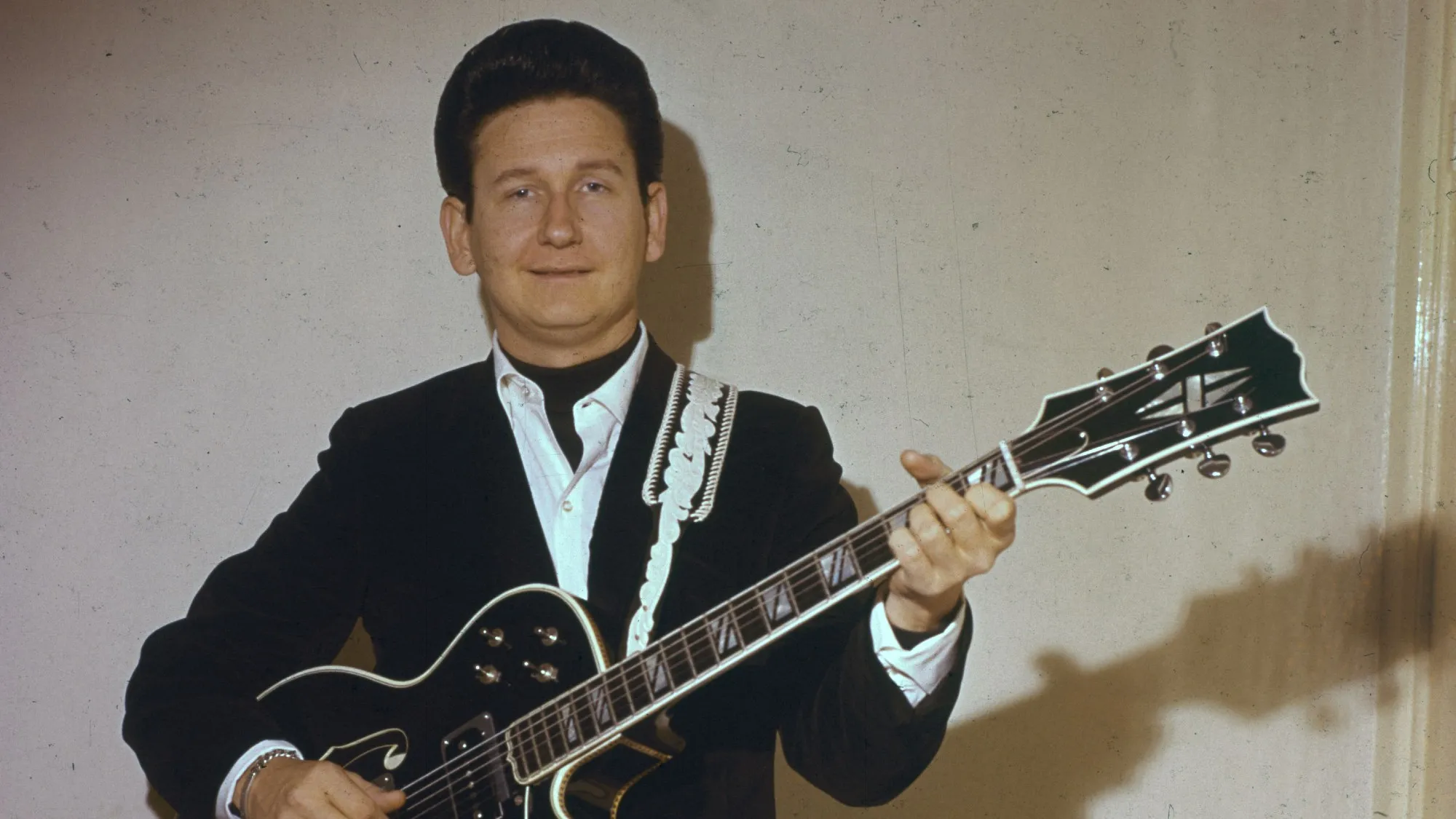

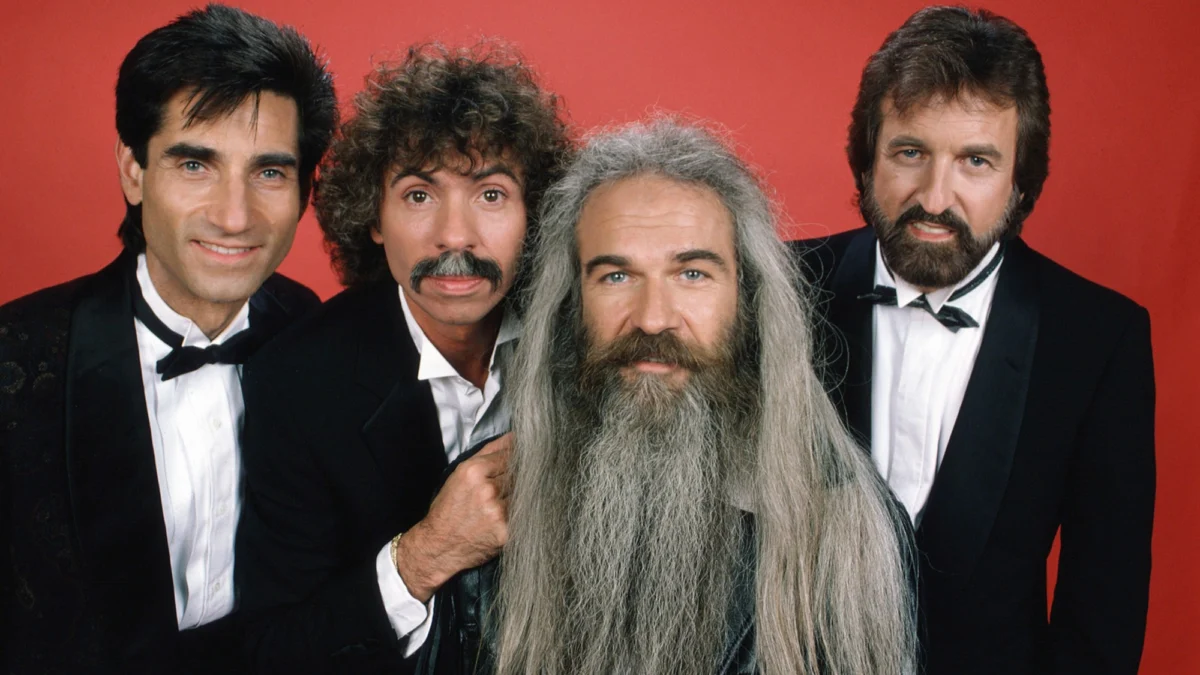
The mid-1980s represent a distinct and highly revered epoch in the history of American country music. During this era, the genre underwent a fascinating cultural shift, balancing the polished, crossover-friendly sounds of urban cowboy pop with a renewed appreciation for traditional roots, powerful vocal harmonies, and relatable storytelling. Within this vibrant musical landscape, 1985 stands out as a banner year defined by blockbuster albums, chart-dominating singles, and career-defining moments for some of the format’s most enduring icons. Examining the cultural and sonic footprints of three standout releases from that year—The Oak Ridge Boys’ “Touch A Hand, Make A Friend,” The Judds’ “Girls Night Out,” and Kenny Rogers’ “Morning Desire”—reveals why these tracks continue to resonate with audiences decades later.
The 1980s Country Landscape: A Genre at the Crossroads
To fully understand the musical output of 1985, one must examine the broader industry trends of the mid-1980s. The commercial explosion of the "Urban Cowboy" movement in the late 1970s and early 1980s had successfully introduced country music to a massive mainstream pop audience. However, by 1985, the genre was beginning to grapple with the need for authenticity, paving the way for the impending neo-traditionalist movement led by artists like George Strait and Randy Travis.
Simultaneously, established vocal groups, dynamic family duos, and crossover superstars were dominating the airwaves. Record labels were heavily investing in high-production values, sophisticated songwriting, and crossover appeal that could simultaneously conquer Billboard’s Hot Country Singles chart and cross over into Adult Contemporary or even R&B markets. It was within this climate of stylistic evolution and high-stakes commercial radio that 1985 produced a treasure trove of enduring hits, many of which remain deeply embedded in the collective memory of anyone who grew up listening to country radio during the decade.
The Oak Ridge Boys and the Uplifting Message of “Touch A Hand, Make A Friend”
Among the most respected vocal ensembles in country music history, The Oak Ridge Boys entered 1985 with a well-earned reputation for tight four-part harmonies, cross-genre versatility, and high-energy performances. Their release of “Touch A Hand, Make A Friend” as part of their acclaimed studio album Step On Out demonstrated the group’s unique ability to bridge gospel roots with mainstream adult contemporary country.
However, the origins of the song stretch back more than a decade before its country radio debut. “Touch A Hand, Make A Friend” was originally composed by the legendary songwriting trio of Homer Banks, Raymond Jackson, and Carl Hampton. The track was first recorded and released by the iconic soul and R&B group The Staple Singers in 1974. The Staple Singers turned the track into a Top 5 R&B hit, cementing its status as a soulful anthem of unity, positivity, and social connection during a tumultuous decade.
When The Oak Ridge Boys reinterpreted the track for Step On Out, they infused it with their signature country-pop arrangement and soaring vocal blend. The lyrical message—urging listeners to look past division and find common ground—remained as potent in the mid-1980s as it was in the mid-1970s. Featuring lines such as, “People seeing the light / Can’t you feel it in your heart, now? / A new thing is taking shape / Reach out and touch a hand / Make a friend if you can,” the song resonated deeply with listeners facing a changing political and social climate.
While The Staple Singers’ original rendition holds an essential place in soul history, it is The Oak Ridge Boys’ version that achieved enduring ubiquity across country radio. The track served as a testament to the power of cross-pollination between R&B and country music, proving that great songwriting transcends genre boundaries.
The Judds and the Accidental Phenomenon of “Girls Night Out”
By 1985, the mother-daughter duo consisting of Naomi and Wynonna Judd had firmly established themselves as a revolutionary force in country music. Having burst onto the scene with their critically acclaimed debut studio album Why Not Me, they quickly became standard-bearers for a new era of traditionalism infused with contemporary appeal. Among the standout tracks on that landmark debut was “Girls Night Out,” a spirited, upbeat track that would soon become a defining anthem for the duo.
Written by the prolific songwriting and production team of Brent Maher and Jeffrey Bullock, “Girls Night Out” captured a sense of youthful exuberance, independence, and carefree celebration. The infectious chorus set the tone for countless gatherings, kicking off with the memorable lines: “Well, it’s a girls’ night out / Honey, there ain’t no doubt / I’m gonna dance every dance ’til the boys go home.”
Despite the track’s eventual success—making history as The Judds’ third consecutive No. 1 single on the country charts—its journey to the top was anything but guaranteed. In retrospective interviews, co-writer Brent Maher confessed that he harbored modest expectations for the track when it was first recorded.
“I wrote it just to be a little ditty,” Maher revealed in discussions regarding the track’s creation. “And it turned out to be a much bigger record than what I ever thought it would be. Actually, when I turned the record in, I never thought that would be a single.”
Maher’s initial hesitation underscores the unpredictable nature of the music industry in 1985. What was conceived as a lighthearted album cut struck a visceral chord with listeners, particularly female country music fans who found in the song a rare expression of autonomy and uninhibited fun. The track’s massive commercial reception helped propel Why Not Me to monumental status, solidifying The Judds as enduring superstars and permanently expanding the thematic boundaries of what women in country music could sing about.
Kenny Rogers and the Adult Contemporary Crossover of “Morning Desire”
By 1985, Kenny Rogers was already a towering figure in global entertainment, having successfully transitioned from a pioneer of progressive country and rock with The First Edition to one of the most successful solo crossover artists in music history. With a string of timeless ballads and pop-country smashes under his belt, Rogers approached the mid-1980s with an unerring instinct for selecting material that would connect deeply with a mature audience.
In 1985, Rogers released “Morning Desire” as the sole single from his successful studio album The Heart Of The Matter. Written entirely by the late, acclaimed songwriter Dave Loggins—celebrated for his gift for crafting emotionally evocative, narrative-driven compositions—the song possessed a sultry, romantic atmosphere that set it apart from standard radio fare of the period.
The track’s intimate lyricism captured a quiet, domestic intensity, highlighted by lines such as: “Oh I listen to her breathe / And it makes me wanna wake her up / And tell her that I’m on fire / With morning desire.”
“Morning Desire” achieved remarkable commercial success upon its release. It not only climbed to the coveted No. 1 spot on the Billboard Hot Country Singles chart, reaffirming Rogers’ absolute dominance of the format, but it also achieved significant mainstream penetration by breaking into the Top 10 of Billboard’s Adult Contemporary chart. This dual success illustrated Rogers’ unique ability to craft music that appealed simultaneously to traditional country listeners and mainstream pop audiences.
Furthermore, the track showcased the brilliant songwriting craftsmanship of Dave Loggins, whose contributions to Rogers’ catalog and the broader country landscape remain widely celebrated. “Morning Desire” stands as a prime example of mid-1980s adult-oriented country production, utilizing lush instrumentation and restrained vocal delivery to create an atmosphere of sophisticated romance.
Chronology and Commercial Impact of the 1985 Country Landscape
To contextualize these three releases within the broader timeline of 1985, one must look at how record labels scheduled releases to maximize chart longevity. The mid-1980s music industry operated on a rigorous cycle of album promotion, where lead singles could spend months climbing the charts before a follow-up was serviced to radio programmers.
- Early 1985: The Judds continued their meteoric rise following the momentum of their Why Not Me album cycle. Tracks like “Girls Night Out” were strategically positioned to capitalize on the spring and summer touring seasons, striking a chord with live audiences and driving album sales upward.
- Mid-1985: The Oak Ridge Boys released Step On Out, looking to maintain their dominant radio presence. “Touch A Hand, Make A Friend” served as a unifying anthem that resonated deeply during the summer months, demonstrating the group’s ongoing commercial viability in an increasingly crowded genre.
- Late 1985: Kenny Rogers concluded the year with the release of “Morning Desire.” Dropped as the primary single from The Heart Of The Matter, the track dominated fourth-quarter airwaves, bridging the gap between autumn radio formats and the holiday shopping season when mature-audience album sales traditionally spiked.
This staggered release schedule ensured that country radio remained vibrant, competitive, and culturally relevant throughout the entirety of 1985, providing fans with a steady stream of high-caliber music that balanced up-tempo celebration with poignant reflection.
Broader Implications and Lasting Legacy
Looking back from a modern perspective, the enduring popularity of songs like “Touch A Hand, Make A Friend,” “Girls Night Out,” and “Morning Desire” offers valuable insight into why the mid-1980s remains a golden era for country music aficionados. These tracks were not merely fleeting chart novelties; they represented the pinnacle of professional songwriting, immaculate vocal arrangement, and expert studio production.
The cross-genre appeal demonstrated by The Oak Ridge Boys, the boundary-pushing feminine empowerment championed by The Judds, and the sophisticated crossover elegance mastered by Kenny Rogers laid the structural groundwork for the modern country music industry. As streaming platforms and digital archives introduce these classic 1985 anthems to younger generations, their timeless melodies and universal themes continue to prove that great music truly knows no expiration date. Whether heard on a modern digital playlist or remembered fondly by those who grew up spinning vinyl records and cassette tapes in the mid-1980s, these three masterworks remain essential chapters in the grand narrative of American music history.