
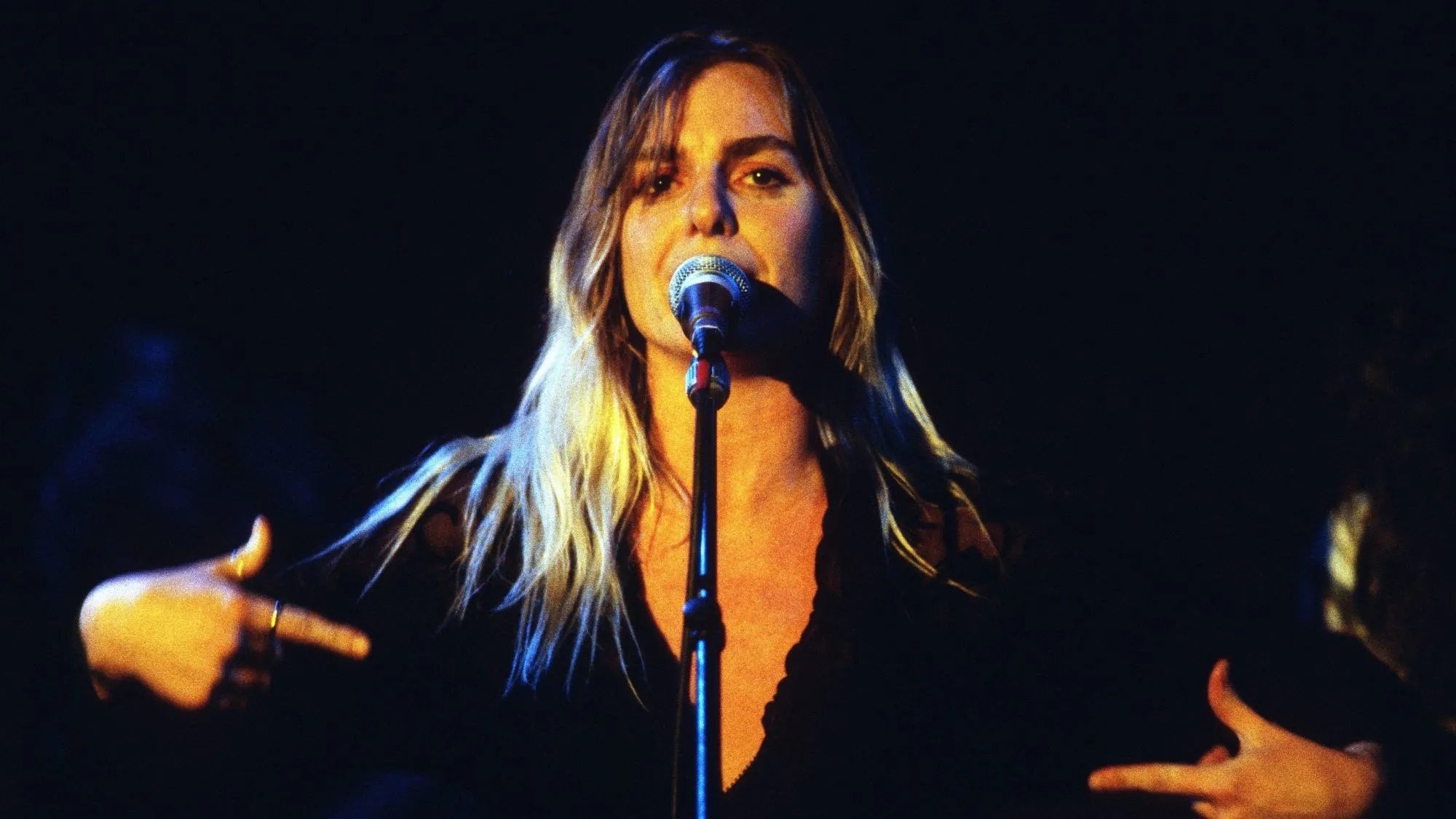
Samantha “Sam” Brown, born on October 7, 1964, in Stratford, East London, has carved out a distinctive, multifaceted space in the modern music landscape. As a blue-eyed soul and jazz vocalist, piano player, and ukulele aficionado, Brown’s musical identity stretches far beyond her iconic 1988 global smash hit, “Stop!” Over a career spanning more than four decades, she has released eight studio albums, charted eight singles in the United Kingdom, and left an indelible vocal imprint on recordings by some of rock music’s most legendary acts, including George Harrison, David Gilmour, Pink Floyd, and Deep Purple keyboardist Jon Lord. In honor of her birthday, an examination of her catalog reveals an artist defined not only by exceptional vocal range and genre versatility, but also by fierce independence and resilience in the face of profound personal and professional challenges.
A Musical Pedigree: Early Beginnings and the 1970s and 1980s Rise
Coming from an exceptionally musical household, Sam Brown was immersed in the industry from early childhood. She is the daughter of prominent rock and roll guitarist Joe Brown and session singer Vicki Brown, whose combined influence provided the young artist with both industry access and rigorous artistic standards. Rather than waiting for adulthood to begin her professional journey, Brown took her first substantial step into the recording studio at the remarkably young age of 14. She contributed backing vocals to 78 in the Shade, the final studio album by the influential pop-rock band Small Faces.
This early exposure to professional session work opened doors across the British music scene. By the time she reached her twentieth birthday, Brown had established herself as a remarkably accomplished and trusted backing and session vocalist. Her resume from these formative years included collaborations with diverse and high-profile artists such as Steve Marriott, Sade, Spandau Ballet, and Barclay James Harvest. This rigorous apprenticeship in studios across London honed her harmonic ear, stage presence, and adaptability, preparing her for the transition from supporting player to front-and-center recording artist.
In 1986, this extensive body of session work and undeniable raw talent caught the attention of A&M Records, leading to a major-label recording contract. Two years later, in 1988, Brown released her debut solo album, Stop!, establishing her as a formidable solo artist in her own right.
The Phenomenal Success of Stop! and International Chart Dominance
The release of Stop! introduced the music world to Brown’s rich, emotive vocal delivery, blending elements of blue-eyed soul, pop, and jazz. Co-written by Brown alongside Gregg Sutton and Bruce Brody, and co-produced with Pete Brown, the album’s title track quickly transcended the UK market to become an international phenomenon.
“Stop!” spent 12 consecutive weeks on the UK Singles Chart, ultimately peaking at number four and cementing Brown as a household name in her home country. However, the single’s commercial footprint extended far beyond British shores. “Stop!” achieved the number-one spot on national music charts in Belgium, Iceland, the Netherlands, and Norway. Furthermore, the track secured top-five placements across a broad swath of international markets, including Australia, Austria, Finland, France, Ireland, Luxembourg, and Switzerland.
This widespread international triumph established high expectations for Brown’s subsequent output, setting the stage for the inevitable pressures of the sophomore slump and the complex corporate negotiations that would soon follow.
Navigating Commercial Roadblocks and Artistic Integrity in the 1990s
Following the staggering multi-territory success of her debut, Brown returned to the studio to record her sophomore follow-up, April Moon, released in 1990. While the album performed respectably, it failed to replicate the massive global highs of Stop!, yielding two top-50 singles in the UK with “Kissing Gate” and “With a Little Love.”
The true turning point in Brown’s career chronology, however, arrived in 1991 as she began composing material for her third studio album, 43 Minutes. This creative period coincided with profound personal grief: her mother and former musical collaborator, Vicki Brown, was terminally ill with breast cancer. The resulting music was deeply reflective, intense, and emotionally raw.
A clash between artistic vision and corporate commercialism quickly ensued. Executives at A&M Records expressed concern that the deeply personal and uncompromising nature of 43 Minutes lacked sufficient commercial viability. The label reportedly demanded that Brown record and append a cover song with guaranteed hit potential to the tracklist before they would grant approval for the album’s release.
Remaining steadfast in her creative convictions, Brown flatly refused the label’s demands. In a 1994 interview with The Windsor Star, she articulated the philosophy that would guide her professional choices moving forward: “I made a creative decision that I’d rather have artistic fulfillment than financial success.”
Rather than compromising her artistic integrity, Brown engaged in a protracted legal and professional battle to reclaim her work. She eventually succeeded in winning the rights to the master recordings of 43 Minutes from A&M Records, subsequently issuing the project independently in 1993. Although the album did not achieve mainstream chart success due to its independent distribution and unconventional structure, retrospective analysis views it as a milestone of personal catharsis. Brown herself later reflected on the project, stating that 43 Minutes was “the first album that really represents me. It’s not directly about my mother’s death, but it is a whole piece and very fierce. It really homed in on what I thought, what death chucks up at you.”
Collaborations and High-Profile Touring with Rock Royalty
While pursuing her independent artistic path, Brown maintained a parallel career as one of the most sought-after backing vocalists in the rock genre. Her ability to blend seamlessly into complex vocal arrangements made her an invaluable asset to legacy acts seeking both technical precision and soulful depth.
Among her most notable collaborations was her work with Pink Floyd. Brown contributed backing vocals to the band’s 1994 studio album, The Division Bell, and subsequently joined the legendary group on their extensive supporting tour. Her contributions were further immortalized on Pink Floyd’s 1995 live album, Pulse. Notably, during these live performances, Brown took on the daunting task of delivering lead vocals on “The Great Gig in the Sky,” a composition historically celebrated for its demanding, wordless vocal acrobatics originally improvised by Clare Torry. Brown’s commanding interpretations earned critical praise from both die-hard fans and music critics alike.
In addition to her work with Pink Floyd, Brown’s session credits include vocal contributions for rock icons such as George Harrison, Adam Ant, and Deep Purple keyboardist Jon Lord, bridging generations of classic rock and contemporary soul.
Vocal Adversity, Adaptation, and the Return to Recording
Throughout the late 1990s and 2000s, Brown continued to release solo material, issuing three additional studio albums that showcased her songwriting maturity. However, her career took an unexpected and challenging turn when she began experiencing severe physiological difficulties with her singing voice. Despite extensive consultations with medical professionals, doctors were unable to pinpoint a single definitive medical cause for the vocal degradation that stripped her of her signature range and ability to reliably hold a note.
Faced with the potential end of her traditional vocal career, Brown demonstrated remarkable adaptability. In 2010, she channeled her musicianship into community and accessibility by founding a thriving local ukulele club, returning to her instrumental proficiency.
This period of vocal recalibration ultimately led to a triumphant return to the studio over a decade later. Utilizing modern audio technology—specifically Melodyne pitch correction software to assist her altered vocal capabilities—Brown recorded and released Number 8 in 2023. Serving as her first studio album of entirely new material in 15 years, the release was greeted as a testament to her enduring passion for music and her refusal to let physiological adversity silence her artistry.
Broader Impact and Legacy in Contemporary Music
As Sam Brown celebrates her 62nd birthday, her legacy extends far beyond the charts or the platinum plaques of the late 1980s. Her career trajectory offers a compelling case study in the dichotomies of the music industry: the dizzying heights of international pop stardom balanced against the grounding necessity of artistic authenticity.
By prioritizing creative control over commercial formulas during her dispute with A&M Records in the early 1990s, Brown established a precedent for independent artistry that predated the modern digital DIY era. Furthermore, her seamless navigation of dual career paths—as a chart-topping solo artist and an elite session harmonist for acts like Pink Floyd and George Harrison—underscores her rare versatility.
Today, whether performing with her community ukulele ensemble, revisiting her rich catalog, or reflecting on a life dedicated to sound, Sam Brown remains an enduring figure in British music history. Her journey stands as a powerful reminder that true musicianship resides not merely in commercial metrics, but in resilience, reinvention, and an unwavering commitment to personal truth.