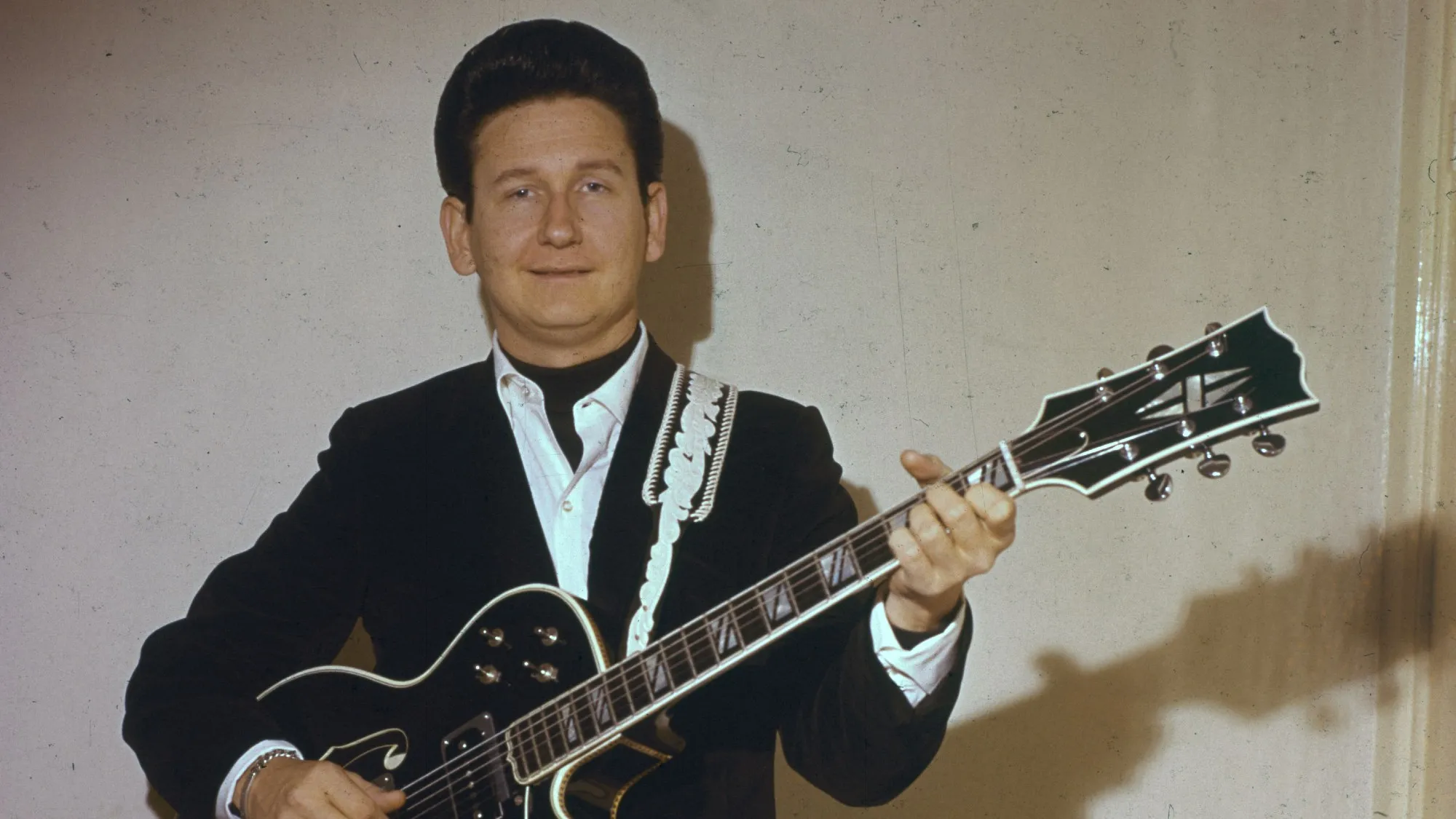

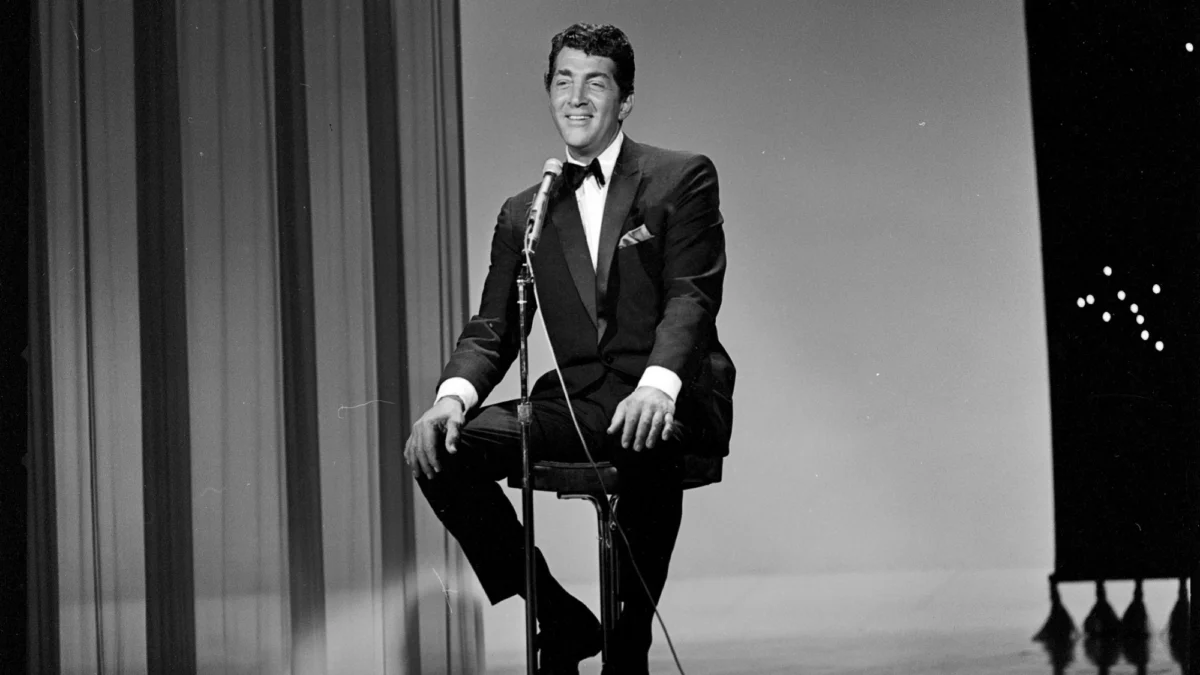
The year 1964 stands as one of the most transformative, culturally seismic periods in the history of recorded music. It was a twelve-month span dominated by the British Invasion, the shifting tides of American youth culture, and the rapid evolution of both pop and soul formats. Amidst the global phenomenon of Beatlemania and the burgeoning Motown sound, the Billboard charts were inundated with enduring Top 40 hits that would go on to define a generation. Decades after their initial release, certain melodies from that pivotal year remain deeply embedded in the public consciousness, instantly recognizable to anyone who grew up during the vibrant cultural landscape of the 1960s. Among the vast catalog of singles that shaped the era, three tracks in particular—Dean Martin’s "The Door Is Still Open To My Heart," The Four Tops’ "Baby I Need Your Loving," and Terry Stafford’s "Suspicion"—capture the diverse musical currents of 1964, reflecting a rich tapestry of traditional pop, emerging Detroit soul, and rock-infused crossover appeal.
The Musical Landscape of 1964: A Period of Transition
To understand the cultural resonance of the music released in 1964, one must examine the broader socio-musical environment of the mid-1960s. The American music industry was undergoing a radical restructuring. In February 1964, The Beatles made their legendary appearance on The Ed Sullivan Show, fundamentally altering domestic radio play and commercial priorities. Simultaneously, independent labels and powerhouse operations like Motown Records were constructing sophisticated production pipelines that would permanently alter the sound of American popular music.
Amidst this fierce competition for chart supremacy, established traditional pop crooners, newly formed vocal groups, and enterprising rock-and-roll upstarts all vied for space on the Billboard Hot 100. The resulting charts were a fascinating juxtaposition of old-school vocal elegance and youthful, high-energy rhythm and blues. The three aforementioned songs—released during this crucible of change—demonstrate the wide spectrum of stylistic choices available to listeners, each achieving remarkable commercial success and leaving an indelible mark on the sonic identity of the decade.
The Crooner’s Resurgence: Dean Martin and The Door Is Still Open To My Heart
By 1964, veteran entertainer Dean Martin had already cemented his status as a legendary fixture of American entertainment, renowned both for his tenure alongside Jerry Lewis and his membership in the iconic Rat Pack. However, the mid-1960s presented a commercial challenge for traditional pop artists as rock and roll steadily dominated youth culture. Martin’s career received a monumental revitalization when he released "Everybody Loves Somebody," a track that captured the top spot on the Billboard charts and snapped a six-year drought of No. 1 hits for the singer, following his previous chart-topper, "Volare," in 1958.
Riding the immense momentum of that chart-topping success, Martin released "The Door Is Still Open To My Heart" later that same year. Serving as the title track for his contemporary album release, the song was penned solely by acclaimed rhythm-and-blues songwriter Chuck Willis. Musically and lyrically, the composition explores the universal anguish of heartbreak and the lingering hope of reconciliation following the dissolution of a romantic partnership. The song’s melancholic introduction sets a deeply introspective tone, with Martin crooning the poignant lines: "The door is still open to my heart / I must confess that I cry from loneliness / And the door is still open to my heart."
Despite Martin’s definitive interpretation, "The Door Is Still Open To My Heart" had a complex genealogical history within the recording industry prior to 1964. The song had been previously recorded and issued by several notable acts, including The Cardinals, Don Cornell, and The Hilltoppers. However, it was Martin’s polished, effortlessly smooth vocal delivery, backed by lush orchestration, that elevated the composition to new commercial heights. Music historians and industry analysts note that Martin’s 1964 rendition remains the definitive and most successful version of the track, proving that traditional pop stylists could still command massive audiences and secure prominent radio rotation during the height of the British Invasion.
The Birth of a Motown Legend: The Four Tops and Baby I Need Your Loving
While traditional pop found a comfortable home on the charts via veteran performers, Detroit’s Motown Records was busy constructing an entirely new paradigm for popular music under the visionary leadership of Berry Gordy. Among the label’s foundational roster were The Four Tops, a vocal quartet whose sophisticated harmonies and dynamic stage presence would eventually earn them a rightful place in the Rock and Roll Hall of Fame. In 1964, the group unveiled their debut, self-titled studio album, Four Tops, anchored by their breakthrough lead single, "Baby I Need Your Loving."
Written and produced by Motown’s legendary internal songwriting and production powerhouse, the trio of Lamont Dozier, Brian Holland, and Eddie Holland (collectively known as Holland-Dozier-Holland), "Baby I Need Your Loving" introduced listeners to the group’s distinct vocal architecture, featuring Levi Stubbs’ gravelly, emotionally urgent lead vocals juxtaposed against smooth, soaring background harmonies. The track’s infectious chorus—featuring the repeated, impassioned plea, "Baby, I need your lovin’ / Got to have all your lovin’ / Baby, I need your lovin’ / Got to have all your lovin’"—struck an immediate chord with consumers, propelling the single firmly into the Top 20 of the Billboard charts.
The release of "Baby I Need Your Loving" marked the critical first chapter in a sustained run of chart dominance for The Four Tops. Just one year later, in 1965, the group secured their first career No. 1 single with "I Can’t Help Myself (Sugar Pie Honey Bunch)." The profound cultural and structural influence of these mid-1960s Motown releases extended far beyond immediate sales figures; musicologists have frequently cited the rhythmic and emotional cadence of tracks like "I Can’t Help Myself" as a direct artistic inspiration for subsequent blue-eyed soul milestones, such as The Righteous Brothers’ monumental hit "You’ve Lost That Lovin’ Feelin’." Furthermore, the Four Tops debut LP featured "Ask The Lonely," which quickly established itself as the group’s first R&B Top 10 single, cementing their dual appeal across both pop and rhythm-and-blues demographics.
Rock and Roll crossover: Terry Stafford and Suspicion
The dynamic musical ecosystem of 1964 also made room for unexpected breakout stars and cross-genre interpretations. Among the most notable success stories of that year was singer Terry Stafford, whose debut single, "Suspicion," captured the imagination of the American listening public and became a defining radio staple of the mid-sixties. Released on the Crusader label, "Suspicion" served as the anchor track for Stafford’s inaugural full-length studio release, Suspicion!.
Penned by the legendary songwriting partnership of Doc Pomus and Mort Shuman—two of the most prolific and celebrated tunesmiths of the Brill Building era—"Suspicion" explored the agonizing psychological terrain of paranoia and mistrust within an intimate partnership. The song’s thematic fixation on unfaithfulness and emotional torture was encapsulated in its memorable chorus: "Suspicion / Torments my heart / Suspicion / Keeps us apart / Suspicion / Why torture me?" Stafford’s vocal delivery bore a striking, deliberate resemblance to Elvis Presley, a stylistic choice that initially led many casual radio listeners to mistake the recording for a lost track by the King of Rock and Roll.
The historical trajectory of "Suspicion" offers a fascinating case study in mid-century song placement and cross-generational appeal. The composition was not a brand-new work in 1964; it had originally been recorded by Elvis Presley several years earlier as an album track on his landmark 1962 release, Pot Luck. However, Presley’s management and record label had not selected the track as a commercial single, leaving the door open for Stafford to capitalize on its undeniable commercial potential. Stafford’s rearranged, rock-infused single rocketed up the charts, becoming his biggest career hit and establishing his legacy in pop history. The song’s enduring appeal was further demonstrated decades later in 1988, when country music artist Ronnie McDowell successfully revived the composition, turning it into a Top 30 hit on the country charts and proving the timeless viability of the Pomus-Shuman creation.
Chronological Timeline of Key 1964 Musical Milestones
To fully appreciate how these tracks intersected within the broader timeline of popular culture, it is necessary to chart their progression alongside concurrent industry events of 1964:
- February 1964: The Beatles appear on The Ed Sullivan Show, sparking the British Invasion and permanently shifting the commercial priorities of American radio and record labels.
- Spring 1964: Dean Martin releases "Everybody Loves Somebody," returning to the top of the Billboard Hot 100 for the first time since 1958 and paving the way for his later releases that year.
- Mid-1964: Terry Stafford releases his debut single, "Suspicion," which climbs the charts and establishes his career through its stylistic homage to Elvis Presley.
- Summer 1964: The Four Tops release their debut single, "Baby I Need Your Loving," written and produced by Holland-Dozier-Holland, marking the group’s entry into the national consciousness.
- Fall 1964: Dean Martin issues "The Door Is Still Open To My Heart," securing another major success for the veteran entertainer following earlier covers by groups like The Hilltoppers and The Cardinals.
- Late 1964 to 1965: The foundational success of 1964’s breakout singles sets the stage for Motown’s total chart dominance in 1965, highlighted by subsequent No. 1 hits from The Four Tops.
Fact-Based Analysis of Broader Industry Implications
The commercial and artistic success of these three distinct recordings—Dean Martin’s traditional pop balladry, The Four Tops’ intricate Detroit soul, and Terry Stafford’s rock-infused teen idol crossover—provides critical insight into the health and adaptability of the American music industry during a period of massive disruption. Industry analysts studying the mid-1960s frequently point to 1964 as a watershed moment where homogenization was actively resisted by consumer habits. While foreign imports dominated headlines, domestic listeners demonstrated an active appetite for a wide array of genres, ensuring that established crooners and newly minted soul groups could thrive simultaneously on the national airwaves.
Furthermore, the publishing and recording histories of "The Door Is Still Open To My Heart" and "Suspicion" underscore the collaborative and iterative nature of popular music production during the era. Songs were frequently pitched across multiple artists, labels, and genres until a specific vocal interpretation or arrangement unlocked their maximum commercial resonance. In the case of Dean Martin, a song previously recorded by several lesser-known acts was transformed into a definitive standard through star power and studio orchestration. Similarly, an album track initially cut by Elvis Presley was given a new lease on life as a breakout single for a burgeoning young artist in Terry Stafford.
Conclusion: The Lasting Legacy of 1964’s Hit Parade
Decades after their initial pressings onto vinyl and subsequent rotation on AM radio dials across the globe, the musical output of 1964 continues to be celebrated by music historians, collectors, and casual listeners alike. The enduring familiarity of tracks such as "The Door Is Still Open To My Heart," "Baby I Need Your Loving," and "Suspicion" speaks volumes about the exceptional craftsmanship of their writers, arrangers, and performers. Far from being mere relics of a bygone era, these songs represent the apex of mid-century songwriting artistry—a golden age of melody and lyricism that remains permanently etched into the cultural soundtrack of the twentieth century.