
When music historians and pop culture enthusiasts discuss the soft rock genre, the conversation almost invariably gravitates toward the 1970s. That decade was undeniably the golden age of acoustic-driven melodies, lush vocal harmonies, and introspective lyricism, dominated by artists like the Eagles, James Taylor, and Carole King. However, the cultural and sonic footprint of soft rock did not vanish with the advent of the 1980s. Instead, it underwent a metamorphosis. As musical nomenclature evolved and recording technologies shifted toward synthesizers and drum machines, the genre simply adopted new labels—ranging from adult contemporary to synth-pop—while retaining its core emotional resonance and melodic sensibility.
An examination of the 1980s music landscape reveals that soft rock was not only alive and well, but it also produced some of the most enduring, commercially successful, and inescapable earworms in recording history. Tracks released during this period continue to dominate radio airwaves, streaming playlists, and public consciousness decades later.
The Main Facts: Defining the 1980s Soft Rock Continuity
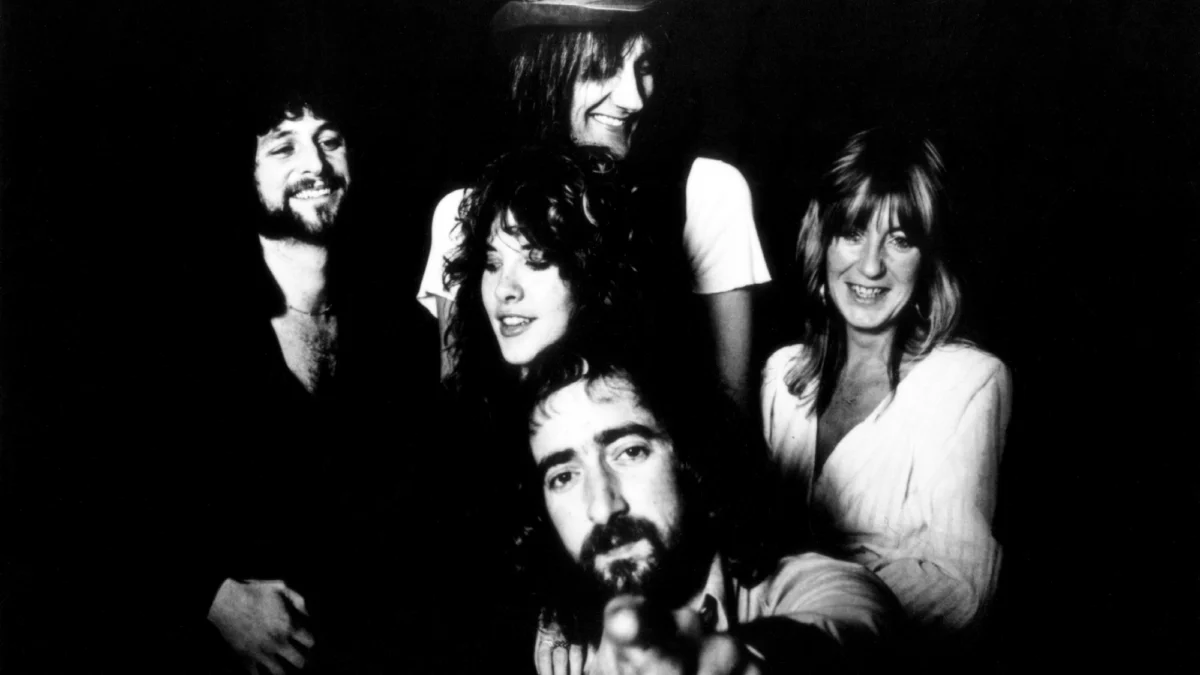
The transition from the 1970s aesthetic to the 1980s pop landscape was characterized by a fusion of traditional soft-rock songwriting with contemporary production techniques. Far from being a distinct departure, 1980s soft rock represented a natural evolution of the singer-songwriter and adult contemporary traditions. Artists who had established their careers in the previous decade—such as Fleetwood Mac, Daryl Hall & John Oates, and Michael McDonald—seamlessly integrated synthesizers, electronic percussion, and polished studio mixing into their established sounds.
Simultaneously, newer acts like TOTO and Tears For Fears incorporated soft-rock structural elements into pop and rock formats. These compositions were typically anchored by memorable hooks, sophisticated chord progressions, and themes heavily focused on interpersonal relationships, introspection, and societal observation. The enduring popularity of these tracks is evidenced by their continuous high rotation on classic hits stations and their multi-million-streaming status on digital platforms.
Chronology of a Genre Shift: From Acoustic Gold to Synthesized Smoothness
To understand how soft rock persisted through the 1980s, it is helpful to trace the chronological development of the genre across the two decades:
- 1975–1979 (The Peak Acoustic Era): Soft rock establishes itself as a dominant commercial force, characterized by Laurel Canyon singer-songwriters, pristine vocal harmonies, and organic instrumentation like acoustic guitars and electric pianos. Albums like Fleetwood Mac’s Rumours (1977) set the gold standard for relationship-driven songwriting and immaculate production.
- 1980–1982 (The Technological Turn): As synthesizers become more accessible, artists begin blending traditional soft-rock arrangements with electronic elements. Daryl Hall & John Oates release pivotal tracks that merge blue-eyed soul with crisp drum machines and synthesizer basslines, setting a new benchmark for radio-friendly pop.
- 1982–1985 (The Peak Crossover Period): Acts like TOTO and Tears For Fears bridge the gap between progressive instrumentation, soft-rock lyricism, and synth-pop. Major releases from this window redefine adult contemporary radio, proving that intricate arrangements could achieve massive global commercial success.
- 1986–1989 (The Veteran Renaissance): Established artists from 1970s supergroups, most notably Michael McDonald, leverage their industry pedigree to deliver polished, soul-infused soft rock covers and original material that dominate the adult contemporary charts, cementing the genre’s longevity.
Supporting Data and Commercial Impact
The commercial viability of 1980s soft rock is underscored by chart performance, streaming metrics, and global sales data. Tracks from this era consistently outperform expectations in longevity compared to harder, trend-driven rock genres of the same period.
For instance, TOTO’s 1982 single Africa, originally released on their fourth studio album Toto IV, achieved massive commercial success by topping the US Billboard Hot 100 in early 1983. Decades later, the track experienced a massive resurgence in the digital streaming era, driven by viral internet campaigns and nostalgic rediscovery. By the early 2020s, the song surpassed one billion streams on Spotify, illustrating a generational passing of the torch from original vinyl buyers to digital-native listeners.
Similarly, Fleetwood Mac’s 1987 release Little Lies, featured on the album Tango in the Night, reached number four on the US Billboard Hot 100 and number five on the UK Singles Chart. The track demonstrated that the internal interpersonal friction within the band—which had fueled the writing of Rumours a decade prior—could still be successfully channeled into polished, highly accessible soft-rock radio staples.
Daryl Hall & John Oates achieved unprecedented chart dominance during this period as well. Their 1981 single I Can’t Go For That (No Can Do) spent a week at number one on the Billboard Hot 100 and reached the top of the R&B chart, a rare crossover feat for a white pop-rock duo. The song’s minimalist, rhythm-box-driven arrangement became a foundational blueprint for modern pop and R&B production.
Artistic Analysis and Industry Perspectives
Musicologists and industry analysts frequently point out that the categorization of 1980s music is often constrained by marketing definitions rather than compositional realities. Tracks such as Tears For Fears’ 1985 smash Everybody Wants To Rule The World are frequently filed under the umbrella of "synth-pop" or "New Wave" due to their release date and electronic instrumentation. However, music analysts argue that the underlying structure—featuring a measured tempo, lush vocal layering, introspective lyrical themes, and a meticulously crafted melodic framework—shares more DNA with 1970s soft rock than with the aggressive punk or industrial movements of the early 1980s.
Don Henley of the Eagles famously noted the sophisticated lyricism and socio-political undertones embedded within mid-1980s pop compositions, a sentiment that directly influenced how contemporaries approached songwriting. This cross-pollination of ideas ensured that the craftsmanship of the 1970s soft-rock movement survived within the sheen of 1980s production.
Furthermore, the career trajectory of artists like Michael McDonald exemplifies the fluidity of genre boundaries during this era. Having established his reputation as a key creative force in Steely Dan and later as the unmistakable lead vocalist for The Doobie Brothers, McDonald successfully transitioned into a premier solo artist and collaborator. His work in the mid-1980s—including his interpretation of tracks originally written by contemporaries like Kenny Loggins—showcased the blue-eyed soul and smooth vocal delivery that defined the upper echelon of adult contemporary music. Industry insiders often cite McDonald’s signature vocal phrasing and keyboard arrangements as the ultimate bridge connecting the classic West Coast sound of the 1970s with the slick, commercially dominant radio formats of the 1980s.
Broader Impact and Cultural Implications
The enduring presence of 1980s soft rock in contemporary media highlights a broader psychological and cultural phenomenon: the persistent demand for comfort, melody, and emotional familiarity in popular music. In an era where modern streaming algorithms often prioritize hyper-fast genre segmentation, the timeless appeal of these tracks offers a stabilizing force across generations.
The cross-generational appeal of songs like Africa, Little Lies, and I Can’t Go For That (No Can Do) demonstrates that great songwriting transcends the technological limitations or stylistic labels of any single decade. Whether utilized in film soundtracks, television needle-drops, or modern digital remixes, these compositions continue to inform contemporary pop production.
Ultimately, the categorization of these tracks matters far less than their cultural legacy. As listeners continue to rediscover the polished arrangements and infectious hooks of the 1980s soft-rock canon, it becomes increasingly clear that the genre did not die in 1979—it merely put on a synthesizer, updated its wardrobe, and prepared to conquer the airwaves for decades to come.