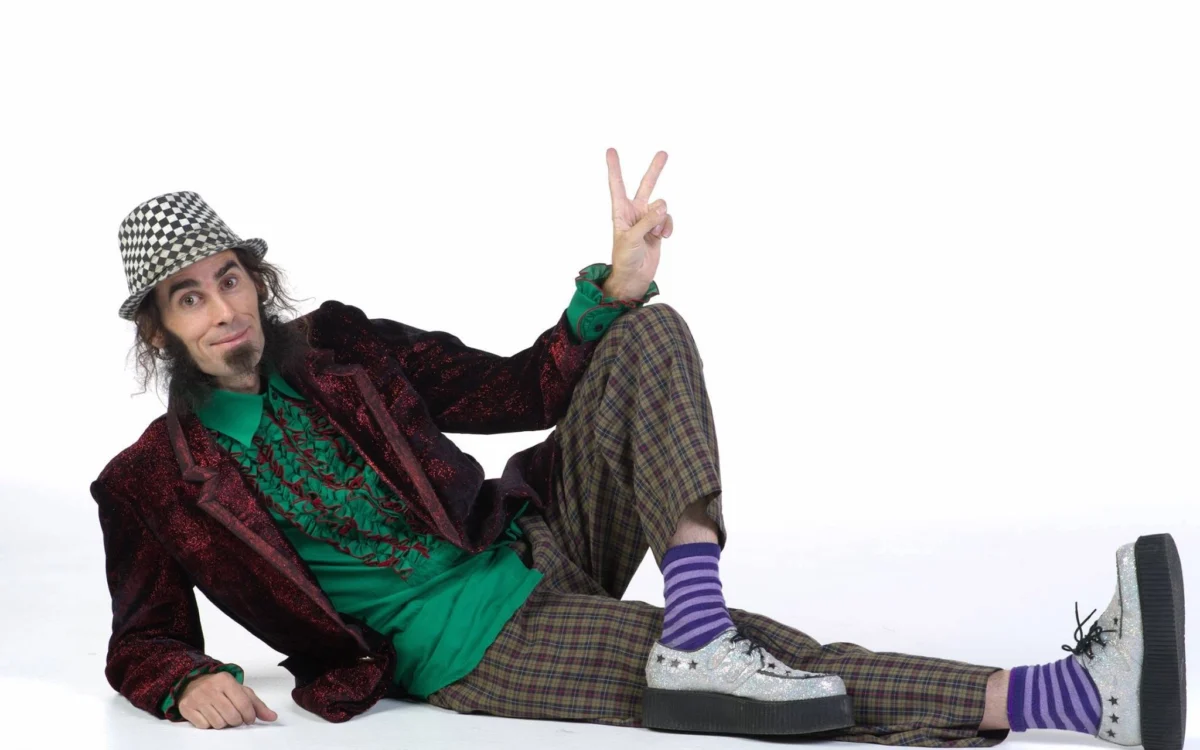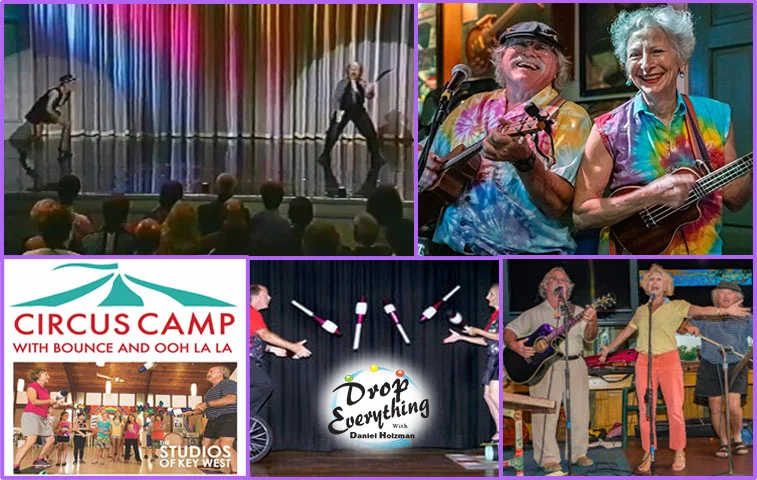

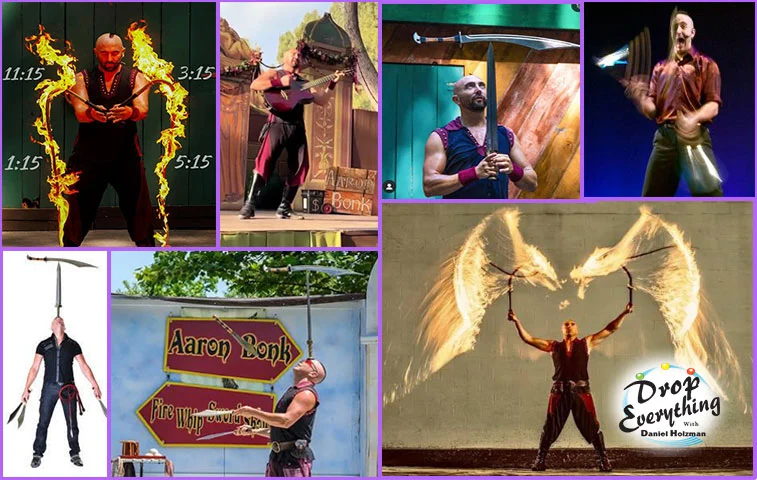
In the latest installment of the Drop Everything podcast, host Daniel Holzman welcomes renowned performer Aaron Bonk for an extensive 78-minute deep dive into the specialized world of street performance and Renaissance Faire entertainment. This episode, marked as number 152 in the series, provides a comprehensive look at the professional trajectory of a multi-disciplinary artist who has mastered the niche intersection of high-level juggling and precision whip cracking. Holzman, a veteran performer himself and a former two-time team champion with the Raspyni Brothers, facilitates a conversation that bridges the gap between traditional busking techniques and the rigorous demands of modern festival circuits.
The Evolution of the Renaissance Faire Circuit
The Renaissance Faire industry, which serves as the primary backdrop for much of Aaron Bonk’s career, has undergone significant shifts over the past three decades. Historically, these festivals were grassroots gatherings that leaned heavily on amateur enthusiasm. However, the contemporary landscape is characterized by professionalization, requiring performers to maintain a high degree of technical proficiency, insurance compliance, and marketing savvy.
Bonk’s work represents a modern evolution of the "variety act." By combining traditional juggling—which relies on physics, timing, and audience engagement—with the visceral, high-stakes nature of whip cracking, he has successfully carved out a unique position within the circuit. This transition from basic street performance to sophisticated, scripted showmanship is a hallmark of the current generation of festival entertainers. During the interview, Bonk highlights the logistical hurdles of managing a performance that involves dangerous props, strict safety protocols, and the need to maintain energy through multiple sets in high-temperature, outdoor environments.
Chronology of a Professional Performer
To understand the trajectory of a performer like Bonk, one must analyze the developmental stages typical of the craft. Most professionals in this space follow a predictable but grueling path:
- Foundational Training (The Early Years): This period is defined by the acquisition of technical skills, often in isolation. For many, this includes joining regional juggling clubs or local theater groups.
- Busking and Street Performance: This is the "proving ground" where performers learn to "gather a crowd." Without the safety net of a festival stage, performers must rely on personality and skill to halt foot traffic and hold attention.
- Circuit Entry: Following successful street performances, artists often audition for established Renaissance Faires. This stage requires mastering the "theatrical persona" consistent with the historical or fantasy themes of the event.
- Specialization: As seen with Bonk, the transition to adding high-skill, niche talents—such as fire manipulation or whip cracking—allows performers to command higher fees and secure headlining slots at major national festivals.
Technical Proficiency and Safety Standards
One of the central themes discussed by Holzman and Bonk is the inherent danger involved in professional whip cracking. Unlike standard juggling, which carries a risk of dropped objects, whip cracking involves high-velocity kinetic energy that can cause significant injury if mishandled.

Modern performers must adhere to stringent liability standards. This includes maintaining specialized insurance policies, conducting pre-show safety inspections of the performance space, and managing the "crowd line"—the distance maintained between the performer and the audience. Holzman notes that the industry has shifted away from the "anything goes" attitude of the 1980s and 90s toward a more corporate, risk-averse model that favors polished, predictable, and safe outcomes.
Data and Trends in the Variety Arts Industry
The variety arts sector, which includes jugglers, magicians, and whip artists, has seen a rebound following the global disruptions of the early 2020s. According to industry trend reports, the demand for "live interactive entertainment" at outdoor venues has reached pre-pandemic levels. The Renaissance Faire market specifically generates hundreds of millions of dollars annually in the United States, with a significant portion of ticket revenue being reinvested into "gate entertainment"—the live acts that populate the streets and stages of these festivals.
Economic analysts suggest that the rise of digital entertainment has paradoxically increased the value of live, "un-digitized" experiences. Audiences are increasingly willing to pay a premium for performances that cannot be replicated via screen, such as the tactile, real-time danger and skill showcased by artists like Bonk.
The Raspyni Brothers Influence
Host Daniel Holzman brings a unique perspective to the interview due to his own history in the industry. As a former two-time team champion and a veteran of 34 years in the business, Holzman’s involvement in the podcast provides a level of insider credibility that is rarely found in general entertainment media.
The Raspyni Brothers, with whom Holzman built his reputation, were instrumental in elevating the standards of professional juggling through tight choreography and high-speed delivery. This influence is evident in the questions Holzman poses to Bonk, which often center on the "mechanics of the laugh" and the "pacing of the set." These are not merely artistic concerns; they are professional strategies designed to ensure maximum audience retention and consistent re-hiring by festival management.
Implications for Future Performers
The conversation between Holzman and Bonk serves as a roadmap for aspiring performers entering the industry today. The takeaway for the next generation is clear: talent is the baseline, not the destination. To achieve longevity, a performer must also become a business entity. This involves:

- Diversification of Skills: Relying on a single discipline is rarely sustainable in a competitive market.
- Professionalism: The ability to work within the rigid structures of large-scale festivals is just as important as the ability to perform the act itself.
- Networking: The "circuit" is a small community. Reputation management, reliability, and the ability to collaborate with other performers are essential for securing recurring work.
Official Perspectives on the Craft
While there is no governing body for Renaissance Faire performers, there are loose associations and guilds that advocate for professional standards. These organizations emphasize that the "street performer" of the 21st century is, in fact, a small business owner. Discussions regarding wage transparency, working conditions, and the need for standardized safety training continue to be a primary focus of industry gatherings.
Bonk’s career trajectory, as discussed in the podcast, confirms that the most successful performers are those who treat their craft with the rigor of an athlete and the administrative focus of an entrepreneur. By leveraging the specific demands of the Renaissance Faire circuit, performers have created a sustainable career path that bridges historical reenactment with modern variety arts.
Conclusion: The Value of Longevity
As the Drop Everything podcast continues to document the lives of these artists, the interview with Aaron Bonk stands as a testament to the endurance of live performance. Despite the digital age, the fundamental human desire to witness physical feats in real-time remains a powerful economic driver.
Daniel Holzman’s commitment to capturing these stories provides an invaluable archive for the juggling community. As Bonk continues his work on the festival circuit, his experience serves as a case study in how to navigate the complex, often unpredictable world of professional entertainment. For those interested in the technical, logistical, and artistic nuances of the craft, Episode 152 offers an essential look at a performer who has successfully mastered the art of "dropping everything" to pursue a career defined by skill, discipline, and the pursuit of the perfect show.