
The year 1972 stands as a watershed moment in the evolution of American popular music, marking a transition from the experimental psychedelia of the late 1960s to a more polished, production-heavy era of soft rock, soul, and sophisticated pop. During this period, the Billboard Hot 100 reflected a diverse cultural palate, where gospel-infused anthems shared airwaves with maritime narratives and orchestral pop. Analysis of the chart-toppers from this era reveals not only the technical shifts in recording studio practices but also the shifting demographics of the American listening public, particularly the "Baby Boomer" generation, which was then entering young adulthood. Among the myriad of hits that defined the year, four specific tracks—"Brandy (You’re a Fine Girl)," "I’ll Take You There," "Song Sung Blue," and "Everybody Plays the Fool"—illustrate the varied sonic textures and songwriting prowess that have allowed the music of 1972 to retain its relevance more than half a century later.
The Cultural and Industry Landscape of 1972
To understand the success of these four tracks, one must consider the environment of the early 1970s. The music industry was undergoing a period of massive consolidation and technological advancement. High-fidelity FM radio was beginning to challenge the dominance of AM "Top 40" stations, leading to a demand for better-produced, more "ear-friendly" tracks. Simultaneously, the United States was grappling with the winding down of the Vietnam War and the burgeoning Watergate scandal, creating a social climate where listeners gravitated toward both escapist storytelling and soulful, uplifting messages.
The "Year of the Singer-Songwriter" is often a label applied to 1971 and 1972, as artists like Carole King, James Taylor, and Neil Diamond moved to the forefront. However, 1972 was also the year where the "Stax Sound" and the "Jersey Shore Sound" began to coalesce into a mainstream pop-rock identity. The four songs highlighted here represent a cross-section of these movements, proving that the 1972 charts were a meritocracy of melody and production value.
Brandy (You’re a Fine Girl): A Narrative Masterpiece in Soft Rock
Released in May 1972, "Brandy (You’re a Fine Girl)" by the band Looking Glass serves as one of the most enduring examples of the "story-song" genre. Written by lead guitarist Elliot Lurie, the track reached the No. 1 spot on the Billboard Hot 100 on August 26, 1972. The song’s narrative—revolving around a barmaid in a busy seaport who remains loyal to a sailor who has chosen the sea over her—captured the public’s imagination through its vivid imagery and bittersweet sentimentality.
From a technical standpoint, the song is a masterclass in early 70s production. It features a distinctive brass arrangement and a walking bassline that provides a sense of perpetual motion, mirroring the maritime theme. Industry data indicates that the song’s success was bolstered by its heavy rotation on both AM and FM formats, a rarity for the time. Interestingly, the song’s influence extended beyond the charts; legend has it that Barry Manilow changed the title of his 1974 hit "Mandy" from its original title "Brandy" to avoid confusion with the Looking Glass classic.
The song’s legacy has seen a significant resurgence in the 21st century. Its inclusion in the 2017 Marvel Studios film Guardians of the Galaxy Vol. 2 introduced the track to a new generation of listeners. Following the film’s release, streaming data for the song spiked by several hundred percent, proving that its core themes of longing and professional dedication remain universal.
I’ll Take You There: The Crossover of Gospel and Soul
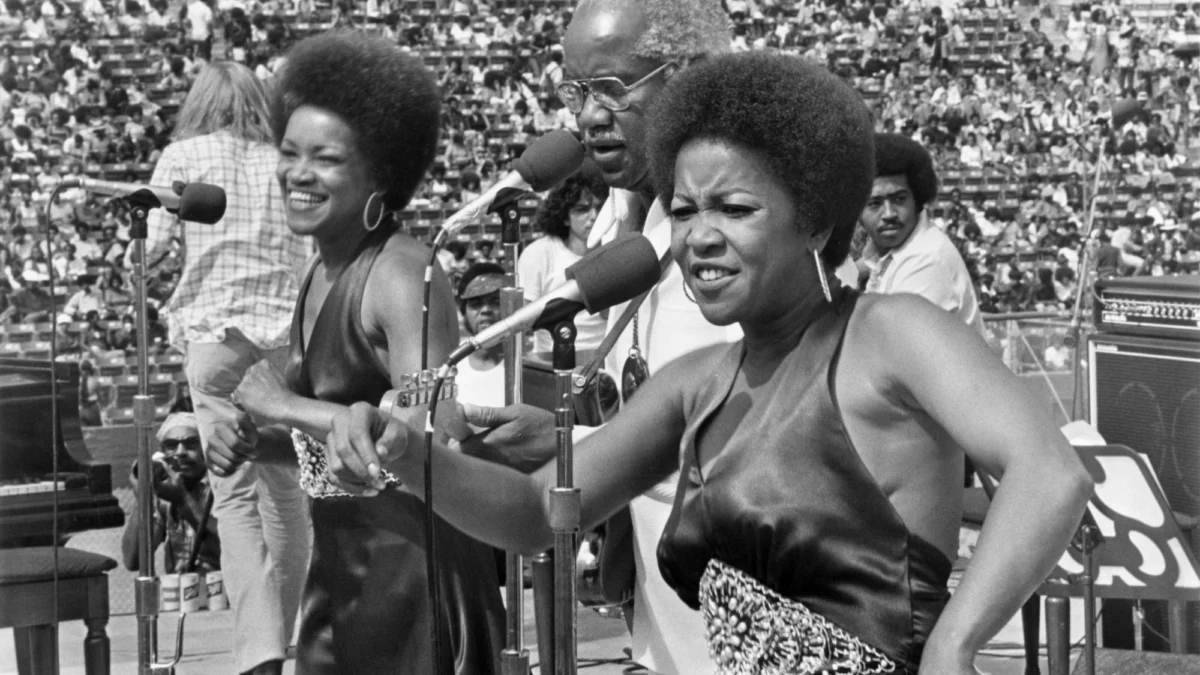
While Looking Glass dominated the soft rock space, The Staple Singers were redefining the boundaries of gospel music. "I’ll Take You There," released in February 1972 as part of the album Be Altitude: Respect Yourself, represents a pivotal moment where sacred music met secular success. The track reached No. 1 on the Billboard Hot 100 on June 3, 1972, and spent four weeks atop the R&B charts.
Produced by Al Bell and recorded at the legendary Muscle Shoals Sound Studio in Alabama, the song is built upon a foundation of "The Liquidator," a 1969 reggae instrumental by Harry J. All Stars. This infusion of Caribbean rhythm into American gospel-soul was revolutionary. Mavis Staples’ lead vocals, characterized by their gravelly depth and emotive power, transformed the song into a universal anthem of hope.
The historical context of "I’ll Take You There" cannot be overstated. In 1972, the Civil Rights Movement was transitioning into a new phase of political and economic advocacy. The Staple Singers, who had been close associates of Dr. Martin Luther King Jr., utilized the pop charts as a platform for social cohesion. The song’s lyrics describe a place where "ain’t nobody crying" and "ain’t no smiling faces lying," which resonated deeply with a public weary of political turmoil. Today, it remains one of the most commercially successful gospel-influenced tracks in history, frequently cited by musicologists as a bridge between the spirituals of the past and the funk of the future.
Song Sung Blue: Neil Diamond’s Universal Hook
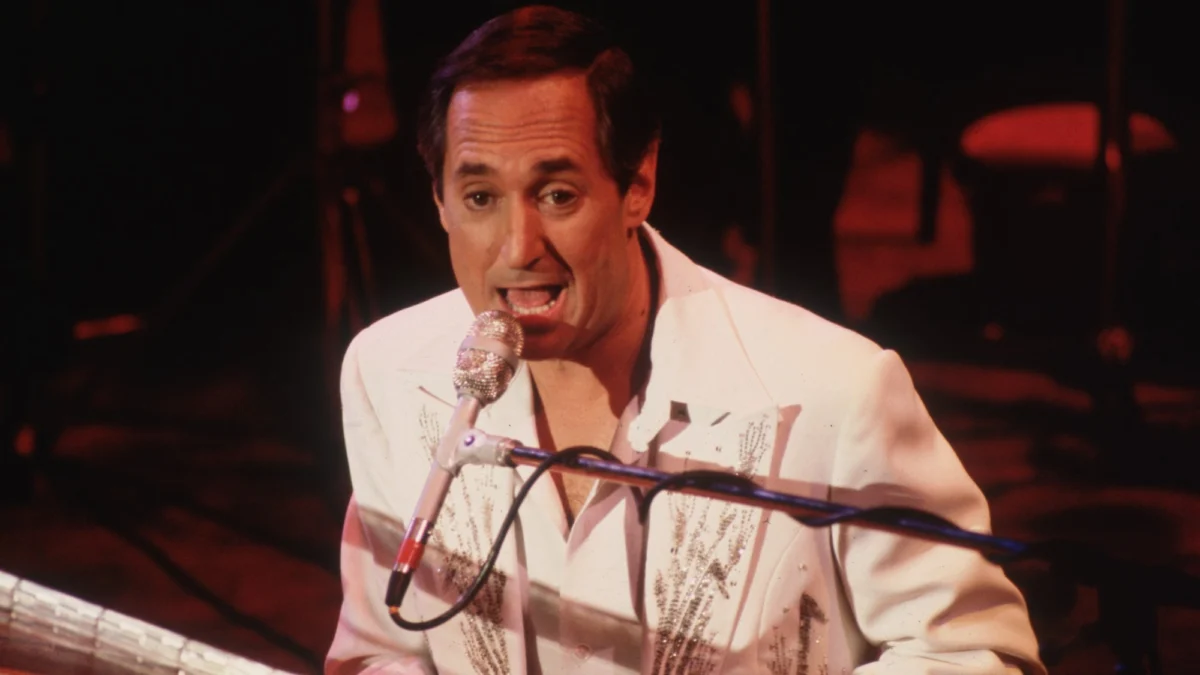
By 1972, Neil Diamond was already a household name, but "Song Sung Blue" solidified his status as a titan of adult contemporary pop. Released as the lead single from his album Moods, the song reached No. 1 on the Hot 100 on July 1, 1972. Diamond has frequently stated in interviews that the song was inspired by the second movement of Mozart’s Piano Concerto No. 21, showcasing his ability to translate classical sensibilities into accessible pop hooks.
The song’s brilliance lies in its simplicity. With a basic "call and response" structure and an arrangement that emphasizes acoustic guitar and light percussion, Diamond created a track that encouraged audience participation. This was a calculated move that became a staple of his legendary live performances.
Industry analysts point to "Song Sung Blue" as a key driver for the success of the Moods album, which received a Grammy nomination for Album of the Year. The song itself was nominated for Record of the Year and Song of the Year. Its success demonstrated that despite the rise of harder rock and experimental sounds, there was a massive market for sincere, melodic songwriting that addressed the "blues" with a sense of communal resilience.
Everybody Plays the Fool: The Resilience of The Main Ingredient
The final entry in this quartet of 1972 hits is "Everybody Plays the Fool" by The Main Ingredient. Peaking at No. 3 on the Billboard Hot 100, the song was the group’s most significant commercial achievement and earned a Grammy nomination for Best R&B Song. However, the story behind the track is one of tragedy and professional perseverance.
The Main Ingredient had been thrown into turmoil following the death of their original lead singer, Donald McPherson, due to leukemia in 1971. Cuba Gooding Sr. (father of the Oscar-winning actor) stepped in as the new lead vocalist, and "Everybody Plays the Fool" became his debut showcase. The song’s sophisticated soul arrangement, characterized by its "sweet" strings and Gooding’s smooth delivery, epitomized the "New York Soul" sound that was competing with the more aggressive Motown and Stax styles.
The song’s lyrical premise—that heartbreak is a universal human experience and that "there’s no exception to the rule"—struck a chord with a broad demographic. It bridged the gap between R&B and pop audiences, a feat that helped the group maintain a career for decades. The track’s enduring popularity is evidenced by its frequent use in film soundtracks and its cover by Aaron Neville in 1991, which also became a Top 10 hit, proving the timelessness of the original 1972 composition.
Chronology of the 1972 Billboard Success
The progression of these songs through the 1972 calendar year illustrates the competitive nature of the music industry at the time.
- February – April 1972: "I’ll Take You There" begins its ascent, gaining traction on R&B stations before crossing over to Top 40.
- May – June 1972: Neil Diamond’s "Song Sung Blue" and The Staple Singers’ hit dominate the early summer airwaves. "I’ll Take You There" hits No. 1 in June.
- July 1972: "Song Sung Blue" reaches the summit of the charts, providing a mid-summer anthem for the adult contemporary market.
- August 1972: "Brandy (You’re a Fine Girl)" concludes its slow build, hitting No. 1 in late August, perfectly capturing the end-of-summer coastal mood.
- September – October 1972: "Everybody Plays the Fool" reaches its peak at No. 3, maintaining a presence on the charts well into the autumn months.
This timeline shows a year that was remarkably balanced, with different genres taking turns at the top of the cultural zeitgeist.
Broader Impact and Industry Implications
The lasting impact of these four songs extends beyond mere nostalgia. They represent a period when the "single" was the primary unit of musical currency, yet artists were beginning to craft albums with cohesive themes and high-end production values. The success of these tracks paved the way for the "Yacht Rock" and "Disco" eras that would follow later in the decade.
Furthermore, these songs have become foundational elements of the "Oldies" and "Classic Hits" radio formats. For the Baby Boomer generation, these tracks are more than just music; they are temporal markers of a specific stage in American history. From a business perspective, the publishing rights for these songs remain incredibly valuable assets, as they are consistently licensed for commercials, films, and television shows, providing a steady stream of revenue for the estates and songwriters involved.
In conclusion, the hits of 1972—represented by the narrative charm of Looking Glass, the spiritual soul of The Staple Singers, the melodic simplicity of Neil Diamond, and the sophisticated R&B of The Main Ingredient—demonstrate the high bar for quality that defined the era. These songs did not just top the charts; they integrated themselves into the fabric of American culture, ensuring that fifty years later, they are still known by heart.