
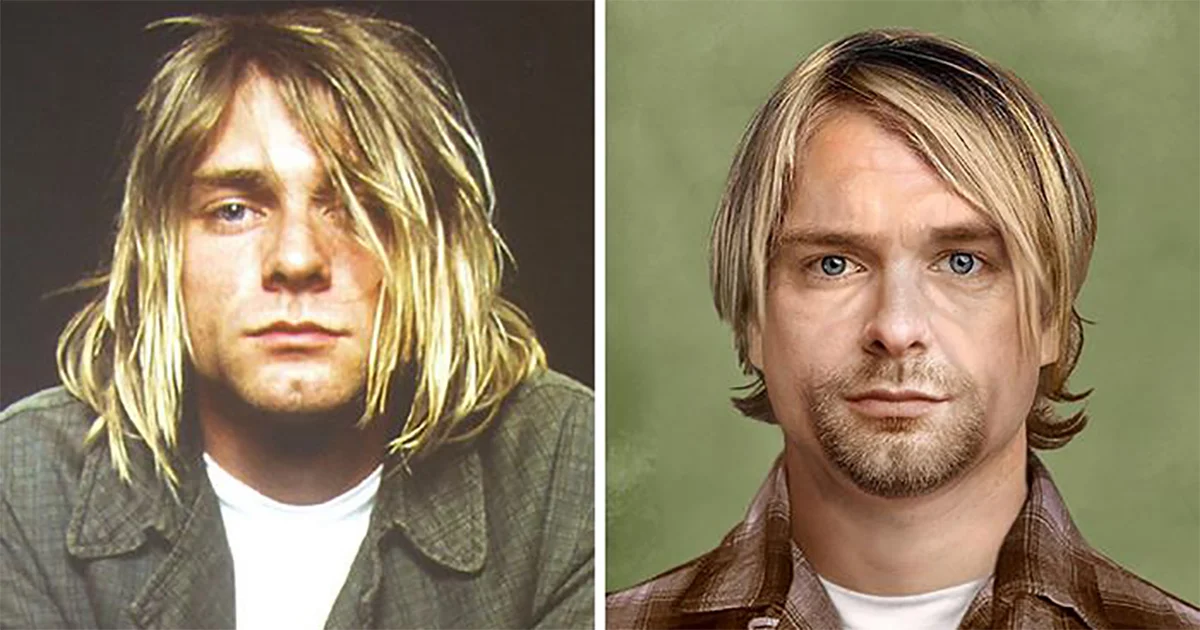
The intersection of digital technology, artificial intelligence, and pop culture nostalgia has increasingly blurred the lines between past and present, offering audiences unprecedented ways to visualize counterfactual histories. A notable project spearheaded by the Sachs Media Group in collaboration with the photo restoration and manipulation specialists at Phojoe has reignited public fascination with the concept of aging gracefully in the public eye. By utilizing advanced digital imaging techniques, the partnership generated a comprehensive visual gallery depicting iconic musicians who died prematurely as they might have appeared had they lived to old age. This provocative visual study touches upon profound themes of mortality, the eternal youth of rock and roll, and the ethical implications of digitally altering the likenesses of deceased cultural figures.
The Genesis and Execution of the Project
The initiative, publicly released to widespread media attention, brought together the strategic communications expertise of Sachs Media Group and the technical restoration capabilities of Phojoe. The primary objective was to construct realistic portraits of legendary artists whose lives were cut short at the height of their creative output. Featured in the speculative gallery are some of the most influential figures in twentieth-century music history, including Elvis Presley, John Lennon, Jimi Hendrix, Janis Joplin, Jim Morrison, Robert Johnson, and Kurt Cobain, among others.
To achieve a convincing aesthetic, the digital artists at Phojoe conducted rigorous chronological research into each subject. The process involved analyzing bone structure from younger photographs, studying the natural aging patterns of biological relatives, and factoring in lifestyle elements—such as stress, environmental factors, and historical health records—that typically influence physical aging. The resulting portraits do not merely apply generic wrinkles to youthful faces; rather, they present nuanced, highly detailed projections of mature individuals in their seventies, eighties, and beyond, complete with greying hair, weathered skin lines, and the distinct gravity of lived experience.
Chronology of Rock Tragedies: The Lives Behind the Portraits
To understand the cultural weight of the Sachs Media and Phojoe project, it is essential to examine the timelines of the artists featured. The premature deaths of these musicians not only devastated the global music community but also crystallized their images as eternally young rebels, martyrs of the counterculture, and romanticized figures of unfulfilled potential.
The chronology of these losses spans several decades of modern music history:
- 1938: Robert Johnson died at the age of 27, leaving behind a foundational body of Delta blues recordings that would influence generations of rock musicians.
- 1970: Jimi Hendrix passed away at 27 in London, followed shortly by Janis Joplin at the same age, marking a devastating blow to the psychedelic rock and blues movements.
- 1971: Jim Morrison, the charismatic frontman of The Doors, died in Paris at the age of 27, cementing the phenomenon of the so-called "27 Club."
- 1977: Elvis Presley, the King of Rock and Roll, died at his Graceland estate at the age of 42, following years of declining health and substance dependency.
- 1980: John Lennon was tragically murdered outside his Manhattan apartment at the age of 40, abruptly halting a celebrated post-Beatles solo career and a dedicated life of peace activism.
- 1994: Kurt Cobain, the voice of the grunge movement and frontman of Nirvana, died by suicide at the age of 27, ending an era of alternative rock dominance.
By visualizing these artists at advanced ages, the project forces a departure from the eternal youth that defined their public legacies, substituting it with the sobering reality of advanced seniority.
Data, Demographics, and the "27 Club" Phenomenon
The fascination with prematurely deceased musicians is supported by extensive sociological and demographic data regarding mortality within the entertainment industry. A widely cited 2011 study published in the British Medical Journal examined the life expectancy of rock and pop stars, confirming that successful musicians face a significantly higher risk of premature death compared to the general population, even when controlling for age and socioeconomic background. The study highlighted substance abuse, accidental overdoses, homicides, and suicide as leading causes of mortality among musicians who achieved fame before the age of 30.

The statistical clustering of deaths at age 27—popularized as the "27 Club"—has long captivated researchers, biographers, and fans alike. While statistical analysis shows that musicians do not actually die at age 27 at a higher rate than any other age between 20 and 30, the cultural mythology surrounding the number remains potent. Projects like the Sachs Media and Phojoe gallery tap directly into this mythology, offering a visual counter-narrative to the tragic inevitability implied by early deaths. Instead of freezing these artists in amber at the moment of their demise, the digital manipulation project imagines resilient survival, longevity, and the quiet dignity of old age.
Public Reactions and Critical Discourse
The release of the aging gallery elicited a complex mixture of awe, discomfort, and philosophical debate across media platforms and academic circles. Cultural critics pointed out that visualizing deceased celebrities as seniors forces viewers to confront the raw reality of aging, which Western pop culture often attempts to mask.
Supporters of the project argued that the images serve as a poignant tribute to what could have been, allowing fans to imagine a world where their musical heroes continued to create, age gracefully, and perhaps collaborate with younger generations. Proponents emphasized the technical mastery required to produce such realistic extrapolations, noting that the images humanize figures who have otherwise ascended into the realm of untouchable myth.
Conversely, the project also drew ethical criticisms. Relatives and estates of deceased artists have historically maintained varying degrees of control over their likenesses, and the digital alteration of a person’s facial features post-mortem raises distinct questions regarding consent, digital privacy, and the commodification of grief. Detractors argued that generating speculative portraits of real people without their direct consent—even when executed respectfully—can feel invasive, blurring the boundaries between artistic expression and speculative exploitation. Furthermore, some fans expressed emotional dissonance upon viewing the images, finding it difficult to reconcile the youthful, vibrant rock icons of their youth with the elderly faces staring back from the screen.
Broader Implications for Media, Technology, and Copyright
Beyond the realm of music fandom, the Sachs Media and Phojoe collaboration touches upon broader technological and legal implications that are increasingly relevant in the era of artificial intelligence and deepfake media. As digital manipulation tools become more sophisticated, the ability to synthesize realistic images, voices, and video of living and deceased individuals has expanded exponentially.
This technological evolution presents significant challenges for copyright law, the right of publicity, and estate management. While historical photo restoration has long been used in museums and genealogical research, generative AI and advanced photo manipulation enable the creation of entirely new, highly persuasive visual narratives that never occurred in reality. Legal scholars note that current regulations regarding the post-mortem right of publicity vary widely by jurisdiction, leaving many estates ill-equipped to manage unauthorized digital depictions of their departed loved ones.
Moreover, the project highlights a shift in how society interacts with historical memory. As digital archives grow and restoration technologies improve, history is no longer viewed as a static record of fixed events and archival photographs, but as a malleable medium subject to continuous interpretation, recreation, and visual speculation.
Conclusion
The digital photo gallery depicting aged rock legends stands as a fascinating case study at the crossroads of technology, art, and popular psychology. By forcing audiences to imagine Elvis Presley, John Lennon, Jimi Hendrix, and their peers navigating the physical realities of old age, the collaboration between Sachs Media Group and Phojoe transcends a mere novelty exercise. It challenges our cultural fixation on youth, highlights the fragility of life within the entertainment industry, and foreshadows the complex ethical and legal questions that will continue to accompany the advancement of digital imaging technology in the twenty-first century.