
The international performance community is mourning the loss of Sean Goodfellow, the Australian-born entertainer known globally to millions of spectators and fellow performers as Jolly Goodfellow, or simply “Rumpel.” A singular figure in the world of variety arts, Goodfellow passed away in Los Angeles following a protracted illness, leaving behind a legacy that transformed the definition of street performance and artistic commitment. His career, which spanned three decades and reached across 50 nations, established him as one of the most recognizable and dedicated buskers in modern history.

A Career Defined by Unyielding Performance Art
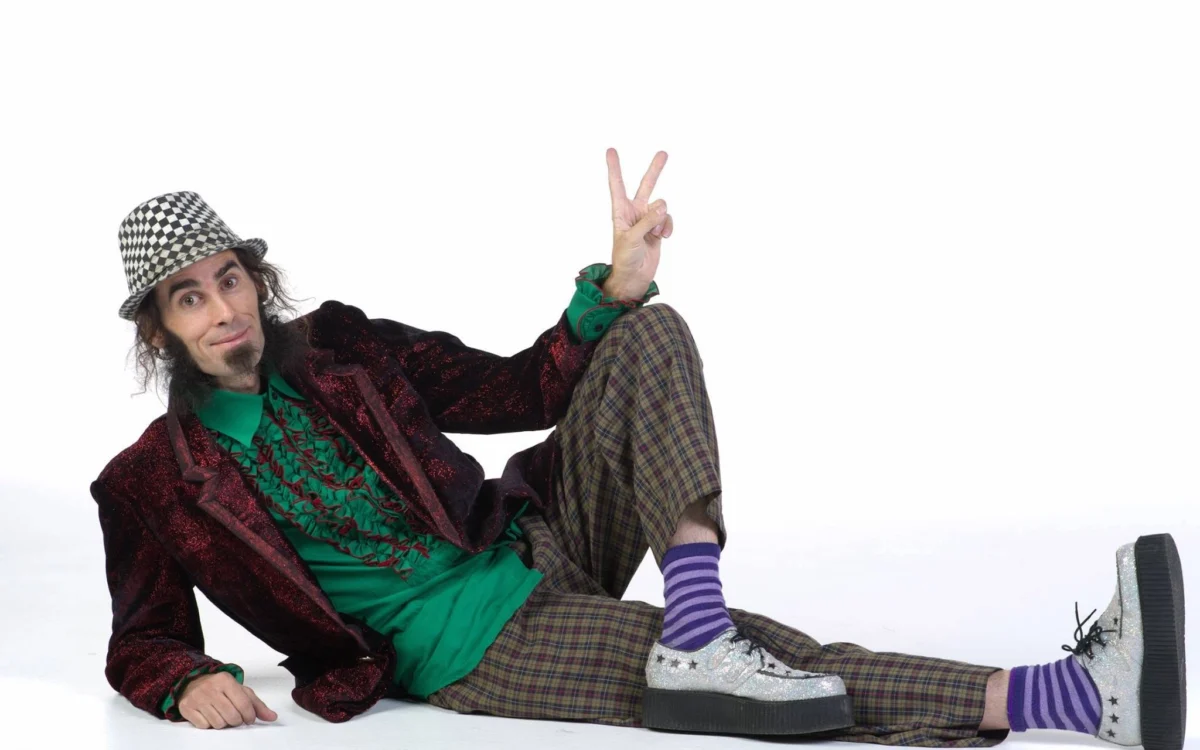
Born in Melbourne, Australia, Sean Goodfellow did not merely perform; he existed within a meticulously crafted persona. To his audiences, he was Rumpel, a character defined by a high-pitched, distinctive voice, an ever-changing wardrobe, and an iconic collection of over 600 prosthetic noses that served as a visual trademark. Unlike many performers who treat their stage time as a separate facet of their existence, Goodfellow lived his life as a continuous performance art piece. This total commitment to character allowed him to bridge the gap between traditional busking and avant-garde theater, turning mundane public spaces into stages for spontaneous, high-energy interactions.

His endurance-based performances became legendary among juggling enthusiasts and street performers alike. Goodfellow was known for his grueling marathon shows, which often pushed the limits of human stamina. These feats of endurance ranged from 24 to 48 hours of continuous performance, with his most notable achievement being a 53-hour marathon show held in Poland. These events were characterized by a chaotic, maximalist aesthetic; as the hours ticked by, the stage would gradually accumulate a sprawling landscape of juggling apparatus, musical instruments, unicycles, and an array of puppets, creating a visual testament to his versatility and stamina.

Chronology of a Global Performer
Goodfellow’s journey began in Australia, but his ambition quickly took him to the global stage. Throughout the 1990s and into the 2020s, he maintained a relentless travel schedule that saw him performing in over 50 countries. His ability to connect with diverse audiences—regardless of language or cultural background—solidified his status as a master of non-verbal comedy and physical expression.

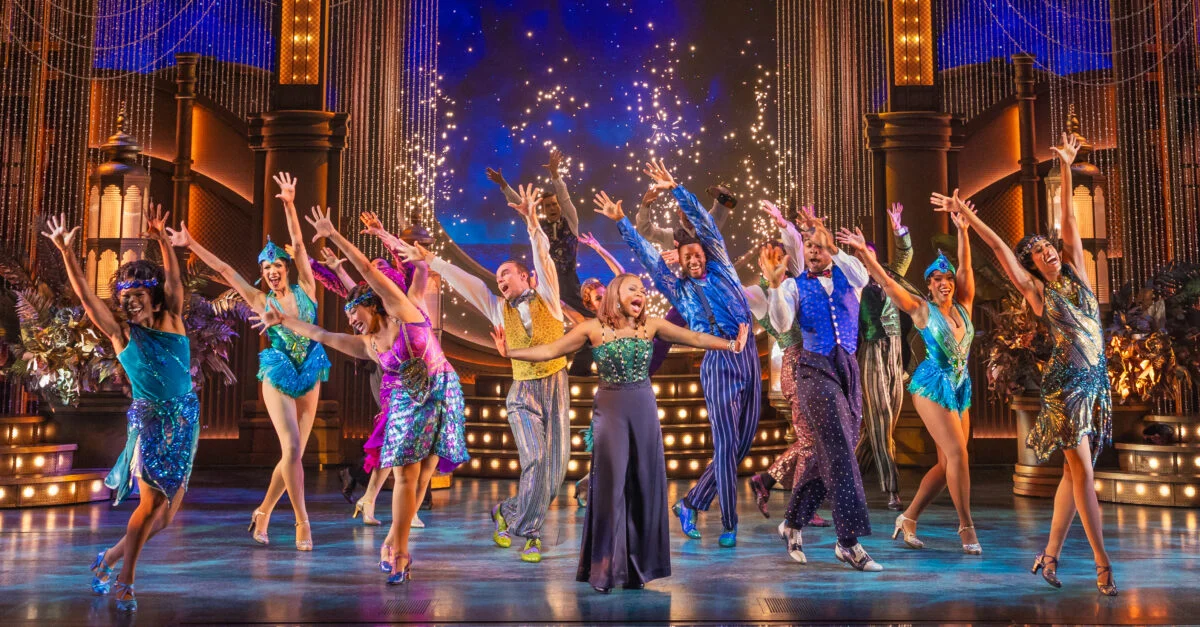
A pivotal moment in his career occurred in the mid-2000s, when he was tapped by Cirque du Soleil for their Las Vegas production, The Beatles LOVE. Serving as the original "Fool on the Hill," Goodfellow brought his unique brand of whimsy to one of the world’s most prestigious stages. Over a two-year tenure, he performed in 847 shows, an experience that introduced his specific style of character work to a mainstream, international audience.

Beyond the bright lights of Las Vegas, Goodfellow maintained his grassroots connection to the streets. His dedication to the craft of busking was not purely professional; it was also deeply humanitarian. In 1999, during the height of the Balkans War, he traveled to Kosovo to perform with Clowns Without Borders. In this capacity, he used his art to provide psychological relief and moments of joy for children and families living in conflict-stricken regions. This chapter of his life highlighted the profound impact of his work, demonstrating that the role of a jester could serve as a powerful tool for resilience in the face of tragedy.

Technical Skill and Artistic Multidisciplinary Efforts
While his public persona was that of a whimsical jester, those within the industry recognized Goodfellow as a highly skilled technician. His mastery of juggling, coupled with his proficiency in multiple musical instruments and his ability to manipulate a wide variety of props, placed him in the upper echelon of variety performers. However, his artistic output extended beyond the stage. He was also a talented illustrator, often capturing the world he encountered during his extensive travels.

He visited 30 countries in addition to the 50 where he performed, documenting his experiences through sketches and photographs. This constant observation of humanity informed his character work, allowing him to adapt his performances to local sensibilities while maintaining the core identity of the Rumpel persona. His status as one of the most photographed variety performers in the world reflects the magnetic quality of his stage presence and the visual complexity of his costumes and props.

Industry Impact and Historical Significance
The passing of Sean Goodfellow represents more than the loss of a single entertainer; it marks the end of an era for the global busking community. In an age increasingly dominated by digital entertainment, Goodfellow’s career stood as a monument to the power of live, unscripted, and visceral performance. His influence on the next generation of variety artists is profound, particularly regarding the concept of the “living character.” By remaining in character at all times, he challenged the traditional boundaries of actor-audience relations, proving that performance art could be an immersive, 24/7 reality.

Historians of the variety arts note that Goodfellow’s specific brand of "marathon busking" helped elevate the public perception of street performers from mere hobbyists to dedicated professionals. His work in film and television, while secondary to his live performances, provided a bridge between the street and the screen, further legitimizing the role of the contemporary jester.

Official Responses and Communal Remembrance
The announcement of his passing has triggered an outpouring of grief from the international juggling community. Colleagues, fellow performers, and friends have taken to social media and industry forums to share anecdotes of his kindness, his indefatigable work ethic, and his ability to find humor in the most challenging environments.

For the community of artists who knew him, the memory of Rumpel is tied to his immense generosity. Despite his global fame and his high-profile work with organizations like Cirque du Soleil, he remained deeply committed to the camaraderie of the juggling world. He was a frequent attendee at juggling festivals, where he would often mentor younger performers, sharing the tricks and techniques he had spent decades refining.

As the community prepares to honor his memory, many are pointing to his extensive collection of videos and photographs as a repository of his life’s work. These recordings capture not just the technical brilliance of his juggling, but the profound human connection he cultivated with every audience member.

The Lasting Implications of the "Fool on the Hill"
The legacy of Sean Goodfellow will likely be preserved through the historical archives of the variety arts. His life serves as a case study in the power of sustained artistic identity. In the coming years, his contribution to the field of performance art will be analyzed for its role in globalizing street theater. His transition from the streets of Melbourne to the stages of Las Vegas and the war zones of the Balkans illustrates the versatility of the jester archetype.

His life was a testament to the belief that even in a world filled with conflict and division, a simple smile, a well-executed trick, or a ridiculous costume can create a shared language of joy. As the world of juggling reflects on his passing, the consensus remains that there will never be another Rumpel. His 53-hour marathon in Poland remains a record of both physical endurance and spiritual commitment—a symbol of a man who refused to let the performance end until the very last prop was packed away.

Sean Goodfellow is survived by his family and a global network of friends who continue to celebrate his life, his art, and the indelible mark he left on the world of entertainment. His journey, from a street performer in Australia to an international icon, remains an inspiration to all who choose the path of the artist, proving that a life dedicated to the craft of joy is a life well-lived.