
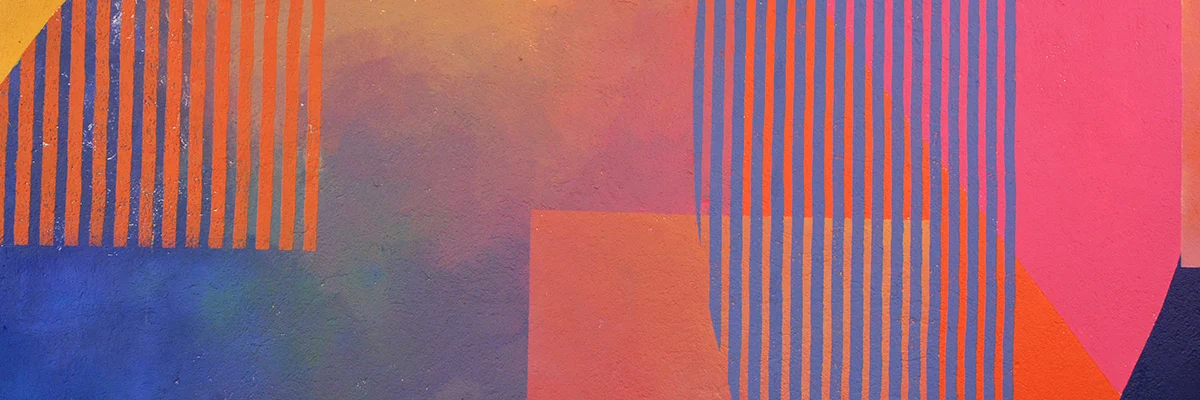
Barcelona’s B-Murals has never been particularly interested in treating urban art as a matter of filling empty walls with attractive pictures. Located within the sprawling, repurposed industrial landscape of Nau Bostik in the La Sagrera district, the project functions as an incubator for the intersection of street culture, academic inquiry, and grassroots activism. By eschewing the traditional “mural festival” model—which often prioritizes aesthetic uniformity and corporate branding—B-Murals has spent years cultivating a space where graffiti writers, muralists, and interdisciplinary artists can operate without the constraints of commercial expectations.

The 2026 iteration of the B-Murals Fest, which took place from October 7 to 10, served as a definitive testament to this philosophy. Rather than presenting a static, finished outdoor gallery for passive consumption, the event transformed Nau Bostik into a high-intensity laboratory. The four-day program facilitated a dynamic exchange between established practitioners and the general public, moving beyond the superficial "beautification" of urban centers to address the fundamental question of what truly belongs in public space.
A Legacy of Institutional Disruption
To understand the significance of the 2026 B-Murals Fest, one must examine the trajectory of the project. Nau Bostik, a former industrial complex, has become a hallmark of Barcelona’s adaptive reuse strategy, allowing cultural organizations to occupy spaces that would otherwise remain dormant or fall to luxury redevelopment. Since its inception, B-Murals has operated as an extension of this ethos, providing a dedicated physical and intellectual infrastructure for the evolution of graffiti and street art.

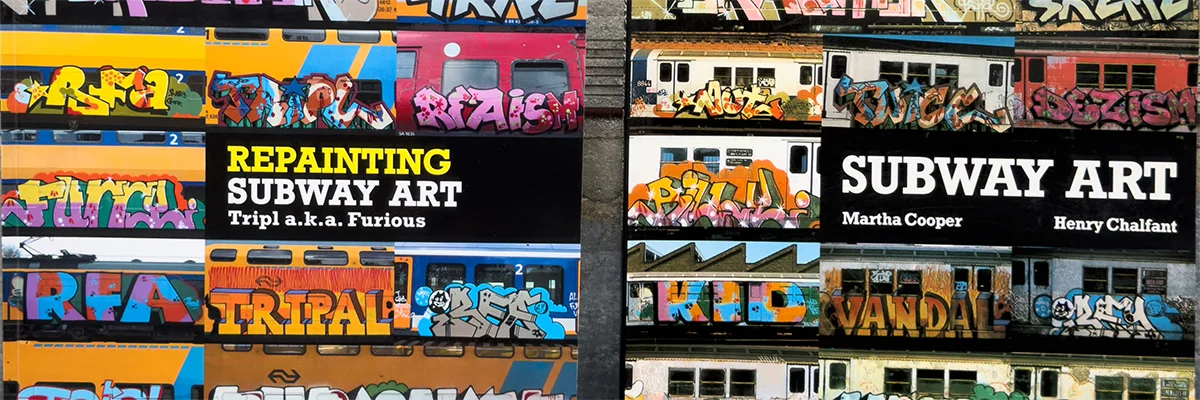
Historically, the organization has distinguished itself by curating exhibitions that delve into the roots of graffiti culture—a sector of urban art that is often marginalized by contemporary, high-end mural festivals seeking a more sanitized, “Instagrammable” appeal. By hosting research-based exhibitions and debates, the project has established itself as an essential bridge between the street-level origins of the craft and the broader discourse of public policy and visual culture in European cities.
The 2026 Program: A Living Laboratory
The 2026 festival structure intentionally dismantled the hierarchy between artist and observer. Instead of designating specific walls for "star" muralists, the organizers opted for a collective, collaborative environment. The festival featured a series of specialized zones and workshops:

- Public Engagement Labs: Visitors were invited to participate in hands-on sessions involving paste-ups, sticker creation, and traditional graffiti techniques. This initiative was designed to democratize the creative process, reinforcing the notion that public space is a shared asset.
- Methodological Research: Clara Nubiola led a laboratory focused on the observation and interpretation of urban environments. This project tasked participants with cataloging the nuances of city life, providing a sociological layer to the festival’s artistic offerings.
- Collaborative Interventions: Colectivo Monday spearheaded a large-scale paste-up project, emphasizing the ephemeral and community-driven nature of street art.
- Thematic Exhibitions: The festival hosted XPIELLAX’s exhibition WHY YOU MAD?, a provocative exploration of the tensions inherent in public expression, which was further punctuated by a live performance art piece.
The participation of collectives such as Can Safari, Revorn, Malicia Walls, and RavaleArt highlighted the diversity of the current scene, ranging from traditional aerosol art to digital video installations and music-integrated projects.
Chronology of the Event (October 7–10, 2026)
- October 7: Opening day focused on technical setup and the commencement of the public laboratory sessions. Initial discussions centered on the ethics of urban transformation in post-industrial zones.
- October 8: The focus shifted to collaborative painting and the opening of XPIELLAX’s WHY YOU MAD? exhibition. Live performances began to animate the factory grounds, drawing significant foot traffic from the La Sagrera neighborhood.
- October 9: Mid-festival workshops saw peak engagement, with youth programs and guided tours investigating the technical differences between various street art mediums.
- October 10: The final day was dedicated to the synthesis of the festival’s findings, including closing debates on the future of urban art in Barcelona, culminating in a celebration of the newly completed works.
Supporting Data: The Urban Art Economy
In recent years, the market for "muralism" has seen a massive surge, with city councils across Europe commissioning large-scale works to boost tourism and property values. However, studies into the socioeconomic impact of these festivals suggest a divide between corporate-sponsored murals and independent projects. While corporate-led festivals often result in high-resolution, photogenic walls, they rarely foster long-term community engagement.

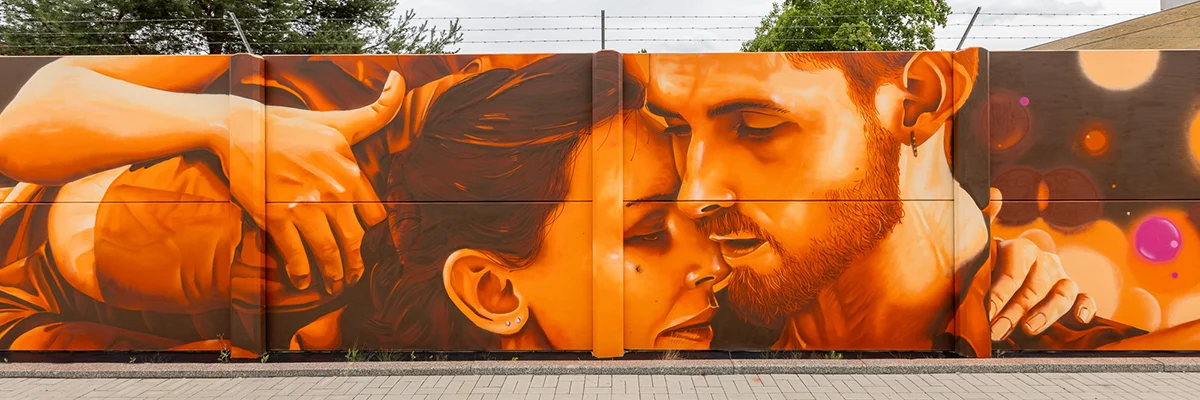
In contrast, B-Murals represents the "alternative" tier of this economy. By prioritizing process over product, the project creates a unique intellectual property—the documentation of creative methods. This year’s festival was supported by a dedicated archive of photographic evidence, including contributions from Lluis Olive-Bulbena, whose documentation of works by artists such as Lionel David, Irenex Remon, and Brunelo Moreno offers a visual record of the ephemeral nature of the event. These records are not just marketing assets; they serve as a historical ledger of a specific, non-commercialized moment in urban history.
Institutional Responses and Perspectives
While the city of Barcelona has maintained a complex, often restrictive relationship with street art—particularly regarding illicit graffiti—the success of projects like B-Murals suggests a shift in how municipalities view the role of creative spaces. Though official statements from municipal departments often emphasize "order" and "cleanliness," the continued success of the B-Murals project at Nau Bostik indicates that there is a sustainable, and even preferred, path for urban art that involves negotiation rather than suppression.

Representatives from participating artist groups have noted that the freedom granted at B-Murals is rare. In a climate where many urban art commissions come with strict guidelines regarding imagery and content, the "open-category" policy at Nau Bostik acts as a safety valve for artistic expression. The ability to engage in "awkward questions"—a hallmark of the project—ensures that the art remains relevant to the local population rather than existing solely as a promotional backdrop.
Broader Impact and Global Implications
The model employed by B-Murals in 2026 has significant implications for urban planners and cultural theorists globally. As cities face the challenge of gentrification and the loss of authentic cultural character, the "B-Murals method" provides a framework for integrating high-level art with community-led research.

By maintaining the process as a visible, central component of the event, the festival avoids the pitfall of "creative washing," wherein cities use murals to mask deeper structural failures. Instead, the festival acts as an amplifier for the voices of artists who are typically excluded from the mainstream art market. The integration of video installations, academic discussion, and street-level activism ensures that the art is viewed as a living, breathing entity rather than a fixed commodity.
Conclusion
As the dust settles at Nau Bostik and the 2026 festival enters the archives, the impact of B-Murals remains clear: it is a rejection of the idea that urban art must be a static, polished decoration. By insisting on the messy, collaborative, and often argumentative nature of public art, the project has preserved a vital space for intellectual and creative freedom. In a city as storied as Barcelona, where the struggle for control of public space is constant, B-Murals stands as a critical reminder that the most significant art is often that which refuses to stay within the lines of a gallery wall or a corporate brochure.

The success of this year’s gathering, as evidenced by the intense level of participant engagement and the depth of the collaborative projects, reaffirms that there is a robust, hungry audience for art that prioritizes authenticity and dialogue. For the practitioners and the public alike, B-Murals 2026 was not just a festival; it was an argument for the potential of the urban environment to serve as a genuine, shared creative territory. As the urban art circuit continues to expand, the principles established at Nau Bostik will likely serve as a blueprint for those seeking to balance artistic integrity with the demands of the modern, rapidly changing city.