
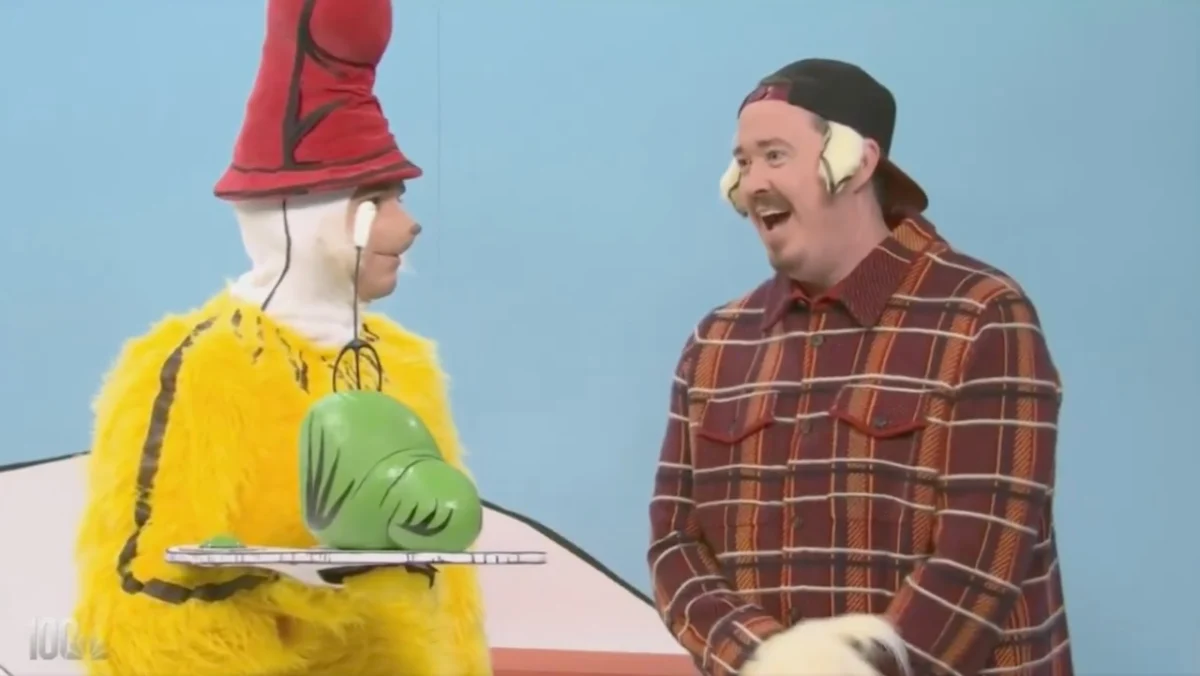
During the latest live broadcast of Saturday Night Live, comedian and host Shane Gillis joined a very exclusive and historically scrutinized group of performers when he accidentally uttered an explicit expletive on national television. The incident occurred during a comedy sketch parodying the works of Dr. Seuss, when Gillis visibly flubbed a line and let the unauthorized profanity slip past the network’s live-broadcast delay systems. While the use of colloquial profanity in modern media is commonplace, network television—and specifically NBC’s flagship late-night institution—operates under strict regulatory guidelines managed by the Federal Communications Commission (FCC). Consequently, any unscripted slip of the tongue during a live transmission immediately draws significant attention from viewers, media analysts, and network executives alike.
The unscripted moment serves as a reminder of the unique high-wire act that is live television production. For over five decades, Saturday Night Live has relied on the spontaneity of its cast members, musical guests, and guest hosts to deliver topical comedy on a weekly basis. Yet, that very spontaneity inherently carries the risk of human error, making accidental profanity a rare but recurring phenomenon in the show’s storied broadcast history.
A Rare Breach in Live Broadcasting History
To understand the significance of Shane Gillis dropping an F-bomb on Saturday Night Live, one must examine the rarity of such occurrences across the program’s 52-season run. Profanity on network television is tightly controlled, and live sketch comedy presents a distinct challenge. Despite hundreds of episodes and thousands of individual sketches, the use of the specific expletive uttered by Gillis has happened only a handful of times in the show’s multi-decade history.
Prior to Gillis’s slip, the most recent occurrence of a host uttering the same word during a live broadcast took place in 2018, when actor Sam Rockwell let the word fly during a segment. Before Rockwell, instances were separated by years, sometimes decades, as writers, directors, and performers undergo rigorous rehearsals and timing checks to prevent precisely these types of linguistic errors. In fact, so uncommon is the utterance of this particular four-letter word on the show that media outlets and entertainment historians have dedicated entire retrospective articles and statistical breakdowns to documenting every single time it has happened since the show premiered in 1975.
The incident involving Gillis instantly sparked digital engagement across social media platforms, with video clips of the flub circulating online within minutes of the broadcast. Accounts dedicated to monitoring late-night television captured the exact moment of the slip, ensuring that the gaffe would become a major talking point of the weekend’s entertainment cycle.
The Anatomy of the Sketch and the Flub
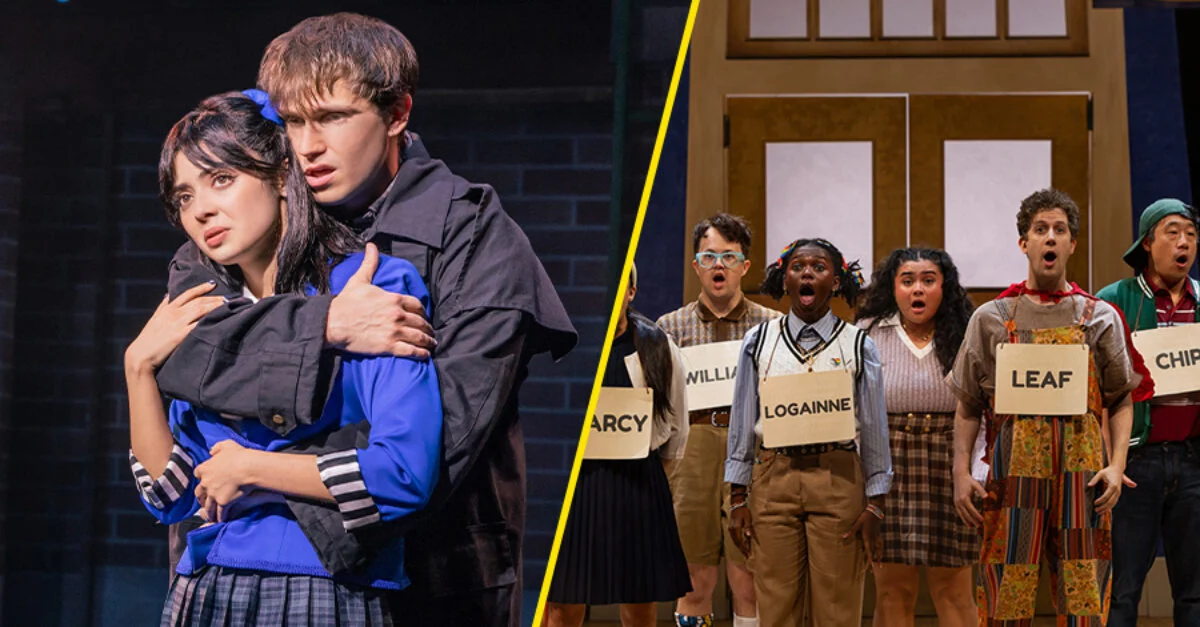
The moment occurred in the latter half of the episode during a sketch designed to mimic the whimsical, rhyming style of classic Dr. Seuss children’s books. Gillis, who was handling the primary narrative duties of the character within the parody, appeared to lose his train of thought momentarily while navigating a complex sequence of rhyming dialogue. Visibly stumbling over the cadence of the written script, the comedian attempted to self-correct on the fly. In doing so, the unscripted expletive escaped his lips before the live audio could be successfully muted or intercepted by the broadcast control room’s delay operator.
Live television broadcasting relies on a delayed transmission window—typically a matter of seconds—that allows censors to bleep out unexpected profanity, wardrobe malfunctions, or unforeseen disruptions before the signal reaches household televisions across the country. While these systems catch the vast majority of potential violations, fast-moving dialogue and rapid-fire comedic delivery can occasionally slip past the threshold. In Gillis’s case, the brevity of the stumble and the phonetic proximity of the slip to the surrounding dialogue meant the audio filter failed to catch the infraction before it was broadcast to millions of viewers.
Chronology and Background of Shane Gillis on SNL
The journey of Shane Gillis to the Saturday Night Live stage is one of the most unconventional trajectories in the modern history of the program. In 2019, Gillis was initially announced as a featured cast member for the show’s 45th season. However, within days of the announcement, archival clips from his podcast surfaced online, featuring controversial remarks that drew widespread criticism. In response to the public backlash, NBC made the decision to sever ties with the comedian before he had even appeared in a single episode.
For several years, the separation between Gillis and the network appeared absolute. Yet, the comedy landscape shifted significantly over the ensuing half-decade. Gillis continued to build a massive, independent following through his podcast, successful stand-up specials, and the creation of critically acclaimed streaming content. His independent success eventually altered the calculus of his industry standing.
By early 2024, the relationship between Gillis and Saturday Night Live underwent a dramatic reconciliation when the network invited him back—not as a cast member, but as a guest host. That initial hosting stint was met with strong ratings and favorable media coverage, effectively bridging the chasm left by the 2019 controversy. His return for the current season solidified his status as a commercially viable and creatively embraced figure within the corporate ecosystem of NBCUniversal, culminating in the weekend’s live broadcast where the verbal slip occurred.
Regulatory Framework and FCC Guidelines
The utterance of profanity on American broadcast television is governed by the Federal Communications Commission under statutory authority prohibiting the broadcast of obscene, indecent, or profane material. However, the application of these rules differs significantly between cable networks and broadcast networks like NBC, ABC, CBS, and Fox, which utilize public airwaves.
Broadcast networks are subject to strict standards during designated daytime and early evening hours, but late-night programming broadcast after 10:00 p.m. or 11:00 p.m. local time is generally granted more leeway regarding mature themes. Despite this broader latitude for adult content, specific explicit expletives—particularly the word uttered by Gillis—remain legally sensitive. Under current regulatory precedents, isolated and fleeting uses of expletives during live broadcasts do not automatically trigger formal regulatory fines or penalties, provided the network demonstrates it took reasonable precautions, such as employing a broadcast delay system.
Historically, the FCC has focused its enforcement actions on repeated, deliberate, or egregious violations rather than accidental slips of the tongue by live performers. Consequently, network executives and legal analysts generally view incidents like Gillis’s flub as a minor operational hiccup rather than a regulatory crisis. NBC has not issued a formal statement regarding the incident, signaling that the network views the matter as closed and inconsequential to its ongoing relationship with the comedian.
Broader Cultural Context and Industry Reactions
The public reaction to Gillis’s verbal slip reflects a broader cultural shift in how audiences perceive profanity in contemporary media. In an era where political figures, streaming television dramas, and social media influencers routinely utilize explicit language without social penalty, the accidental use of an F-word on a late-night comedy show carries far less shock value than it did decades ago.
Media analysts note that the public response was largely characterized by amusement rather than outrage. Fans of the comedian viewed the flub as an authentic, unscripted moment that highlighted the inherent risk of live performance, contrasting sharply with the heavily polished and pre-recorded nature of modern digital entertainment. Conversely, critics pointed to the incident as evidence of a lack of professional polish, though such criticisms were largely drowned out by the viral nature of the social media clips.
The incident also highlights the evolving nature of late-night television as it attempts to retain cultural relevance in competition with digital-first platforms like YouTube, TikTok, and independent podcasts. By leaning into moments of unscripted chaos, programs like Saturday Night Live often generate the viral engagement necessary to drive viewership across younger demographic groups who consume television primarily through digital clips rather than live linear broadcasts.
Implications for Future Broadcasts
While the immediate aftermath of the broadcast involved a flurry of online shares, media write-ups, and fan commentary, the long-term implications for Saturday Night Live and Shane Gillis are expected to be minimal. The show has weathered far more significant controversies throughout its history without altering its fundamental production methodology.
For Gillis, the slip-up is unlikely to impact his career trajectory or future opportunities within the entertainment industry. In the realm of stand-up comedy and live entertainment, occasional mistakes on stage are viewed as occupational hazards rather than career-ending offenses. As Saturday Night Live continues its current season, production teams will undoubtedly maintain their reliance on broadcast delay mechanisms, while acknowledging that the human element of live television will always retain a margin for unpredictable moments.

![Sex Pistols Berate Dude for Infiltrating Women-Only Mosh Pit [Updated]](https://worldbusk.org/wp-content/uploads/2026/10/sex-pistols-berate-dude-for-infiltrating-women-only-mosh-pit-updated.webp)