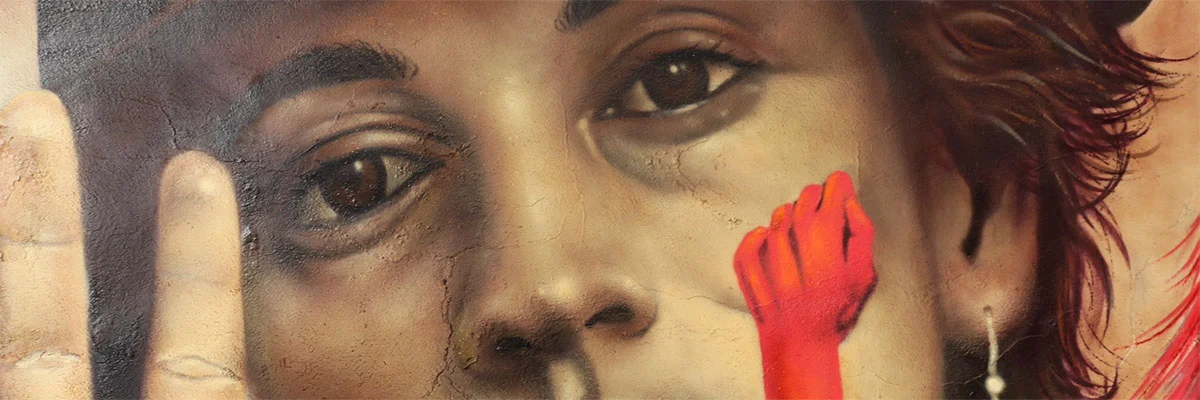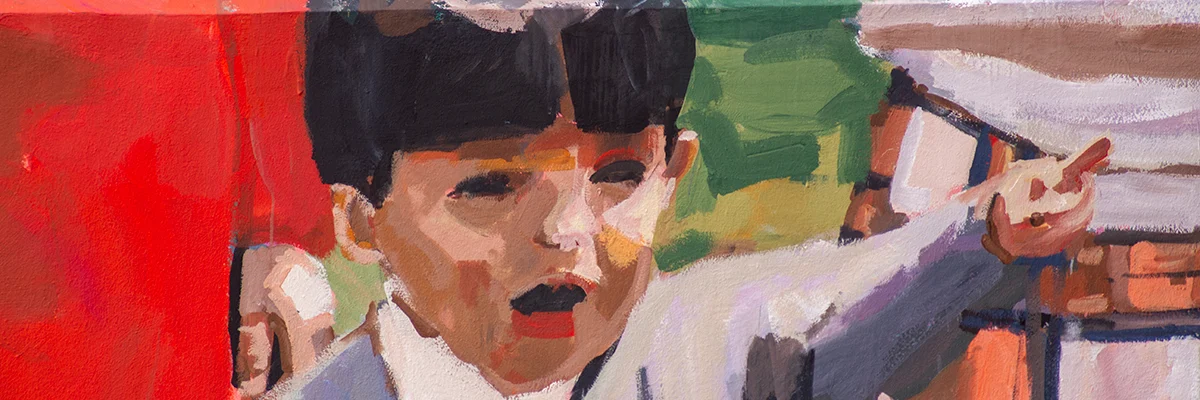

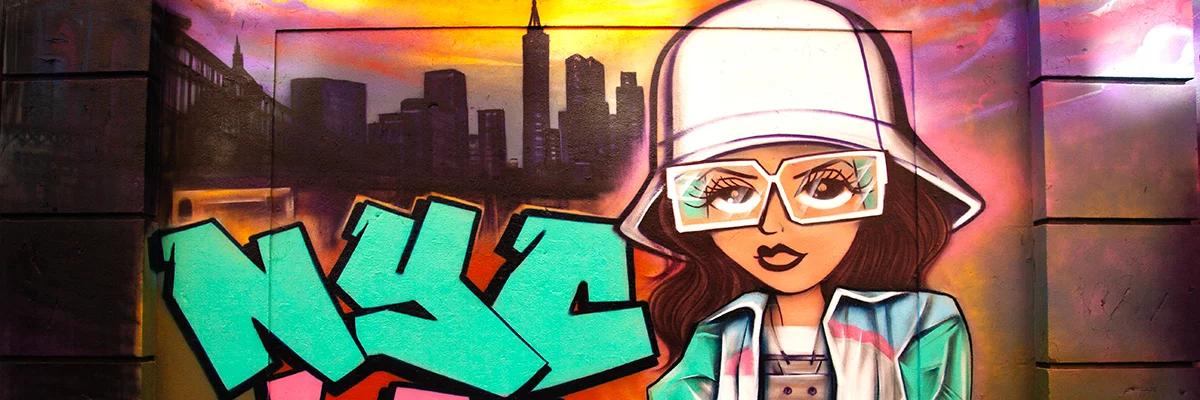
As the autumn foliage begins to transform the canopy of New York City’s five boroughs and the relentless hum of political campaign messaging occupies the digital space of every resident’s mobile device, the city’s physical landscape is undergoing its own seasonal metamorphosis. From the high-energy festivities of New York Comic Con—which is currently casting a spotlight on the cultural legacy of Coney Island—to the vibrant proliferation of hundreds of new murals adorning urban surfaces, the city remains a living, breathing canvas. Through persistent field documentation and bicycle-based urban exploration, we have curated a selection of the most significant developments in the street art scene, highlighting the artists currently shaping the aesthetic narrative of the metropolis.
The roster of contributors currently active across the city includes a diverse array of practitioners: Cram, Ejek98, El Cekis, Hektad, Jappy Agoncillo, Jim Power, MCY, Minhafofa, Mosaic Man, Motomichi Nakamura, OG King 157, Optimo NYC, and WC. These artists represent a broad spectrum of techniques, ranging from traditional muralism and wheat-pasting to the delicate, labor-intensive craft of mosaic installation.
The Mosaic Man: A Legacy Under Siege
Central to our recent observations is the work of Jim Power, widely recognized as "The Mosaic Man." For over four decades, Power has been an integral part of the East Village’s visual identity. Since the early 1980s, his intricate tile installations have transformed utilitarian urban furniture—specifically the bases of street lamp posts—into storied monuments. These works are not merely decorative; they serve as a repository of local history, mapping the cultural transitions of Manhattan through symbolic imagery and ceramic craft.
However, recent site surveys have revealed a troubling trend: the systematic vandalism and, in several instances, the complete destruction of Power’s installations. The loss of these works is significant, not only because of the individual artistry involved but because of their status as an unofficial, grassroots oral and visual archive of the neighborhood. The destruction of public art that has survived for forty years raises critical questions regarding the stewardship of urban cultural assets. When public art is removed or destroyed without community consultation or a clear rationale, the neighborhood loses a tangible connection to its past.
The Evolution of the NYC Mural Landscape
The current surge in mural activity is a testament to the ongoing revitalization of New York’s public art ecosystem. Following a period of relative stagnation during the height of the global health crisis, the 2021–2024 period has seen a resurgence in organized mural festivals and community-funded art initiatives.
The integration of street art into the urban planning fabric has become increasingly common. Major initiatives, such as the Jersey City Mural Festival and various projects in Lower Manhattan, illustrate a shift in how municipalities view public art. What was once treated as a strictly illicit activity has, in many cases, become a cornerstone of "placemaking"—a strategy that uses art to increase foot traffic, foster community pride, and signal economic investment in specific districts.
Chronology of Public Art Integration in NYC
- 1970s–1980s: The era of the "wildstyle" graffiti movement, defined by high-risk, unsanctioned works on subway cars and brick facades. This period established the foundational techniques that would later inform contemporary muralism.
- 1990s–2000s: A period of increased municipal regulation. The "Clean City" initiatives led to a decrease in unsanctioned graffiti, which inadvertently forced many artists toward more permanent, permission-based mural formats.
- 2010s: The rise of the "mural festival" model. Large-scale events, such as the Bushwick Collective or the LoMan Art Festival, began providing legal, curated platforms for artists, bridging the gap between underground aesthetics and commercial appeal.
- 2020–Present: The pandemic-era focus on hyper-local art. With travel restricted, artists turned their attention to their immediate neighborhoods, resulting in a dense, geographically diverse explosion of murals that addressed social themes and community resilience.
Data and Demographics of Street Art Engagement
Public interest in urban art has reached record highs, fueled by social media documentation and tourism. According to industry analysis, street art tourism contributes significantly to the local economy of districts like Bushwick, Williamsburg, and the Lower East Side. A 2023 survey indicated that 68% of visitors to these neighborhoods cite "exploring street art" as a primary reason for their visit.
However, this commercialization has created a friction point. As public art becomes a draw for real estate development and tourism, the "original" works—often those that were unsanctioned or created by long-term neighborhood residents like Jim Power—are increasingly vulnerable. The tension between institutionalized art festivals and the preservation of historic, non-sanctioned installations is a growing area of concern for urban historians and art advocates.
Official Responses and Preservation Challenges
The protection of public art in New York City is notoriously difficult due to the complex nature of urban ownership. Street lamp posts, for example, fall under the jurisdiction of the Department of Transportation (DOT), while the murals themselves may be commissioned by private building owners or nonprofit arts organizations.
When installations like those of the Mosaic Man are damaged, there is rarely a clear mechanism for restitution. Unlike museum-based collections, which are protected by rigorous conservation protocols, public street art exists in a state of constant exposure to the elements and human interference.
Advocacy groups have argued for a "Public Art Preservation Act" that would categorize works of significant historical or cultural value—even those on public infrastructure—as protected landmarks. Currently, such efforts face hurdles regarding liability, maintenance costs, and the temporary nature of the medium itself. Street art, by its nature, is often ephemeral, yet the work of artists like Power challenges this assumption, suggesting that some street art is intended as a permanent addition to the urban fabric.
Implications for the Future of NYC Aesthetics
The implications of these developments are twofold. First, the city is moving toward a highly curated version of "street" aesthetics. As festivals replace random, organic acts of expression, the visual landscape of New York becomes cleaner and more predictable. While this provides stability for artists and property owners, it risks sanitizing the raw, disruptive energy that historically defined New York’s creative output.
Second, the destruction of legacy works signifies a loss of collective memory. When a mosaic by Jim Power is removed to make way for a new commercial storefront or due to neglect, a piece of the East Village’s historical DNA is erased. The challenge for the next decade will be finding a balance between encouraging new, massive-scale muralism and protecting the fragile, hand-wrought installations that represent the roots of the city’s street art culture.
As the leaves continue to turn and the city prepares for the winter months, the murals currently adorning the boroughs will serve as a record of this specific moment in time. Whether these works are destined for long-term preservation or eventual erasure, they continue to define the dynamism of New York. The ongoing interview with the street—an exchange between the artist, the environment, and the public—remains as vibrant and contentious as ever. It is incumbent upon the city and its residents to recognize that the art on the street is not merely a backdrop for daily life; it is a vital, irreplaceable component of the urban experience.