
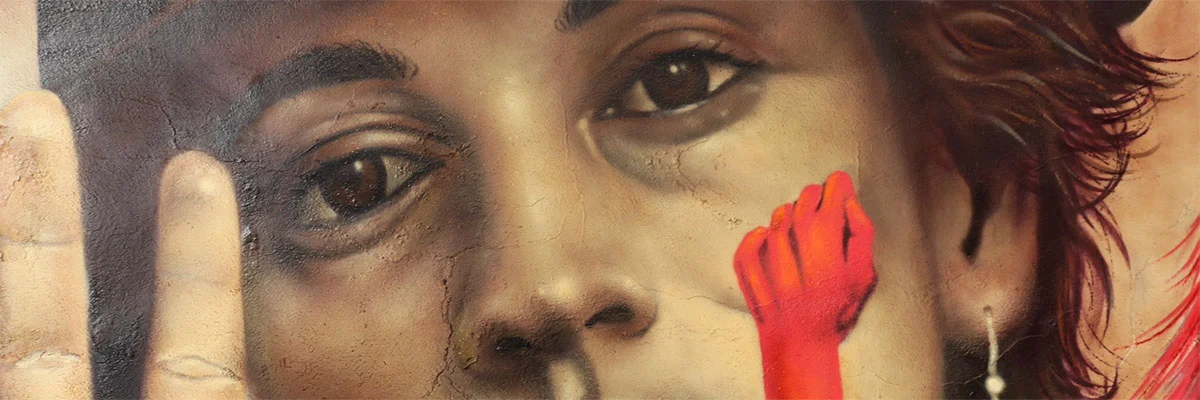
A bus station is designed for leaving, but memory has a habit of staying behind. In the heart of Porto, Portugal, the historic Garagem Atlântico is currently undergoing a profound metamorphosis, shifting from a functional transit hub to a burgeoning cultural epicenter. Marking this transition is a monumental mural by the Porto-born artist MrKas, titled A Despedida como Ponto de Partida (Farewell as a Starting Point). The installation serves as a bridge between the site’s industrial history and its future as a creative venue, anchoring a dialogue between the thousands who once passed through its gates and the new audiences who will soon walk its floors.
A Legacy of Movement: The History of Garagem Atlântico
For decades, the Garagem Atlântico served as one of Porto’s primary gateways. It was more than a mere building; it was a sensory intersection of arrivals and departures, defined by the constant hum of idling engines, the urgency of schedules, and the quiet melancholy of farewells. Built during a period when the Portuguese transit infrastructure was expanding to meet the needs of a modernizing economy, the terminal functioned as a logistical heartbeat for the city.
However, as urban mobility patterns evolved and central bus terminals were relocated to accommodate larger volumes of traffic and modern transit technology, the Garagem Atlântico found itself redundant. The facility ceased its primary operations, leaving behind a cavernous, empty shell that stood as a testament to the mid-20th-century aesthetic of functional brutalism. In recent years, local government officials and private developers have spearheaded initiatives to repurpose such industrial landmarks. The conversion of the Garagem into a cultural center is part of a broader municipal strategy to revitalize Porto’s downtown district, converting neglected transit spaces into centers for art, culinary innovation, and public assembly.
The Artist: Two Decades of Fractured Realism
The artist commissioned for this landmark intervention, MrKas, has spent over twenty years refining a unique visual language. Emerging from the gritty roots of traditional graffiti, he has evolved into an expert in large-scale portraiture. His work is characterized by "fractured planes"—a technique where faces appear to deconstruct into geometric fragments before reassembling in the viewer’s eye. This optical shift creates a dynamic tension between the permanence of the wall and the fluidity of the subject.
MrKas’s transition from illicit street art to formal muralism mirrors the urban trajectory of Porto itself. His career trajectory can be categorized into three distinct phases:
- The Formative Period (2000–2010): A focus on letter-based graffiti and traditional street tagging that established his reputation within the local scene.
- The Transitional Phase (2010–2018): Experimentation with figurative elements, where he began integrating portraiture with abstract geometric elements.
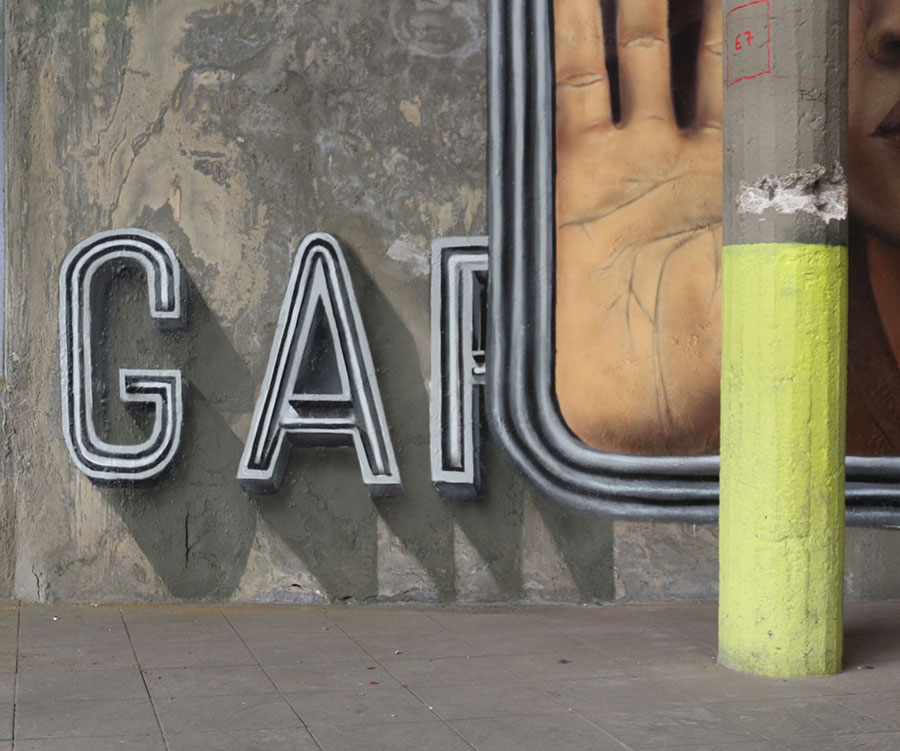
- The Architectural Intervention Phase (2018–Present): A pivot toward site-specific installations, where the surrounding architecture becomes a functional component of the mural’s composition.
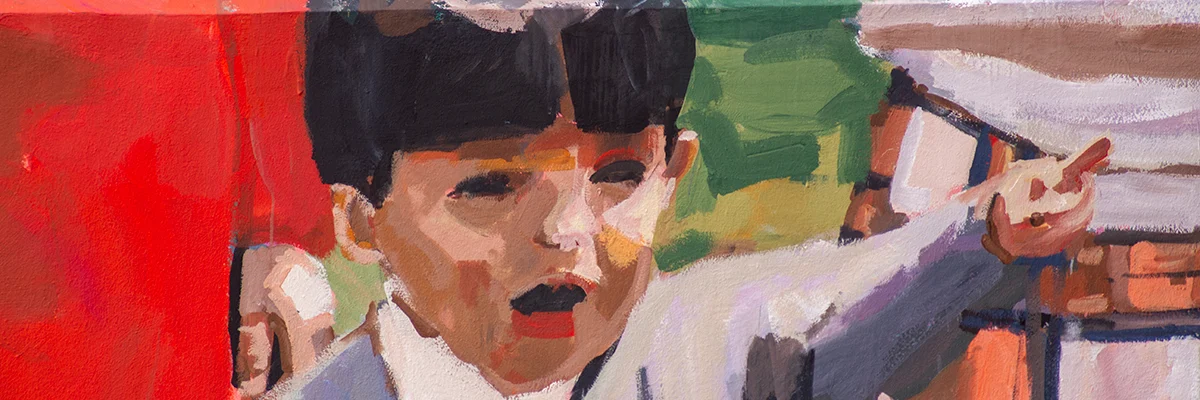
His choice of subject matter for the Garagem Atlântico project—a woman at a window—is a deliberate nod to the voyeuristic nature of travel. The act of waving from a window is a universal, timeless gesture of departure, effectively tapping into the collective memory of the site.
The Mural: A Narrative in Paint
The mural, A Despedida como Ponto de Partida, is executed with a technical precision that belies the emotional weight of the image. The artist employs a monochromatic palette with subtle chromatic shifts, ensuring that the piece feels integrated into the weathered, concrete environment of the garage.
According to the artist, the piece is intended to function as a "temporal hinge." By placing an image of a traveler looking out from a window, he forces the viewer to acknowledge the building’s former purpose. The mural does not merely decorate the space; it acknowledges the millions of individual stories that took place beneath the terminal’s roof—the missed connections, the reunions, and the life-changing journeys that began there.
"The past bids farewell, while the present makes room for new stories to emerge," MrKas noted during the installation process. This statement highlights the philosophical core of the work: that in order for a space to evolve, it must first honor its predecessor.

Urban Revitalization and Cultural Economics
The repurposing of transit hubs like the Garagem Atlântico is a global phenomenon. In many major cities, former industrial terminals have been transformed into "Third Places"—environments that are neither work nor home, designed to foster social interaction. Data from the European Urban Research Association suggests that adaptive reuse projects of this scale contribute to a 15–20% increase in local foot traffic within the first two years of operation.
By commissioning muralists like MrKas, the developers behind the Garagem project are utilizing "creative placemaking." This strategy leverages the power of public art to foster a sense of belonging and identity in spaces that might otherwise feel alienating to the local population.
The economic implications are significant:
- Cultural Capital: The presence of high-profile art installations attracts tourism and local engagement, effectively rebranding the area as a destination rather than a thoroughfare.
- Heritage Conservation: By retaining the structural integrity of the bus station while layering it with contemporary art, the city preserves its industrial architectural history while ensuring it remains economically viable.
- Social Cohesion: Art in public spaces serves as a medium for community dialogue, transforming a site of past transit into a site of current discourse.
Official Response and Community Reception
While the project is still in its infancy, early responses from local community groups and urban planners have been largely positive. Representatives from the local municipal board noted that the mural serves as a "visual anchor" for the renovation efforts. "We are not just renovating a building; we are curating a transition," stated a representative from the project’s development team.
Public reception has been bolstered by the nostalgic nature of the imagery. Many Porto residents who remember the Garagem in its prime have taken to social media to share anecdotes about their own experiences at the station, suggesting that the mural is successfully acting as a catalyst for collective storytelling.

The Future of the Garagem
As the final touches are applied to the cultural center, the question remains: Can a space designed for transit ever fully shed its original identity? The answer, according to the project’s proponents, is that it shouldn’t. By integrating the history of the Garagem into its new design, the facility avoids the sterility often associated with modern renovations.
The timeline for the full opening of the Garagem Atlântico remains fluid, with phased openings of gallery spaces, music venues, and food halls expected to follow throughout the remainder of 2026 and into 2027. The mural by MrKas will serve as the permanent, silent witness to this evolution.
For decades, citizens of Porto went to the Garagem Atlântico to go somewhere else. They viewed the station as a threshold to the unknown. Now, with the installation of A Despedida como Ponto de Partida, the terminal invites its audience to do something different: to stop, to look, and to stay.
In the final analysis, the mural serves as a reminder that every goodbye is inherently a beginning. By freezing the moment of departure in time, MrKas has ensured that the spirit of the Garagem remains, even as the walls take on a new life as a home for the city’s burgeoning arts scene. The bus station is no longer just a place for leaving; it has become a place for finding, for reflecting, and for starting over.