
When the calendar turned to 1 जनवरी 1970, contemporary observers could scarcely have predicted that the coming decade would fundamentally reshape the sonic landscape of popular music. The cultural upheavals of the late 1960s—marked by sociopolitical friction, the civil rights movement, and the anti-war sentiment—paved the way for an artistic explosion in the recording studios of Los Angeles, New York, Nashville, and beyond. Amidst this turbulent cultural backdrop, artists began exploring more introspective themes, blending orchestration with rock instrumentation, and bridging the divide between country, pop, and rock music.
Looking back across the decades, 1970 yielded an extraordinary collection of enduring compositions. Among these are three iconic Top 40 hits that not only dominated the airwaves of the era but also remain permanently etched in the collective memory of anyone who grew up during the 1970s. These tracks—released by The Carpenters, Chicago, and Glen Campbell—exemplify the diverse musical currents that flowed simultaneously through the commercial mainstream during that pivotal year.
The Cultural and Musical Landscape of 1970
To understand the resonance of the music released in 1970, one must examine the broader socio-cultural environment. The counterculture movement of the 1960s was splintering into more commercial, highly produced genres. Record labels were investing heavily in sophisticated studio technology, multi-track recording, and polished arrangements. At the same time, the FM radio dial was expanding, allowing listeners to experience album-oriented rock alongside tightly formatted AM Top 40 pop singles.
The year 1970 acted as a transitional bridge. The raw, psychedelic experimentation of the late sixties gave way to sophisticated pop craftsmanship, lush vocal harmonies, and genre-defying collaborations. Record executives and producers were acutely aware that audiences craved emotional authenticity coupled with high production values. It was within this competitive, high-stakes commercial environment that Karen and Richard Carpenter, the multifaceted rock collective Chicago, and country-pop crossover icon Glen Campbell released the definitive tracks that would define their respective careers and leave an indelible mark on American music history.
(They Long To Be) Close To You: The Carpenters Take Flight
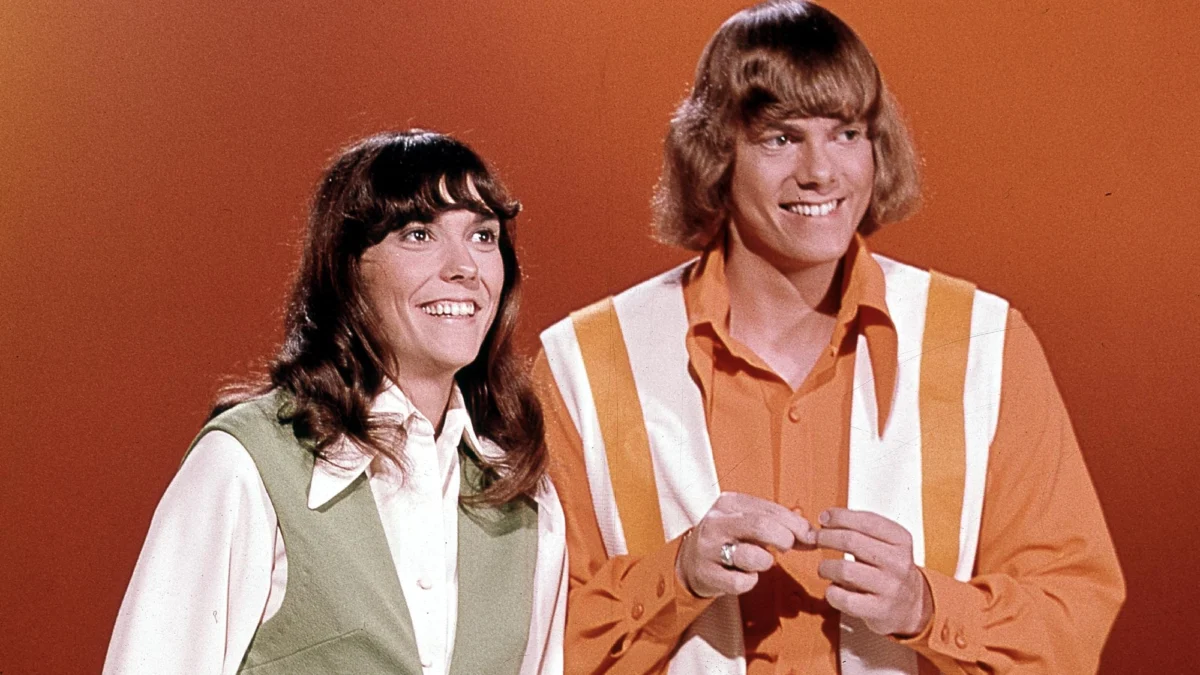
The Carpenters—consisting of siblings Karen and Richard Carpenter—entered 1970 as promising newcomers eager to establish a foothold in the competitive mainstream pop market. Their debut album, Offering (later reissued as Ticket to Ride), had failed to make a significant commercial impact, putting pressure on the duo and their label, A&M Records, to find material that would resonate with a broader demographic.
That breakthrough arrived with the release of "(They Long To Be) Close To You," the third single issued by the duo and a centerpiece of their sophomore studio album, Close To You. Written by the legendary songwriting partnership of Burt Bacharach and Hal David, the song featured Bacharach’s signature sophisticated chord progressions and Hal David’s evocative, melancholy lyrics.
The track famously opens with the iconic stanza:
Why do birds suddenly appear / Every time you are near? / Just like me / They long to be / Close to you.
Despite the song’s pedigree—having been recorded previously by Dionne Warwick and Richard Chamberlain without achieving major commercial success—it was Richard Carpenter’s meticulous vocal arrangement, combined with Karen Carpenter’s rich, resonant alto lead vocal and multi-tracked harmonies, that unlocked the song’s hidden potential. Richard played the piano and arranged the horns, while studio session luminaries from the famed "Wrecking Crew," including drummer Hal Blaine, provided the understated, driving rhythm track.
The commercial response was immediate and unprecedented for the siblings. "(They Long To Be) Close To You" not only became The Carpenters’ very first number-one hit on the Billboard Hot 100 chart, but it also demonstrated extraordinary staying power, holding the top spot for an impressive four consecutive weeks. Music critics of the era praised the single for its pristine production values, which stood in stark contrast to the heavier, distorted rock sounds dominating FM radio at the time. The track earned the duo two Grammy Award nominations and secured their status as permanent fixtures of 1970s adult contemporary and pop radio.
Chicago and the Evolution of Horn-Driven Rock
While The Carpenters were conquering the pop charts with pristine vocal harmonies, the band Chicago was forging an entirely different sonic identity, combining the raw energy of rock and roll with a complex, jazz-infused horn section. Originally performing under the name The Big Thing and later Chicago Transit Authority, the group approached their debut self-titled double album with ambitious artistic goals.
Among the standout tracks on that foundational 1969/1970 release was "Does Anybody Really Know What Time It Is?," written entirely by keyboardist and vocalist Robert Lamm. The song explores existential themes of modern alienation and urban routine, captured memorably in its chorus:
Does anybody really know what time it is? / Does anybody really care? / If so, I can’t imagine why / We’ve all got time enough to cry.
The track’s path to becoming a canonical classic is a fascinating study in perseverance and strategic single sequencing by Columbia Records. Chicago’s debut album yielded a slow start on the singles charts. Their debut single, "Questions 67 And 58," followed by "Beginnings"—both drawn from Chicago Transit Authority—initially failed to make a significant impression on the national charts.
It was only after the band shifted focus to their sophomore record, Chicago (often referred to as Chicago II), that momentum shifted dramatically. The explosive success of singles like "Make Me Smile" and the Top 5 anthem "25 Or 6 To 4" catapulted the band into the national consciousness. Capitalizing on this newfound commercial leverage, the record label returned to the group’s debut catalog and promoted "Does Anybody Really Know What Time It Is?" as a single.
Buoyed by the band’s rising popularity, the track struck a chord with radio programmers and listeners alike. Its infectious piano groove, memorable horn arrangements, and Lamm’s distinct lead vocal transformed the track into a major hit, proving that complex, jazz-inflected rock arrangements could find a comfortable home on commercial Top 40 radio.
Glen Campbell and the Crossover Appeal of "Honey Come Back"
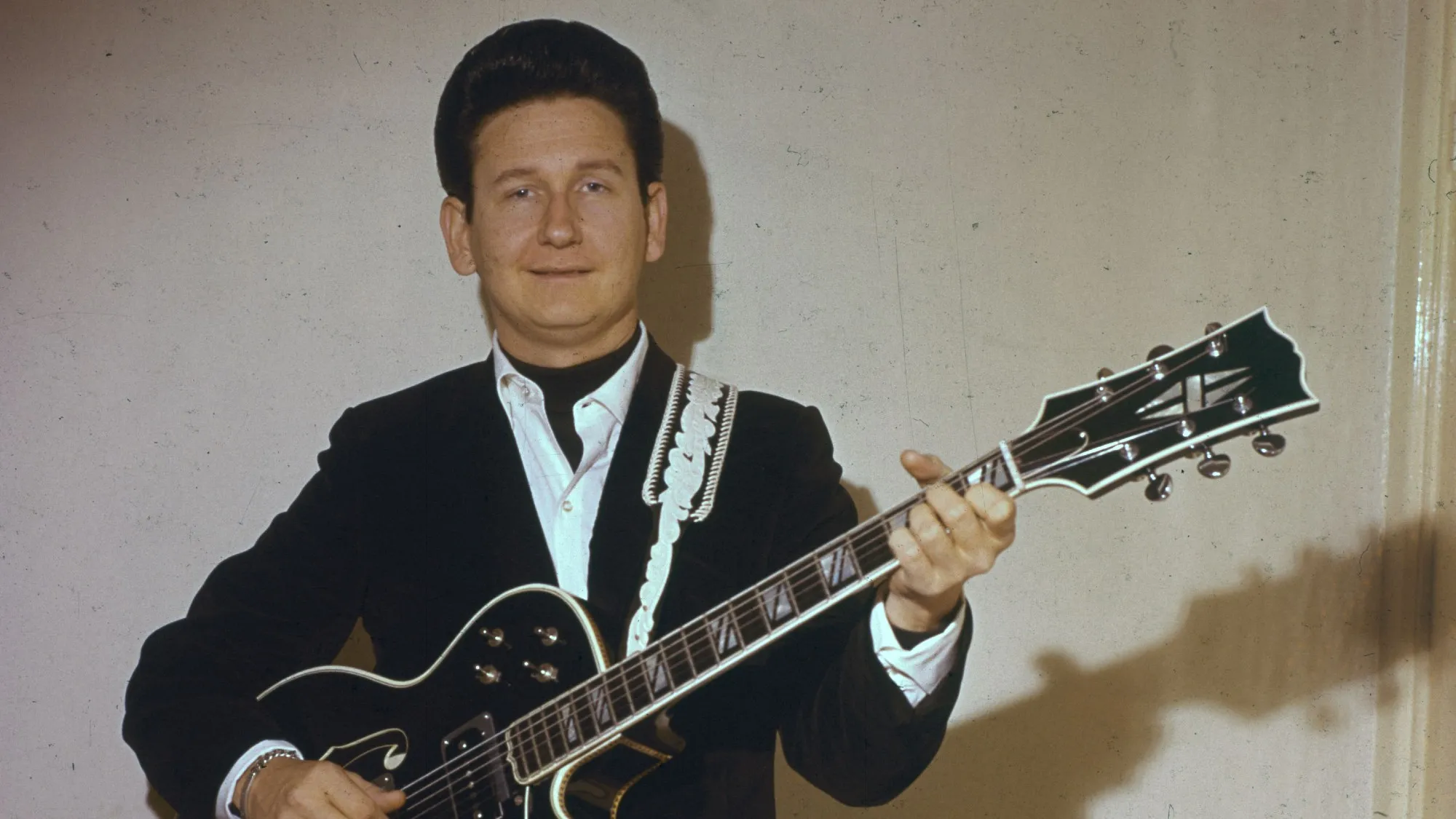
In the realm of country-pop crossover music, few artists commanded the airwaves in 1970 with the consistency of Glen Campbell. Already an established session guitarist and solo artist, Campbell was at the height of his commercial powers, balancing a successful television variety show with a relentless recording schedule.
During the calendar year of 1970 alone, Campbell released five distinct singles, an astonishing output by contemporary standards. Four of these releases achieved major crossover success, bridging the gap between country music listeners and mainstream pop audiences. Among them was "Honey Come Back," the lead single from his album Try A Little Kindness.
Written by legendary songwriter Jimmy Webb—whose sophisticated compositions frequently provided Campbell with his most enduring hits—"Honey Come Back" tackled complex emotional terrain. The song’s narrative explores infidelity, regret, and romantic desperation, reflected in its poignant lyrics:
Honey come back / I just can’t stand each lonely day’s a little bit longer / And the last time I held you seems like a hundred years ago / Back to his arms and never know the joy of love that used to taste like / Honey come back where you belong to only me.
Webb’s intricate lyricism, paired with Campbell’s smooth, emotive delivery and lush orchestral arrangements, elevated the track far beyond standard country fare. The single resonated deeply with listeners navigating the emotional complexities of modern relationships.
The commercial performance of "Honey Come Back" reflected Campbell’s broad cross-demographic appeal. The track climbed to a robust position in the Top 5 of the Billboard Hot Country Singles chart while simultaneously crossing over to secure a coveted spot in the Top 20 of the Billboard Hot 100. This dual-chart success cemented Campbell’s status as one of the premier architects of the country-pop crossover phenomenon that would dominate much of the early-to-mid 1970s.
The Historical Significance and Legacy of 1970s Pop Hits
Looking back with the benefit of historical hindsight, the musical output of 1970 represents a golden era of pop craftsmanship. The juxtaposition of The Carpenters’ meticulous studio perfectionism, Chicago’s ambitious integration of rock and jazz instrumentation, and Glen Campbell’s masterful translation of narrative country songs into mainstream pop hits highlights the extraordinary diversity of the era’s commercial radio.
These songs did not merely occupy chart positions; they served as the soundtrack to a society in transition. For millions of listeners, the opening notes of "(They Long To Be) Close To You," "Does Anybody Really Know What Time It Is?," and "Honey Come Back" evoke immediate nostalgia for a specific time and place.
Musicologists and industry analysts point to the production standards of 1970 as a turning point in modern recording history. The painstaking multi-track vocal layering pioneered by Richard Carpenter, the complex horn charts arranged by James Pankow for Chicago, and the sophisticated songwriting structures contributed by masters like Burt Bacharach, Hal David, and Jimmy Webb established a high-water mark for popular music composition.
Decades after their initial release, these recordings continue to find new generations of admirers through film placements, television syncs, streaming platforms, and classic hits radio formats. They stand as enduring testaments to an extraordinary year in American music—a twelve-month window that laid the creative foundation for a decade of unparalleled sonic innovation.