
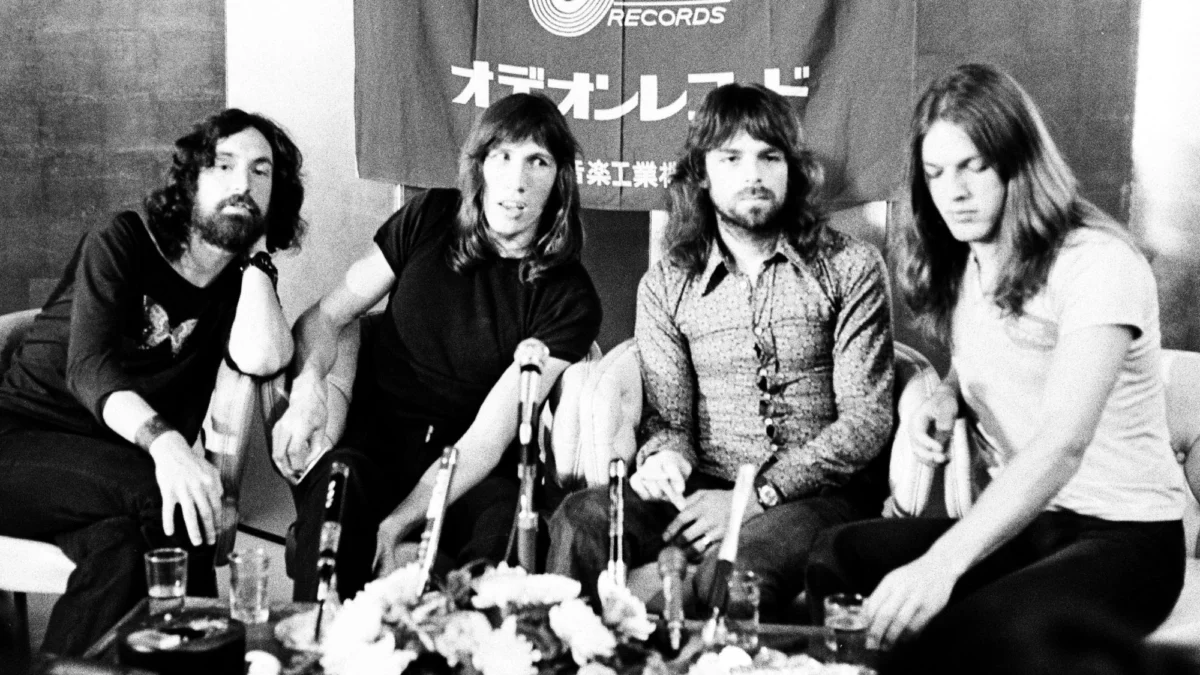
The 1970s marked a golden era for rock and roll, characterized by unprecedented sonic experimentation, massive arena tours, and an immense commercial output that permanently reshaped the global music industry. As the decade drew to a close in 1979, the genre was operating at the height of its cultural influence, bridging the gap between the sprawling progressive and psychedelic arrangements of the early ’70s and the punchier, synthesizer-driven commercial rock that would dominate the upcoming decade. Far from fading quietly, the final year of the 1970s produced a formidable catalog of enduring tracks that continue to define the pinnacle of rock composition, production, and emotional resonance.
The State of Rock and Roll at the Close of the 1970s
By 1979, the music industry was navigating a complex landscape. The commercial peak of disco was beginning to face a severe backlash—famously culminating in the "Disco Demolition Night" at Comiskey Park in Chicago—while punk rock had already injected a raw, anti-establishment ethos into the cultural mainstream two years prior. Amid this shifting tide, traditional and arena rock acts were forced to adapt, resulting in some of the most sophisticated, emotionally intense, and enduringly popular music of the century.
Record labels heavily invested in conceptual projects, theatrical live productions, and state-of-the-art studio recording techniques. The convergence of multi-track recording capabilities, the refinement of synthesizers, and the mastery of the electric guitar allowed artists to push the boundaries of conventional song structures. The resulting tracks from 1979 did not merely entertain listeners; they delivered visceral, physiological reactions—often described by fans and critics alike as the quintessential rock "chills."
Pink Floyd and the Cinematic Desolation of Comfortably Numb
Released as part of the ambitious 1979 double album The Wall, Pink Floyd’s "Comfortably Numb" remains a masterclass in atmospheric tension and release. Conceived primarily by bassist Roger Waters, with legendary, soul-stirring guitar contributions from David Gilmour, the track tells a harrowing narrative within the broader scope of the rock opera. The song depicts the fictional rock star protagonist, Pink, being medicated by a doctor before a concert, slipping into a detached, dreamlike state of alienation.
From a production standpoint, the track is renowned for its stark contrast between the verses—sung in a subdued, conversational tone by Waters—and the sweeping, soaring choruses delivered by Gilmour. However, the defining element of the composition is its concluding guitar solo, widely regarded by music historians and guitarists as one of the greatest ever recorded. Gilmour’s meticulous phrasing, sustained bends, and emotional delivery elevate the track from a dramatic dialogue into a transcendent auditory experience. The Wall went on to achieve massive commercial success, eventually selling over 30 million copies worldwide, cementing "Comfortably Numb" as a cornerstone of progressive and classic rock radio.
Styx and the Accidental Anthems of Arena Rock
In 1979, the Chicago-based band Styx released "Renegade" on their eighth studio album, Cornerstone. Written by guitarist and vocalist Tommy Shaw, the track exemplifies the theatricality and dynamic range that defined the golden age of arena rock. "Renegade" takes the listener on a deliberate chronological and emotional journey, opening with a slow, unaccompanied vocal intro before exploding into a heavy, driving rock groove characterized by powerful vocal harmonies and dueling electric guitars.
Though initially released as the third single from the album, "Renegade" steadily grew into a fan favorite and a staple of American FM radio. Over the decades, the track transcended its origins as a standard album-oriented rock (AOR) track to become a ubiquitous cultural phenomenon, most notably adopted as a rallying cry and hype song by sports franchises, including the Pittsburgh Steelers. The song’s enduring popularity highlights the sophisticated arrangement style of late-1970s rock, where delicate acoustic or vocal openings seamlessly transitioned into high-octane stadium anthems.
Neil Young and Crazy Horse and the Gritty Realism of Into the Black
As the commercial landscape of rock music grew increasingly polished and corporatized toward the end of the 1970s, Neil Young fiercely maintained his signature raw, uncompromising aesthetic. Released on the 1979 album Rust Never Sleeps, "Hey Hey, My My (Into the Black)"—recorded with his backing band Crazy Horse—stands as a gritty, electrified companion piece to the acoustic track that opens the record.
The song is celebrated not only for its ferocious wall of distorted guitars and driving rhythm, but also for its profound lyrical commentary on the impermanence of rock and roll itself. Featuring the famously poignant and often-quoted line, "It’s better to burn out than to fade away," Young captured the existential anxiety of a generation witnessing the passing of rock’s founding pioneers while confronting the genre’s commercialization. The track’s swirling cacophony of feedback, melancholy undertones, and aggressive execution produced a blueprint that would heavily influence the grunge and alternative rock movements of the late 1980s and 1990s.
Electric Light Orchestra and the Masterclass in Pop-Rock Production
By 1979, Electric Light Orchestra (ELO), spearheaded by Jeff Lynne, had mastered the art of blending traditional rock instrumentation with lush orchestral arrangements. Released on their multi-platinum album Discovery, "Don’t Bring Me Down" showcased a departure from their usual string-heavy arrangements in favor of a punchy, synthesizer-backed groove driven by a heavy drum loop and relentless rock guitar riffs.
Despite its upbeat tempo and commercial accessibility, the track features distinct dynamic shifts that elevate it beyond a standard pop tune. Musicologists frequently point to the bridge and verse arrangements—particularly the dramatic drop in instrumentation accompanied by the lyric, "You’re lookin’ good, just like a snake in the grass"—as a masterclass in tension building. When the synthesizers, pianos, and layered vocal harmonies re-enter, the result is an infectious brand of rock perfection that dominated international charts. "Don’t Bring Me Down" became one of ELO’s highest-charting singles, further cementing 1979 as a watershed year for commercially viable yet intricately crafted rock music.
Broader Impact and Legacy of the 1979 Musical Landscape
The enduring legacy of the rock music produced in 1979 lies in its remarkable balance between artistic ambition and mass appeal. While the cultural zeitgeist was rapidly fragmenting into new genres—such as post-punk, new wave, and electronic pop—the foundational rock acts of the decade’s close demonstrated a willingness to innovate within established formats.
Data from music historians and sales trackers indicate that late-1970s rock albums continue to maintain high streaming numbers and physical media sales decades after their initial release. This longevity is attributed to the meticulous studio craftsmanship, timeless lyrical themes, and emotionally evocative performances delivered by artists like Pink Floyd, Styx, Neil Young, and ELO. Ultimately, the goosebump-inducing anthems of 1979 serve as an enduring testament to a transitional era when rock and roll was reaching both its commercial zenith and its most sophisticated artistic peak.