
The landscape of religious education for children is undergoing a significant transformation, moving away from traditional lecture-based instruction toward interactive, gamified, and multi-sensory learning experiences. As faith-based organizations and Sunday schools worldwide seek to maintain engagement with younger generations, a new suite of resources—ranging from card games and digital puzzles to performance-based "Gospel juggling"—has emerged to bridge the gap between ancient scripture and modern pedagogical standards. This shift reflects a broader trend in global education where "edutainment" is no longer a peripheral strategy but a central pillar of effective knowledge transfer. By integrating tactile mechanics with theological concepts, these resources aim to foster deeper retention and a more intuitive understanding of complex biblical narratives among children aged five to twelve.
The Rise of Gamified Theology: Case Studies in Interactive Play
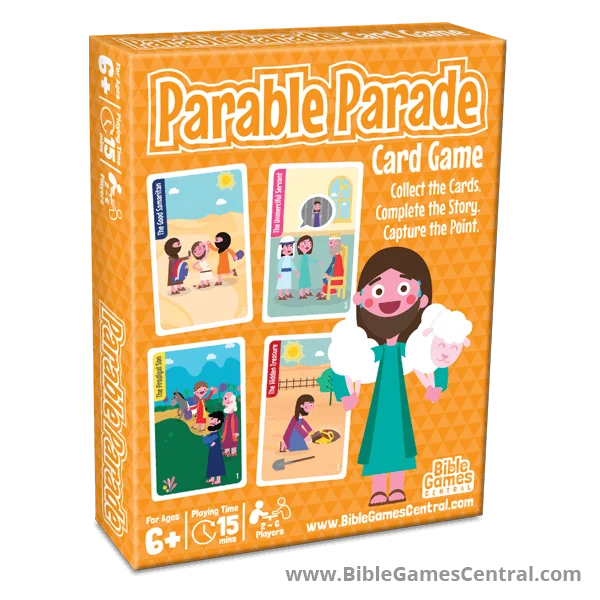
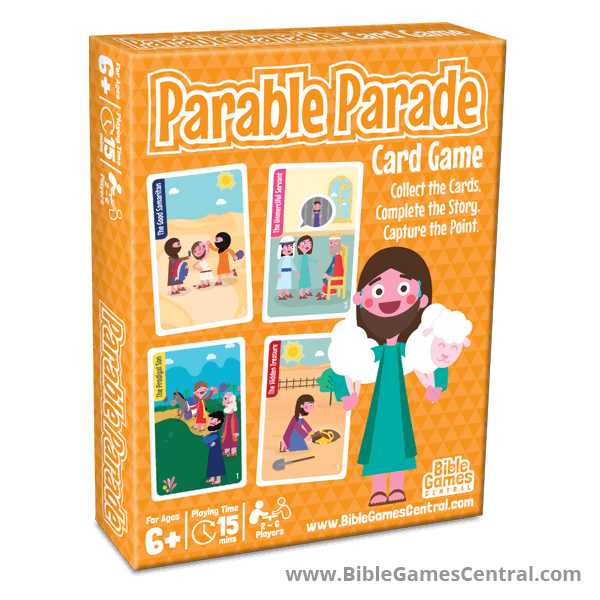
At the forefront of this movement is a series of specialized games designed to simplify the structure and stories of the Bible. One of the primary examples is "Parable Parade," a card-based game produced by Bible Games Central. The mechanics of the game are designed to simulate a narrative journey; players must collect specific sets of cards to complete twelve distinct parables, each consisting of four sequential parts. The inclusion of a "risk-reward" mechanic—the "Oopsie" card—serves as a pedagogical tool to teach patience and the consequences of over-extension, while the post-game summary cards allow educators to transition from play to formal discussion.
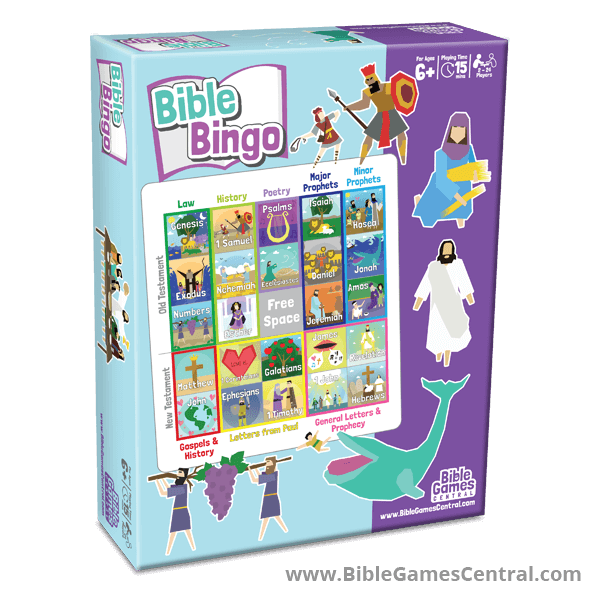
Similarly, "Bible Bingo" has been repurposed as a structural literacy tool. Rather than focusing solely on chance, the game is used to familiarize students with the organization of the Bible, including the distinction between the Old and New Testaments and the categorization of various books. Educational psychologists suggest that this type of repetitive, game-based exposure helps lower the cognitive load required for children to navigate large, complex texts. By the time a student achieves the winning "five in a row," they have inadvertently scanned and identified dozens of biblical titles, reinforcing their layout within the canon.
Chronology of Resource Development in Children’s Ministry
The evolution of these tools follows a distinct timeline that mirrors the broader technological and educational shifts of the last four decades:
- 1980s–1990s: The Era of Visual Aids. Religious education relied heavily on flannelgraphs, overhead projectors, and physical puppets. These tools were primarily one-way communication devices intended to supplement a teacher’s spoken word.
- 2000s: The Digital Transition. The introduction of DVDs and basic computer software allowed for animated storytelling. However, interactivity remained limited to simple "point-and-click" interfaces.
- 2010s: The Gamification Wave. Organizations began developing sophisticated board games and card games that integrated modern tabletop mechanics (such as deck-building and set collection) with religious themes.
- 2020–Present: The Hybrid Model. The COVID-19 pandemic accelerated the need for resources that function both in a physical classroom and a digital environment. This led to the rise of digital jigsaw puzzles, YouTube-based curriculum, and "augmented" physical tracts that use simple technology to create movement and engagement.
Digital Integration and the "I’m A Puzzle" Initiative
As digital native children become the primary demographic of youth ministries, the integration of online platforms has become essential. The "I’m A Puzzle" platform represents a strategic move to utilize browser-based gaming for religious education. By converting church-related imagery and theological infographics into digital jigsaw puzzles, educators are leveraging the "Pictorial Superiority Effect"—a phenomenon where pictures and images are more likely to be remembered than words.
Researchers in the field of educational technology note that puzzles require high levels of spatial reasoning and concentration. When applied to religious contexts, such as assembling a scene from the life of a historical figure or a map of ancient geography, the physical (or digital) act of "putting the pieces together" serves as a metaphor for theological synthesis. This method is particularly effective for neurodivergent learners who may struggle with traditional text-heavy curricula but excel in visual-spatial tasks.
The Role of Performance Arts and Gospel Juggling
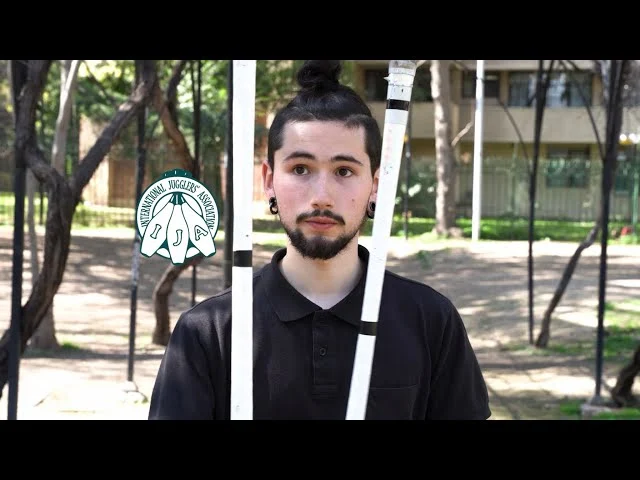
Beyond games and puzzles, the use of performance arts remains a potent tool for engagement. "Gospel Juggling," popularized by practitioners like Steve Price in the United Kingdom, utilizes the principles of visual demonstration to explain abstract concepts. Performance-based ministry serves a dual purpose: it acts as a "hook" to capture attention in secular or public spaces and functions as a mnemonic device.
The transition of these performances to digital platforms like YouTube has democratized access to high-quality visual ministry. Educators in rural or under-resourced areas can now integrate professional-grade performance art into their local programs. According to data from digital ministry analysts, video-based religious content for children has seen a 40% increase in viewership since 2020, suggesting that visual media is becoming the primary language of modern faith formation.

Tactile Evangelism: The Science of "Animated" Tracts
One of the more innovative physical resources in the current market is the "Animated Tract" produced by the organization "Let the Little Children Come." These tracts utilize a low-tech version of animation—often involving a transparent, lined plastic overlay that, when moved across a specially printed image, creates the illusion of motion. This is known as "scanimation" or kinegrams.
The effectiveness of these tools lies in the "curiosity gap." When a child sees a static image come to life, it triggers a dopamine response that increases interest in the accompanying text. Unlike a standard brochure, which may be discarded, these tactile objects are often kept and re-examined, increasing the frequency of exposure to the core message. The organization also utilizes "pop-up" mechanics and unique folding patterns to turn the reading of a tract into an act of physical discovery.
Supporting Data and Market Trends
The demand for these resources is reflected in the growing "faith-based toys and games" market. Industry reports estimate that the global market for religious educational products is expanding at a compound annual growth rate (CAGR) of approximately 5.2%. This growth is driven by:

- Parental Investment: A rising number of parents are seeking "values-based" alternatives to mainstream entertainment.
- Seasonal Surges: Organizations like Bible Games Central report significant spikes in traffic and resource downloads during the Thanksgiving and Christmas seasons, as churches look for themed activities to fill extended holiday programming.
- Accessibility: The move toward "free-to-use" digital resources (such as the game ideas provided by Bible Games Central) allows for a "freemium" model where churches can test materials before committing to bulk purchases of physical products.
Professional Analysis: Implications for Future Pedagogy
The shift toward interactive and gamified resources carries several long-term implications for religious institutions. Firstly, it requires a "re-skilling" of youth workers. The modern Sunday school teacher must be part educator, part game master, and part tech-facilitator. This change necessitates more robust training programs for volunteers.
Secondly, the globalization of these resources means that a "standardized" religious vocabulary is emerging. A child in London using "Parable Parade" is learning the same structural narratives as a child in Singapore or New York. While this promotes unity, some theologians caution that it may lead to a "homogenization" of religious expression, potentially overlooking local cultural nuances in favor of mass-produced educational materials.
Finally, the success of these tools highlights a fundamental truth about human learning: we are hardwired for story and play. By stripping away the dry, academic layers of traditional religious instruction and replacing them with vibrant, interactive experiences, these organizations are not changing the message, but rather updating the medium for a new era.

Conclusion and Broader Impact
The diverse array of resources—from the high-energy "Oopsie" cards of "Parable Parade" to the quiet concentration of a digital jigsaw puzzle—represents a holistic approach to youth ministry. By addressing the visual, auditory, and kinesthetic needs of children, these tools ensure that religious education remains relevant in an increasingly competitive attention economy. As technology continues to evolve, the next frontier will likely involve augmented reality (AR) and virtual reality (VR) experiences, further blurring the lines between play and prayer. For now, the integration of high-quality physical games and digital media provides a solid foundation for the next generation’s spiritual and intellectual development.