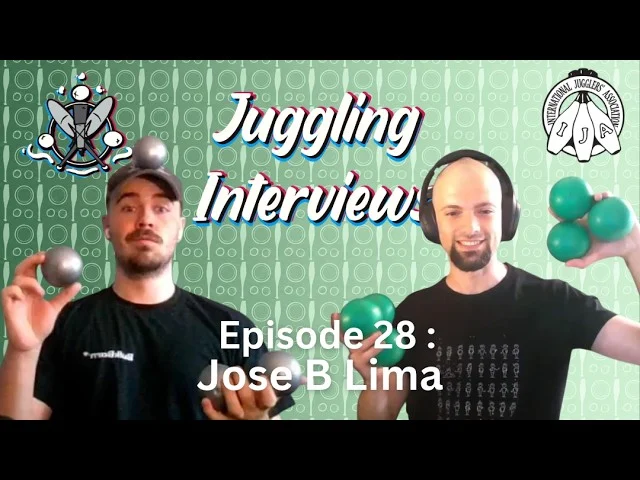

The landscape of professional variety arts and physical performance entertainment recently received a deep, retrospective examination with the release of the 152nd episode of the "Drop Everything" podcast. Published on September 28, 2026, the 78-minute episode features host Daniel Holzman sitting down with acclaimed juggler, stunt performer, and whip cracker Aaron Bonk. The conversation offers listeners an intimate look into the specialized, high-risk world of outdoor entertainment, theatrical variety shows, and the unique cultural ecosystem of Renaissance faires across North America.
For enthusiasts of performance arts, juggling history, and live-event production, the episode bridges the gap between historical circus traditions and modern independent variety acts. Holzman, drawing from his own extensive three-decade career as a professional entertainer, steers the discussion toward the realities of building a sustainable performance career outside of traditional theatrical circuits.
Main Facts of the Episode
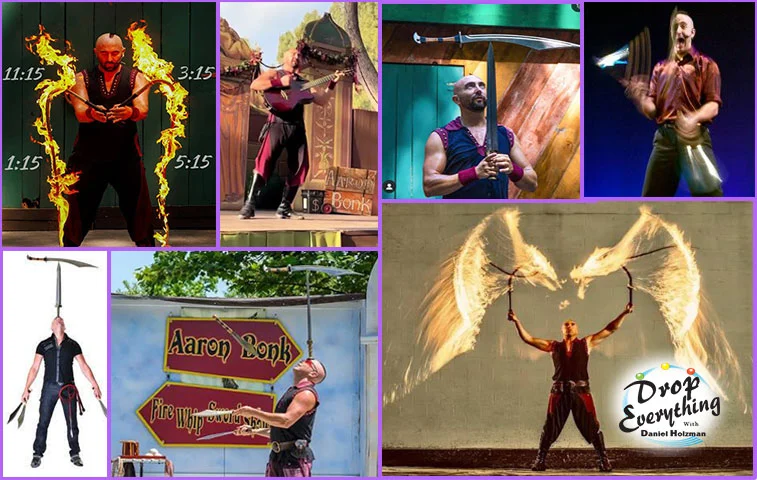
Clocking in at 78 minutes, Episode 152 focuses heavily on Aaron Bonk’s multi-faceted career. Bonk is widely recognized within the specialty entertainment industry for combining high-level technical juggling with dangerous specialty skills, notably whip cracking, fire manipulation, and sword swallowing or blade work.
Unlike traditional stage performers who operate within climate-controlled theaters with predictable technical infrastructures, Bonk and his contemporaries frequently ply their trade on the grueling Renaissance faire circuit. These outdoor festivals present unique logistical challenges, including variable weather, rustic stages, unamplified or semi-amplified acoustic environments, and audiences positioned in close proximity to hazardous props.
During the interview, Holzman and Bonk explore the evolution of the modern variety artist. They dissect how performers transition from street-performing roots to lucrative seasonal festival contracts, and the rigorous physical and mental maintenance required to execute dangerous stunts safely multiple times a day over multi-week festival runs.

Background Context: The Renaissance Faire Circuit and Variety Arts
To understand the weight of the conversation between Holzman and Bonk, it is essential to examine the unique economic and cultural framework of the Renaissance faire industry. Originating in the United States in the 1960s, the Renaissance faire movement has grown into a multi-million-dollar seasonal industry attracting millions of visitors annually.
For jugglers, acrobats, musicians, and comedians, these festivals serve as a vital economic lifeline. Unlike standard theatrical venues that operate year-round, faire circuits are typically compressed into spring and autumn blocks. Performers often endure grueling travel schedules, driving hundreds of miles between weekend engagements across different states.
Furthermore, the performance conditions at Renaissance faires demand a specific skill set. Acts must be self-contained, highly interactive, and capable of holding large, transient crowds on outdoor dirt or grass performance "gigs" (often called "dirt shows"). The incorporation of dangerous props—such as the bullwips and fire apparatus mastered by Bonk—adds layers of insurance scrutiny, regulatory compliance, and physical risk that standard stage acts rarely encounter.
Chronology and Evolution of the Hosts and Guest
The professional trajectories of both men highlight the longevity and adaptability required to survive in the modern entertainment economy.
Daniel Holzman, the host of "Drop Everything," brings significant authority to the microphone. As an International Jugglers’ Association (IJA) life member and a two-time team champion as one half of the legendary-duo the Raspyni Brothers, Holzman has spent 34 years navigating the upper echelons of professional juggling. His career spans corporate events, television appearances, and international variety festivals. Since launching the "Drop Everything" podcast, Holzman has utilized his industry connections to document the oral history of modern juggling, interviewing pioneers, innovators, and contemporary masters.
Aaron Bonk, the featured guest for Episode 152, represents a distinct breed of modern multidisciplinary performer. Over his career, Bonk has built a reputation not merely as a technician who can manipulate objects, but as a dynamic showman who integrates narrative, high-stakes danger, and audience participation. His transition through various performance markets—from localized street performance to major seasonal festival headliner—mirrors the broader shifts in how physical artists market themselves in the 21st century.

Supporting Data and Industry Insights
While variety arts are often viewed through the romantic lens of bohemian lifestyle choices, the business behind professional juggling and stunt work is grounded in rigorous logistics. Industry data indicates that full-time outdoor festival performers face distinct financial variables:
- Seasonal Concentration: Up to 60% of an independent variety performer’s annual income within the outdoor festival sector can be generated during compressed 8-to-12-week spring and autumn festival windows.
- Physical Wear and Injury Rates: Stunt-based performers who incorporate high-impact physical manipulation, heavy prop handling (such as multi-pound clubs or weighted whips), and repetitive motion report a significant incidence of joint and tendon strain over careers spanning decades.
- Safety and Compliance: Modern festival venues enforce stricter safety perimeters for fire and projectile acts than previous decades, requiring performers to maintain specialized liability insurance policies that can scale significantly based on the inclusion of pyrotechnics or live steel.
The discussion on Episode 152 touches indirectly upon these pressures, illuminating how veteran performers manage the physical toll of their craft while maintaining the high energy necessary to engage family audiences.
Statements and Thematic Takeaways
While the podcast is conversational in tone, several core themes emerge regarding the philosophy of modern performance:
- The Value of Adaptability: Both Holzman and Bonk emphasize that technical skill alone is insufficient for long-term career survival. Performers must master crowd psychology, weather contingency planning, and self-promotion.
- Preservation of Craft: The episode serves as an audio archive for methods of performance that rely heavily on live, unedited interaction rather than digital enhancement.
- Community and Mentorship: Discussions highlight the insular yet supportive nature of the juggling and variety arts community, where knowledge of prop manipulation, safety protocols, and staging techniques is passed down through generations of practitioners.
Broader Impact and Implications for the Variety Arts
The release of Episode 152 contributes to a growing body of niche media dedicated to preserving the history of physical theater and circus arts. As traditional variety slots on television have contracted over the past few decades, independent podcasts and digital platforms have become primary archives for the institutional knowledge of traveling performers.
For aspiring jugglers and stunt artists, episodes featuring veterans like Aaron Bonk provide a realistic roadmap of the industry. They demystify the romanticized notions of touring life by addressing the physical stamina, business acumen, and psychological resilience required to maintain a decades-long career in the public eye.
"Drop Everything" Podcast #152 is currently available for streaming across major podcast platforms, with full episode archives and supplementary materials maintained via the International Jugglers’ Association network. As the series continues under Holzman’s stewardship, it remains a critical touchstone for documenting the triumphs, challenges, and daily realities of individuals who have dedicated their lives to the art of the impossible.