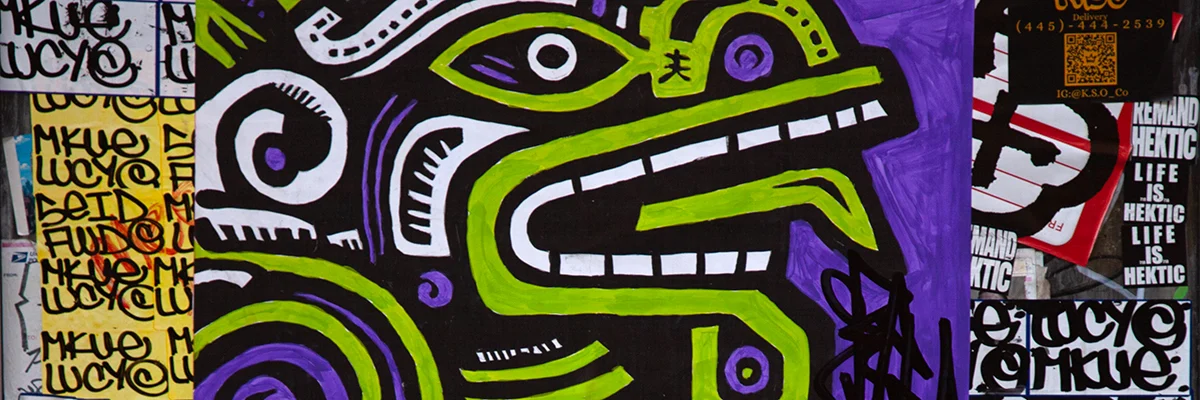
The evolution of graffiti from a clandestine, subcultural act of defiance into a foundational pillar of contemporary visual language is the subject of a major new exhibition, Deep Rooted: The Impact of Graffiti on Art. Opening on September 19, 2026, at Kunsthal Helmond in the Netherlands, the exhibition challenges the traditional art-historical narrative that treats graffiti merely as a stylistic trend. Instead, it frames the movement as a primary catalyst for modern artistic methodology, tracing a lineage from the spray-painted subways of 1970s New York to the multifaceted, technology-driven practices of today.
A Curatorial Shift: Beyond Aesthetics
Guest curator Jasper van Es, a noted scholar of urban art culture, has curated the exhibition to move beyond the superficial appreciation of aerosol techniques. By organizing the display around the concept of "city dirt"—the fertile, gritty environment from which graffiti emerged—van Es argues that the movement provided a new blueprint for authorship, public intervention, and the democratization of visual space.
Historically, museums have struggled to reconcile the "vandalistic" origins of graffiti with the "sanctified" space of the gallery. Deep Rooted resolves this by presenting graffiti not as an end point, but as a beginning. The exhibition highlights how the ethos of the street—repetition, rapid execution, and the reclamation of architecture—has bled into performance art, photography, and digital activism. According to official statements from Museum Helmond, the show serves as a rigorous examination of how the "language of the street" fundamentally altered the DNA of contemporary art, forcing institutions to rethink who is granted the authority to intervene in public and private spaces.

Chronology: From the Bronx to the Global Stage
The exhibition draws heavily from the archives of Museum Helmond, which maintains one of Europe’s most significant collections of early graffiti works. The narrative arc of the exhibition is chronological, designed to demonstrate the steady permeation of street aesthetics into the mainstream:
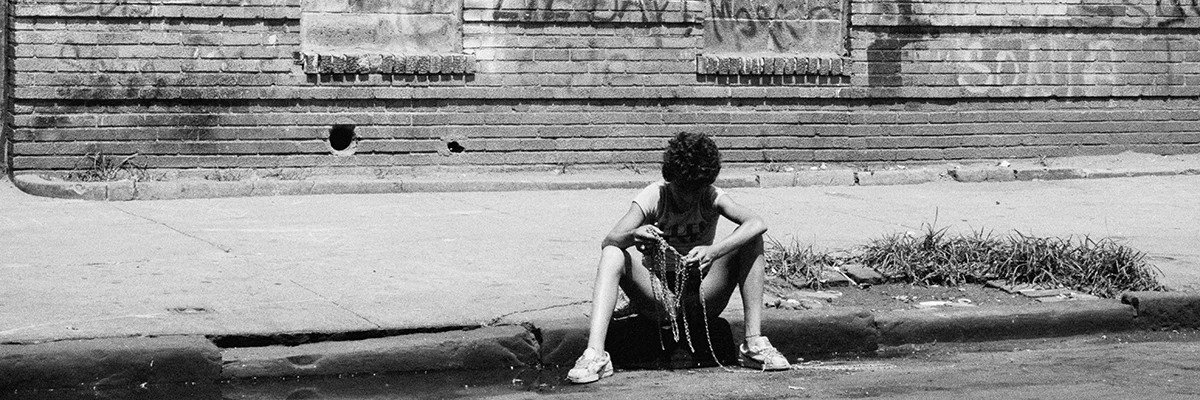
- The 1970s (The Formative Years): The exhibition begins with the raw, documentary evidence of the movement’s birth. Through the photography of Joe Conzo and the ephemera of the Bronx era, visitors are introduced to a period where graffiti was a vital tool for community visibility. During this time, the "tag" was a claim to existence in an era of urban decay.
- The 1980s (The Canvas Migration): The transition of graffiti from subway cars to the white-cube gallery is illustrated through works by New York pioneers including Blade, Crash, Dondi White, and Rammellzee. This era marked the first institutional attempt to categorize graffiti as fine art, often sparking intense debate regarding the commodification of illicit art.
- The 1990s and 2000s (Diversification): The exhibition tracks the movement’s expansion into public intervention and site-specific installations. Artists like Brad Downey began to apply the "graffiti mindset"—a subversion of the intended use of public space—to sculpture and performance, moving away from traditional lettering to conceptual frameworks.
- The 2020s (Contemporary Integration): The final section highlights current practitioners such as Vincent de Boer, Epos 257, and Thomas Trum. Their work demonstrates how digital tools, data-driven art, and new media have adopted the "repetition and visibility" themes once reserved for spray-painted walls.
Supporting Data: The Institutional Recognition of Street Art
The legitimacy of Deep Rooted is bolstered by the historical foresight of Museum Helmond. While many European institutions were hesitant to acknowledge graffiti throughout the 1990s, Museum Helmond began building its collection during the early stages of the movement’s transition to the art market. Data from the institution suggests that the acquisition of these works was part of a broader shift in European museum strategy, aiming to document the "cultural vernacular" of the late 20th century rather than relying solely on traditional art-historical canons.
Furthermore, the participation of international artists—ranging from American pioneers to Dutch innovators like Sigma Megaforce and Caroline Vercruysse—highlights the global reach of the movement. This diversity in the artist roster serves as empirical evidence that the "graffiti style" is not a singular entity but a modular language that has been adapted to fit distinct socio-political climates, from the post-industrial landscapes of the United States to the urban centers of Europe.
The Philosophy of Public Intervention
At the heart of the exhibition is a philosophical inquiry into the nature of ownership. Graffiti inherently challenges the concept of private property by utilizing public or semi-public spaces for unauthorized communication. Deep Rooted explores how this challenge has influenced modern artistic practices, particularly in the realm of activism.

By placing artists like Futura 2000 and Zephyr alongside contemporary conceptualists, the exhibition draws a direct line between the "bombed" subway train and the contemporary public intervention. The argument is clear: the graffiti artist was the first to effectively use the city as a canvas, and contemporary art has spent the last four decades catching up to the implications of that radical act. This is not merely an aesthetic influence; it is a fundamental shift in how artists engage with the public, shifting from the passive creator to the active, and often disruptive, participant in urban life.
Implications for Future Scholarship
The significance of this exhibition extends to the broader field of art history. By standardizing the study of graffiti through an institutional lens, Kunsthal Helmond is contributing to the stabilization of a field that has historically been dismissed as ephemeral.
Fact-based analysis suggests that the exhibition will likely influence future curatorial approaches, encouraging museums to look for the "DNA" of street culture in contemporary works that may not appear to be "street" at first glance. If the exhibition succeeds in its aim, it will be because it convinces the viewer that graffiti is a way of seeing and a way of behaving in the city, rather than just a specific set of visual tropes. As cities continue to densify and public space becomes increasingly privatized, the lessons found in the graffiti culture of the 1970s—visibility, audacity, and the reclamation of space—may be more relevant today than they were when they first emerged.
Exhibition Details
- Event: Deep Rooted: The Impact of Graffiti on Art
- Location: Kunsthal Helmond, F.J. van Thielpark 7, Helmond, Netherlands
- Dates: September 19, 2026 – February 7, 2027
- Featured Artists: Blade, Vincent de Boer, Joe Conzo, Crash, Brad Downey, Epos 257, Futura 2000, Sigma Megaforce, Edward Nightingale, NOC 167, Phase II, Quik, Rammellzee, Ralph Roelse, Seen, Thomas Trum, Utah, Caroline Vercruysse, Dondi White, and Zephyr.
- Curator: Jasper van Es
The exhibition stands as a milestone for the recognition of graffiti within the European institutional framework. By providing a comprehensive look at the lineage of the movement, the curators have ensured that the debate surrounding graffiti will continue to evolve, moving away from questions of legality and into a deeper exploration of the movement’s contribution to the evolution of human expression in the modern urban environment. Interested parties and prospective visitors are encouraged to consult the official museum website for specific programming, including lectures and guided tours that will accompany the exhibition throughout its five-month run.