The crisp, temperate air of mid-September has returned to New York City, marking the 25th anniversary of the September 11, 2001, terrorist attacks. While the city has undergone significant physical and cultural transformations over the last quarter-century, the emotional resonance of the anniversary remains a defining feature of the local landscape. As Lower Manhattan hosted solemn commemorative ceremonies this past Friday, the streets of the five boroughs continue to act as a living, breathing canvas for the city’s evolving consciousness. This week’s selection of street art and graffiti serves as a poignant reminder of how the urban environment functions as a repository for memory, protest, and artistic expression. The contributions from a diverse roster of artists—including AIC Mosaic, Below Key, Benny Bean Bag, D7606, DARA, Delude, Dissatisfied, Duality Industries, Flyless, Homesick, IMSE704, JerkFace, Mike King, MUK, Never, OH!, Praxis, RX Skulls, SAKOKA704, Slasher, and Wild West—reflect a city that is constantly in dialogue with its past.
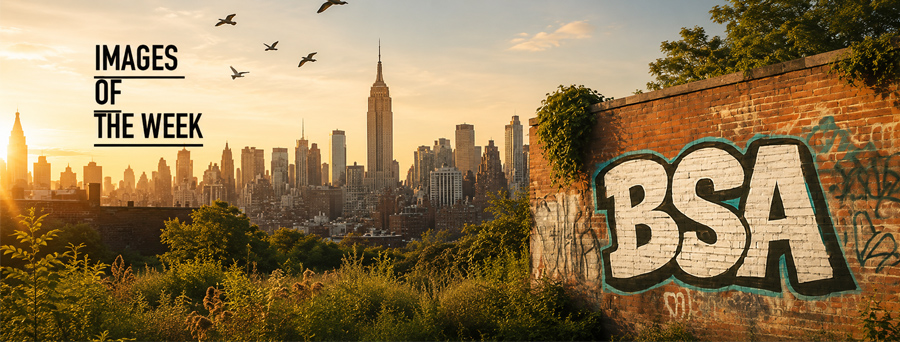
A City Defined by Remembrance and Renewal
Twenty-five years after the collapse of the Twin Towers, the physical footprint of the World Trade Center site has been entirely reimagined. The National September 11 Memorial & Museum stands as a site of profound historical weight, drawing millions of visitors annually. However, beyond the structured architecture of memorialization, the city’s walls and alleyways provide a more decentralized, grassroots approach to history.

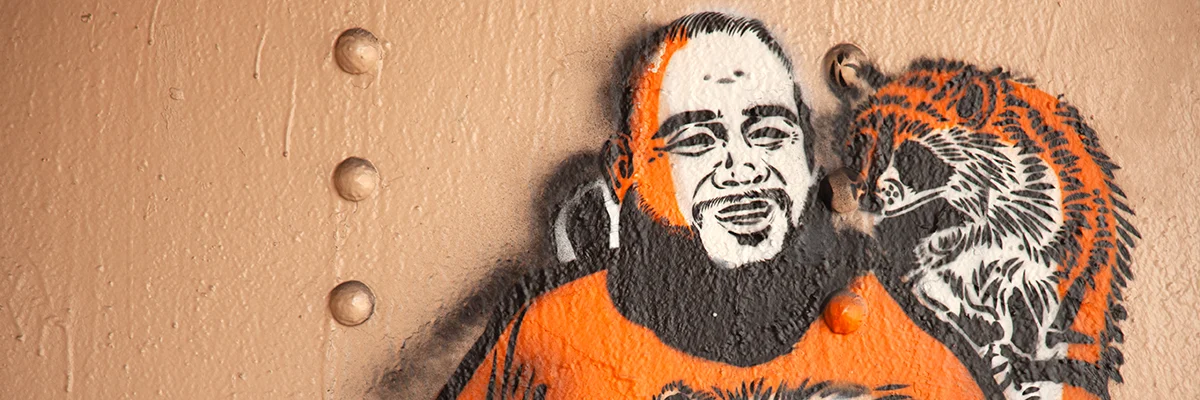
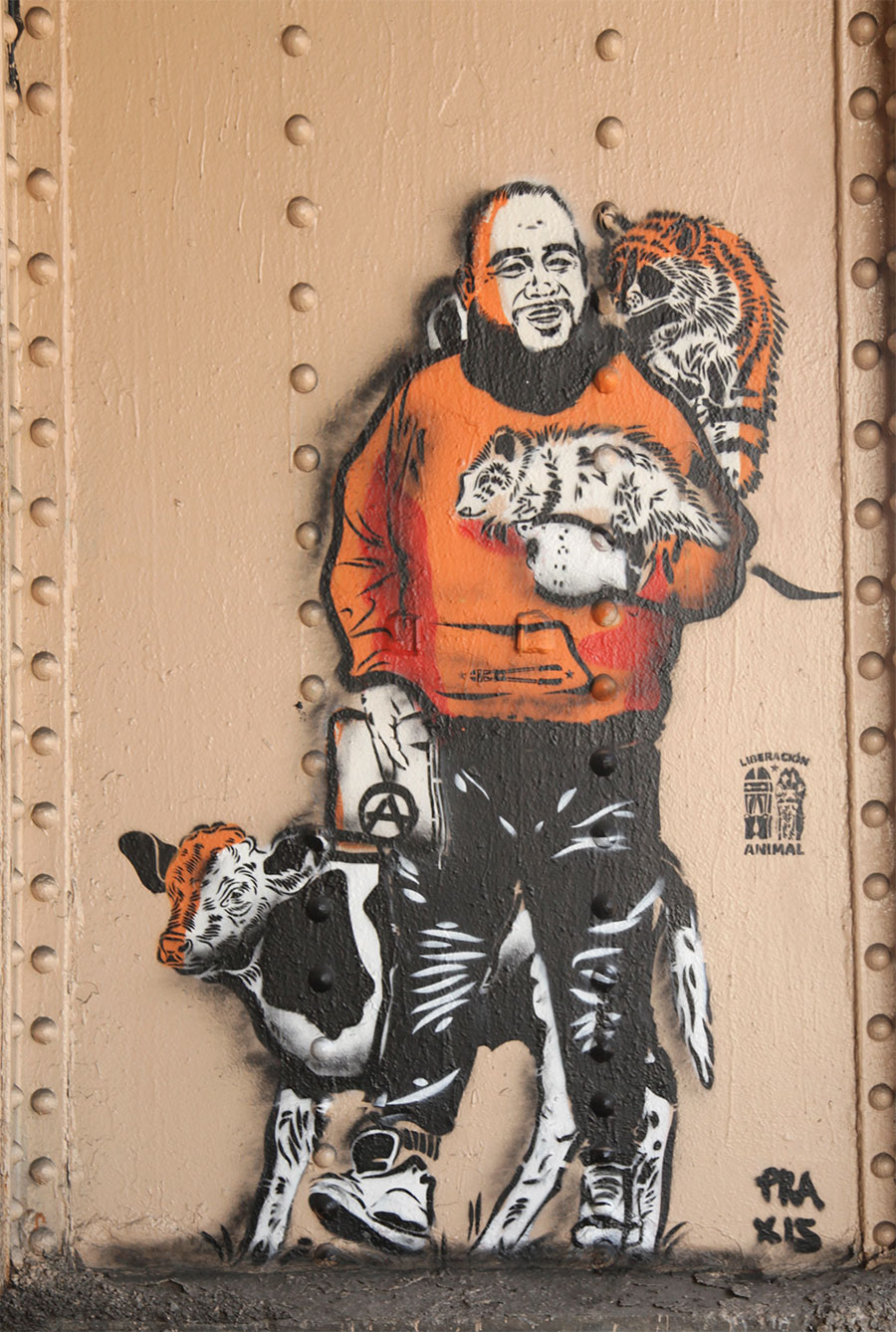
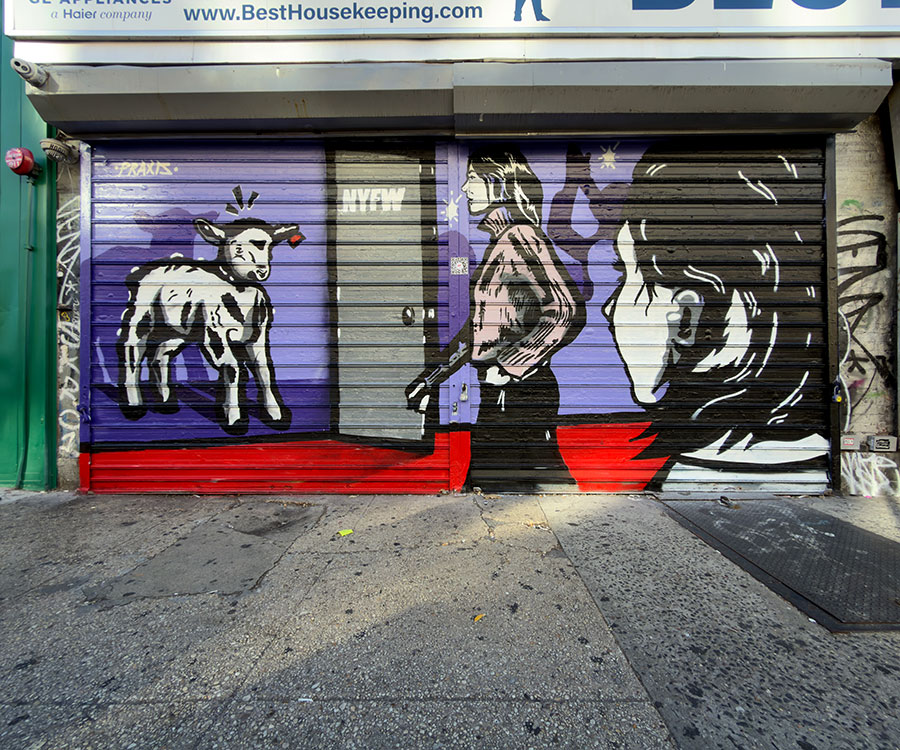
This week, the juxtaposition of commemorative imagery and contemporary street art was particularly striking. The artistic output observed across Brooklyn and Manhattan highlights a shift from traditional murals to a mix of installation, intricate tag-based graffiti, and conceptual pieces. Artists such as Praxis and the collaborative duo of Slasher and JerkFace have utilized the urban aesthetic to capture the tension between the city’s enduring trauma and its relentless drive toward renewal.
Artistic Perspectives on the 25-Year Milestone
The current wave of street art in New York City is characterized by a high degree of technical skill and a thematic focus on persistence. In Lower Manhattan, where the memory of the events of 2001 is most visceral, the atmosphere this week was marked by a synthesis of public mourning and creative reclamation.

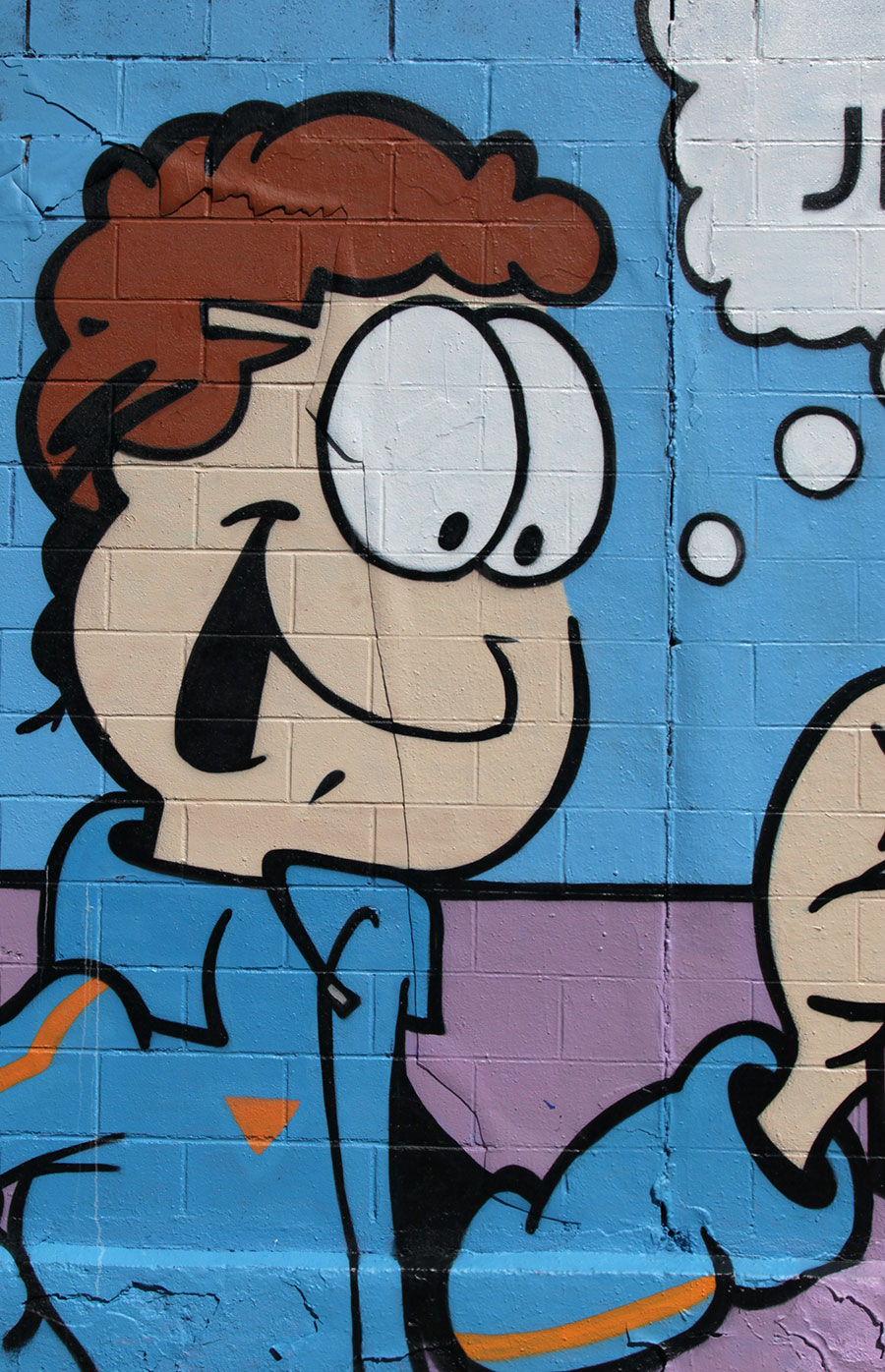
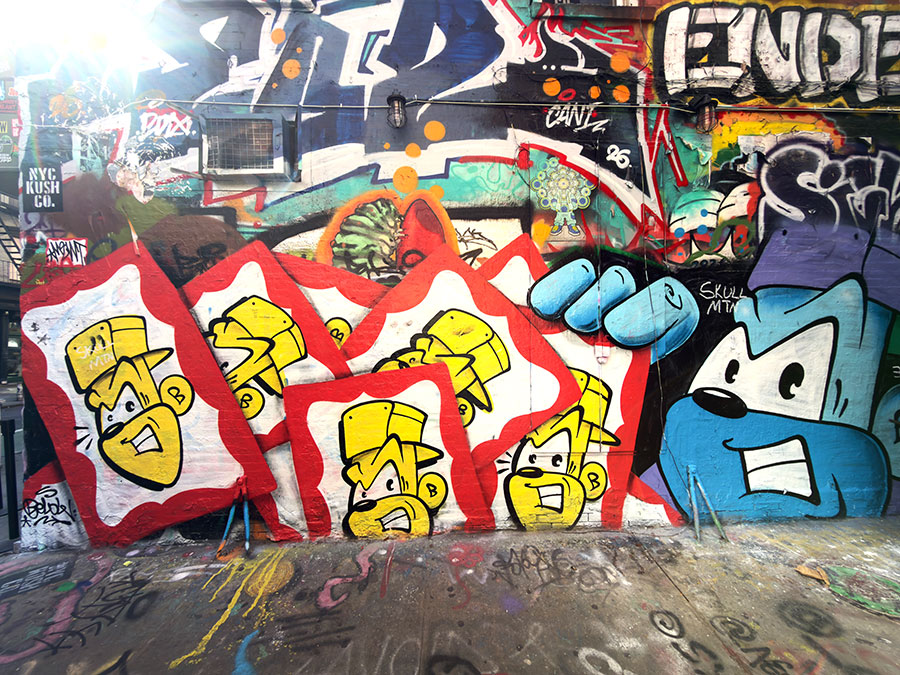
The collaborative works of Slasher and JerkFace, captured by photographer Jaime Rojo, display a vibrant, graphic sensibility that contrasts sharply with the somber tone of the anniversary. By integrating pop-culture elements with traditional graffiti letterforms, these artists engage in a form of visual disruption that reminds commuters and residents alike that the city is not a static museum, but a living entity.
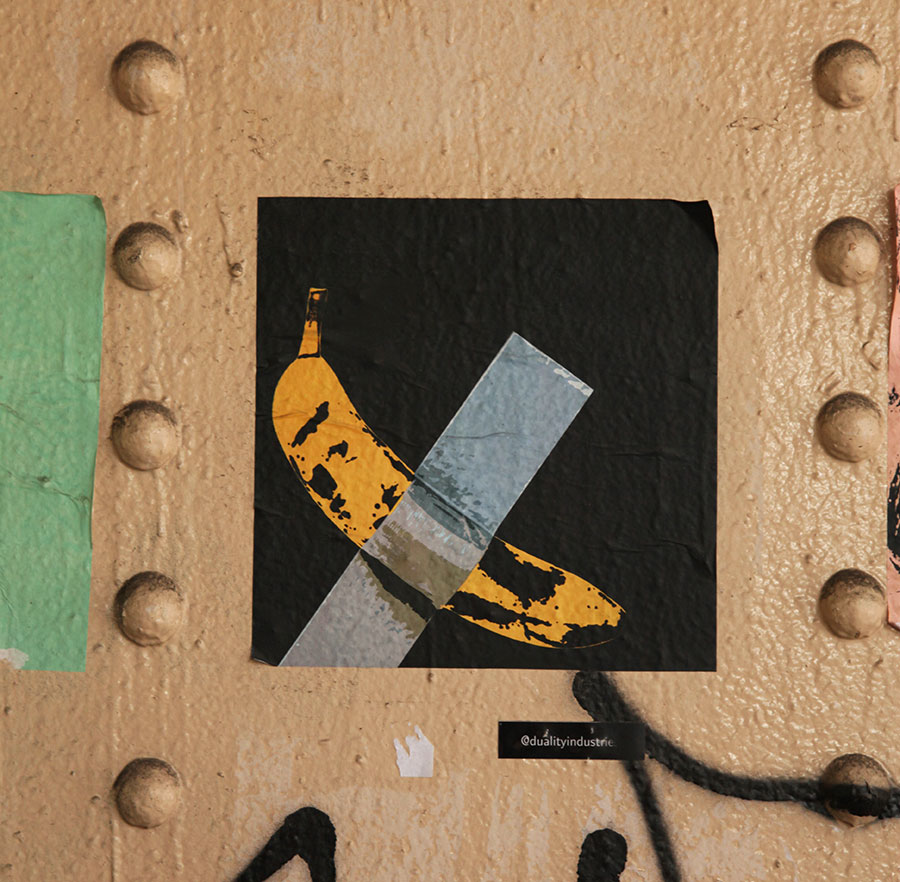
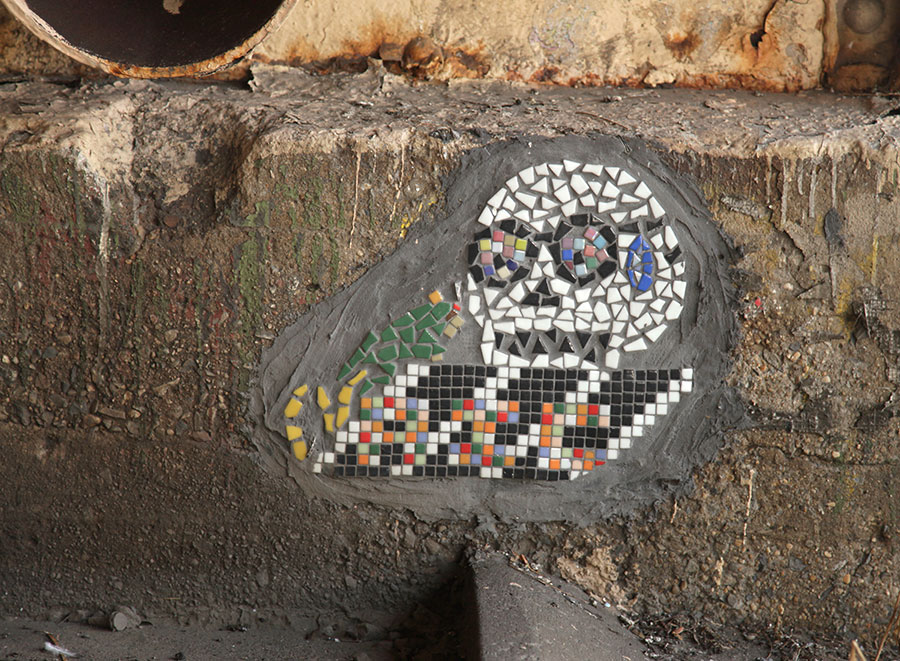
Similarly, the contributions of Duality Industries and AIC Mosaic suggest a preoccupation with the complexity of identity in a post-9/11 world. The patterns and textures utilized in their work often evoke a sense of fragmentation—an apt metaphor for the historical narrative of the early 21st century.
Technical Evolution of the Street Art Movement
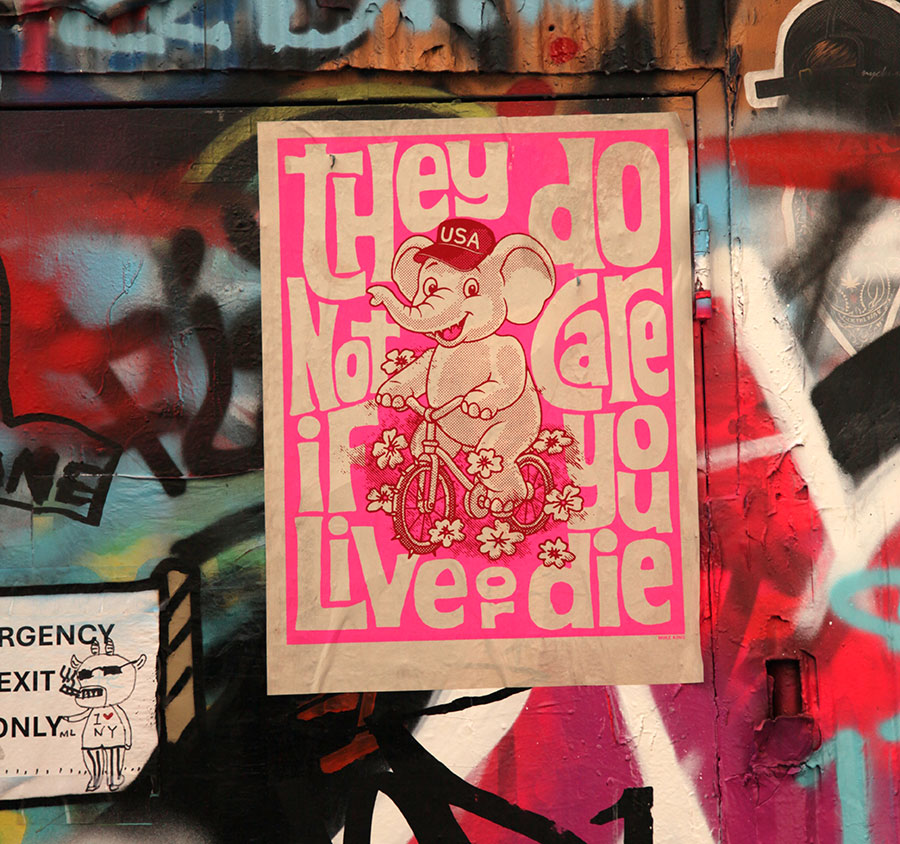
The street art scene in 2026 has matured significantly compared to the early 2000s. The technical proficiency of artists like Mike King, whose work often explores depth and spatial awareness, indicates a shift toward a more deliberate, studio-informed practice. The prevalence of complex, multi-layered wheatpastes and aerosol techniques from artists like D7606 and RX Skulls demonstrates the increasing sophistication of the medium.

Furthermore, the collaborative mural efforts seen this week—specifically the work involving IMSE704, SAOKA704, and Never—highlight the importance of community and network-based art production. These murals, which often span large sections of industrial walls in Brooklyn, provide a necessary aesthetic counterpoint to the rapid gentrification and glass-façade development that has redefined the city’s skyline over the last decade.
Historical Context and Societal Impact
The 25th anniversary of 9/11 is a significant sociopolitical milestone. Data from the New York City Economic Development Corporation (NYCEDC) shows that Lower Manhattan has undergone a remarkable demographic and economic pivot since 2001. Once a strictly commercial district, the area has transitioned into a thriving residential hub with a population growth of over 150% since the early 2000s. This shift has fundamentally changed the audience for street art; it is no longer just the domain of the disenfranchised, but a cultural asset that is increasingly recognized by the city’s new, younger demographic.
However, this transition has not been without tension. The street art featured in this week’s collection often highlights the friction between the city’s commercial development and its historical soul. When artists like Delude and Wild West tag or paint within the industrial corridors of Brooklyn, they are participating in a long-standing tradition of marking territory in an environment that is constantly trying to sanitize its edges.
Official Responses and Public Engagement
The city government has increasingly looked toward public art as a means of fostering civic engagement. Mayor-led initiatives have often included the commissioning of murals in underserved neighborhoods, though the relationship between unauthorized street art and city authorities remains complex. During this week’s anniversary, city officials emphasized the importance of unity and resilience, themes that are mirrored in the collaborative, non-hierarchical nature of the street art community.
While the art featured this week may not be explicitly political in its imagery, its presence on the street is inherently a political act. By occupying public space and asserting their presence, these artists are, in a sense, echoing the resilience shown by the city in the weeks and months following September 2001.
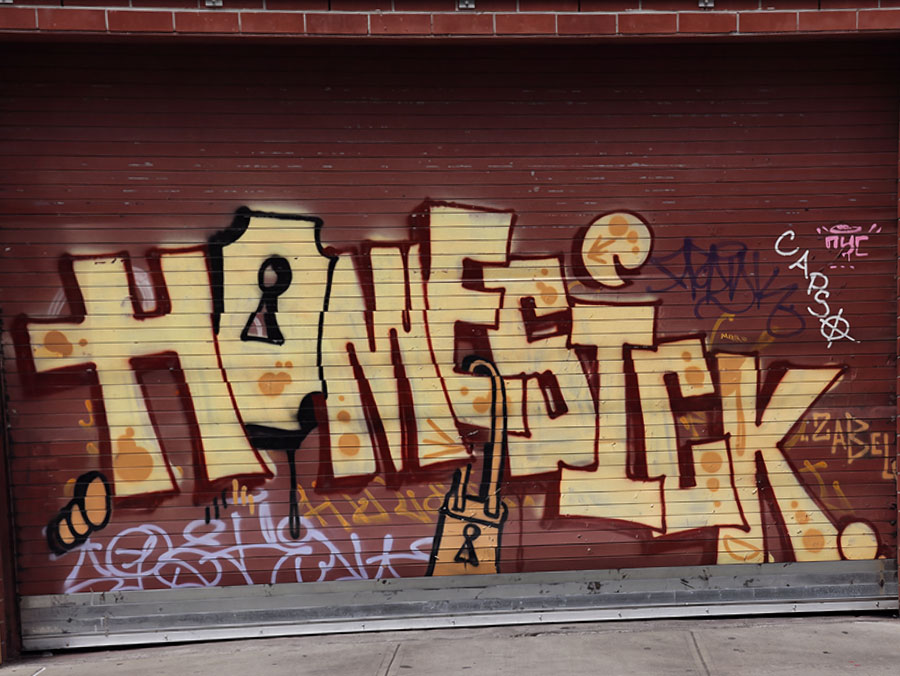
The Role of Documentation: The Legacy of Jaime Rojo
The documentation provided by photographers like Jaime Rojo is essential to understanding the ephemeral nature of this movement. Without high-quality archives of these works, the history of this period’s street culture would effectively disappear as soon as the paint faded or the walls were buffed. The images presented here offer a permanent record of an otherwise fleeting moment, bridging the gap between the immediate experience of the pedestrian and the historical record of the city.

The meticulous detail in the shots of Praxis’s work or the wide-angle documentation of the 9/11 Memorial surroundings allows viewers to appreciate the craftsmanship involved in these pieces. It also provides a necessary lens through which we can view the city’s transformation—from a site of tragedy to a vibrant, evolving cultural capital.
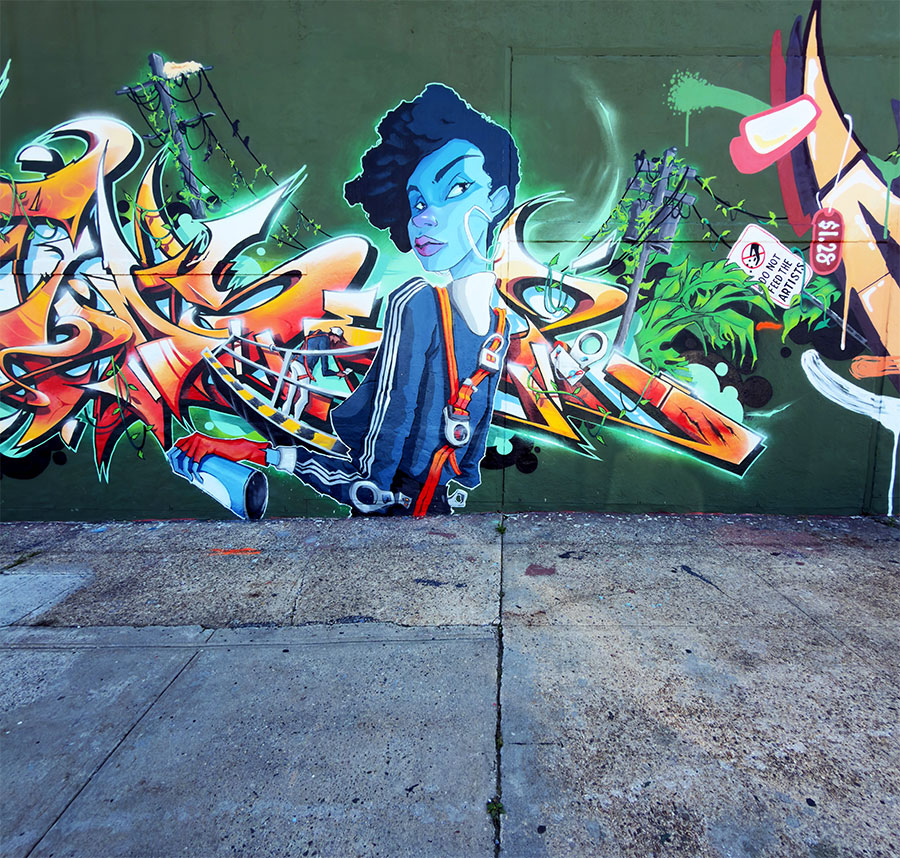
Looking Forward: The Future of Urban Expression
As we move past the 25-year mark, the question remains: what is the future of street art in a city that is becoming increasingly surveilled and developed? The resilience of artists like Benny Bean Bag, MUK, and Smells suggests that the impulse to create—to leave a mark on the urban fabric—is an irreducible part of the New York City experience.
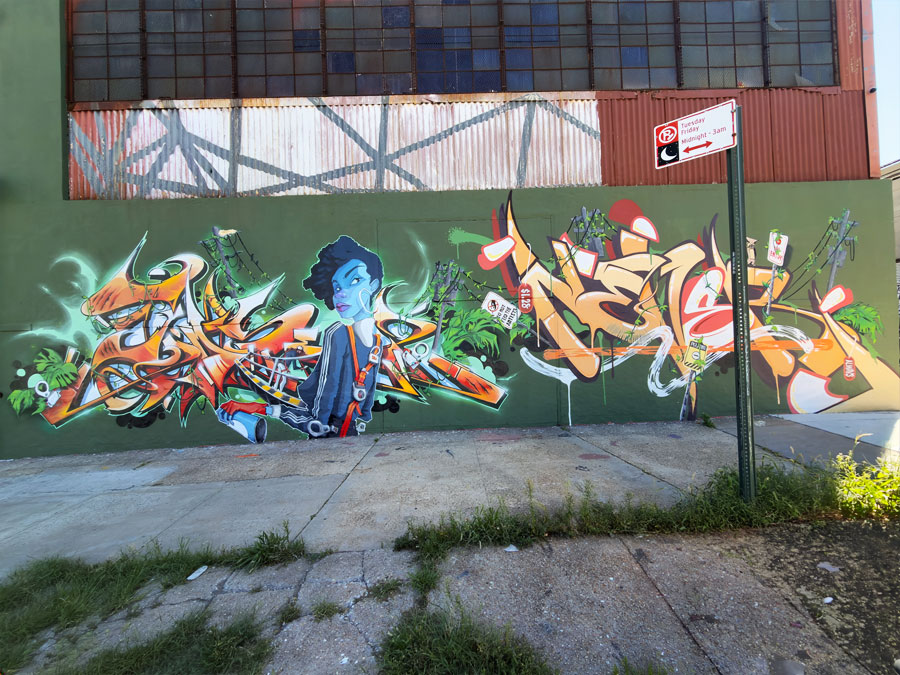
The diversity of styles, from the abstract geometry of OH! to the more figurative, illustrative approach of DARA, suggests that the movement is not coalescing into a single style, but rather branching out into a multitude of personal and collective expressions. This plurality is the movement’s greatest strength. It allows for a multitude of voices, each reflecting a different facet of the New York experience.
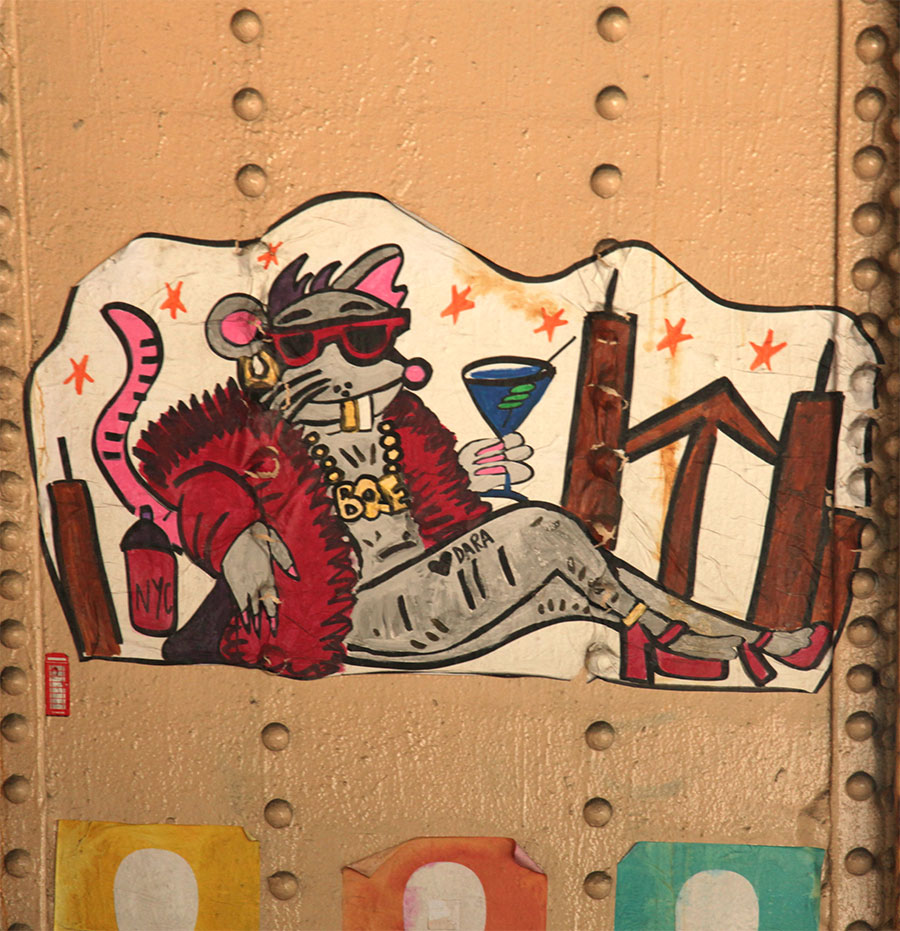
In conclusion, the street art of September 2026 serves as a mirror for a city that is still grappling with the weight of its history while simultaneously looking toward an uncertain future. Whether through the bold lettering of a graffiti tag or the intricate composition of a mural, these artists contribute to a collective narrative that is as diverse, complicated, and resilient as the city itself. As New Yorkers pause to remember the events of 2001, they are surrounded by a landscape that is constantly renewing itself—a testament to the enduring power of the city to reinvent its identity, one wall at a time. The works listed here—by AIC Mosaic, Below Key, Benny Bean Bag, D7606, DARA, Delude, Dissatisfied, Duality Industries, Flyless, Homesick, IMSE704, JerkFace, Mike King, MUK, Never, OH!, Praxis, RX Skulls, SAKOKA704, Slasher, and Wild West—are not just decorations; they are the markers of our collective survival and our ongoing commitment to expression in the public square.