Modern global mobility has long been dominated by extractive tourism, characterized by brief itineraries, standardized sightseeing, and superficial interactions with host nations. Travelers frequently follow established guidebooks to photograph iconic landmarks, dine at recommended establishments, and reside in insulated tourist bubbles. Even long-term travelers who reject the traditional "tourist" label often replicate these patterns, albeit at a slower pace and with stricter budget constraints. Industry analysts note that while popular culture romanticizes instantaneous immersion and deep friendships with locals, structural barriers—such as language differences, short transit windows, and local indifference to temporary visitors—frequently prevent authentic integration.
In response to these limitations, a significant shift is occurring within the international travel sector. Travelers, particularly younger demographics, are increasingly moving away from passive tourism and remote work models in favor of structured international work placements, volunteer initiatives, and working holidays. This transition highlights a growing demand for immersive, community-integrated experiences that offer long-term professional development and genuine cultural exchange.
The Evolution of Global Mobility: From Passive Tourism to Digital Nomadism
For decades, the prevailing aspiration for extended travel was the "digital nomad" model. Enabled by remote employment and digital connectivity, individuals would earn income in robust home currencies while residing in lower-cost international destinations. However, market research indicates this lifestyle remains accessible to only a narrow demographic. Successful digital nomadism typically requires specialized remote employment, established income streams, and a degree of career security that younger travelers or entry-level professionals rarely possess.
Consequently, working holidays have emerged as a more viable and grounded alternative. Rather than importing remote employment, working holiday makers secure local employment upon arrival. This approach integrates participants directly into regional economies, fostering organic relationships through workplaces, community groups, and local routines rather than temporary coworking spaces or transient hostels. Industry stakeholders report that this model provides the foundational structure of long-term residence—complete with local colleagues, structured schedules, and community responsibilities—without requiring years of prior professional experience.
The Rise of Structured International Placement Organizations
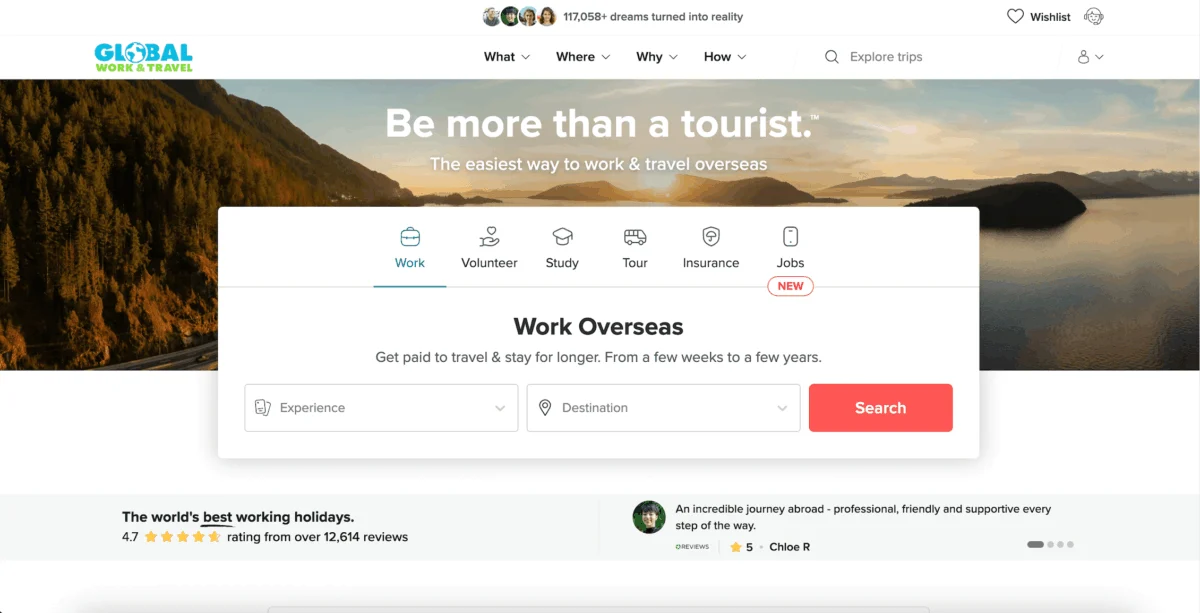
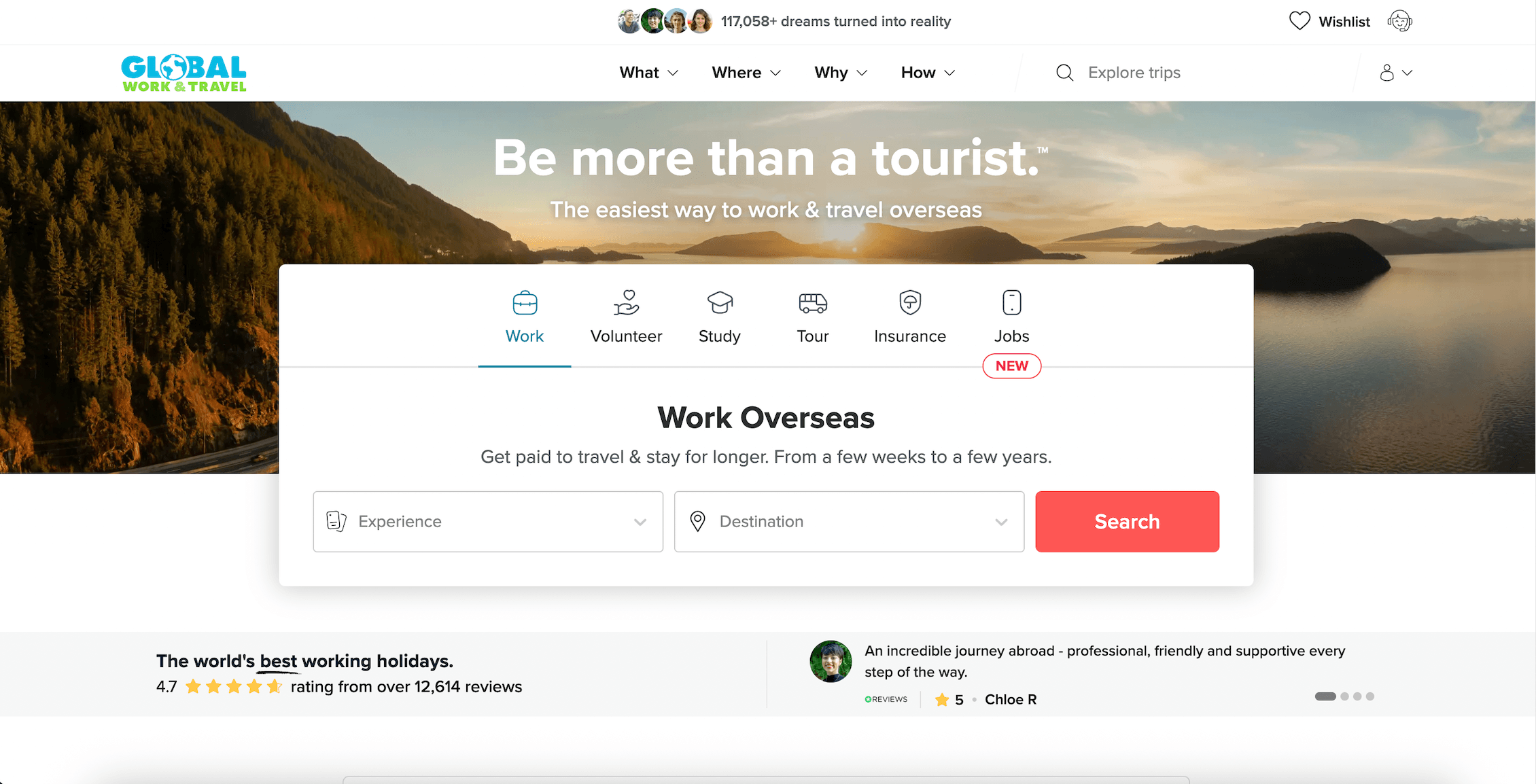
Navigating the logistics of moving abroad independently presents considerable challenges. Prospective international workers frequently encounter complex visa regulations, highly competitive local job markets, expensive transport, and precarious accommodation options. To mitigate these hurdles, specialized global placement organizations have expanded significantly over the past two decades.
The largest entity in the gap year and working holiday sector, Global Work & Travel, has coordinated international placements for over 116,000 participants across Europe, the Americas, Asia, Africa, and the Pacific since its founding nearly twenty years ago. These organizations provide an administrative and logistical framework designed to bridge the gap between ambition and execution. Services typically include pre-departure counseling, visa navigation, guaranteed job or volunteer placements, and ongoing support via centralized management applications, such as the gWorld portal. By absorbing the administrative friction of relocating abroad, these programs reduce the attrition rate among first-time international travelers.
Ethical Considerations and the Maturation of Volunteer Tourism
Voluntourism—volunteering while traveling—has historically faced scrutiny from sociologists and international development experts. Past iterations of volunteer tourism were frequently criticized for prioritizing the emotional fulfillment of the traveler over the sustainable development needs of the host community. Critics noted instances where unskilled participants performed tasks better suited to local laborers, inadvertently disrupting local economies or social structures.
In response to these critiques, the industry has undergone a stringent vetting process. Modern ethical frameworks emphasize community-led initiatives where host populations define their own priorities. Contemporary programs focus heavily on verified sectors, including wildlife conservation, marine protection, community development, specialized education, and healthcare support.
For instance, verified initiatives in South Africa and Thailand work in tandem with local conservationists and rehabilitation centers to protect endangered species and natural habitats. Similarly, community development projects in East Africa are designed around infrastructural and educational goals established by regional leadership. To ensure accountability, organizations frequently channel a portion of operational proceeds into dedicated preservation funds, aligning individual placements with measurable ecological and social outcomes.
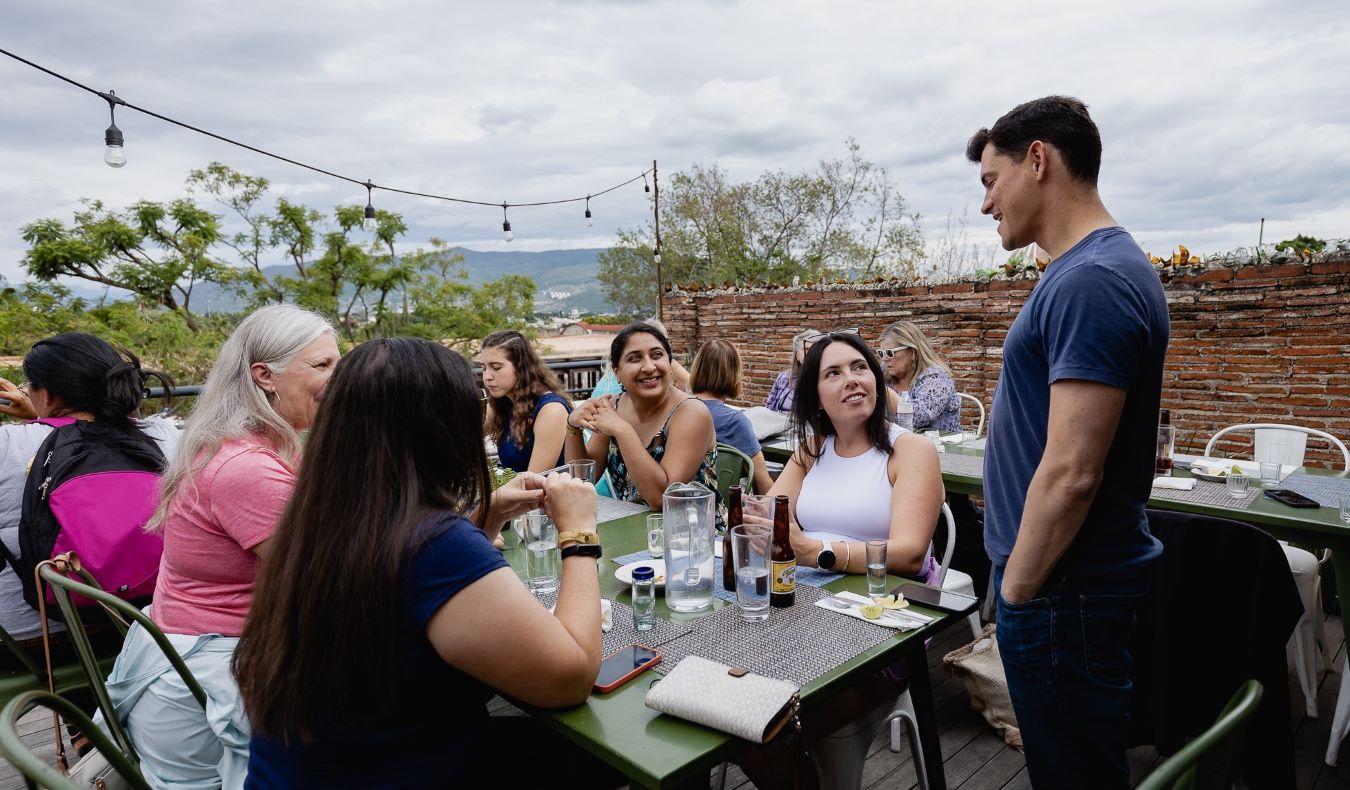
Economic and Professional Implications
Participating in a structured working holiday or volunteer placement offers distinct economic and professional advantages. Rather than depleting personal savings over a brief vacation, participants generate local income that helps offset the cost of extended travel. Furthermore, international work experience enhances professional portfolios, developing cross-cultural communication, adaptability, and problem-solving skills valued by employers in an increasingly globalized labor market.
Financial security and consumer protections have also evolved to meet the demands of modern travelers. Current industry standards frequently feature flexible booking policies, such as non-expiring deposits and alignment with international consumer protection agencies, safeguarding participants against unforeseen geopolitical or personal disruptions.
Broader Outlook on Global Travel Trends
The pivot toward structured working holidays and ethical volunteering reflects a broader maturation within the travel industry. As global connectivity increases, the value proposition of travel is shifting from passive consumption to active contribution and integration. By removing bureaucratic barriers and prioritizing sustainable community engagement, structured international placement programs are redefining how a new generation experiences the world, transforming travel from a temporary diversion into a sustainable, formative lifestyle.