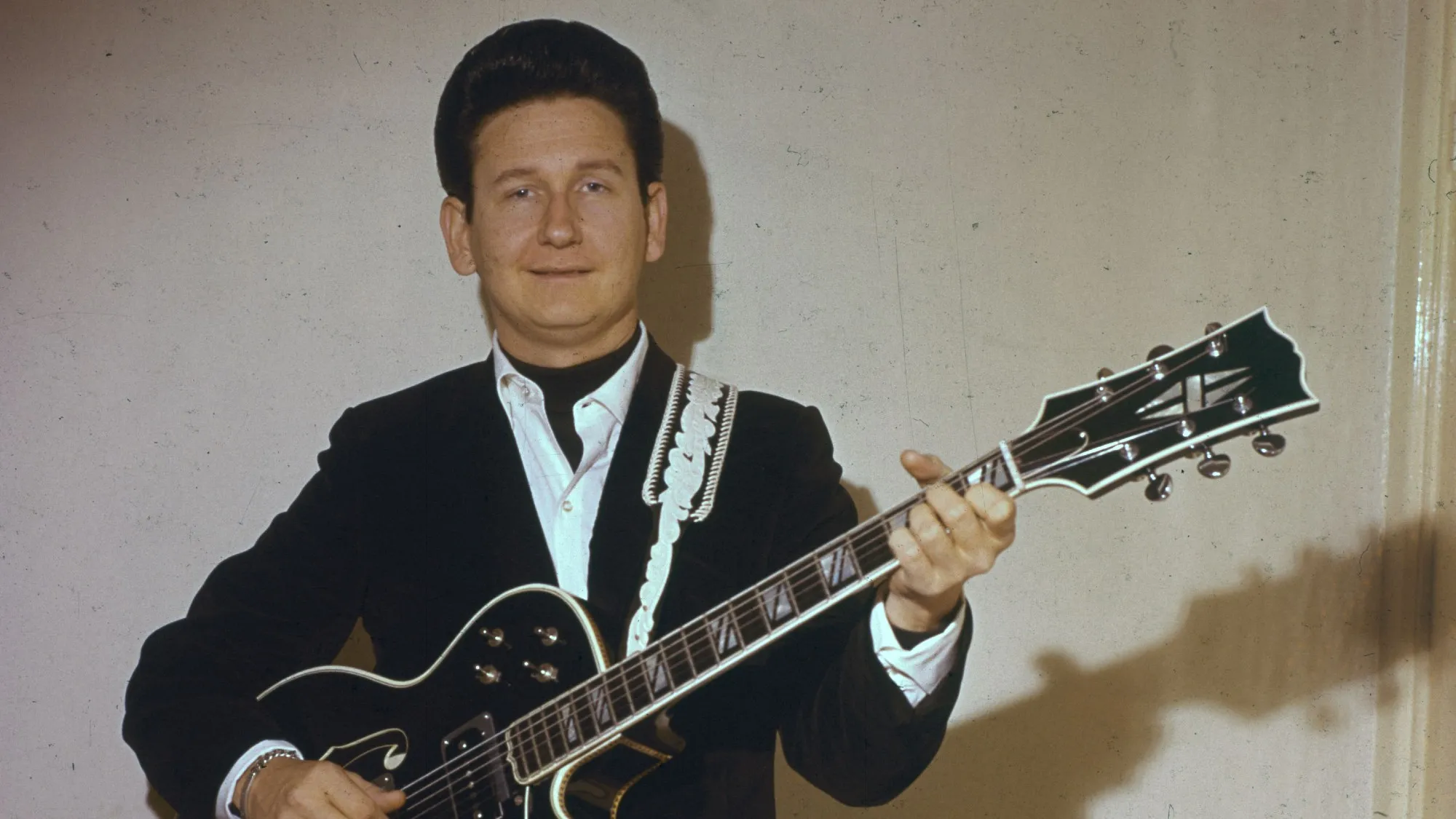

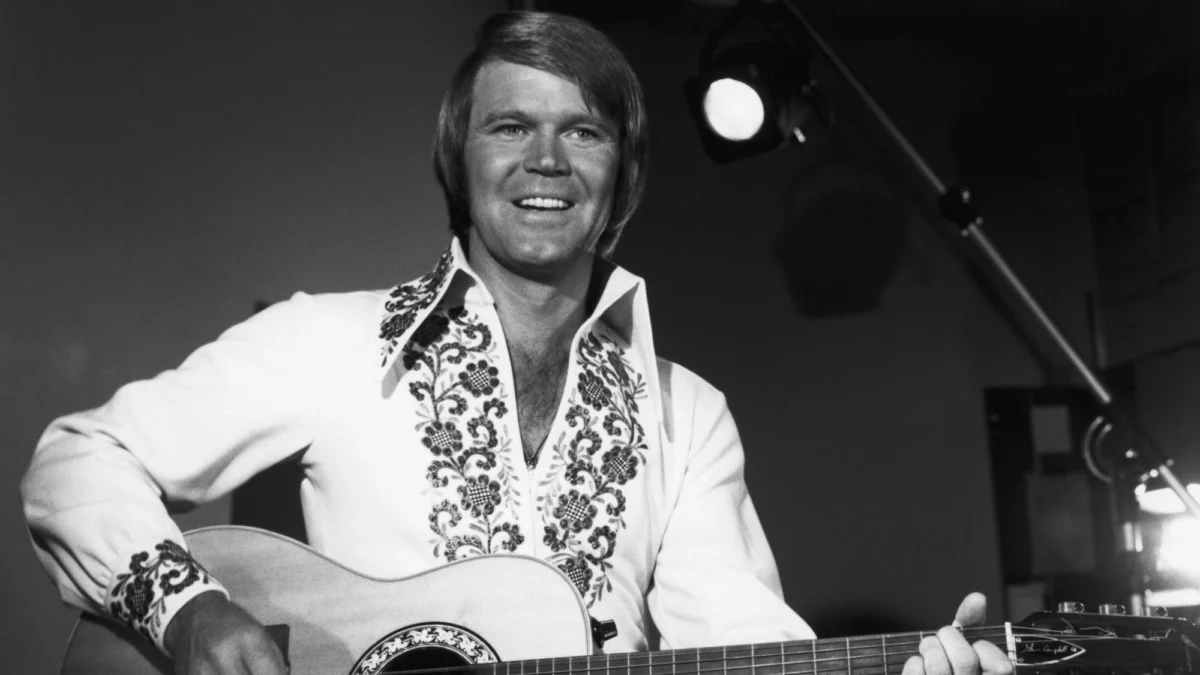
The year 1969 occupies a unique, transitional apex in the history of modern popular music. Situated squarely at the intersection of the turbulent 1960s counterculture and the commercial shifts of the upcoming decade, the musical landscape of 1969 was a remarkable amalgamation of diverse genres. From country-tinged acoustic ballads and traditional gospel arrangements to the nascent roots of psychedelic funk and soulful pop-rock, the Billboard Hot 100 featured a dynamic array of auditory experiences. More than half a century later, several defining tracks from that era continue to resonate with listeners, invoking profound emotional responses through their timeless composition, arrangement, and vocal delivery.
Main Facts and Historical Context of the 1969 Music Scene
To understand the cultural weight of the 1969 pop charts, one must examine the socio-political backdrop of the United States and the broader Western world during that period. The year was marked by profound historical milestones, including the Apollo 11 moon landing, the height of the Vietnam War protests, and the burgeoning civil rights movement. Popular music served both as an escape and a mirror for a society undergoing rapid transformation.
Record labels and artists responded to this shifting consciousness by pushing creative boundaries. Studio technology was advancing rapidly, allowing producers and arrangers to experiment with multi-track recording, orchestral layering, and unconventional song structures. The Billboard Hot 100 of 1969 was not merely a commercial scoreboard; it was an eclectic sonic diary reflecting a nation grappling with its identity. Within this competitive environment, certain singles transcended their contemporary radio cycles, achieving enduring artistic permanence. Five specific tracks from this watershed year stand out for their exceptional structural composition, vocal prowess, and lasting emotional impact on audiences.
Chronology of Releases: Mapping the Soundscape of 1969
The musical output of 1969 rolled out in waves, reflecting the changing seasons and cultural moods of the era.
In early 1969, British rock band The Zombies achieved long-awaited commercial success in the United States with "Time of the Season," released as a single from their critically acclaimed 1968 album Odessey and Oracle. Though the band had already fractured by the time the track climbed the charts, its precise release and subsequent dominance in early 1969 set a high bar for pop sophistication.
Shortly thereafter, the theatrical and spiritual intersected on the airwaves. In March 1969, The 5th Dimension released their soaring medley "Aquarius/Let the Sunshine In" from the musical Hair, which quickly ascended to the top of the charts and captured the utopian ethos of the late-decade youth movement. Concurrently, the Edwin Hawkins Singers introduced a modernized gospel sound to mainstream radio with "Oh Happy Day," recorded live and released in the spring, which bridged sacred traditions with secular pop sensibilities.
As the year progressed into the summer months, mainstream country-pop crossover appeal reached new heights. Glen Campbell released "Galveston" in February 1969, written by prolific tunesmith Jimmy Webb. The song gradually became an anthem, reflecting the complex national anxieties surrounding military service and homecoming during the Vietnam War. By the autumn of 1969, Elvis Presley cemented his late-career artistic resurgence with "Suspicious Minds," recorded during his legendary 1969 sessions in American Sound Studio in Memphis, Tennessee. Released in August, the track became his final number-one single on the Billboard Hot 100 during his lifetime, capping off a remarkable year of musical diversity.
Detailed Analysis of the Five Defining Tracks
Galveston by Glen Campbell
Glen Campbell’s interpretation of "Galveston" remains a masterclass in emotional restraint and lyrical juxtaposition. Written by Jimmy Webb, the song employs the coastal Texas city of Galveston as a metaphorical sanctuary for a soldier stationed in a combat zone. Musically, the track features a sophisticated arrangement that blends traditional country instrumentation with sweeping orchestral strings, hallmark traits of Webb’s signature songwriting style.
From a musicological perspective, the track’s enduring impact lies in its dramatic tonal shifts. Campbell’s lilting, crystal-clear tenor navigates the melancholic verses with gentle vulnerability before opening up into a soaring, triumphant chorus. This juxtaposition between the grim reality of wartime anxiety and the bright, aspirational cadence of the vocal delivery creates a powerful psychological resonance. Analysts note that "Galveston" succeeded commercially because it offered a nuanced, empathetic portrayal of the American soldier, avoiding overt political posturing in favor of deeply personal human emotion.
Oh Happy Day by The Edwin Hawkins Singers
The transformation of an 18th-century Christian hymn into a contemporary pop phenomenon is one of the most remarkable stories of 1969. Arranged and conducted by Edwin Hawkins, "Oh Happy Day" was originally recorded live at a Berkeley, California church as part of a small self-released gospel project. However, after a local disc jockey began spinning the track, it caught the attention of major label executives, leading to a nationwide release on Buddah Records.
The track’s broad appeal stemmed from its innovative fusion of traditional gospel call-and-response structures with modern R&B grooves, tambourine-driven percussion, and ethereal vocal harmonies. Even listeners outside the Christian faith found themselves drawn to the track’s infectious optimism and sheer vocal power. Over the decades, the song’s cultural footprint expanded further through prominent cinematic syncs, most notably in the 1993 comedy Sister Act 2: Back in the Habit. This pop-culture longevity cemented the Edwin Hawkins Singers’ arrangement as the definitive modern standard for choral soul music.
Suspicious Minds by Elvis Presley
By 1969, the commercial dominance of Elvis Presley had faced formidable challenges from the rising tide of British Invasion bands and psychedelic rock acts. However, Presley’s return to non-Hollywood recording sessions at American Sound Studio in Memphis marked a critical turning point. Working with producer Chips Moman, Presley recorded "Suspicious Minds," written by songwriter Mark James.
The track is an intricate study in dynamic tension and release. Built upon a sultry groove, a haunting guitar hook, and a driving rhythm section, the song incorporates gospel-tinged backing vocals that build steadily toward a dramatic emotional climax. Presley’s vocal performance is widely considered one of the finest of his career, balancing paranoia, vulnerability, and commanding authority. Music historians frequently cite "Suspicious Minds" as the ultimate proof of Presley’s ability to adapt to contemporary soul and pop production standards without abandoning his foundational rock and roll roots. The track’s distinctive fade-out and unexpected fade-in further demonstrated innovative studio techniques that kept listeners transfixed from the first note to the last.
Aquarius/Let The Sunshine In by The 5th Dimension
Few recordings encapsulate the optimism and theatricality of the late 1960s quite like The 5th Dimension’s medley of "Aquarius" and "Let the Sunshine In." Originally introduced in the countercultural Broadway musical Hair, the songs were reimagined by producer Bones Howe and arranger Bob Alcivar specifically for the vocal group, known for their polished harmonies and sophisticated pop sensibilities.
The track’s structure is a brilliant exercise in pacing. It begins with the mystical, atmospheric build-up of "Aquarius," driven by a pulsating bassline and intricate vocal interplay, before erupting into the ecstatic, gospel-rock crescendo of "Let the Sunshine In." The collective, all-out vocal delivery by members Marilyn McCoo, Billy Davis Jr., and their counterparts creates an overwhelming sense of communal euphoria. Released during a time of significant civil unrest and national division, the single struck a chord with the public, spending six consecutive weeks at the top of the Billboard Hot 100 and becoming the defining anthem of the "Age of Aquarius."
Time of the Season by The Zombies
While British Invasion peers like The Beatles and The Rolling Stones dominated headlines throughout the decade, The Zombies crafted some of the most enduringly sophisticated pop art of the era. "Time of the Season," written by keyboardist Rod Argent and sung by lead vocalist Colin Blunstone, is a prime example of psychedelic pop craftsmanship.
The track’s enduring appeal lies in its airtight, hypnotic groove. Driven by a distinctive, pulsing bassline, a minimalist organ riff, and rhythmic finger-snaps, the song creates an atmosphere of breathless anticipation. Blunstone’s breathy, urgent vocal delivery, punctuated by strategic stutters and pregnant pauses, forces the listener into a state of heightened auditory focus. Despite being released at a time when the band had already disbanded due to financial frustrations, "Time of the Season" struck a massive chord with American audiences in early 1969. Its intricate production techniques and jazz-inflected chord progressions continue to inspire modern indie-pop and alternative producers, proving that its avant-garde pop structure was decades ahead of its time.
Supporting Data and Commercial Impact
The commercial performance of these five tracks underscores the vast breadth of the 1969 music market. "Aquarius/Let the Sunshine In" achieved massive chart dominance, ultimately being named Billboard’s number-one single for the entire year of 1969. Meanwhile, "Suspicious Minds" restored Elvis Presley to the top of the charts, selling over one million copies and signaling a creative renaissance for the legendary performer.
Glen Campbell’s "Galveston" peaked at No. 4 on the Billboard Hot 100 and reached No. 1 on the Adult Contemporary and Hot Country Singles charts, demonstrating the viability of genre-crossing crossover hits. "Oh Happy Day" achieved historic crossover success for a gospel recording, reaching No. 4 on the Billboard Hot 100 and crossing international boundaries to top charts in the United Kingdom, France, and Germany. "Time of the Season" similarly climbed to No. 3 on the US charts, achieving delayed gratification for a track that was recorded years prior.
Broader Impact and Cultural Legacy
The legacy of the 1969 pop canon extends far beyond nostalgic radio airplay. These recordings established new paradigms for music production, arrangement, and thematic storytelling in popular culture. By breaking down rigid genre boundaries between country, gospel, rhythm and blues, and rock, artists of 1969 laid the groundwork for the eclectic formatting of modern radio and streaming playlists.
Furthermore, the emotional resonance embedded within these recordings highlights the unique capacity of 1960s pop music to document human sentiment. Whether addressing the personal tolls of geopolitical conflict, exploring interpersonal paranoia, celebrating spiritual liberation, or embracing utopian societal change, these five masterpieces continue to serve as vital cultural artifacts. More than fifty years after their initial release, they retain their power to captivate new generations of listeners, offering an enduring reminder of a defining moment in musical history.