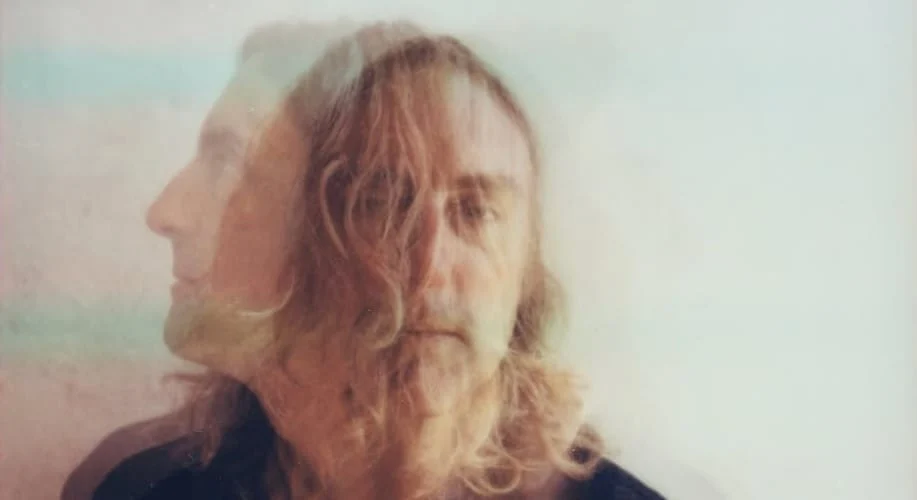

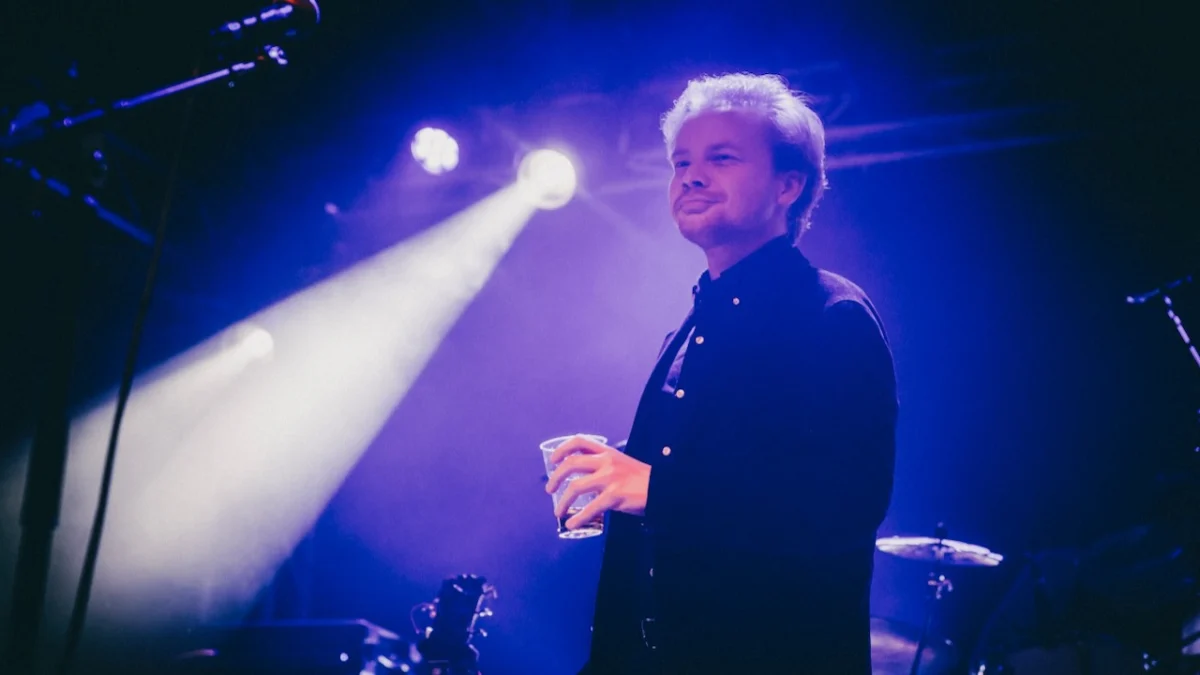
Musician and former black midi frontman Geordie Greep directly addressed a severe sexual misconduct allegation from the stage during a live performance in Vancouver on Thursday night, October 8. The public statement followed the distribution of fliers outside the venue that explicitly accused the British artist of sexual assault stemming from an incident earlier that same day.
The unfolding controversy has already triggered immediate professional fallout, prompting the cancellation of multiple tour dates across the United States and casting a shadow over the artist’s burgeoning solo career. The incident highlights the rapid dissemination of allegations within modern music culture, the immediate pressures faced by independent touring artists, and the complex intersection of public accusation, accountability, and due process in the digital age.
The Vancouver Confrontation and Stage Address
The situation came to a head outside the concert venue in Vancouver, where individuals circulated printed fliers bearing stark accusations against the musician. The text on the fliers read, "Geordie Greep A Rapist. You know what you did this morning Oct 8th. He thinks he can do whatever he wants because he’s gone tomorrow. Let Him Know What Vancouver Thinks of Rapists."
Rather than canceling the performance entirely without explanation, Greep chose to walk onto the stage unaccompanied by his backing band and confront the accusations head-on before the assembled audience. Fan-captured video footage shared widely across platforms like Reddit and X (formerly Twitter) documented the unusual and tense scene.
Addressing the crowd directly, Greep provided his account of the events leading up to the accusation. "Essentially what happened last night, me and some of the band we went out to some bars, we went out, we met people, and it ended up in a situation really late at a house party," Greep told the audience. "I got the wrong end of the stick with someone who was there, and I made a move, and it didn’t come off."
Greep maintained that the interaction was a profound misinterpretation of social cues rather than a criminal act. "I really quickly apologized, and it was a complete misunderstanding on my part, and I felt extremely bad, I feel extremely sorry, and extremely upset about the situation," he stated. "I would never rape a woman. I’m not a rapist. It’s not how that went down."
Absence of the Backing Band and Show Alterations
The severity of the allegations and the presence of the protest fliers visibly impacted Greep’s touring entourage. During his address, Greep explained to the audience why his backing musicians were absent from the stage.
"It’s a very strange thing to have happened and a very scary thing, so all of the band, I understand that I didn’t want to force them to still play a show in the light of that happening," Greep explained. "We were unsure what the response would be to all this, and I can only tell you that it’s OK if people want refunds, if they want to leave, it’s fine."
Acknowledging the discomfort of the situation for both ticket holders and venue staff, Greep announced that the proceeds generated from the evening’s performance would be redirected. He pledged to donate all earnings from the Vancouver show to a local anti-violence organization operating in British Columbia.
"I just wanted to be transparent with you about what happened. I’m very, very, very sorry; I made someone uncomfortable without meaning to. It’s not a good thing, it’s not good," he added. Following the candid and public disclosure, Greep performed a stripped-down solo set for the portion of the audience that chose to remain in the venue.
Immediate Professional Aftermath and Tour Cancellations
The fallout from the Vancouver concert was swift. Within hours of the performance and the subsequent public statements circulating online, logistical adjustments to Greep’s touring schedule were enacted.
An update issued following the event confirmed that Greep has canceled an upcoming series of live performances across the United States. Specifically, shows scheduled for Boise, Salt Lake City, Boulder, and Denver have been called off. Promoters and ticketing agencies have begun processing refunds for ticket holders affected by the cancellations.
Media outlets, including music publication Consequence, reached out to Greep’s official representatives, management teams, and publicists to seek further clarification regarding the exact nature of the allegations, potential police involvement, and future touring plans. As of press time, formal statements from representatives detailing legal actions or further context have not been publicly released.
Background Context of Geordie Greep’s Career
To understand the weight of the current controversy, it is necessary to examine Geordie Greep’s standing within the contemporary independent music landscape. Greep first rose to prominence as the primary vocalist, songwriter, and guitarist for black midi, a critically acclaimed London-based experimental rock band formed in 2017.
Known for their frantic, complex, and genre-bending musical style—incorporating elements of math rock, noise rock, post-punk, and progressive jazz—black midi developed a passionate, global cult following and released several critically lauded albums through Rough Trade Records, including Schlagenheim (2019), Cavalcade (2021), and Hellfire (2022).
In late 2024, the music community was surprised by the indefinite hiatus of black midi, prompting Greep to transition into a solo career. He embarked on extensive touring campaigns, showcasing his distinctive theatrical vocal delivery and virtuosic guitar work with a dedicated backing ensemble. The current North American tour was designed to support his solo material, making the sudden disruption in Vancouver a critical turning point in his post-black midi trajectory.
Broader Implications and Industry Context
The unfolding situation surrounding Geordie Greep underscores a recurring challenge within the modern music industry: how artists, management companies, and concert promoters navigate sudden, highly charged allegations that materialize on the road.
In the digital era, accountability movements have fundamentally altered how the public and concertgoers respond to accusations of sexual misconduct or inappropriate behavior. The deployment of physical fliers outside a venue represents a direct, grassroots method of community notification, bypassing traditional media channels and legal systems to place immediate social pressure on an artist and their audience.
For independent musicians, touring presents unique logistical and psychological vulnerabilities. Without the multi-layered corporate infrastructure of arena-level pop stars, underground and indie acts often travel lean, relying on tight-knit touring parties that can be rapidly destabilized by off-stage controversies. The decision of Greep’s backing band to step away from the Vancouver performance illustrates the immediate internal friction such allegations cause within creative collectives.
Furthermore, the public airing of grievances—both by the anonymous accuser via fliers and by Greep via his unscripted stage monologue—demonstrates the modern phenomenon of "trial by social media and public address." While Greep firmly denied the specific legal definition of the crime while admitting to making someone uncomfortable, legal and sociological experts frequently caution that impromptu stage confessions or denials rarely capture the full nuance of complex interpersonal incidents.
As the story continues to develop, industry watchers will be monitoring whether formal legal complaints are filed with law enforcement agencies in Vancouver, how Greep’s management team handles future tour dates, and what long-term impact the events of October 8 will have on the artist’s critical reputation and commercial viability. Further updates are expected as representatives respond to ongoing inquiries.