
The New York City street art landscape is currently undergoing a significant period of institutional and cultural reconciliation, as the boundary between ephemeral public interventions and formal gallery retrospectives continues to blur. This week, the intersection of Great Jones Street in Manhattan serves as the epicenter for this discourse, hosting a confluence of historical graffiti culture and contemporary muralism. Central to this activity is the opening of the exhibition titled Eric Haze & Matt Weber — Vanishing City, hosted at Atelier Jolie. The exhibition, which remains on view through December 30, serves as a poignant bridge between the 1970s New York graffiti scene and the evolution of urban photography.
Historical Context and Institutional Recognition
The collaboration between artist Eric Haze and photographer Matt Weber provides a rare glimpse into the gritty, foundational era of New York’s creative output. By pairing Haze’s iconic, graffiti-rooted visual language with Weber’s documentary-style street photography, the exhibition challenges the narrative that street art is merely a transitory phenomenon. The show functions as an archive of a city in flux, documenting the aesthetic tensions of the 1970s that eventually informed the global street art movement.
This institutional acknowledgment of graffiti as a historical art form is further reinforced by parallel programming across the city. The exhibition Vandals to Vanguard at BronxArtSpace, open through October 24, continues to curate the evolution of the genre, ensuring that the transition from illicit tag-based vandalism to high-value muralism is treated as a continuous narrative rather than a series of disparate events. Similarly, Charlie Ahearn’s New Paintings at WHAAM! on Elizabeth Street, running through October 23, provides an essential perspective on how the pioneers of the hip-hop era continue to interpret the city’s changing topography.
Muralism as Urban Landmark
While gallery spaces address the history of the movement, the streets of Manhattan are simultaneously being reshaped by contemporary muralists. The New Zealand-based artist Owen Dippie has begun work on a massive, six-story mural of Jean-Michel Basquiat located at the intersection of Bowery and Great Jones Street. The scale of the project, combined with Dippie’s signature photorealistic technique, marks a significant shift in how private property owners and urban developers view the utility of exterior walls.
The placement of this mural—situated just steps away from the Atelier Jolie exhibition—is not incidental. It suggests a growing synergy between curated art spaces and the surrounding urban environment. Dippie’s process, which involves long-term, methodical application, contrasts with the traditional "quick-hit" graffiti aesthetic, signaling a trend toward permanence and high-concept public art that serves as a modern landmark for the neighborhood.
The Weekly Survey: A Snapshot of Urban Expression
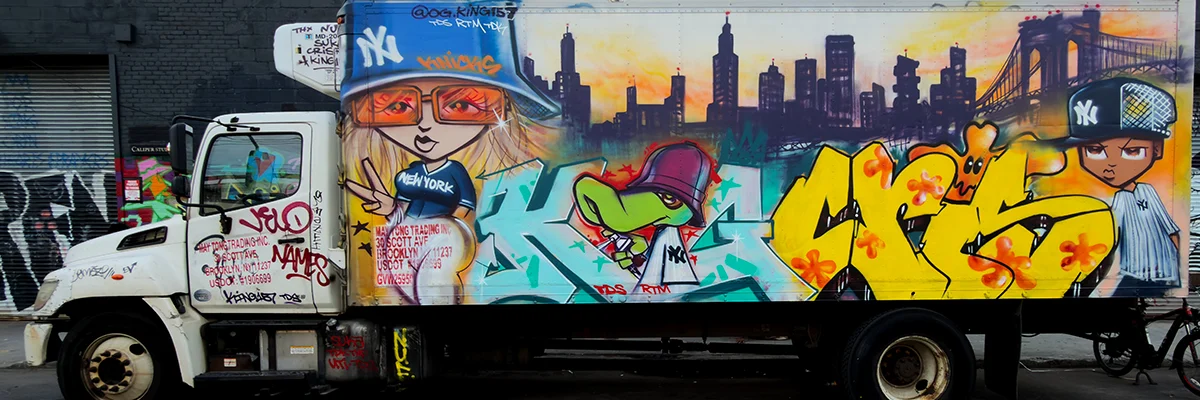
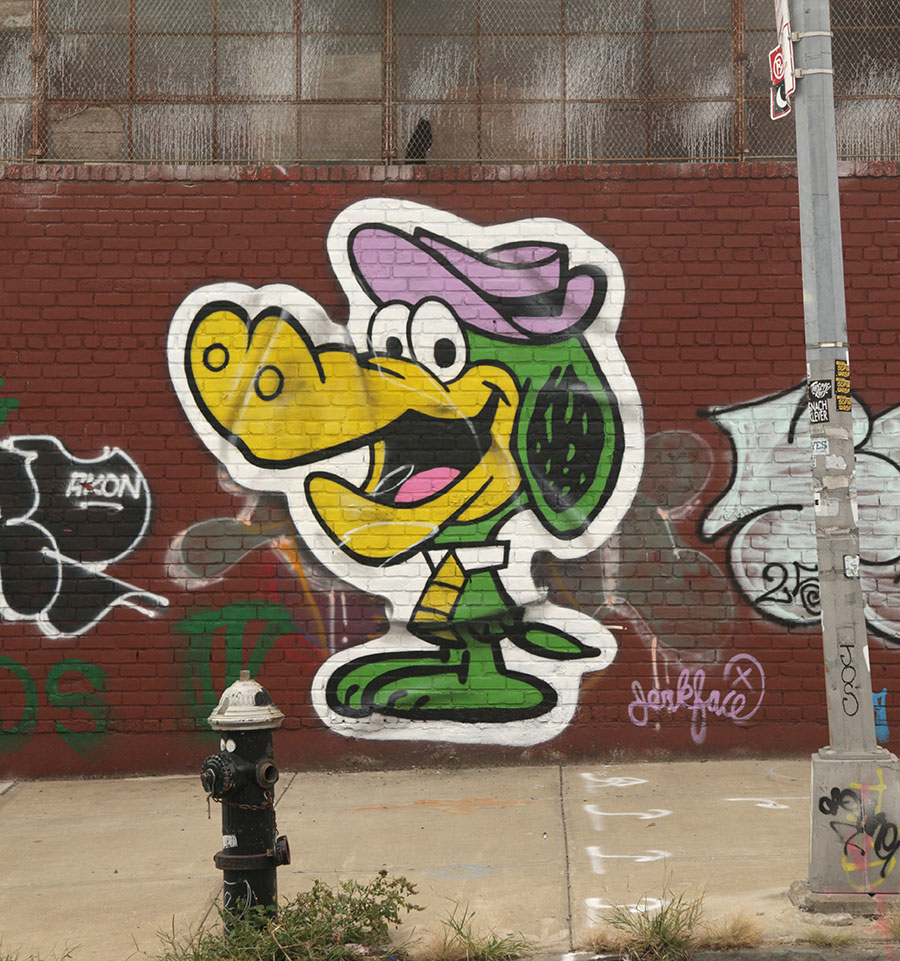
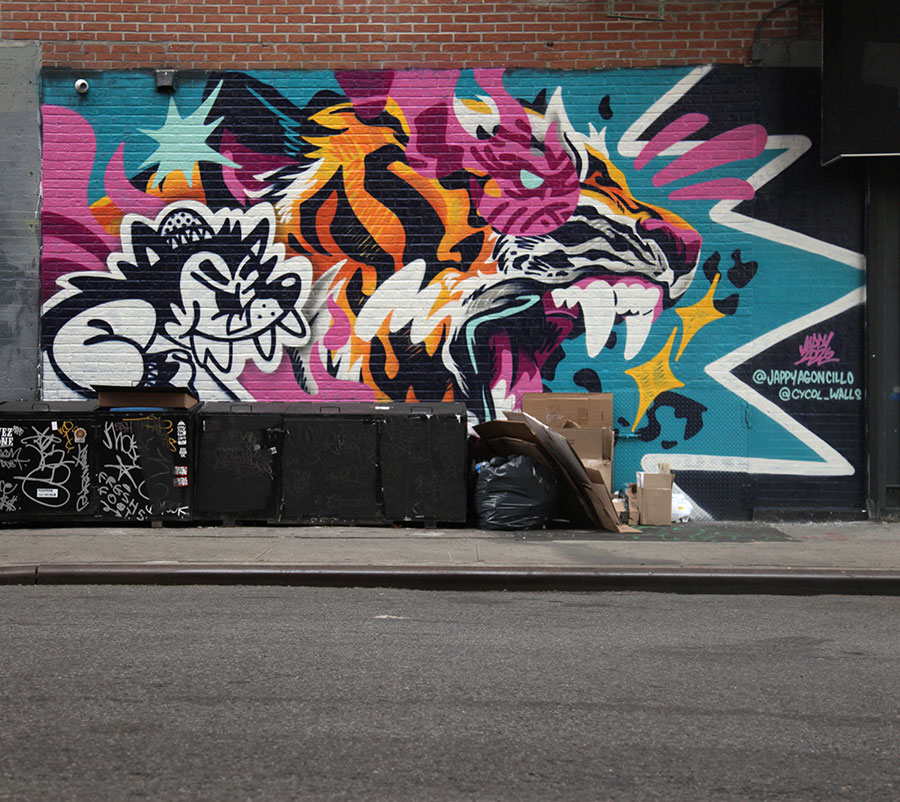
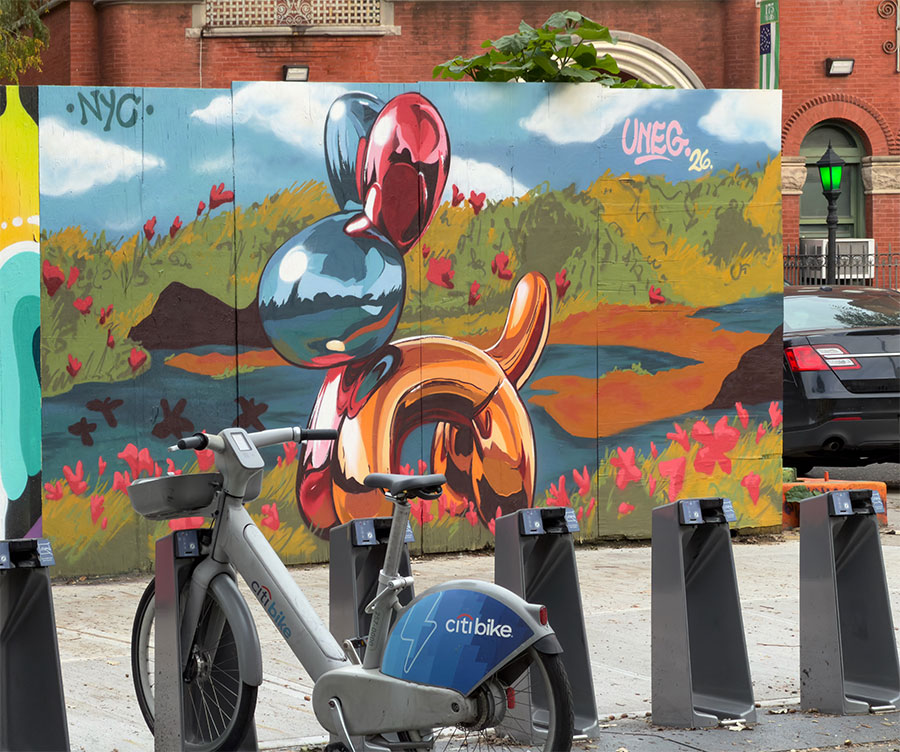
The current street art census for the first week of October 2026 highlights a diverse group of contributors whose works continue to occupy the visual periphery of the city. The survey features a wide spectrum of styles, ranging from the intricate, stylized lettering of OGKING157 and UNEG to the illustrative and narrative-driven works of artists like Jappy Agoncillo, JerkFace, and Lexi Bella.
The following artists were documented contributing to the urban landscape this week:

- AAron Wrinkle and Billy Barnacles: Providing abstract contributions that challenge conventional spatial perceptions.
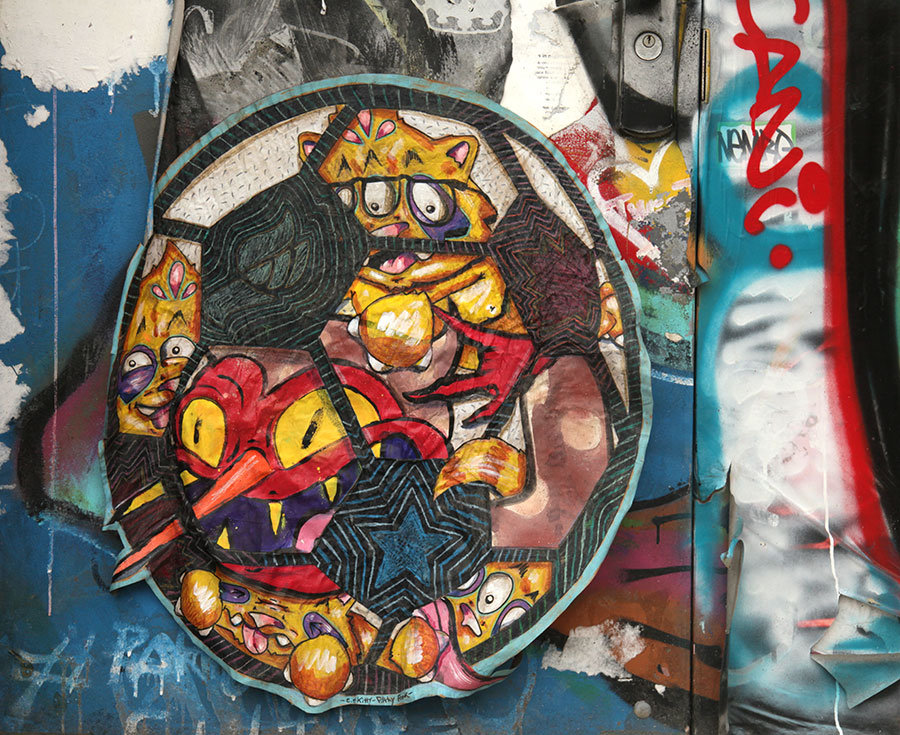
- City Kitty and Filthy Freak: Continuing the tradition of character-based wheatpasting and sticker art.
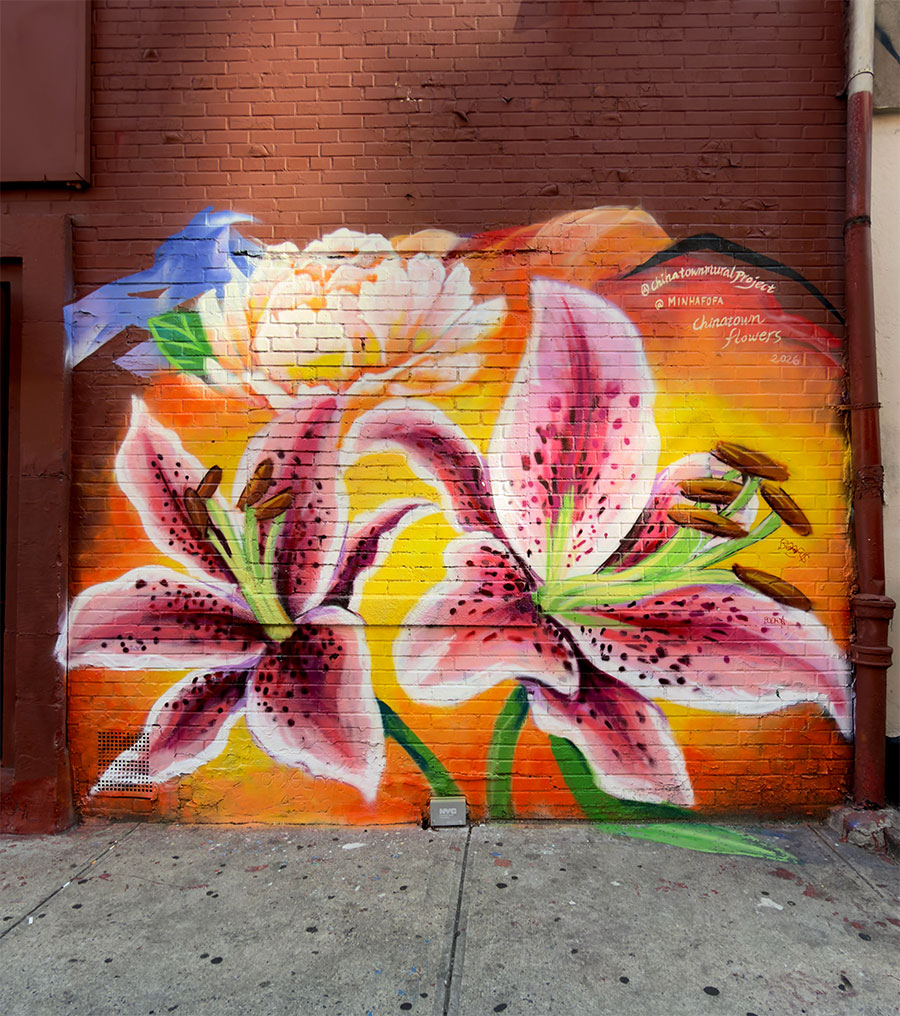
- DARA and Minhafofa: Representing the contemporary shift toward surrealist and emotive imagery.
- Free Humanity and Fumero: Collaborating on the iconic Houston Wall, a site that remains the premier destination for high-profile mural work in the city.
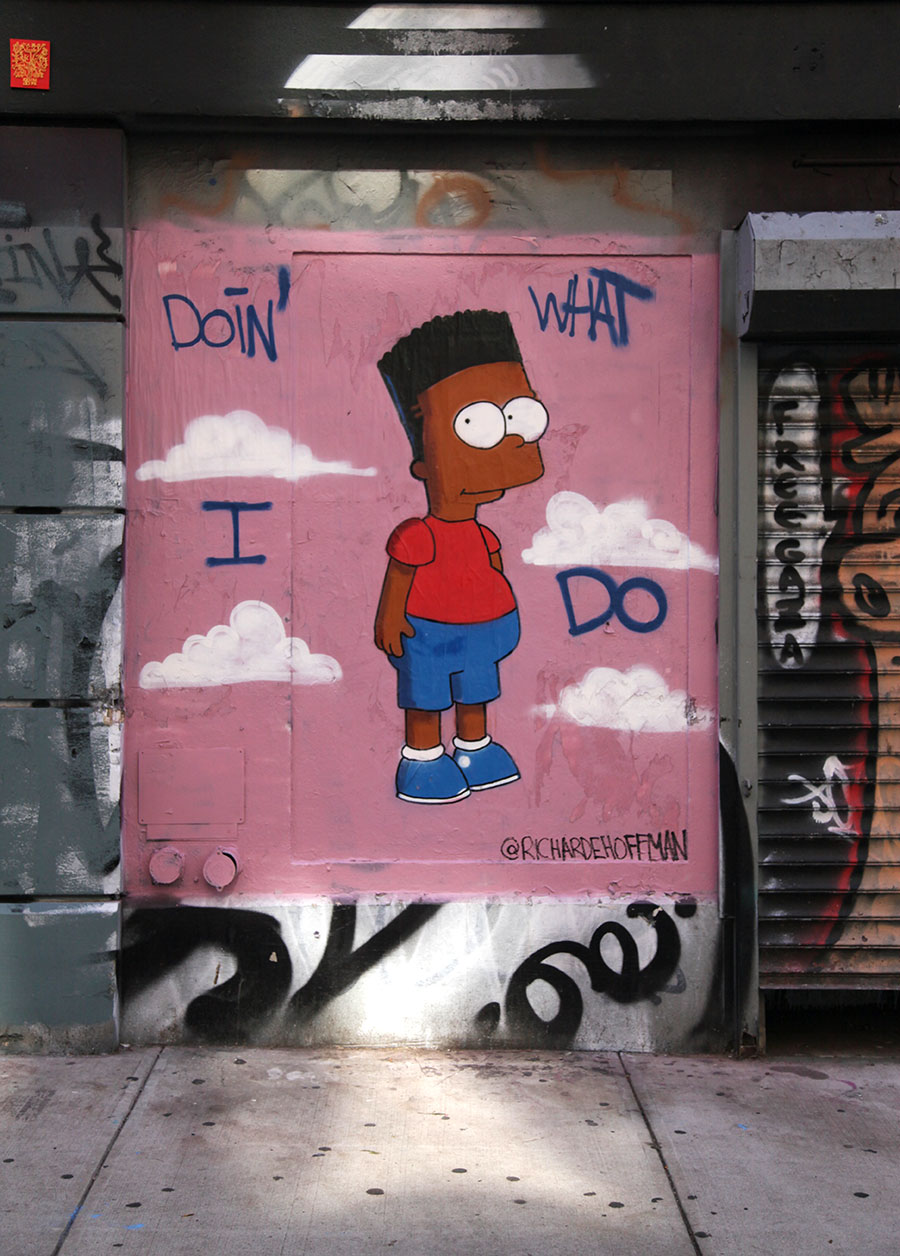
- Hektad and Richard Hoffman: Focusing on the interplay between color theory and public engagement.
- My Dog Sighs and SEKHMET: Contributing large-scale portraits that prioritize emotional resonance.
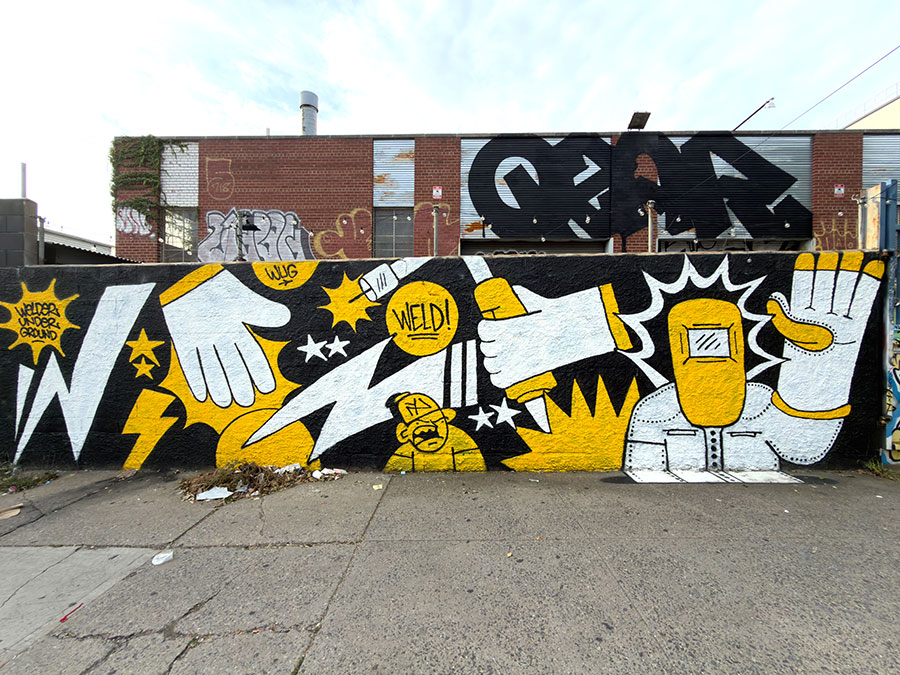
- RIOT and Welder Underground: Utilizing industrial themes to reflect the city’s changing infrastructure.
Economic and Cultural Implications
The proliferation of these works in the post-pandemic urban core carries significant socioeconomic implications. Data regarding the "mural effect"—the tendency for public art to correlate with localized increases in foot traffic and, occasionally, the acceleration of property value shifts—suggests that street art has moved from a fringe activity to a central pillar of municipal urban planning.
The current trend toward large-scale, authorized murals, as seen in the work of Owen Dippie, reflects a wider shift where cities are increasingly embracing "beautification" as a tool for economic stabilization. However, this shift often creates a tension with the "grassroots" elements of the movement. As noted by the presence of tags and smaller, unauthorized interventions alongside sanctioned murals, the dialogue between the city and the artist remains inherently adversarial. The juxtaposition of professional, high-budget murals against the persistent, defiant presence of traditional tagging highlights the ongoing struggle for control over public space.
Preservation of the "Vanishing City"
The overarching theme of the current week’s activities is the preservation of history in a city known for its rapid erasure of the past. The term "Vanishing City," utilized by Haze and Weber, serves as a poignant reminder that New York’s identity is tied to its aesthetic transitions.
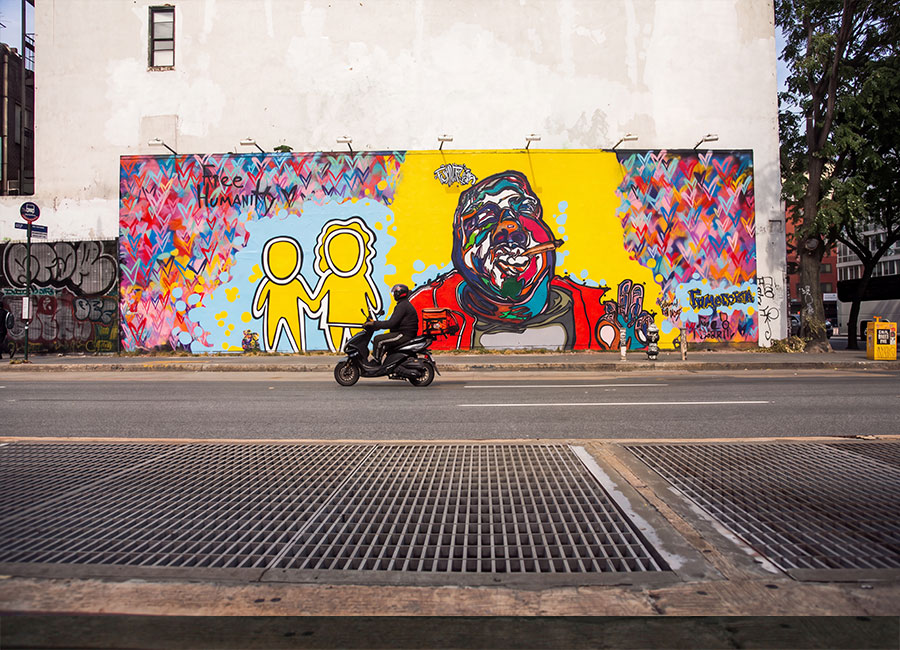
By documenting the works of artists like Hektad and the collaborative efforts found at the Houston Wall, observers are participating in a form of cultural archiving. The role of photography in this process—specifically the work of chroniclers like Jaime Rojo—is vital. Without this documentation, the transient nature of street art would lead to a total loss of the visual record once the murals are buffed, painted over, or removed due to construction.
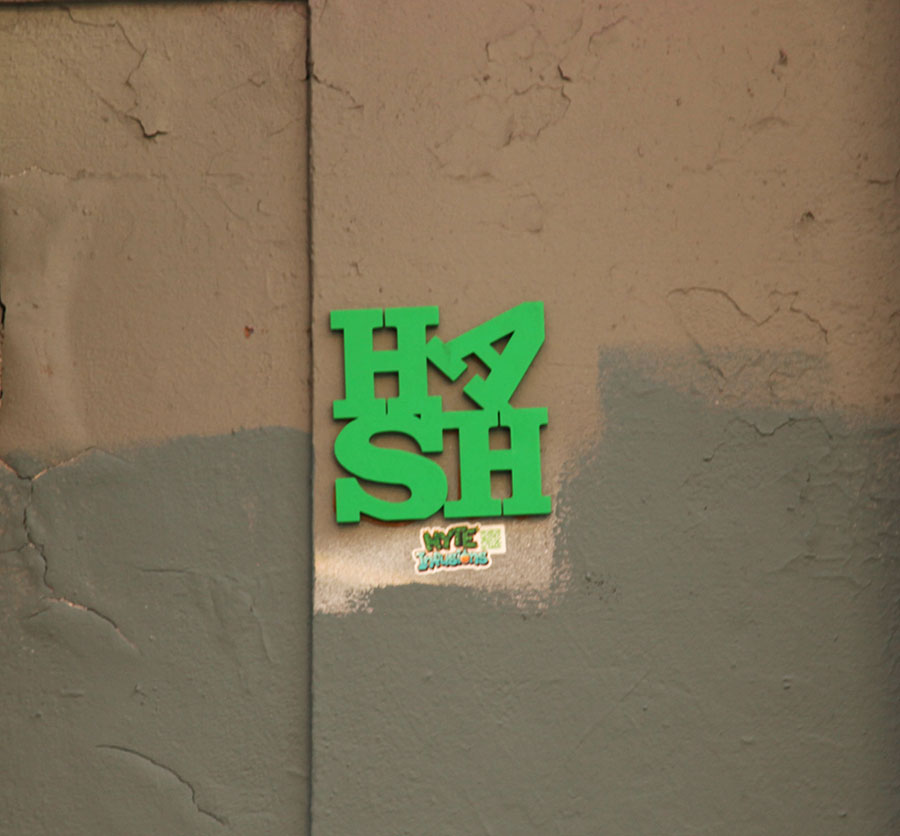
Future Outlook and Institutional Synthesis
Looking ahead, the integration of street art into the institutional art world is expected to accelerate. As the generation that defined the 1970s and 80s scene reaches a point of legacy-building, we are likely to see more exhibitions that seek to codify the "rules" and "histories" of the medium.
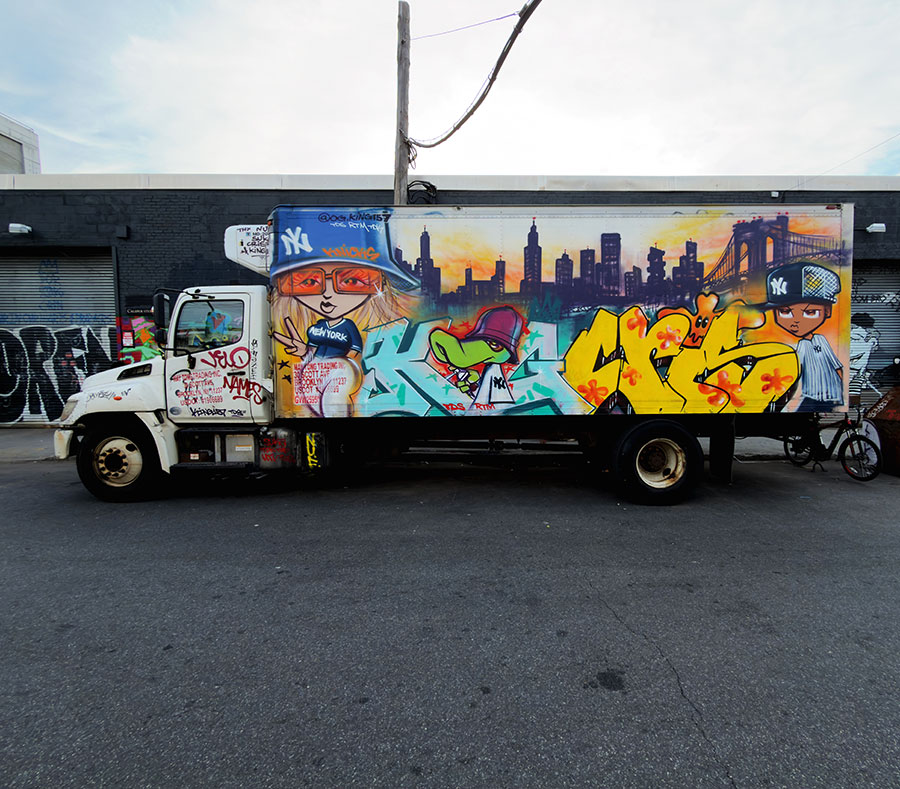
However, the vitality of the movement still resides in the streets. The continued activity of artists like City Kitty and the collaborative spirit displayed by groups of friends working on local walls ensure that the art form does not become solely an object of study. The current landscape is a precarious balance: on one side, the desire for institutional permanence and recognition; on the other, the fundamental, restless need for public, unauthorized, and free expression.
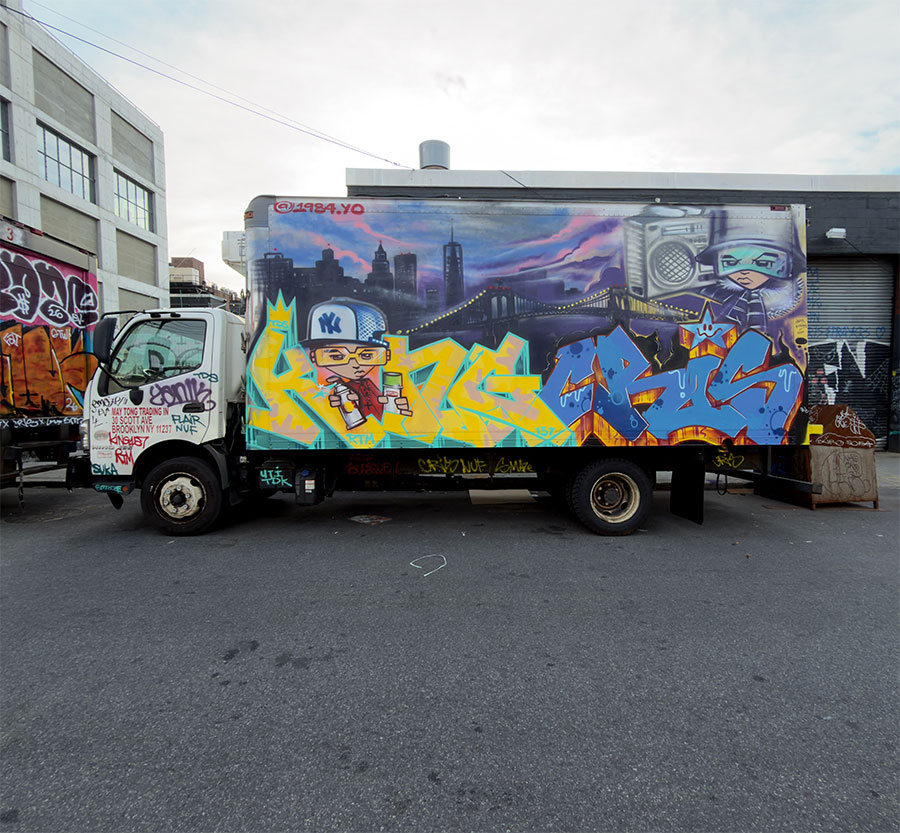
The work currently appearing in the neighborhoods of Brooklyn and Manhattan serves as a testament to this balance. Whether through the lens of a photographer documenting the decay of a building or a muralist painting a six-story tribute to a cultural icon, the artists are actively engaged in the process of defining what it means to live in—and leave a mark upon—a city that never stands still. As we move into the final quarter of 2026, the intersection of these diverse creative forces will continue to shape the aesthetic future of New York City, ensuring that the "Vanishing City" remains a vibrant, evolving canvas for future generations to navigate.