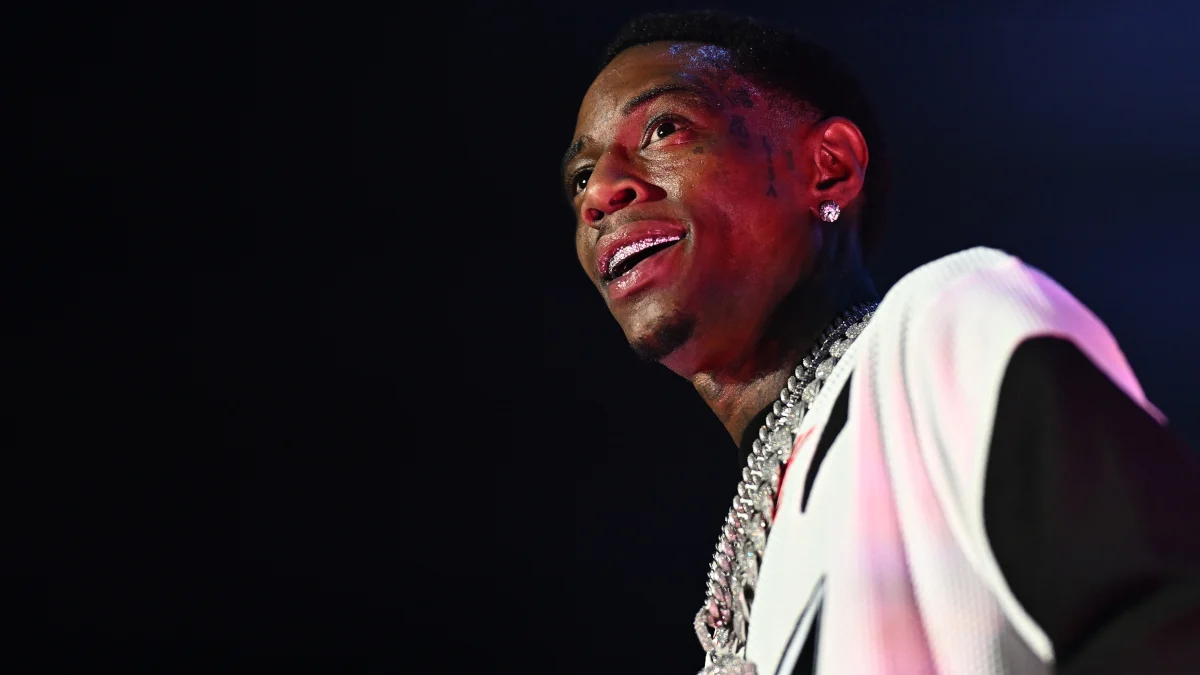
The intersection of American popular culture and high-stakes politics expanded significantly following a social media announcement by veteran recording artist and entrepreneur DeAndre Way, professionally known as Soulja Boy. The artist formally indicated his exploration of a presidential campaign for the 2028 United States presidential election. Utilizing digital platforms to broadcast his intentions, the multi-platinum-selling artist shared promotional imagery featuring patriotic motifs alongside a statement outlining his ambitions for public office. While the announcement remains in its exploratory phases, it highlights a continuing trend of non-traditional candidates utilizing digital reach and cultural capital to enter the American political landscape, potentially positioning Way as the first prominent hip-hop artist to mount a serious bid for the Oval Office.
Main Facts of the Announcement
The announcement materialized on a Saturday evening through the artist’s official social media channels. Accompanied by a graphic depicting the rapper framed against the red, white, and blue of the American flag, the post signaled a transition from entertainment and commerce toward public service. Way articulated a broad mission statement centered on generational advancement, describing the endeavor as a new chapter built on a larger vision and a commitment to fostering opportunities for younger demographics.
According to preliminary statements released by the artist’s camp, the emerging platform focuses on four primary pillars: economic opportunity, criminal justice reform, education, and the future of technology and artificial intelligence. Way emphasized his extensive background spanning the music industry, corporate entrepreneurship, and tech ventures, framing these commercial achievements as foundational preparation for executive governance. The artist noted that throughout his career, he has consistently focused on challenging established limitations, suggesting that this entrepreneurial mindset could translate into effective public administration.
Chronology of the Artist’s Public Evolution
To understand the trajectory leading to a prospective presidential run, it is necessary to examine the chronology of Way’s career, which has evolved from pioneering internet-era hip-hop to diverse commercial enterprises.
In 2007, Soulja Boy emerged as a watershed figure in modern music history with the release of his independently produced debut single, “Crank That (Soulja Boy).” Utilizing digital platforms such as the defunct social networking site MySpace and early YouTube, Way bypassed traditional record label gatekeepers to achieve unprecedented viral success. The track claimed the number one spot on the Billboard Hot 100 and established a blueprint for independent digital marketing that modern artists still utilize.
Throughout the 2010s, Way transitioned from a teenage novelty act to a serial entrepreneur. He invested early in emerging technologies, consumer electronics, video game consoles, and cryptocurrency initiatives. His business ventures frequently leveraged his massive social media following, though they occasionally drew skepticism and regulatory scrutiny from tech analysts and financial observers. Despite mixed commercial results in secondary industries, Way maintained cultural relevance through high-profile collaborations, independent album releases, and a persistent digital presence that kept him visible across multiple generations of internet users.
The 2028 exploratory announcement represents the latest evolution in this timeline, shifting the scope of his public ambitions from commercial capitalism to federal governance. While no official exploratory committee has been filed yet with the Federal Election Commission (FEC), the cultural signaling mirrors the early-stage exploratory tactics utilized by contemporary political figures and outsider candidates.
Supporting Data and Historical Precedents
The prospect of a celebrity-led or musician-led presidential campaign is not unprecedented in American history, though a major hip-hop artist mounting a White House bid remains a novel development. Historically, the American electorate has frequently looked outside traditional political pipelines for executive leadership, electing figures such as actor Ronald Reagan in 1980 and businessman Donald Trump in 2016. Furthermore, professional wrestlers, athletes, and reality television personalities have successfully secured gubernatorial and congressional seats over the past several decades.
Within the hip-hop community, political engagement has deepened significantly since the genre’s inception. While artists have traditionally engaged in voter mobilization drives, policy advocacy, and fundraising for established political parties—such as the massive mobilization efforts seen during the 2008 and 2020 election cycles—direct runs for federal office by recording artists have been rare. Most notably, multi-GRAMMY-winning artist Kanye West launched an independent presidential campaign during the 2020 election cycle, appearing on the ballot in a dozen states and securing approximately 70,000 votes.
Way’s entry, albeit currently exploratory, places him within a growing cohort of cultural icons attempting to leverage personal brands and dedicated digital followings to bypass the institutional gatekeeping of the Democratic and Republican parties. Data regarding voter demographics suggests that younger voters—specifically Millennials and Generation Z—exhibit higher skepticism toward traditional political parties and display openness to independent or non-traditional candidates who speak directly to technological advancement and economic equity. Way’s focus on artificial intelligence and modern economic opportunity directly targets these demographics.
Official Responses and Industry Analysis
As of yet, major political parties and institutional campaign managers have not issued formal statements regarding the prospective candidacy, largely viewing early social media announcements as preliminary or exploratory expressions of interest rather than fully realized political operations. However, political strategists and public relations experts have begun analyzing the implications of such a run.
Industry analysts note that while Way possesses high name recognition—a vital asset in modern political campaigns—transitioning from a digital entrepreneur and entertainer to a viable candidate requires navigating complex federal election laws, campaign finance regulations, and rigorous policy formulation. Under FEC guidelines, any individual who raises or spends in excess of $5,000 for the purpose of influencing a federal election must register as a candidate, a threshold Way has not yet formally crossed through an official campaign apparatus.
Cultural commentators have offered mixed reactions. Supporters argue that outsider candidates bring necessary disruption to stagnant political systems, injecting fresh perspectives on critical issues like artificial intelligence regulation, criminal justice reform, and modern economic mobility. Critics, conversely, often categorize celebrity runs as publicity stunts designed to generate media attention for commercial projects or personal branding.
Broader Impact and Policy Implications
Should Way formalize his campaign for the 2028 election cycle, the broader implications for American political discourse could be significant, regardless of electoral outcome.
First, the inclusion of artificial intelligence and technology policy as a core platform pillar aligns with the growing bipartisan urgency surrounding tech regulation. As lawmakers grapple with data privacy, algorithmic bias, the labor market disruptions caused by generative AI, and national security implications, having a candidate rooted in the digital and tech entrepreneurship space could force these issues further into the mainstream presidential debates.
Second, criminal justice reform remains a critical domestic policy debate. Way’s inclusion of this pillar reflects longstanding advocacy within the hip-hop community regarding mass incarceration, sentencing disparities, and systemic reform within the American legal apparatus. While specific policy proposals have not yet been detailed, a campaign platform addressing these issues could mobilize specific voter blocs that often feel disenfranchised by traditional political rhetoric.
Finally, the economic opportunity platform addresses wealth generation, digital entrepreneurship, and financial literacy—areas where the artist has focused much of his post-music career. By emphasizing self-reliance and digital-age commerce, Way’s conceptual platform attempts to bridge the gap between traditional capitalist frameworks and the decentralized, creator-driven economy that defines contemporary youth culture.
Conclusion and Outlook for 2028
The announcement by Soulja Boy regarding a potential 2028 presidential run underscores the fluid boundaries between entertainment, digital culture, and American politics. While the venture faces immense structural, financial, and logistical hurdles before it can be considered a conventional political campaign, it reflects the ongoing transformation of how public figures interact with the electorate. As the 2028 election cycle approaches, political scientists and cultural observers will monitor whether Way transitions his digital reach and entrepreneurial background into a formalized political organization, or if the announcement remains an ambitious statement of intent from one of the internet era’s most enduring cultural architects.

![Mike Love Rejoins The Beach Boys on Stage Amid Health Issues [Updated]](https://worldbusk.org/wp-content/uploads/2026/10/mike-love-rejoins-the-beach-boys-on-stage-amid-health-issues-updated.webp)