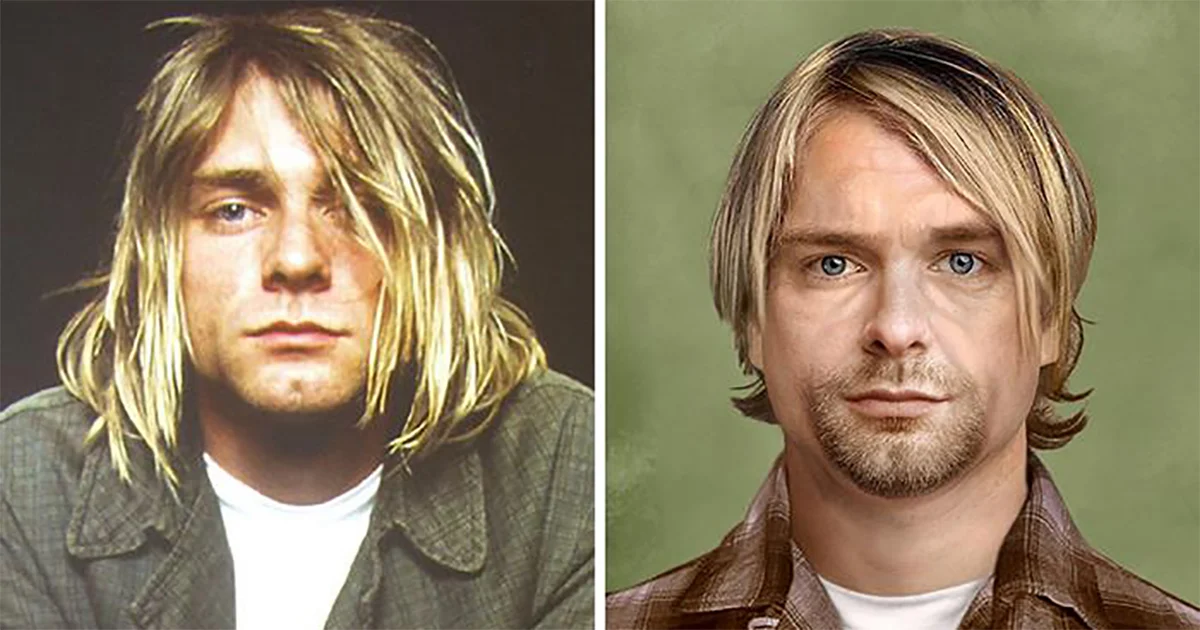

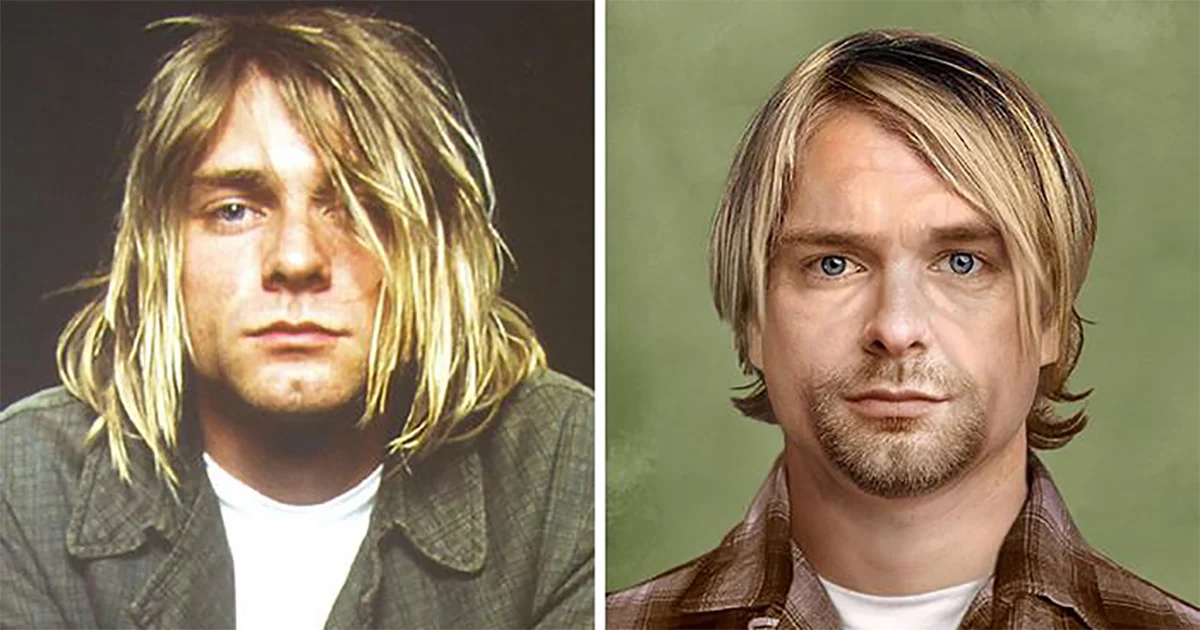
In a pioneering fusion of public relations strategy and advanced digital artistry, Sachs Media Group, a prominent public relations and marketing firm, recently partnered with Phojoe, a specialized company renowned for its expertise in photo restoration and manipulation, to create a compelling gallery of fallen musical legends, reimagined as if they had lived to gracefully age. This ambitious project, titled "Rock & Roll Heaven," aimed to provide a unique visual narrative, presenting iconic figures from music history in a hypothetical future that was never realized, prompting extensive engagement and diverse reactions across global audiences. The initiative, while seemingly straightforward in its premise, delves into complex facets of memory, celebrity, and the enduring human fascination with what might have been.
The Genesis of the Project: Collaboration and Concept
The collaboration between Sachs Media Group and Phojoe represents a strategic intersection of creative content generation and technical prowess. Sachs Media Group, known for its innovative campaigns and ability to generate significant media attention for its clients, conceptualized the idea as a tribute to these timeless artists and a unique way to engage the public. The firm recognized the inherent emotional connection fans have with their idols and sought to tap into this sentiment through a novel visual experience. By envisioning how these stars would appear today, the project aimed to bridge the gap between their static, youthful images – often immortalized at the peak of their careers or at the time of their untimely deaths – and a speculative, mature reality.
Phojoe, with its established reputation for forensic age progression and photo manipulation, was the ideal partner to execute the intricate visual aspects of the project. Their team possesses the specialized skills and technology required to credibly simulate the aging process, taking into account various factors such as genetics, lifestyle, and the natural progression of wrinkles, hair graying, and skin changes. This collaboration underscores a growing trend in digital media where advanced imaging techniques are employed not just for practical applications like forensic investigations, but also for artistic and commemorative purposes, pushing the boundaries of how we interact with historical figures and cultural memory.
Sachs Media Group: A History of Innovative Campaigns
Sachs Media Group, founded by Ron Sachs, has built a reputation for crafting high-impact public relations campaigns that resonate with broad audiences. The firm’s approach often involves leveraging compelling storytelling and innovative visual content to cut through media clutter and achieve significant engagement. Projects like "Rock & Roll Heaven" align perfectly with their strategy of creating viral content that sparks conversation and generates widespread media coverage. The firm’s portfolio typically includes a diverse range of clients from various sectors, but their work in creating culturally relevant and emotionally resonant campaigns often garners the most attention.
Their motivation for undertaking such a project extends beyond mere artistic curiosity. From a public relations perspective, projects that tap into collective nostalgia and hypothetical scenarios are highly shareable. They invite personal reflection, debate, and emotional responses, which are key drivers of online engagement. By focusing on beloved musical legends whose legacies continue to influence generations, Sachs Media Group ensured a built-in audience eager to interact with the content. This initiative serves as a powerful demonstration of how PR firms are increasingly employing advanced digital tools and creative concepts to achieve their communication objectives, moving beyond traditional press releases to produce immersive and thought-provoking experiences.
Phojoe: Masters of Digital Reconstruction and Age Progression
Phojoe’s involvement was critical to the project’s authenticity and visual impact. The company specializes in a range of photo services, including restoration of damaged photographs, forensic age progression, and image manipulation for various purposes. Their expertise in age progression, in particular, is rooted in a blend of scientific understanding of human aging and sophisticated digital artistry. This technique is often employed in real-world scenarios, such as assisting law enforcement in locating missing persons who have aged over many years, or for family reunification efforts.
The process of age progression is not merely about adding wrinkles or gray hair. It involves a meticulous study of an individual’s facial structure, genetic predispositions (if information is available about their parents or siblings), and lifestyle factors that could accelerate or decelerate aging. For public figures, this might include considering their known habits, health issues, and even their public personas. Phojoe’s artists utilize advanced software and their deep understanding of anatomy and light to create plausible, albeit speculative, representations of how a person might have aged naturally. Their ability to maintain the core identity and recognizable features of these legends while projecting them into a hypothetical future was paramount to the project’s success and its evocative power.
The "Rock & Roll Heaven" Gallery: A Glimpse into Hypothetical Futures
The "Rock & Roll Heaven" gallery featured an array of iconic musicians whose lives were cut short, leaving behind a legacy frozen in time. While the specific list of artists can vary in similar projects, commonly featured figures in such hypotheticals include Elvis Presley, known as the King of Rock and Roll; John Lennon of The Beatles, a global peace activist and songwriting genius; Janis Joplin, the quintessential blues-rock powerhouse; Jimi Hendrix, widely regarded as the greatest electric guitarist in music history; Kurt Cobain of Nirvana, an icon of grunge; Bob Marley, the reggae superstar; and Amy Winehouse, the soulful British vocalist. These artists, each departing prematurely, left an indelible mark on music and culture, and their images typically remain etched in public consciousness as they were at the time of their death.
The images presented in the gallery aimed for a depiction of "graceful aging." This implies that the artists were not shown in states of decline or illness, but rather as having matured naturally, with the wisdom and character lines that come with decades of life experience. The visual effect was designed to be poignant and thought-provoking, allowing fans to envision their heroes as elder statespersons of music, perhaps still performing, composing, or simply living out their later years. The digital manipulations sought to imbue these hypothetical images with a sense of dignity and realism, making the "what if" scenario feel tangible and emotionally resonant.

The Art and Science of Age Progression
The methodology behind creating the aged portraits for "Rock & Roll Heaven" represents a fascinating blend of scientific principles and artistic interpretation. At its core, age progression technology relies on algorithms that model how human faces change over time. These models are built upon vast databases of age-related facial transformations observed in real individuals. Key factors considered include:
- Bone Structure: While underlying bone structure remains relatively constant, cartilage in the nose and ears continues to grow, and bone density can decrease, subtly altering facial contours.
- Skin Elasticity and Wrinkles: As collagen and elastin break down, skin loses its elasticity, leading to wrinkles, sagging, and changes in skin texture.
- Hair Changes: Hair typically thins, recedes, and greys with age. The pattern of hair loss and greying is often genetically determined.
- Weight and Lifestyle: Changes in body weight can significantly impact facial appearance. Lifestyle factors such as sun exposure, smoking, and general health are also factored in, albeit often based on generalized assumptions for public figures.
- Genetic Markers: Where possible, analyzing family photos of older relatives can provide crucial clues about how an individual might age, offering a more personalized and accurate progression.
Phojoe’s team would have meticulously analyzed existing photographs of each musician from various stages of their lives to establish a baseline. They would then apply these scientific principles, combined with artistic judgment, to digitally "age" the faces. The challenge lies not just in applying generic aging effects, but in doing so in a way that preserves the subject’s unique features and recognizable essence, ensuring that the aged portrait still unmistakably represents the original artist. This process is a testament to the sophistication of modern digital imaging and the skill of the artists who wield these tools.
Public Reception and Critical Discourse
Upon its release, the "Rock & Roll Heaven" gallery elicited a wide spectrum of public reactions, from profound emotional resonance to critical debate. The initial response, as indicated by the original source’s description of the results as "interesting," quickly evolved into a broader discussion. Many fans found the images deeply moving, offering a poignant glimpse into what might have been. For those who grew up idolizing these musicians, seeing them aged provided a sense of continuity and allowed for a moment of reflection on the passage of time and the enduring power of their music. Comments often expressed feelings of nostalgia, melancholy, and appreciation for the artists’ continued cultural presence.
However, the project also generated considerable discussion regarding its ethical implications and artistic merit. Some critics and members of the public found the concept unsettling or even disrespectful, arguing that it altered the iconic images of individuals who are no longer able to consent to such depictions. Questions arose about the appropriation of posthumous images and the potential for these digitally altered versions to influence or even overwrite the collective memory of these artists in their prime. Others debated the accuracy and realism of the age progressions, with some finding certain depictions more convincing than others. This mixed reception underscores the complex relationship between art, technology, and public memory, particularly when dealing with beloved cultural figures. The project undeniably fulfilled Sachs Media Group’s objective of sparking widespread conversation and engagement.
Ethical Considerations in Digital Reimagination
The "Rock & Roll Heaven" project, like many similar ventures involving posthumous digital manipulation, brings to the forefront several significant ethical considerations. The primary concern often revolves around the issue of consent. Since the subjects are deceased, they cannot provide permission for their likenesses to be altered or used in new contexts. This raises questions about the rights of deceased individuals, their families, and their estates concerning their public image and legacy. While many such projects are undertaken with respectful intentions, the principle of autonomy remains a critical point of discussion.
Furthermore, there is the potential for these reimagined images to become part of the public’s perception, subtly altering the way future generations view these historical figures. While the intent is often commemorative, some argue that creating hypothetical images can inadvertently distort the historical record or diminish the impact of the actual lives these individuals lived. The balance between artistic freedom, commercial interests, and the respectful treatment of posthumous identity is a delicate one. Projects like "Rock & Roll Heaven" serve as important case studies in the evolving landscape of digital ethics, prompting necessary conversations about who controls the narrative and imagery of our cultural icons after their passing.
Broader Implications: Legacy, Memory, and Technology
The "Rock & Roll Heaven" gallery carries broader implications for how society engages with celebrity legacies, collective memory, and the advancing capabilities of digital technology. It highlights the profound human desire to connect with the past and to imagine alternative futures, particularly for those figures whose lives ended prematurely. By offering a visual representation of what might have been, the project taps into a universal sense of curiosity and empathy.
From a technological standpoint, this project showcases the power of digital tools not just for recreation or restoration, but for imaginative creation. It demonstrates how age progression, once primarily a forensic tool, can be repurposed for artistic and cultural commentary, blurring the lines between factual representation and speculative art. This trend suggests a future where digital artists and AI may increasingly play a role in reinterpreting historical figures and events, opening new avenues for storytelling and engagement, but also demanding careful consideration of authenticity and intent.
For the music industry and cultural institutions, such projects offer new ways to keep the legacies of deceased artists vibrant and relevant to new generations. They can serve as powerful educational tools, sparking interest in the artists’ actual work and biographies. However, they also necessitate a clear distinction between the actual historical record and creative reimagination to avoid confusion or misrepresentation.
Conclusion
The collaboration between Sachs Media Group and Phojoe in creating the "Rock & Roll Heaven" gallery stands as a compelling example of how innovative public relations, coupled with advanced digital artistry, can generate profound public engagement and discourse. By presenting hypothetical aged portraits of beloved musical legends, the project successfully honored their enduring legacies while simultaneously prompting introspection on mortality, memory, and the powerful impact of creative expression. While stirring diverse reactions and raising pertinent ethical questions, the initiative undeniably fostered a unique connection between fans and their idols, proving the enduring power of these cultural icons and the ever-evolving capacity of technology to reshape our perceptions of the past. The "Rock & Roll Heaven" gallery thus serves not only as a tribute but also as a significant marker in the ongoing conversation about digital ethics, artistic interpretation, and the preservation of cultural memory in the digital age.