
Andrew Durand has established himself as one of the most prolific and technically versatile leading men in contemporary musical theater. Over the past three years, his career has been defined by a relentless, high-velocity schedule, characterized by a string of back-to-back contracts that have left him in a near-constant state of professional production. From his roles in Shucked and Dead Outlaw to the demanding physicality required by his current turn in The Curious Case of Benjamin Button at the Public Theater, Durand’s output serves as a case study in the extreme demands placed upon top-tier performers in an industry defined by project-based, often precarious employment.
A Chronology of Constant Motion
The pace of Durand’s recent professional life is statistically remarkable, even by the standards of Broadway. Since 2023, he has navigated a series of overlapping commitments that would be considered atypical for most professionals. Following his work in Shucked, Durand transitioned into the short-lived musical Dead Outlaw, a production that closed in June 2024. The transition between these roles offered little respite; he moved almost immediately into rehearsals for High Society at the Ogunquit Playhouse, followed by Bat Boy at New York City Center.

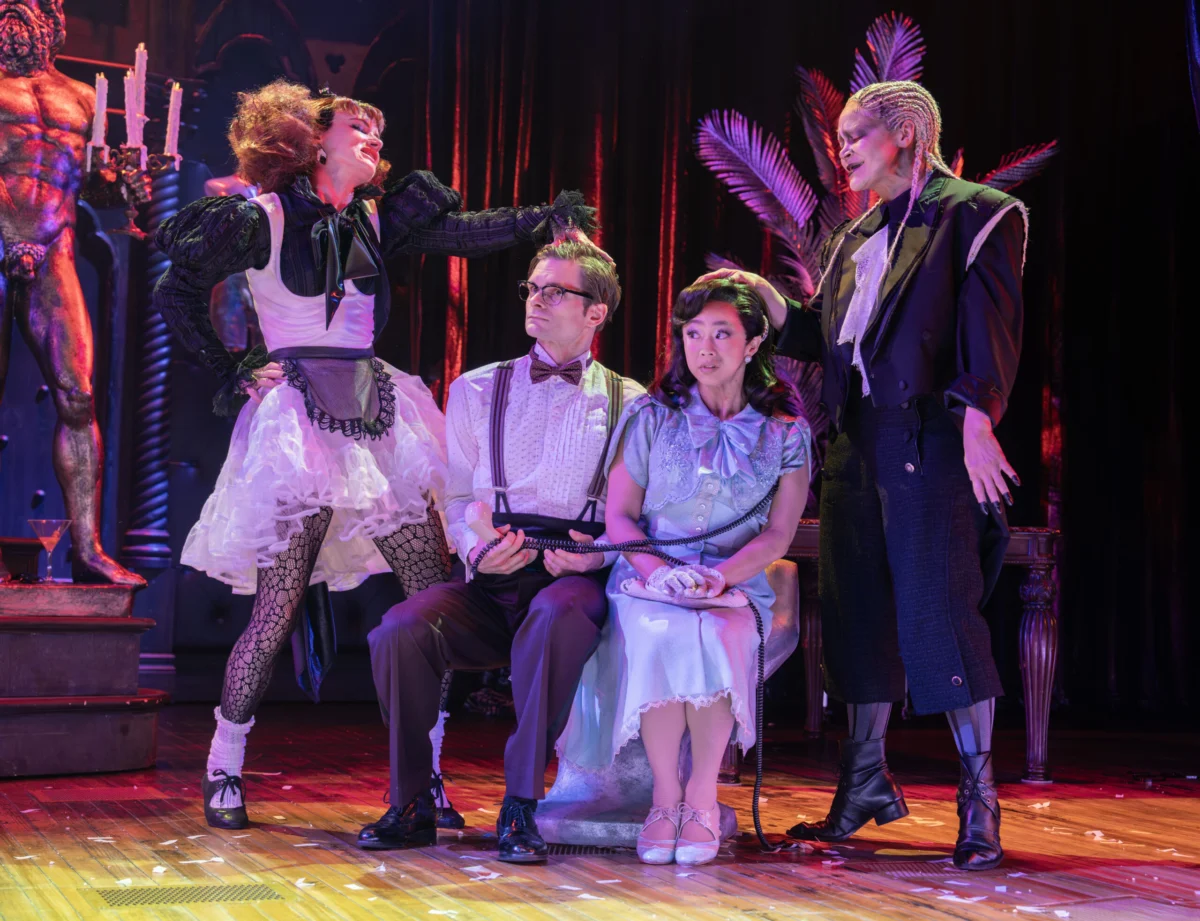
The intensity of his schedule peaked during a sixteen-month window in which he performed "double duty." During this period, Durand was simultaneously performing in the Off-Broadway revival of Little Shop of Horrors while rehearsing for the Broadway revival of The Rocky Horror Show. This arrangement, which required him to balance night performances with intensive daytime rehearsals, was only made possible through the negotiated early release from his Little Shop of Horrors contract. Such arrangements, while sometimes necessary for talent retention, highlight the physical and mental strain inherent in the high-demand theater ecosystem, where talent availability often dictates production timelines.
The Art of the Chameleon
Durand’s reputation as a chameleonic actor is rooted in his ability to manipulate both vocal intonation and physical presence to inhabit disparate characters. His previous credits—ranging from the teenage cavalryman Albert Narracott in War Horse to the titular, deceased figure in Dead Outlaw—demonstrate a commitment to detailed character work. However, his current role in The Curious Case of Benjamin Button presents a distinct set of challenges.
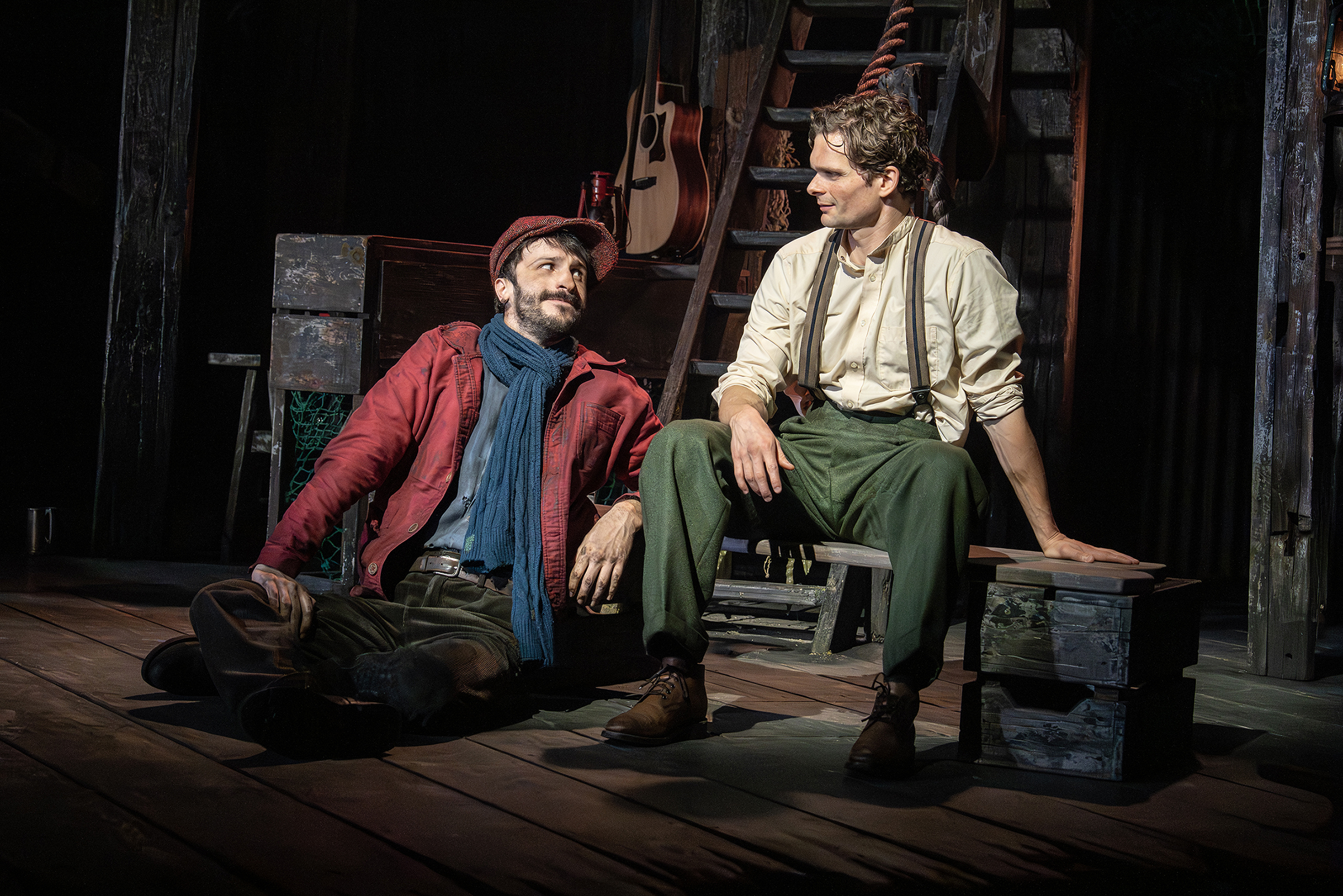
The musical, which earned the 2025 Olivier Award for Best New Musical, is based on the F. Scott Fitzgerald short story. Unlike the 2008 film adaptation, which relied heavily on prosthetic makeup and visual effects, the stage production opts for a stripped-down, actor-driven approach. Durand is tasked with portraying the life of a man aging in reverse, starting at the age of 70 and gradually appearing younger throughout the narrative.

"There is no makeup. It’s all costume and physicality," Durand noted, emphasizing the precision required to communicate age through movement and voice without resorting to caricature. The role demands an extreme level of bodily awareness, as Durand must balance the character’s internal age with his external physical progression. He maintains a rigorous system to manage these transitions, marking the specific age of the character at the top of every scene script to ensure the correct internal focus is applied.
The Intersection of Professional Demand and Personal Wellbeing
The professional success experienced by Durand comes with a documented cost. In a candid assessment of his career trajectory, he admitted that the lack of downtime has led to a sense of isolation from his personal life, including family and friends. The theater industry does not operate under standard corporate employment models; there is no two-week notice or transition period between roles. Instead, performers frequently move directly from one project to another, often with zero recovery time.
This pattern is driven by a fear of scarcity, a common psychological hurdle for performers in an industry where every contract could potentially be the last. For many in the arts, the instinct to accept every high-quality offer is a defensive measure against the inherent instability of the gig economy. However, as Durand reflects, this constant engagement can lead to a erosion of the very life experiences that inform a great performance.
The Philosophy of The Curious Case of Benjamin Button
The themes of the current production have served as a catalyst for Durand to re-evaluate his relationship with his work. The narrative of Benjamin Button—a man initially viewed as a "monster" due to his condition—deals heavily with themes of vulnerability, self-worth, and the importance of human connection. For Durand, the show’s emphasis on the fleeting nature of time and the necessity of personal presence has been profound.
"The more connected we become, in terms of the digital age, the less connected we are to the things that really matter, which are relationships between people," Durand observed. He views the production not just as an artistic endeavor, but as a reminder of the necessity of slowing down. The bluegrass-inflected score, which reminds him of his upbringing in Roswell, Georgia, has further grounded him in the project, providing a sense of home that has been absent during his extended time in New York.
Industry Implications and Future Outlook
The success of The Curious Case of Benjamin Button, evidenced by its multiple extensions at the Public Theater through December 20, suggests that audiences are responding to the raw, human-centric storytelling that the production offers. From an industry perspective, the show’s popularity underscores the viability of smaller, ensemble-driven works that rely on technical proficiency rather than elaborate spectacle.
However, the human cost behind such productions remains a pertinent topic for discussion within the theater community. The pressure to maintain a "booked" status is a systemic issue, one that requires a careful balance between the pursuit of artistic excellence and the preservation of the artist’s mental and physical health.
For Durand, the path forward involves a conscious shift in priorities. After the conclusion of his run in Benjamin Button, he has committed to a period of rest and a return to his family in Georgia for the holidays. This planned sabbatical serves as a recognition that, for even the most driven performers, sustainable success requires intentional pauses. As he prepares for his next phase, Durand’s journey serves as both a testament to his dedication to the craft and a cautionary tale regarding the relentless pace of modern performance culture. By integrating the lessons of his current role—that time is precious and relationships are the cornerstone of a life well-lived—Durand is positioning himself to maintain his career without sacrificing the personal fulfillment that makes the work meaningful.