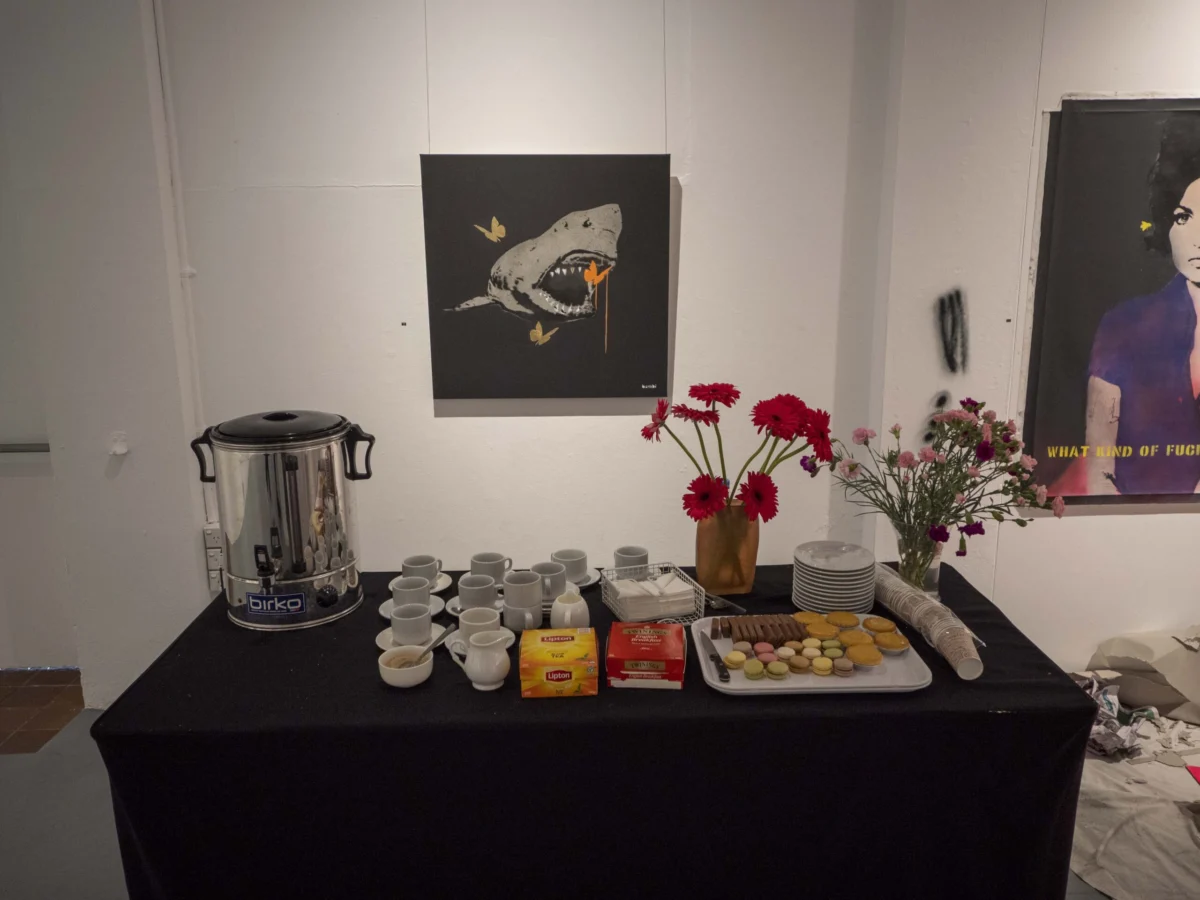

Street artist Bambi, whose work commands the attention of A-list celebrities from Robbie Williams to Rihanna, is a captivating and mysterious female artist operating from London, renowned for her sharp social commentary and distinctive stencil art. Her compelling creations not only adorn the urban fabric of north London’s streets and underpasses but also grace the private collections of influential figures such as Kanye West, Adele, and Rihanna, solidifying her status as Britain’s most prominent anonymous female street artist. Much like her celebrated male counterpart, Banksy, Bambi has meticulously cultivated and safeguarded her anonymity, a characteristic that has become as integral to her brand as her art itself.
The Veil of Anonymity: A Cornerstone of Bambi’s Identity

Since her distinctive pink tag first emerged in 2010, initially beneath a poignant stencil portrait of Amy Winehouse in a Camden doorway, Bambi’s identity has remained shrouded in mystery. This deliberate choice to operate under a pseudonym and keep her true persona hidden is a hallmark of many street artists, serving multiple purposes. Foremost, it provides a layer of protection against potential legal ramifications associated with unsanctioned public art. Historically, graffiti and street art were often viewed as vandalism, carrying fines or even prison sentences. Anonymity allows artists to maintain creative freedom without fear of prosecution. Beyond legal protection, the mystique generated by an unknown identity significantly enhances an artist’s allure and market value. For Bambi, this secrecy has fostered an intense curiosity among the public, collectors, and media alike, drawing focus directly to her art and its message rather than the artist’s personal life. This strategy mirrors Banksy’s highly successful approach, demonstrating how anonymity can transform a street artist into a global phenomenon.
Artistic Evolution and Signature Style
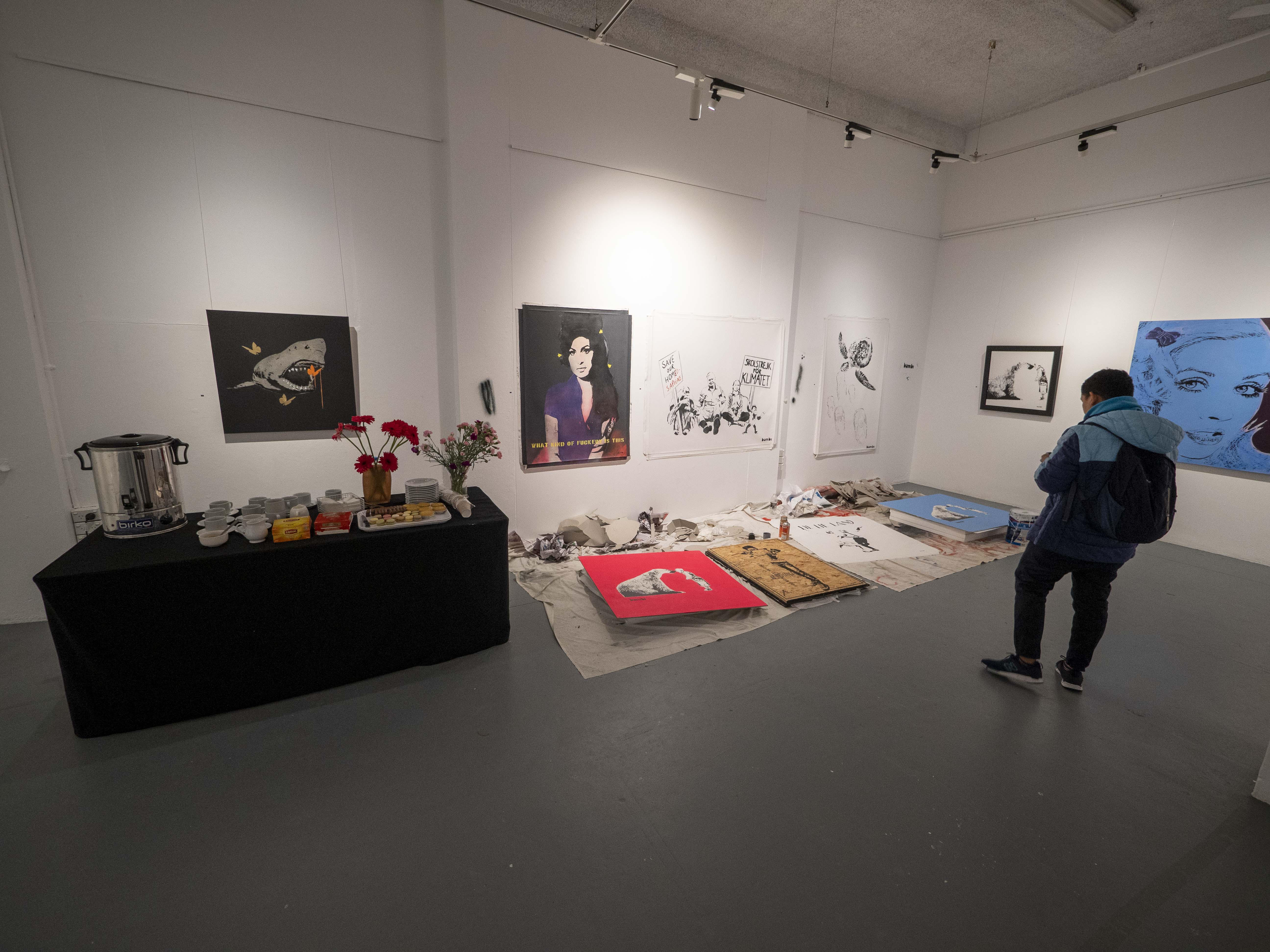
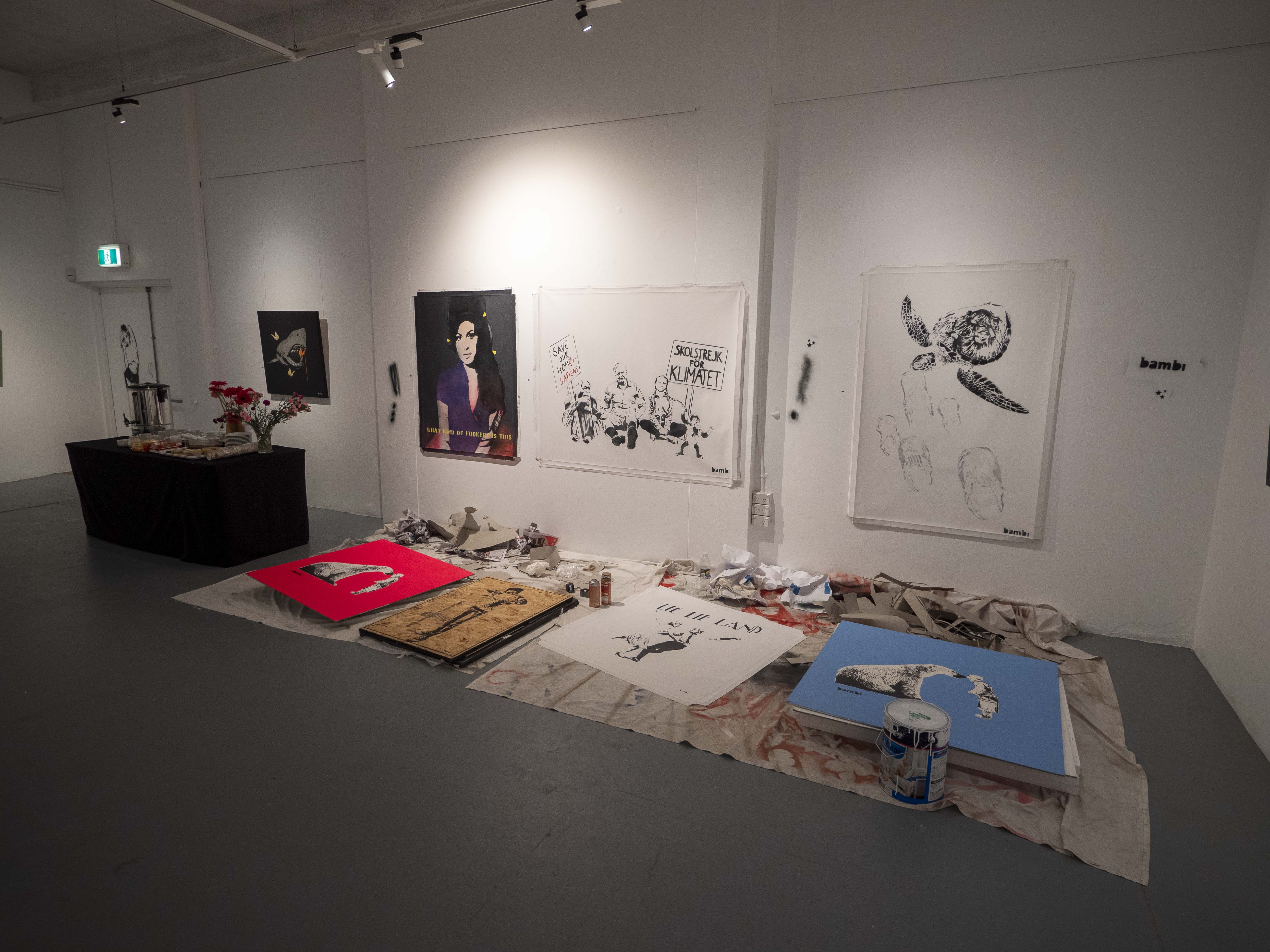
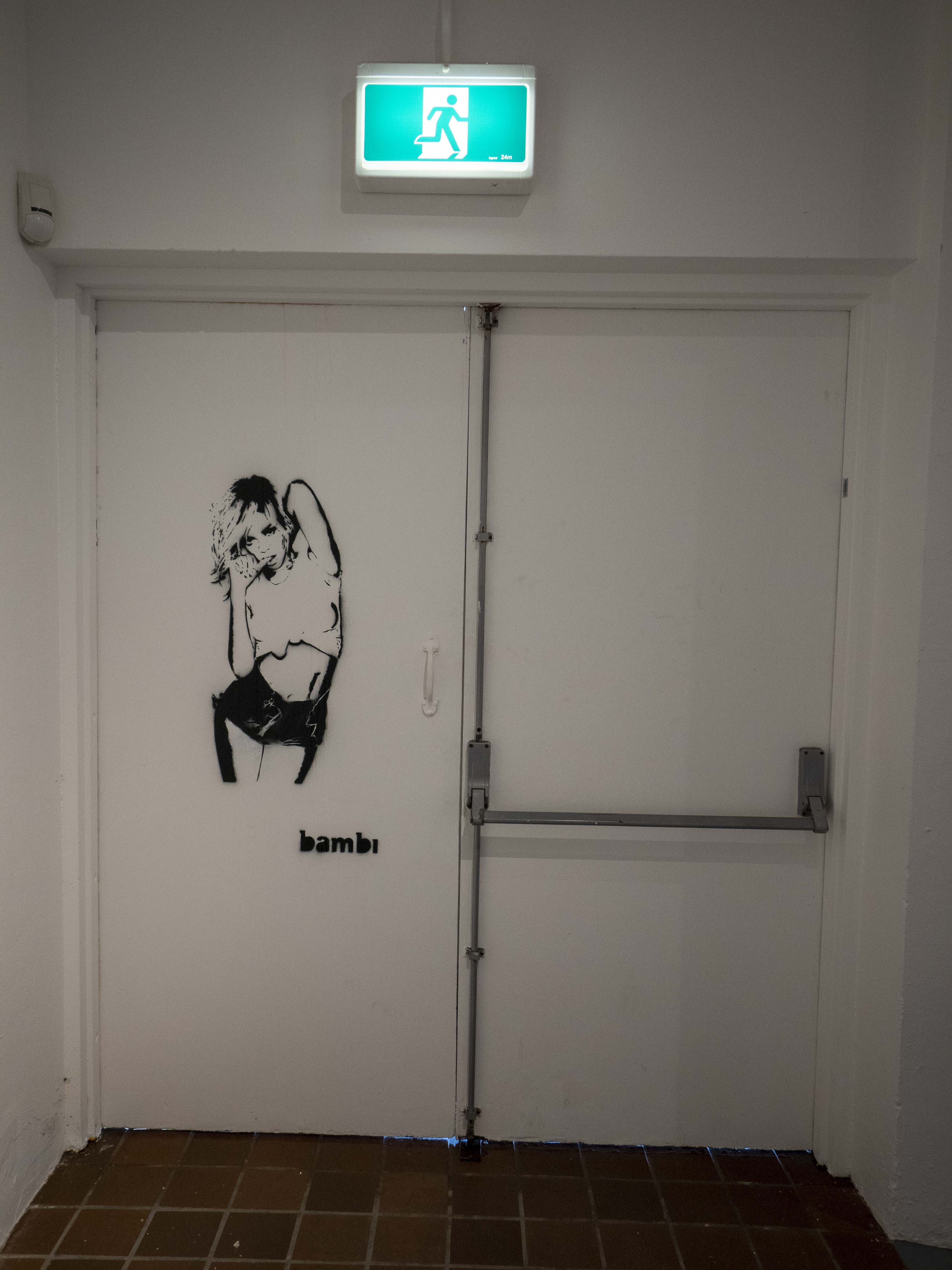
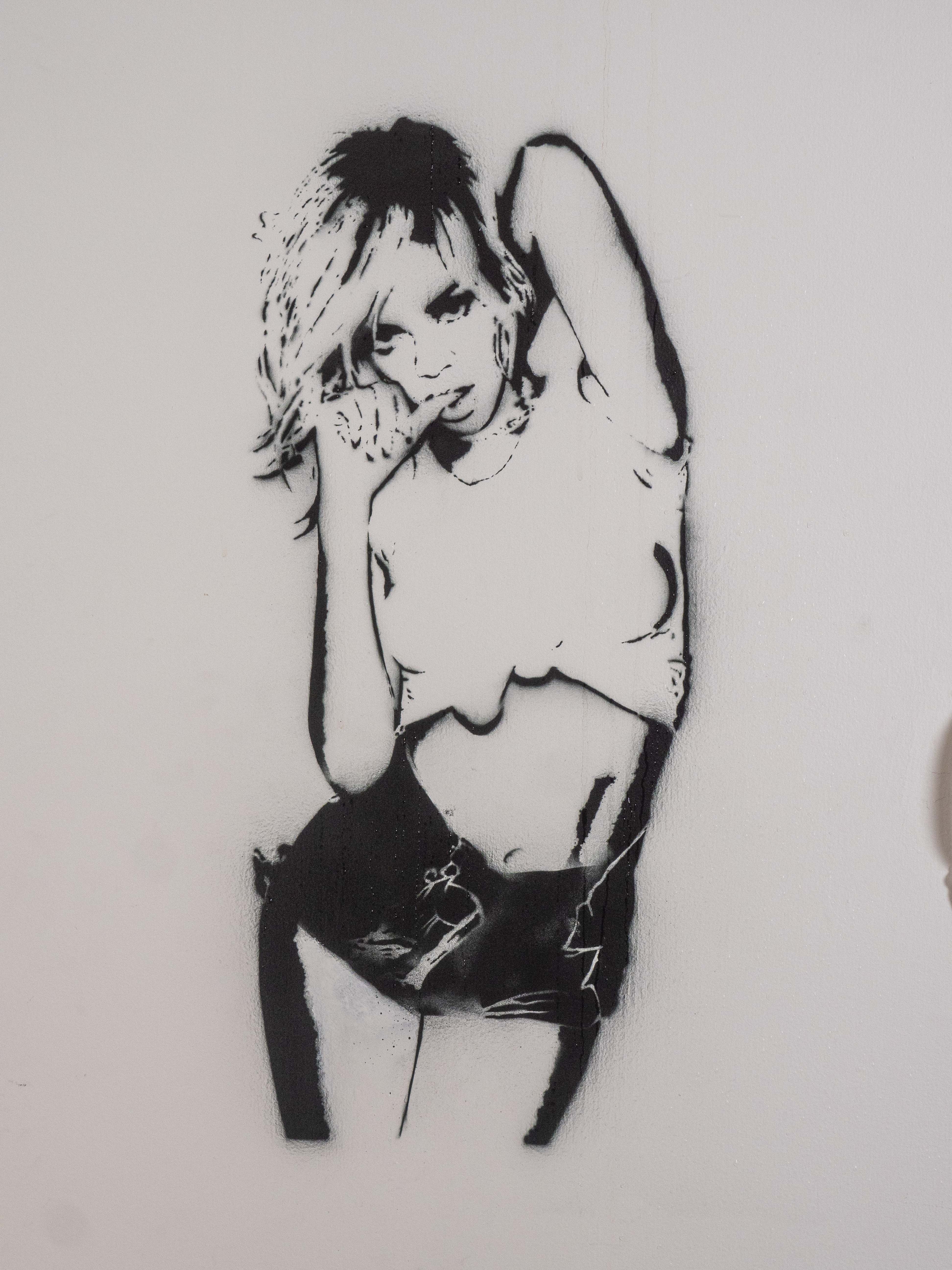
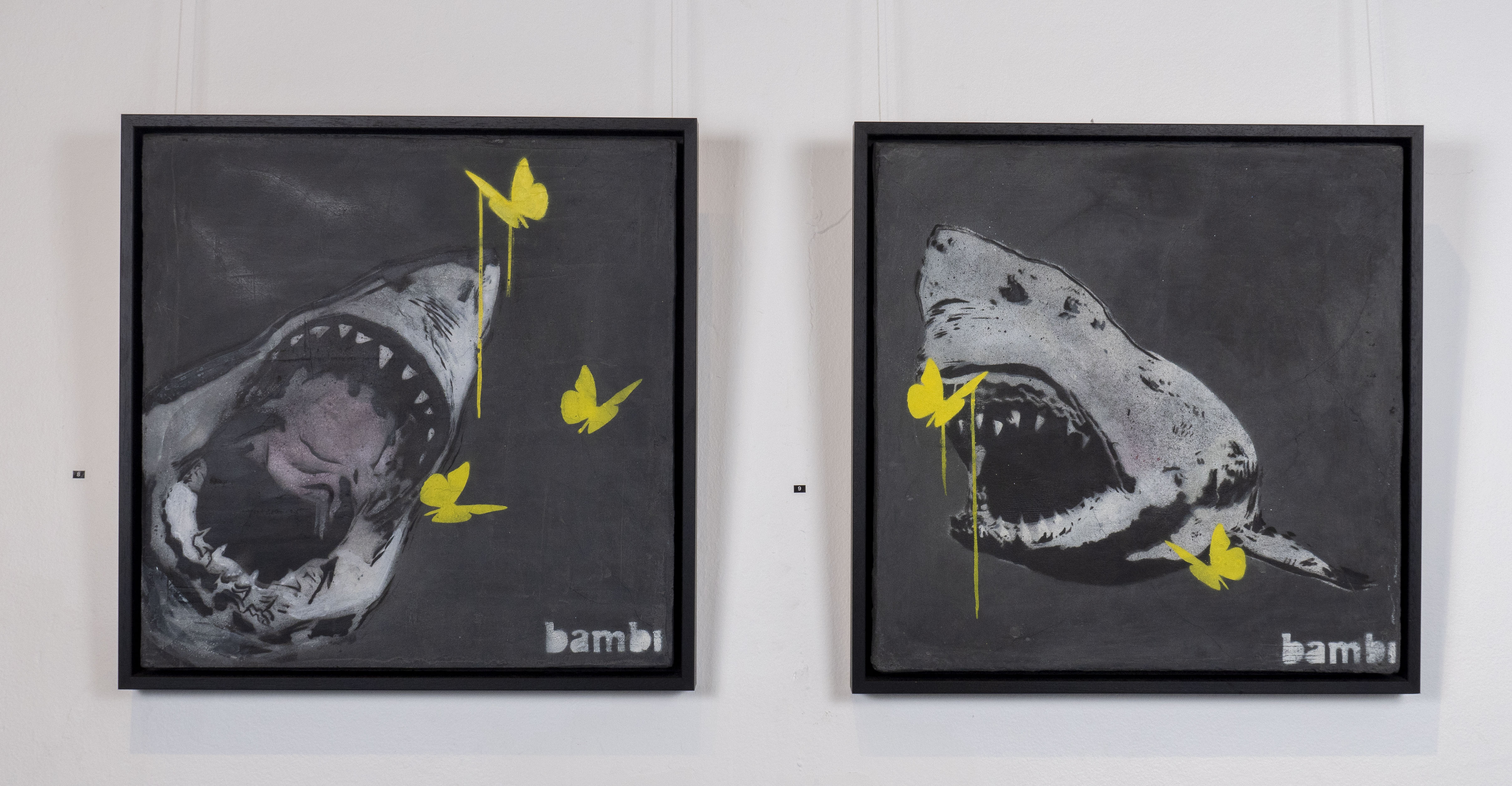
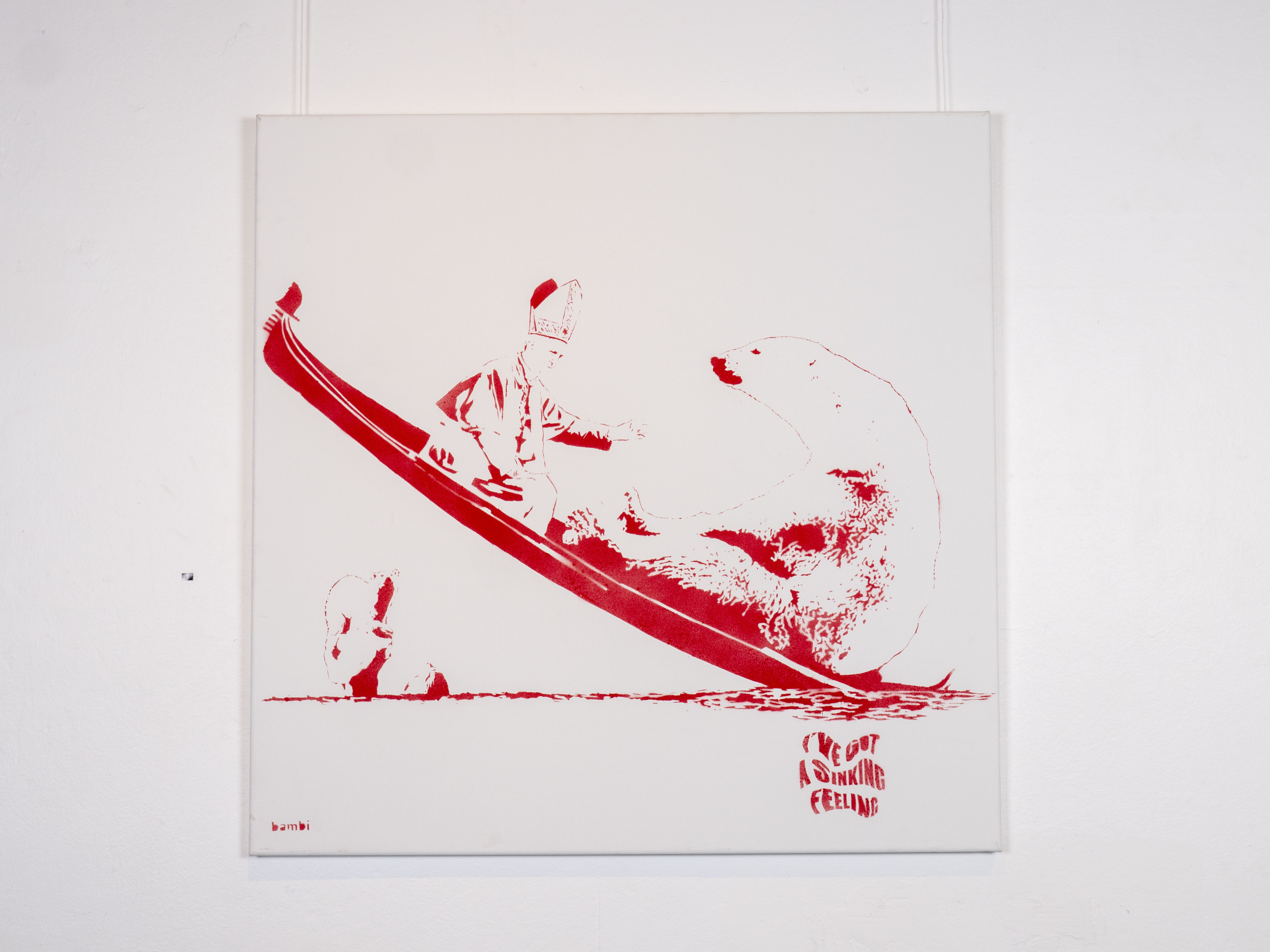
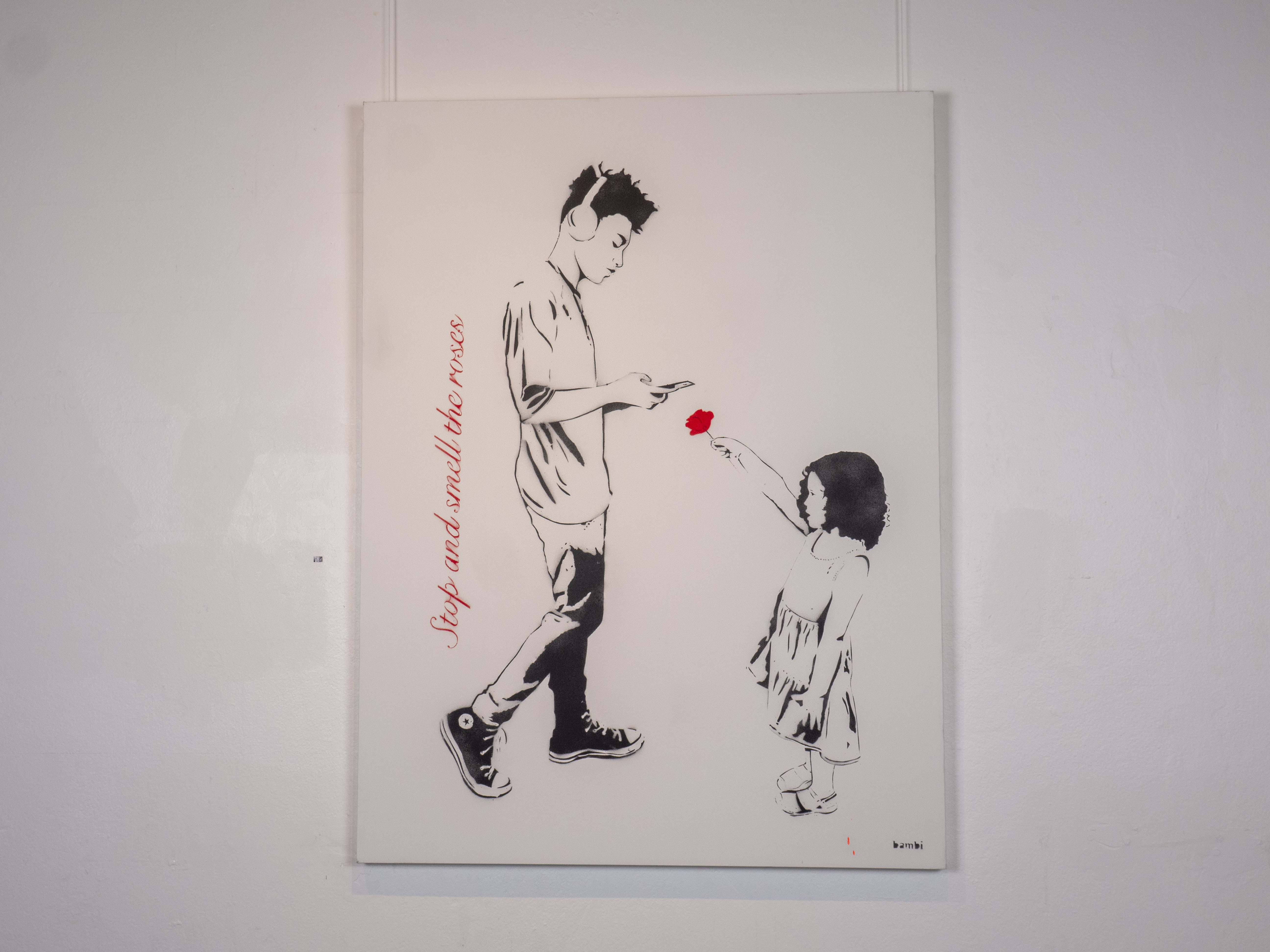
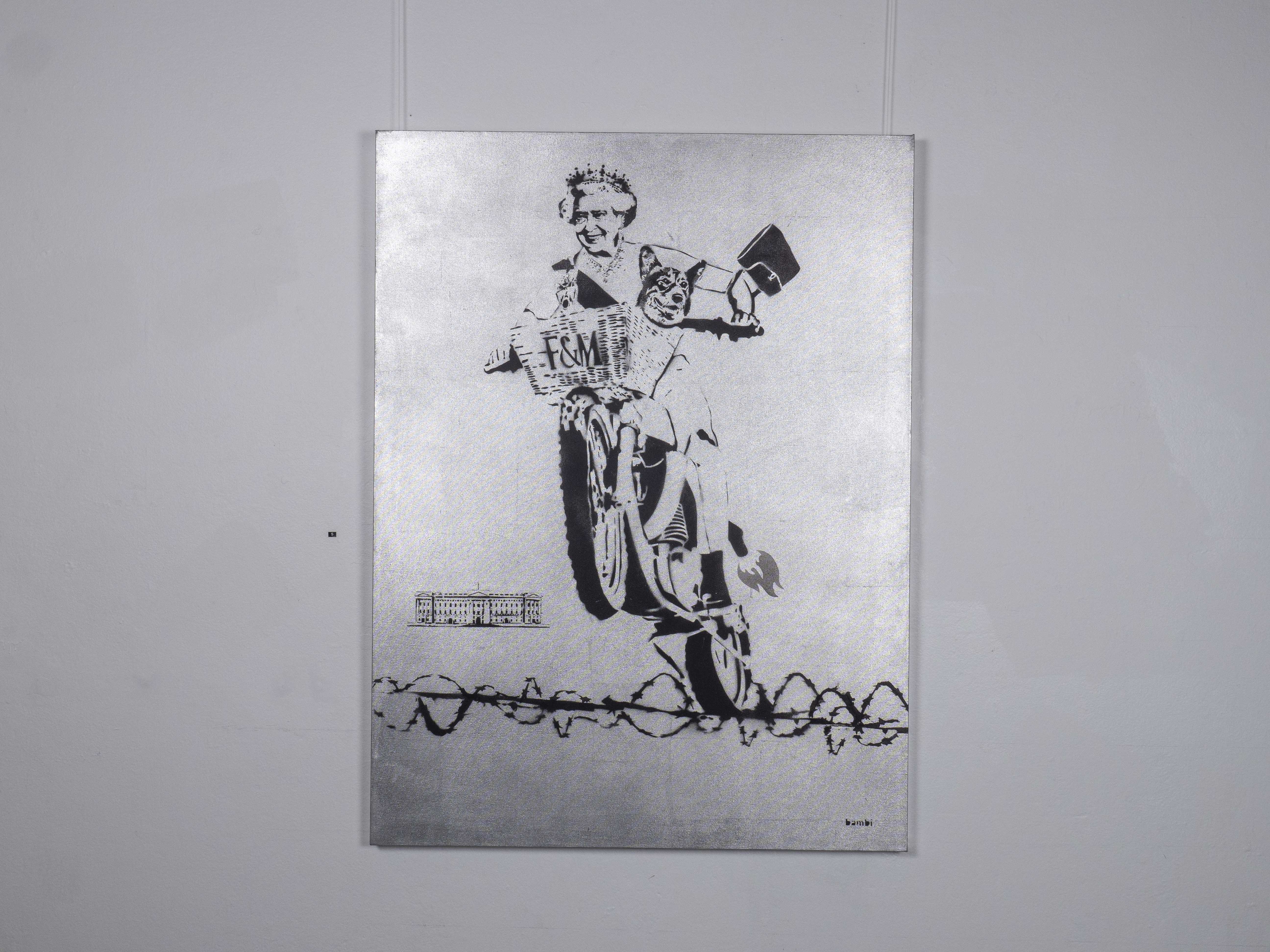
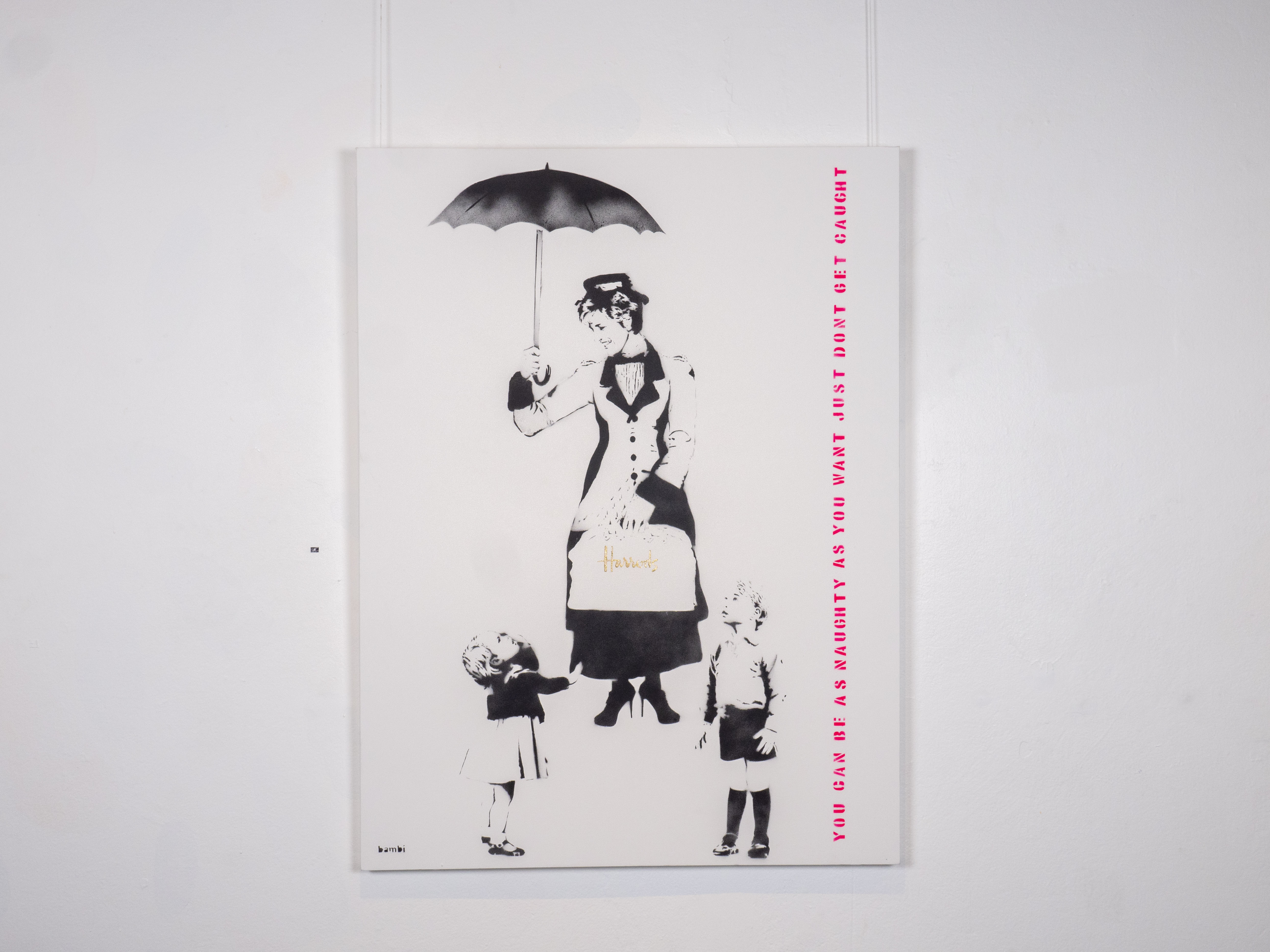
Bambi’s oeuvre is characterized by its incisive engagement with contemporary culture, politics, and social issues, delivered through a signature stencil style that is both accessible and thought-provoking. Her work frequently features portraits of celebrities, politicians, and cultural icons, recontextualized to convey satirical messages or profound social commentary. From early tributes like the Amy Winehouse piece, her subjects have expanded to include global personalities such as Kim Kardashian, and politically charged figures like Boris Johnson, famously depicted as Winston Churchill. This evolution showcases her ability to remain relevant and responsive to the ever-changing socio-political landscape. Her stencil technique, often executed with meticulous detail and vibrant colors, allows for rapid deployment in urban settings while ensuring a consistent aesthetic that is instantly recognizable. Her art explores themes of consumerism, fame, power, and identity, often imbued with a subtle feminist perspective, setting her apart in a genre that has traditionally been dominated by male voices.
A Decade of Impact: From London Streets to Global Galleries
Bambi’s career trajectory since 2010 illustrates a rapid ascent from local street artist to an internationally recognized name. Her initial pieces, predominantly found on the brickwork and concrete canvases of north London, quickly garnered local attention before attracting a broader audience through social media and dedicated street art blogs. The transition from ephemeral street art to permanent installations and gallery exhibitions is a common path for successful street artists, and Bambi has navigated this journey with remarkable success. Her works are not only coveted by private collectors but have also been featured in reputable galleries, further legitimizing her artistic contributions. This dual presence – maintaining a clandestine street presence while exhibiting in formal art spaces – highlights the evolving nature of the art world and the increasing acceptance of street art as a legitimate and valuable form. The consistent demand for her pieces, both on the street and in commercial settings, underscores her significant cultural footprint.
The Power of Celebrity Endorsement and Market Dynamics
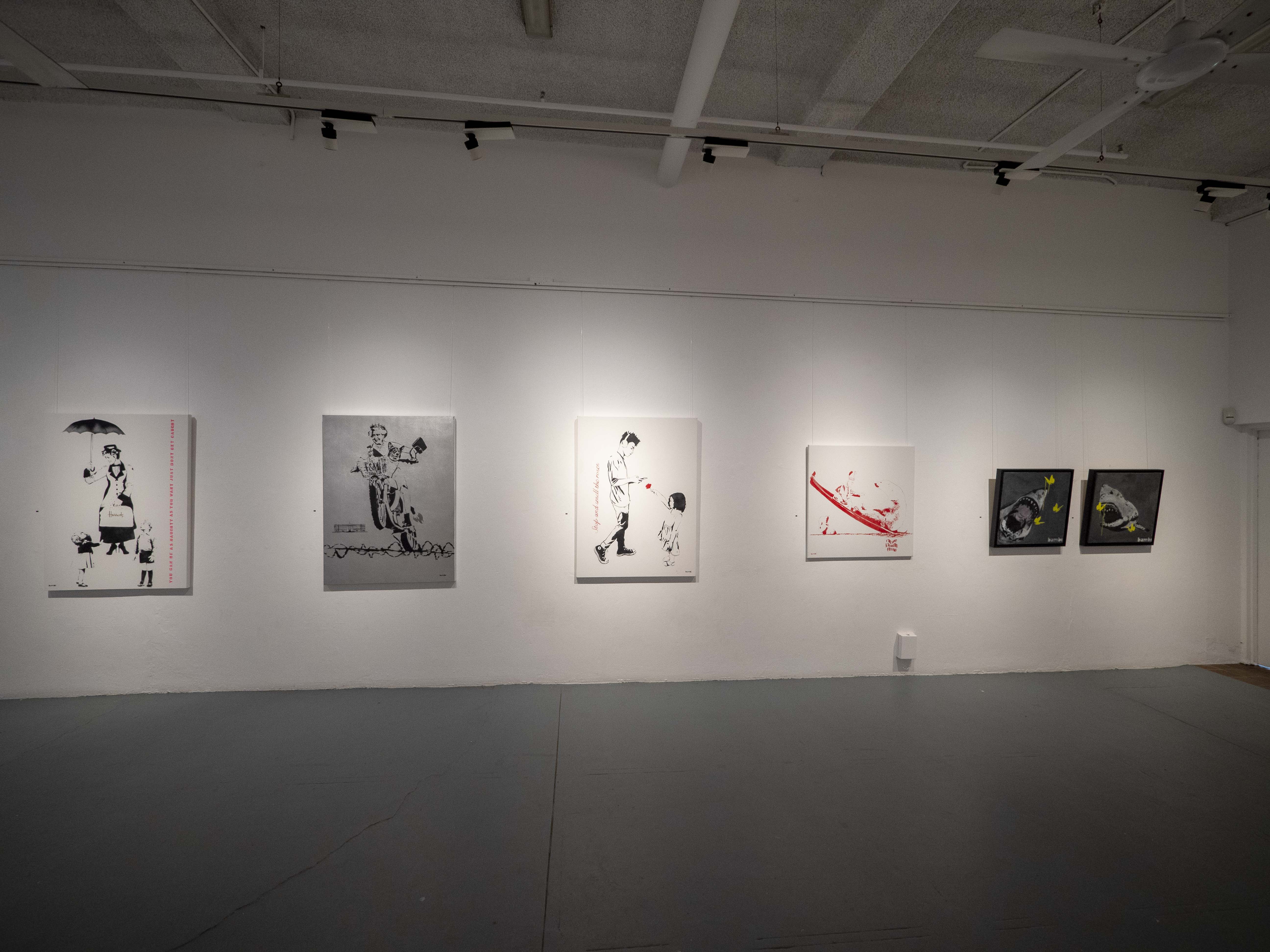
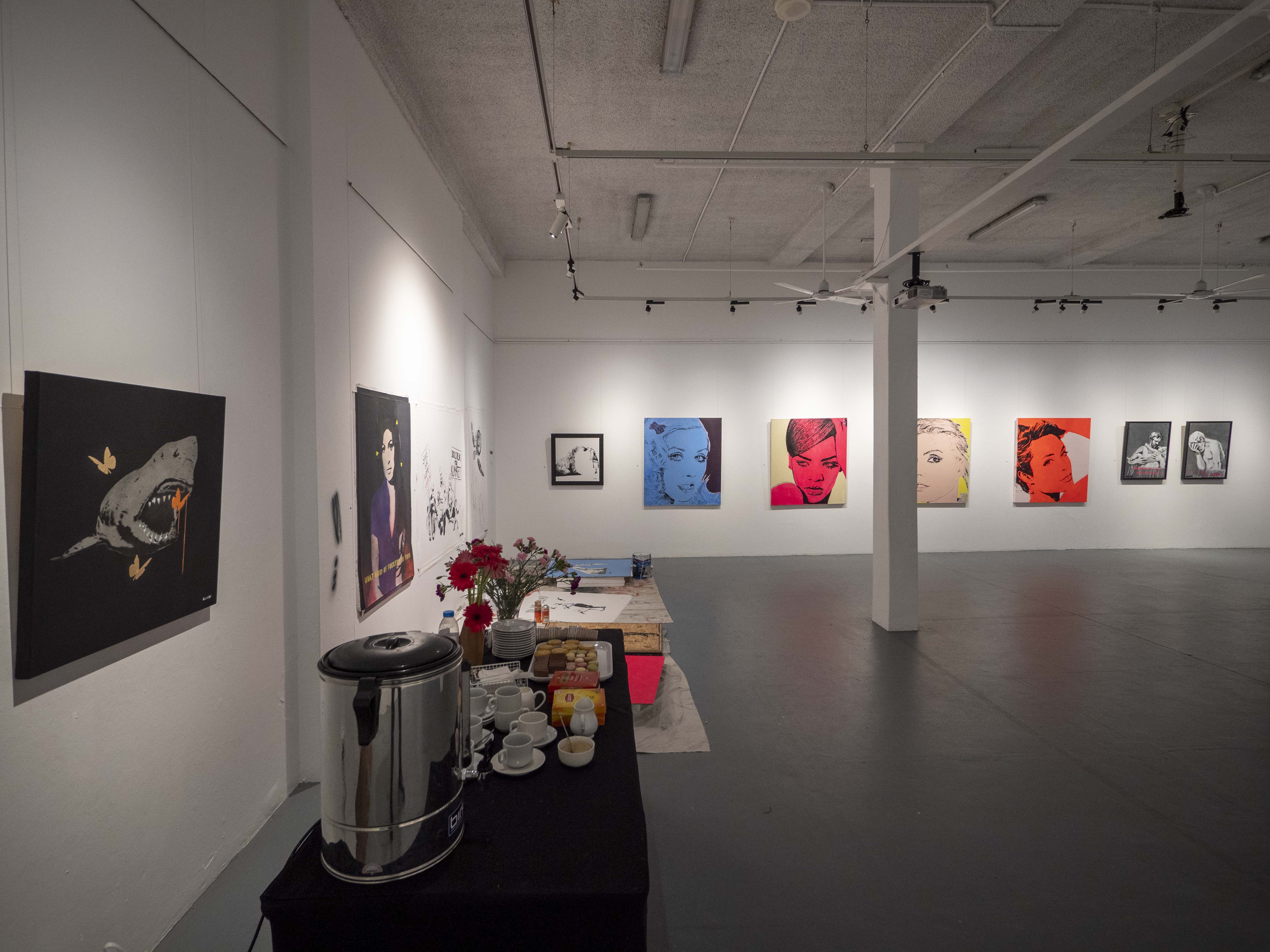
The list of high-profile individuals who own Bambi’s work is a testament to her widespread appeal and significant market presence. Robbie Williams, Rihanna, Kanye West, and Adele are not merely fans; their acquisition of her art elevates her profile considerably. In the art market, celebrity endorsement can act as a powerful validator, driving up demand and prices. When a piece moves from a public wall to a private celebrity collection, it undergoes a transformation in perceived value and status. This phenomenon has been observed with other street artists, where the association with global icons amplifies their reach beyond traditional art circles. For Bambi, this means her messages resonate with a diverse audience, and her works become highly sought after investments. The combination of anonymity, impactful subject matter, and celebrity backing creates a unique ecosystem around her art, positioning her at the forefront of contemporary urban art.
The Bondi Pavilion Exhibition: A Landmark International Showcase
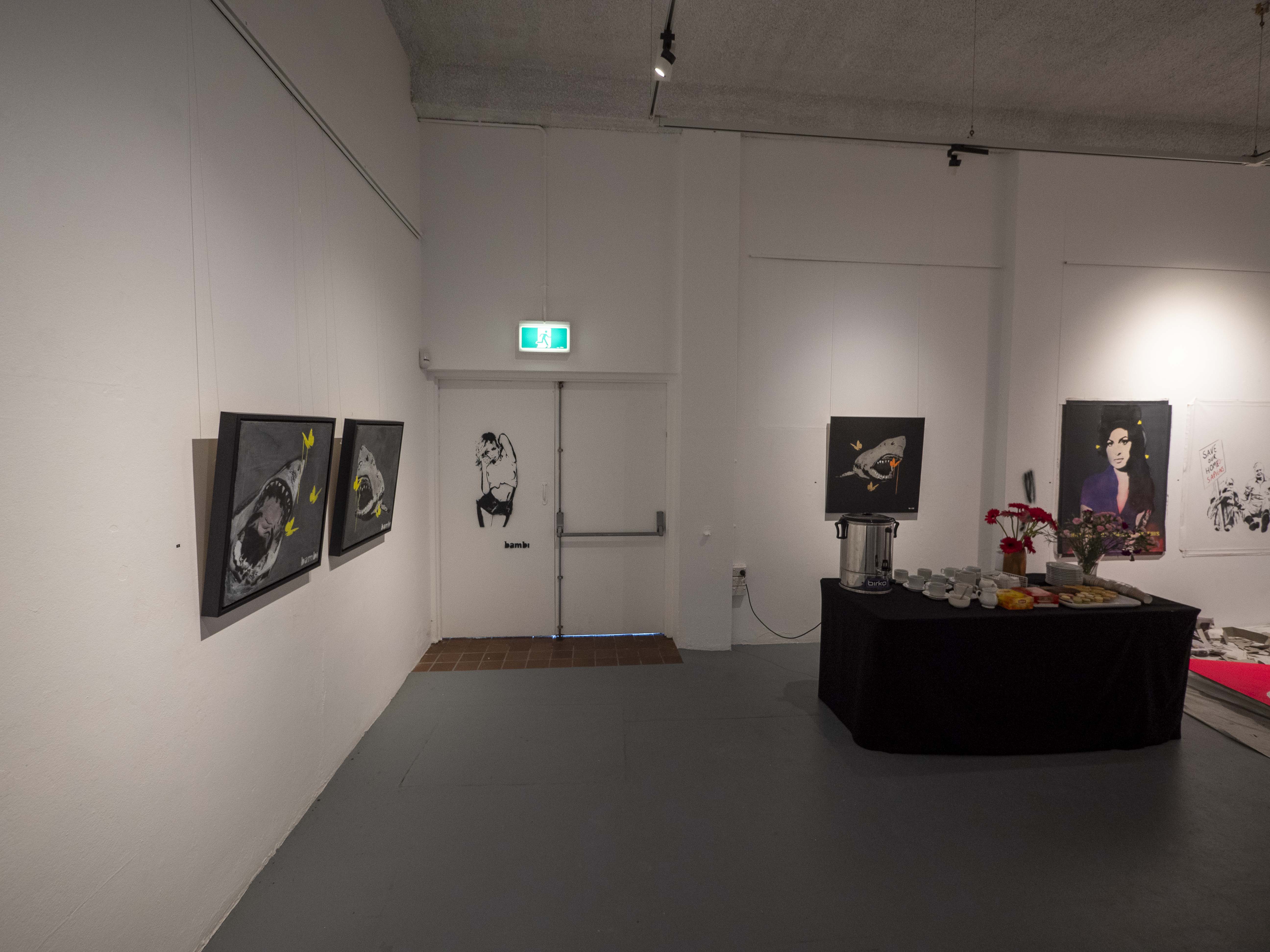
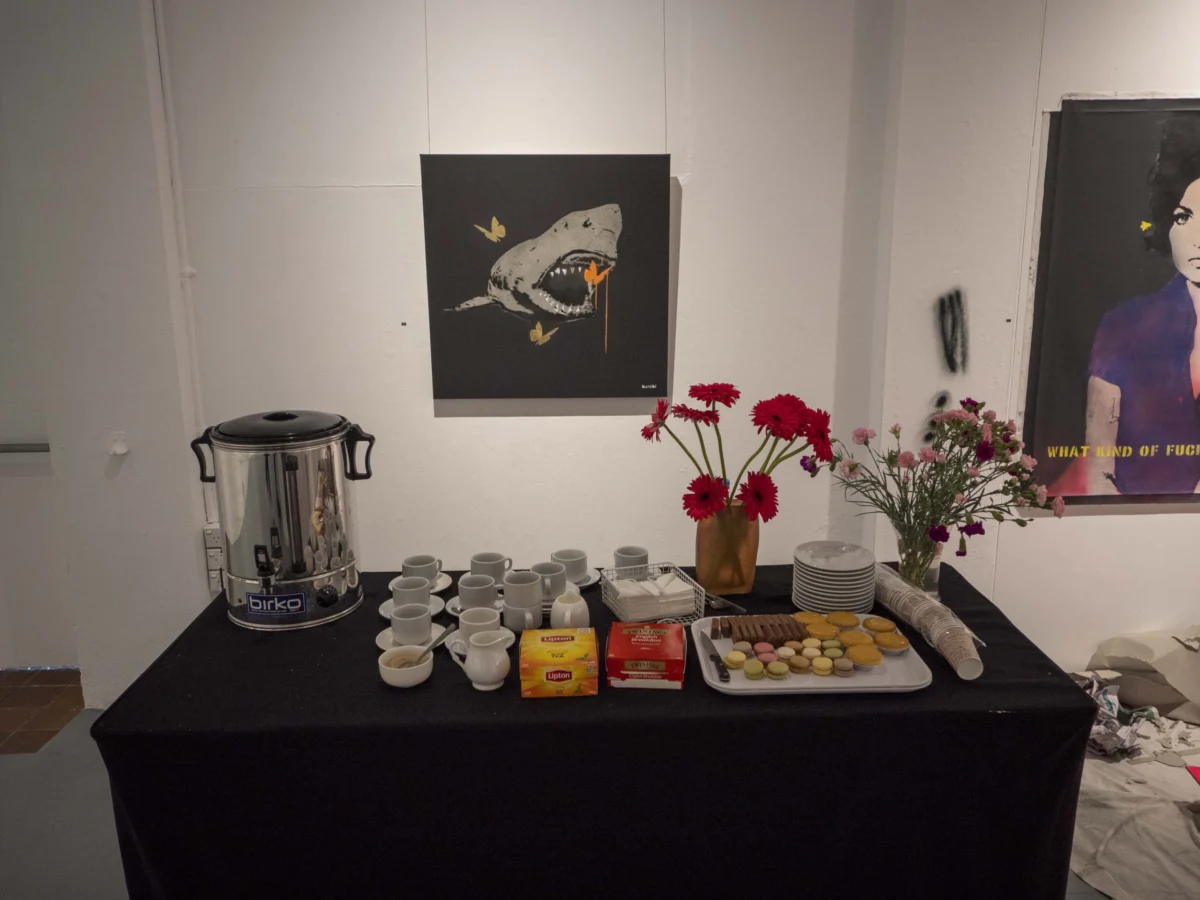
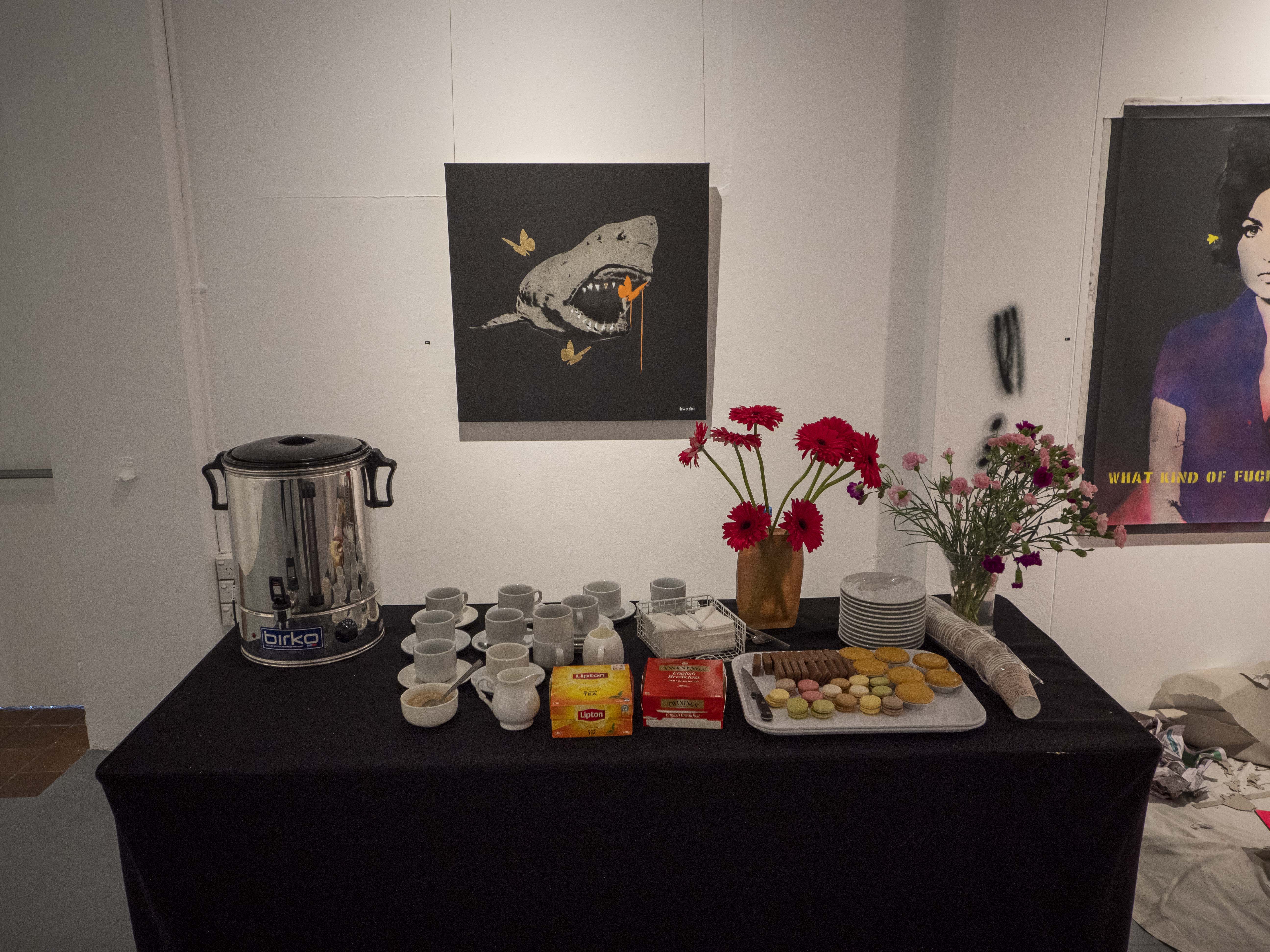
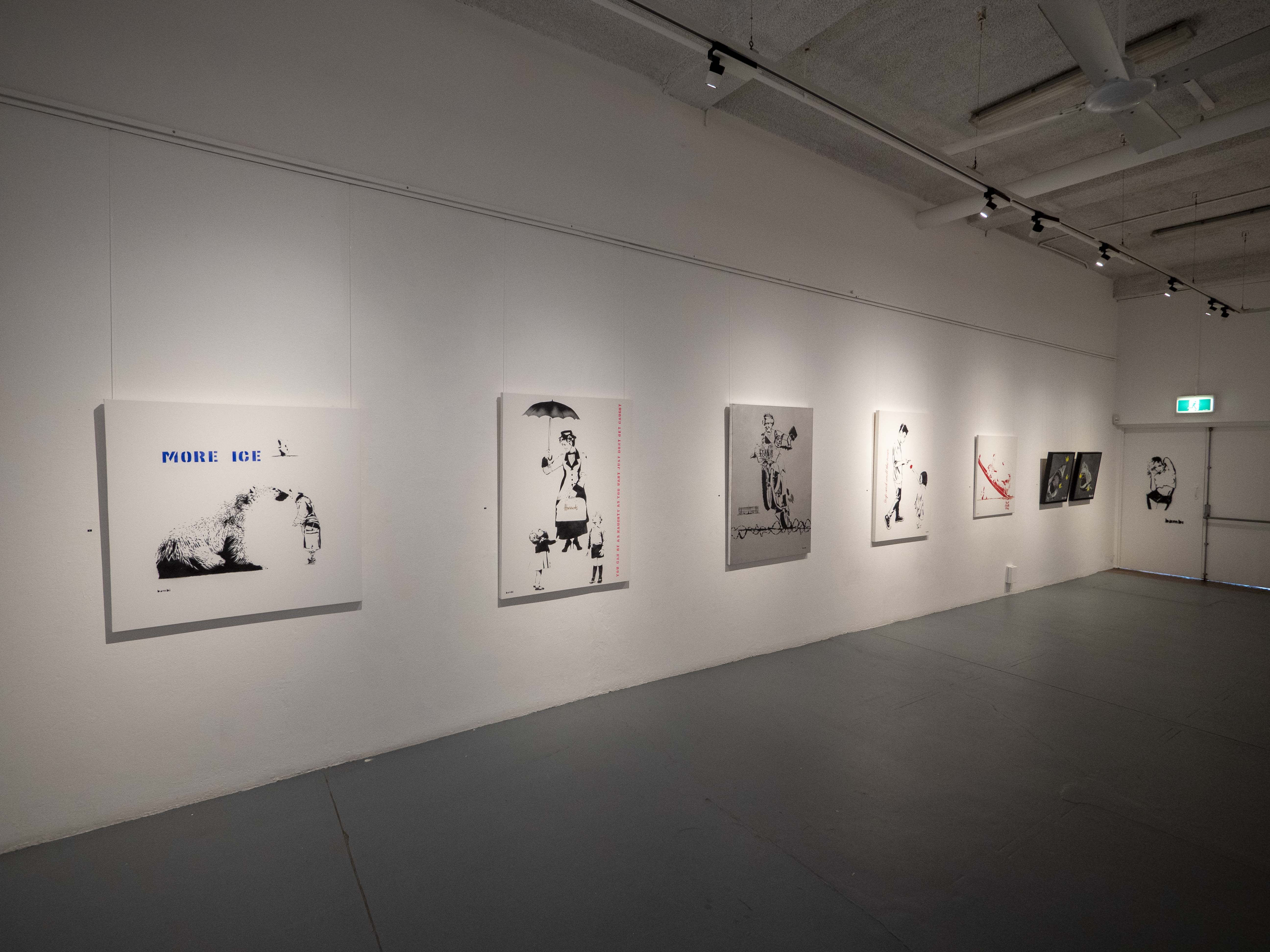
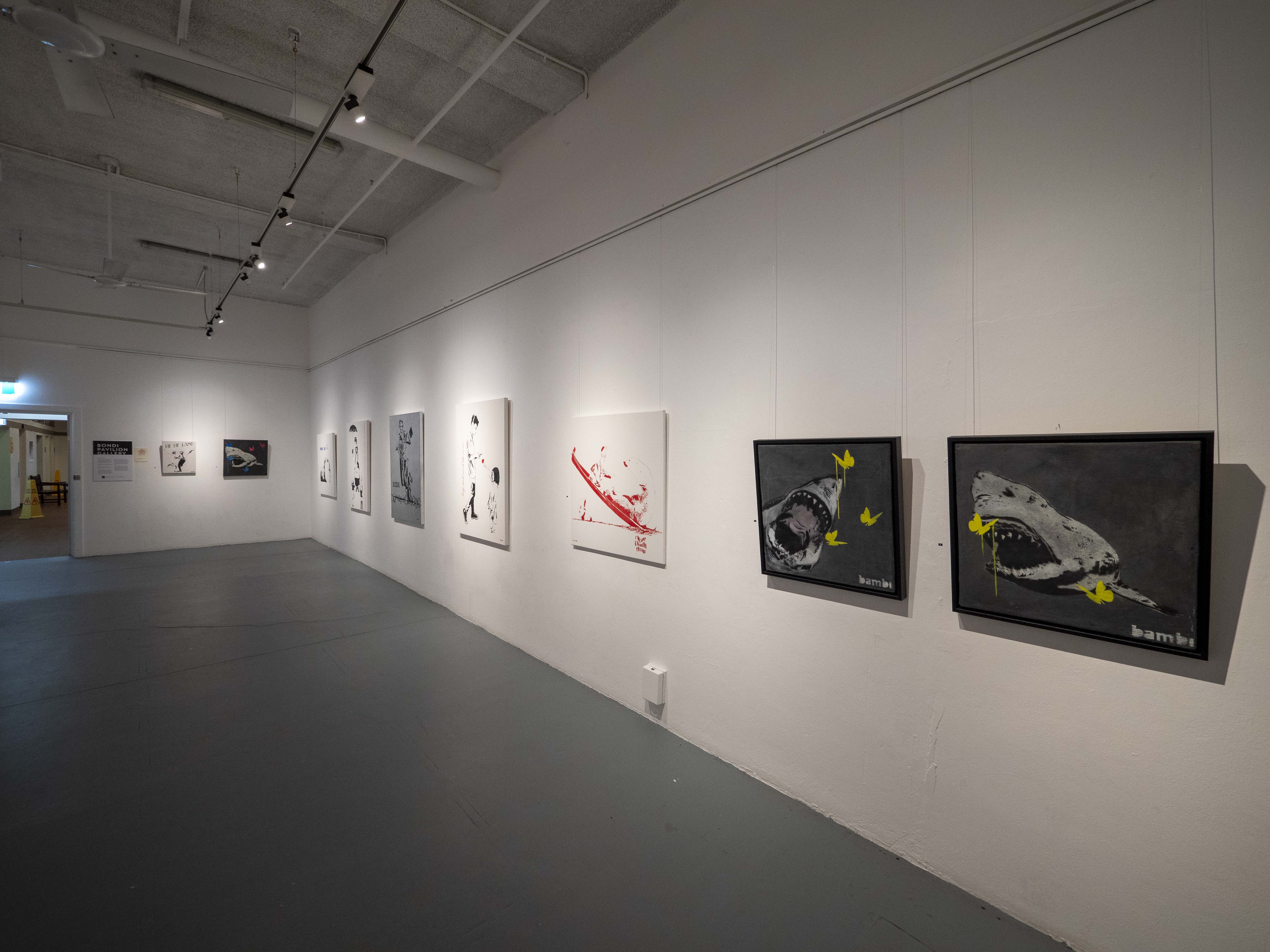
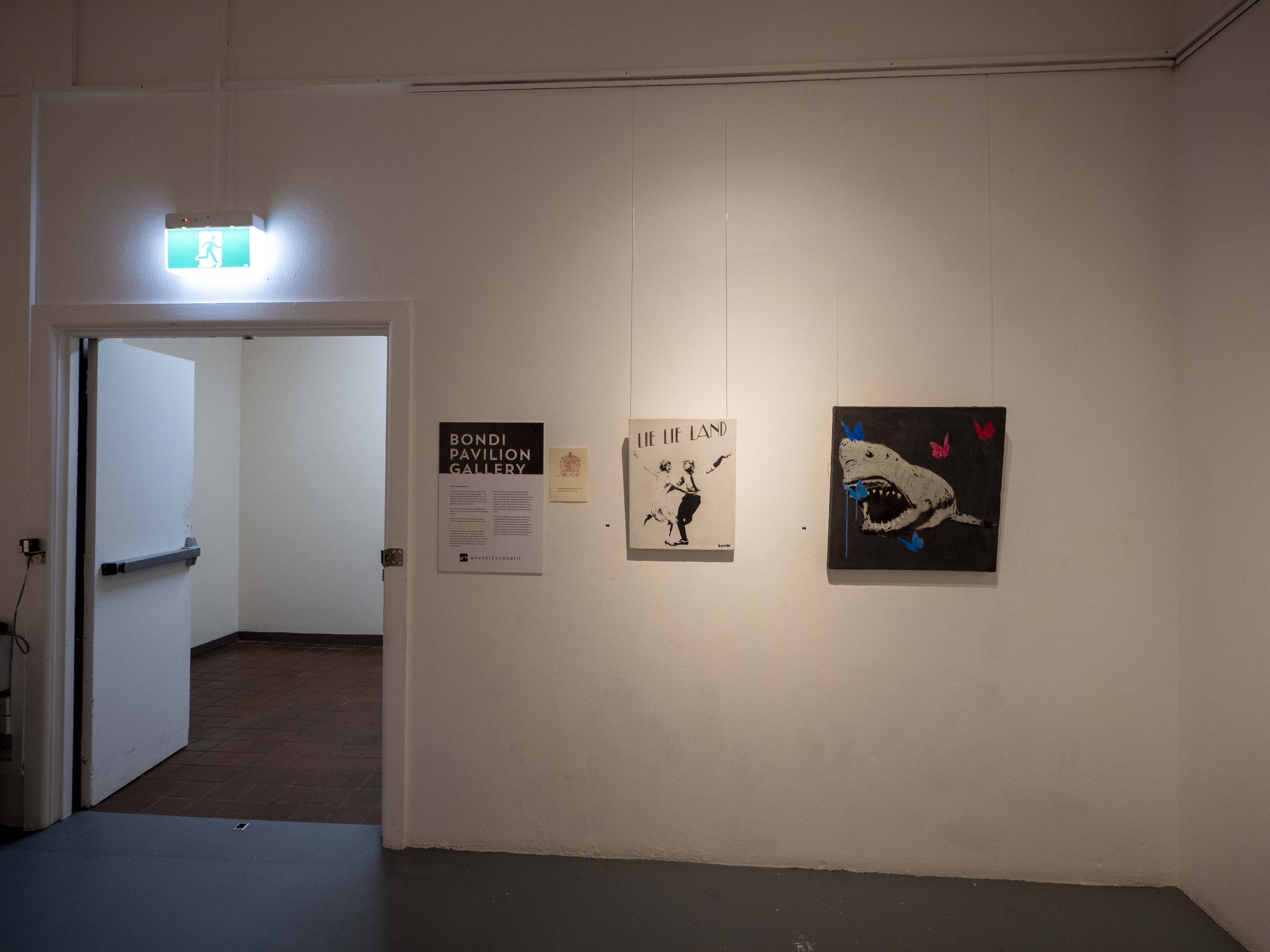
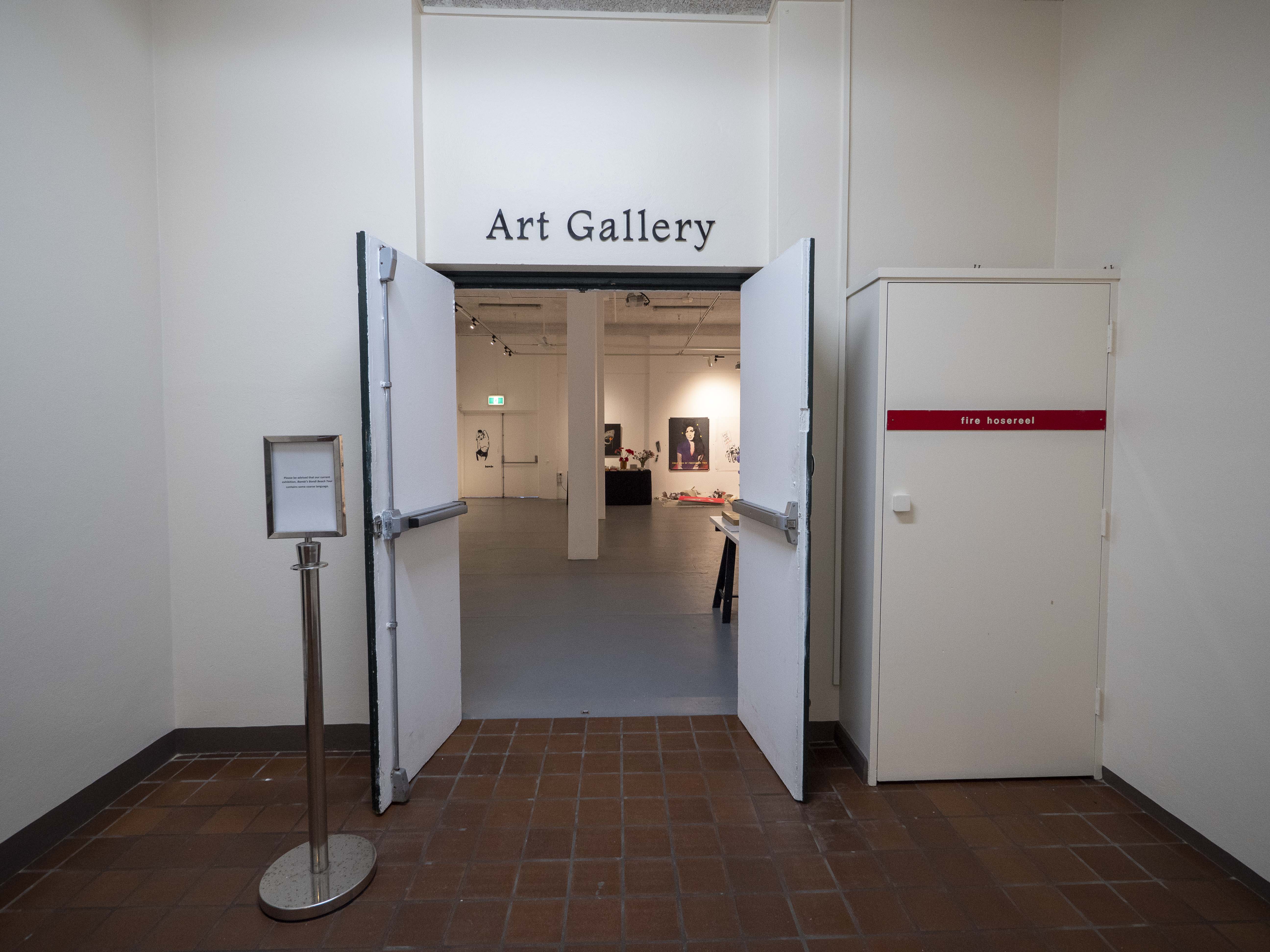
In a notable expansion of her global footprint, Bambi’s works were featured in an exhibition at the iconic Bondi Pavilion in Australia. This significant series of works was on exhibition until Sunday, June 23, 2019, marking a pivotal moment in her career by bringing her art to an international audience outside of her established London base. The Bondi Pavilion, a cultural landmark situated on one of the world’s most famous beaches, provided a prestigious venue for her art, underscoring her growing international recognition. Such an exhibition not only allowed Australian art enthusiasts to engage directly with her distinct style and thematic concerns but also further cemented her reputation as an artist with global appeal. The curated selection of works likely offered a comprehensive overview of her artistic journey, from her sharp socio-political commentaries to her pop culture critiques, all presented with her characteristic blend of wit and visual impact.
Broader Context: Street Art’s Evolution and the Role of Anonymity
Street art, once relegated to the fringes of the art world, has undergone a profound transformation, evolving from illicit graffiti to a celebrated contemporary art movement. Its origins can be traced back to the tagging culture of 1970s New York, but it quickly developed into a sophisticated medium for artistic expression and social commentary. Artists like Jean-Michel Basquiat and Keith Haring, who emerged from the street art scene, eventually transitioned into mainstream art institutions, paving the way for future generations. The internet and social media have played a crucial role in this evolution, allowing street art to gain immediate global exposure, transcending geographical boundaries and breaking down the traditional gatekeeping mechanisms of the art world.
Within this dynamic landscape, anonymity remains a powerful tool. It allows artists to critique societal norms and political figures without personal repercussion, fostering a sense of intrigue that fuels public discourse. For artists like Bambi and Banksy, the mystery surrounding their identity becomes an integral part of their artistic persona, creating a compelling narrative that enhances their work’s impact. This deliberate choice challenges the conventional art world’s emphasis on individual identity and biography, shifting the focus squarely onto the message and aesthetic quality of the art itself.
Inferred Reactions and Critical Acclaim
While Bambi herself remains publicly silent, the reception to her work speaks volumes. Art critics frequently commend her for her acute observational skills and technical prowess in stencil art, noting her ability to distill complex social narratives into visually striking and easily digestible images. Her use of familiar faces and symbols often draws viewers in, prompting reflection on deeper issues. Collectors, both celebrity and private, are undoubtedly attracted by the unique blend of artistic merit, cultural relevance, and the inherent investment value amplified by her anonymity. The consistent intrigue generated by her hidden identity ensures that her exhibitions, both official and unofficial, become talking points. For local communities in London, her vibrant street art pieces offer moments of unexpected beauty and social reflection, enriching the urban landscape and sparking conversations among passersby. The public’s fascination with anonymous artists like Bambi indicates a desire for art that is both accessible and carries a deeper, often subversive, message.
Implications for Contemporary Art and Female Representation
Bambi’s sustained success has significant implications for the contemporary art world. Her prominence challenges the historically male-dominated narrative of street art, providing a powerful voice and representation for female artists in a global arena. By excelling in a genre often associated with masculinity and rebellion, Bambi redefines perceptions of who can be a successful and impactful street artist. Her work contributes to the ongoing debate about the boundaries between vandalism and art, forcing institutions and the public to reconsider the value and legitimacy of art created outside traditional gallery spaces.
Furthermore, her ability to bridge the gap between street credibility and commercial success highlights the evolving monetization strategies within the art market. The mystique of anonymity, far from being a hindrance, has proven to be a potent commercial asset, demonstrating that a strong artistic vision, coupled with strategic presentation, can thrive even without a public face. As the digital age continues to blur lines between public and private, Bambi’s steadfast commitment to anonymity poses intriguing questions about the future of artist-audience relationships and the enduring power of mystery in an increasingly transparent world. Her continuing impact suggests that the allure of the unknown, combined with art that speaks to the zeitgeist, will continue to captivate audiences and shape the discourse around contemporary urban art for years to come.