
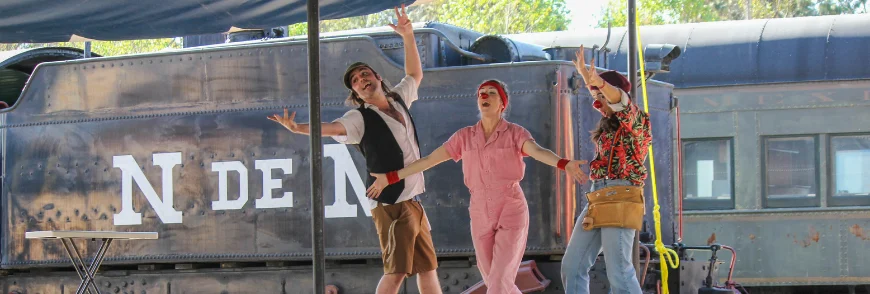
Families seeking asylum in Mexico are currently navigating a complex and often devastating landscape marked by unprecedented backlogs and formidable barriers, largely exacerbated by prevailing US immigration policies. This protracted state of uncertainty inflicts a profound emotional and psychological toll, leaving individuals and especially children suspended in a debilitating cycle of waiting and anticipation. In response to this pressing humanitarian crisis, Clowns Without Borders (CWB) embarked on a vital mission to central Mexico from August 28 to September 9, 2024, delivering much-needed moments of laughter, relief, and connection to communities grappling with displacement. Across 13 performances, CWB artists reached an estimated 1,771 people, demonstrating how the simple acts of a well-timed giggle or a unicycle routine can profoundly shift an atmosphere of anxiety, even when systemic solutions remain elusive.
The Deepening Crisis at the US-Mexico Border

The US-Mexico border region has long been a focal point for migration, but recent years have seen an escalation in the complexity and human cost of seeking asylum. Stricter enforcement measures, coupled with a surge in arrivals from a diverse range of countries, have created a humanitarian bottleneck. Policies like the controversial Title 42, though eventually lifted, left a legacy of expedited removals and limited access to asylum. Subsequent measures, including the reliance on apps like CBP One for appointment scheduling and new restrictions on asylum eligibility, have further complicated the process, forcing many to wait indefinitely in Mexico.
Mexico, in turn, has become an unwilling host to hundreds of thousands of migrants, many of whom face perilous journeys through the country, navigating both natural dangers and the threat of organized crime. The Mexican government, under pressure from the United States, has increased its own border enforcement, leading to more interceptions and detentions of migrants. This militarization, while intended to curb irregular migration, often leaves asylum seekers in a precarious legal limbo, unable to proceed to the US border and unwilling or unable to return to their home countries. According to Mexico’s Commission for Refugee Assistance (COMAR), asylum applications in Mexico have soared in recent years, reaching record numbers and overwhelming the country’s already strained resources. In 2023, COMAR registered over 140,000 asylum claims, predominantly from individuals from Honduras, Haiti, Cuba, and Venezuela, marking a significant increase from previous years and underscoring the scale of the displacement.
The Invisible Wounds: Prolonged Uncertainty and Toxic Stress

While previous CWB missions to Mexico, such as the one highlighted in last year’s blog post, focused on the physical dangers faced by migrants, including the perilous journey on "La Bestia" (the freight train often ridden by migrants), the current focus illuminates a different, yet equally insidious threat: prolonged uncertainty. This state of constant limbo is not merely an inconvenience; for children, it constitutes a form of toxic stress that can have devastating, long-term impacts on their health and development.
The Center on the Developing Child at Harvard University defines toxic stress as the result of strong, frequent, or prolonged adversity without adequate adult support. When children are exposed to such stress continually, or through multiple sources, it can accumulate, taking a severe toll on their health and well-being with lifelong implications. These include an increased risk for chronic diseases like heart disease and diabetes, as well as mental health challenges such as substance abuse and depression. The constant state of not knowing what comes next – where they will sleep, when they will eat, or if they will ever reach safety – erodes a child’s sense of security and trust in their environment.
Research from Guatemala, as cited by Ibáñez-Alfonso et al. (2021), further corroborates these findings, showing that children and adolescents living in vulnerable conditions, such as extreme poverty or exposure to violence, consistently underperform in critical cognitive functions like attention, language, and executive functioning compared to their non-vulnerable peers. These developmental difficulties extend far beyond academic settings, affecting a child’s ability to form healthy relationships, regulate emotions, and envision a hopeful future. For children experiencing displacement, these challenges are compounded by the trauma of their journeys and the instability of their present circumstances. It is precisely because of these profound impacts that interventions like those provided by Clowns Without Borders are not merely entertaining diversions, but rather essential psychological and social support mechanisms. They serve as powerful reminders to children that laughter, play, and occupying space with joy are fundamental birthrights, especially during times of profound waiting and vulnerability.
Clowns Without Borders: A Beacon of Laughter in Adversity
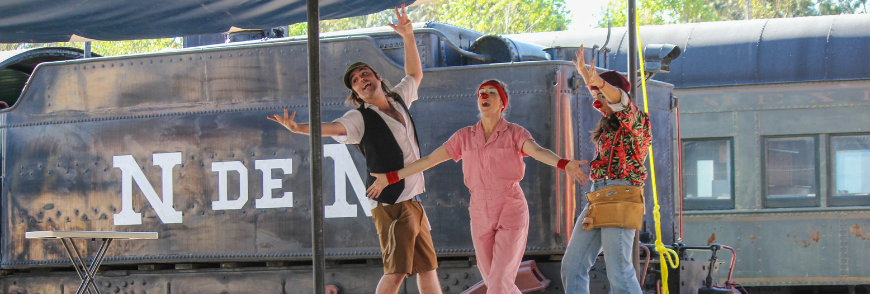
Clowns Without Borders (CWB) is an international organization dedicated to bringing laughter and psychosocial support to people in areas of crisis, war, and natural disaster. Their methodology centers on using humor, play, and performance to alleviate stress, foster resilience, and create moments of normalcy and joy in chaotic environments. The CWB team for the central Mexico tour comprised a diverse and talented group of artists: Lars Uribe (Mexico), Andrea Barello (Italy), Darina Robles (Mexico), and Vanessa Nieto Terrazas (Mexico). This blend of local and international talent ensured cultural sensitivity and a deep understanding of the communities they served.
During their intensive two-week tour in August and September 2024, the artists performed 13 shows, reaching 1,771 individuals. Each performance was carefully crafted to be interactive, engaging, and universally appealing, transcending language barriers through physical comedy, music, and improvisation. The goal was not just to make people laugh, but to create a temporary reprieve from the daily anxieties, to validate emotions, and to foster a sense of shared humanity and community.

Spotlight on Tlaxcala: A New Center, Enduring Questions
One particularly poignant performance took place at the Center for the Care of Children in the Context of Migration in Tlaxcala. This center, a pioneering initiative by the Mexican government, had only opened its doors six months prior, in March 2024. Its establishment reflected an official acknowledgment of the escalating crisis involving unaccompanied minors and families with children in transit. The families housed within its walls hailed from diverse and distant origins, including Haiti, Venezuela, and Honduras, each carrying stories of immense loss, violence, and arduous journeys, often undertaken entirely on foot.
For many residents of the Tlaxcala center, their stay represented an abrupt interruption of their aspirations to reach the United States. While the Mexican government provided essential services, including basic shelter, food, and assistance with paperwork for Mexican asylum claims or humanitarian visas, the residents were not free to move as they pleased. Their movements were monitored, their futures remained profoundly uncertain, and the hope of continuing their northward journey dimmed with each passing day.

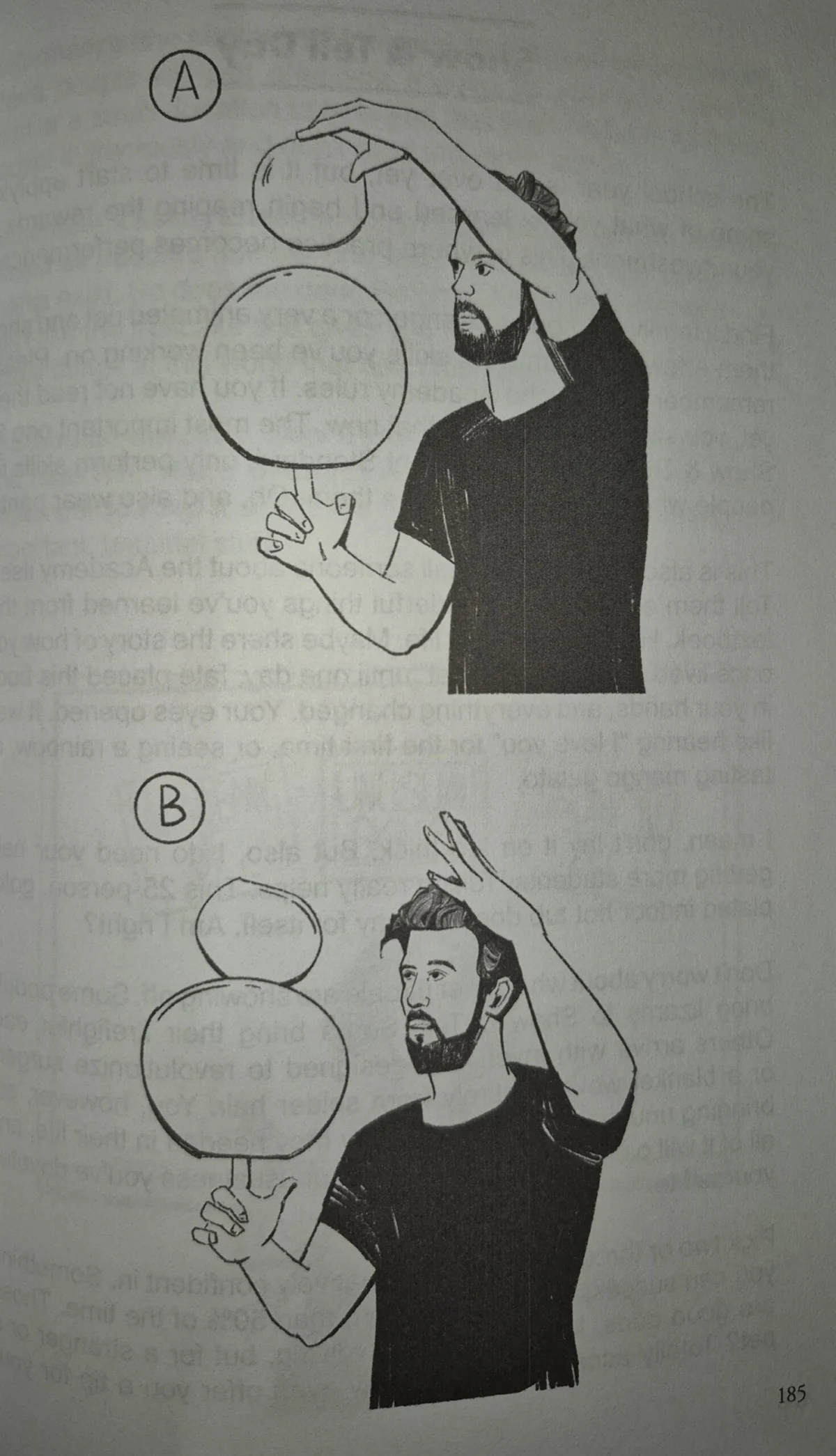
On the day of the CWB visit, however, amidst the regulations and the pervasive uncertainty, one thing was guaranteed: a clown show. There were no documents required, no queues to wait in, just the immediate and shared experience of laughter. Among the audience was Alexander, an 8-year-old boy who had arrived at the center just hours before with his parents and younger sister, Maria Jose. Their journey from Honduras had been long and arduous, and Alexander had no idea what lay ahead or how long they would be confined to Tlaxcala. Yet, when the performance began, Alexander shed his inhibitions. He eagerly participated in the boxing act, then insisted on joining Lars Uribe for the unicycle finale, his energy radiating through the room. His younger sister, Maria Jose, only four, sought out the clowns as they packed up, offering each one a pure, unadulterated hug – a silent yet profound expression of gratitude. These moments underscored the critical role of play: it reminds children that laughing, engaging, and simply taking up space with joy is their inherent right, even, and perhaps especially, while they wait for their lives to resume.
Beyond the Performance: Ripple Effects and Human Connection
The impact of CWB’s performances extends far beyond the immediate joy they generate. These moments of levity create ripple effects that can significantly alter the social and emotional climate of these often-tense environments. One memorable interaction, recounted by Vanessa Nieto Terrazas, known by her clown name Brachito, highlighted this transformative power. At one center, three stern security guards, clad in glasses and caps, stood with arms crossed, their serious expressions a stark contrast to the unfolding merriment. Brachito, sensing the underlying tension, slowly approached them, respectfully asking for permission to give each a kiss on the cheek. Despite their official postures, the guards could not resist the charm and genuine warmth of the moment. They smiled, agreed, and as Brachito delivered the kisses, a burst of laughter and camera flashes erupted from the audience. In that fleeting exchange, the guards transcended their role as mere enforcers; they became participants in a shared human experience, softening the invisible divide between authority and those under their care.

In spaces where many feel disempowered and voiceless, such acts of shared laughter become both a balm and a subtle form of resistance. They affirm that joy, connection, and humanity can persist even in the most challenging circumstances. Staff members at the centers consistently report observable positive changes after CWB shows: children tend to sleep better, appear calmer, and parents often feel more comfortable and open to communication. Laughter, even temporarily, breaks the pervasive tension, offering a psychological reset that can facilitate greater well-being, even if the underlying systemic issues remain unchanged. As CWB artist Lars Uribe asked 8-year-old Alexis what he liked most about his arduous journey from Honduras, Alexis’s simple, profound answer, "The show," spoke volumes about the deep need for levity and the scarcity of joyful moments in their long, difficult transit. These performances do not erase trauma or rectify policy failures, but they provide children and adults with something vital to hold onto: proof that they matter, that they are seen, and that joy remains accessible to them.
A 2025 Update on Seeking Asylum in Mexico: A Worsening Landscape
The CWB central Mexico tour in August-September 2024 provided critical relief, but the humanitarian situation for displaced people has unfortunately worsened in the subsequent months. In February 2025, Amnesty International released a scathing report titled "The Right to Seek Asylum Does Not Exist at the US-Mexico Border." The report meticulously documented how the United States is systematically violating both its national and international human rights obligations, largely due to executive actions initiated by the Trump administration and intensified by the Biden administration, coupled with the increased militarization of Mexico’s border by its own government. These policies effectively block access to asylum, forcing vulnerable individuals into dangerous alternatives.

Further insights into the plight of migrants come from the Danish Refugee Council, which conducted interviews with people on the move in Mexico between October and December 2024. Their findings paint a grim picture: more than a quarter (26%) of respondents reported fleeing direct threats, violence, or intimidation, often from powerful gangs or armed groups. Another 21% cited escaping generalized insecurity and violence, while 12.7% expressed a well-founded fear of persecution. While "generalized violence" might not always meet strict legal thresholds for asylum, it often overlaps with protected categories based on race, religion, nationality, political opinion, or membership in a particular social group. Crucially, even those outside these strict definitions are fleeing dangers that are undeniably real, immediate, and life-altering.
Aid workers on the ground corroborate these alarming trends. In February 2025, The New Humanitarian conducted interviews documenting the current experiences of those seeking safety. Reinaldo Ortuño, the Mexico and Central America medical coordinator at Médecins Sans Frontières (MSF, or Doctors Without Borders), summarized the core issue succinctly: "The main problem is that migrants are stranded with no information about whether they will be able to apply for asylum [in the US] again." This informational vacuum leaves people in an agonizing state of uncertainty, unable to plan or make informed decisions about their future.
Enrique López of Doctors of the World, working in Tapachula – a critical entry point on Mexico’s southern border – further explained why many asylum seekers feel compelled to seek asylum from the Mexican government or consider returning to their home countries: "They don’t do it by choice, but rather because transiting through Mexico has become more complicated and there are no ways to access the United States, if not irregularly." This statement highlights a stark reality: without safe, legal pathways, individuals are forced into more dangerous and exploitative irregular routes, making them highly vulnerable to trafficking, extortion, and violence. The consequences of these policies are dire, leaving countless people trapped in precarious and unstable situations while they wait, often for years, for a resolution that may never come.

A Stage for Empathy, A Moment for Dignity
In the face of such systemic failures and profound human suffering, the role of Clowns Without Borders becomes even more critical. Yes, they send in the clowns. CWB artists, through their performances, embody a full spectrum of human emotion, often weaving scenes that subtly echo the harsh realities of migration – loss, resilience, hope, and despair – but always filtered through the lens of humor and vulnerability. They create profound moments of connection, allowing audiences to feel seen, heard, and understood without the need for words. Through shared laughter, they deliver dignity, reminding everyone present of their inherent worth and humanity, even in the most uncertain and dehumanizing circumstances. Their work is not a political statement, nor does it aim to fix policy. Instead, it is a deeply human intervention, creating pockets of peace, joy, and emotional release that are desperately needed.
Conclusion: A Call for Joy Amidst Uncertainty

The reality at the US-Mexico border is one of prolonged anticipation: families waiting in makeshift shelters, children confined in government centers, and the persistent specter of illness and violence hovering too close. In this harrowing state of anticipation, the necessity of joy becomes not a luxury, but a fundamental human need. The work of Clowns Without Borders demonstrates that even in the darkest corners of humanitarian crises, laughter can serve as a powerful force for healing, connection, and resilience.
Clowns Without Borders extends its deepest gratitude to their incredible partners at Llaven Nü, whose local support is indispensable. Heartfelt appreciation also goes to the extraordinary CWB artists—Lars Uribe, Andrea Barello, Darina Robles, and Vanessa Nieto Terrazas—for their unwavering heart, courage, and the infectious laughter they brought to every single moment of the tour. Their dedication transformed challenging environments into spaces of shared human experience and renewed hope.
The impact of this work is not a singular event but part of an ongoing commitment to show up, repeatedly, for children and families bearing the heavy toll of displacement. As the crisis continues to evolve and deepen, the need for these vital interventions remains paramount.