
The coastal city of Asbury Park, New Jersey, has long functioned as a living stage, a place where the history of 19th-century seaside resort culture, the grit of mid-century boardwalk amusement, and the enduring legacy of rock-and-roll mythology converge. This past September, that theatrical heritage was revitalized during the Sea.Hear.Now music festival, which drew thousands of attendees to the beachfront. While the festival headlined major acts such as The Strokes, Pixies, and Fontaines D.C., a parallel exhibition of public art—the Wooden Walls Project—transformed the city into a sprawling, open-air gallery. Central to this year’s cultural infusion was the fourth annual March of Medusa, a performative procession that blurred the lines between street art, community theater, and mythological ritual.

A Legacy of Performance and Public Space
Asbury Park’s architectural landscape—a collection of historic pavilions and boardwalk structures—provides a unique canvas that few contemporary urban centers can match. The city has historically embraced the "spectacle," dating back to its origins as a planned Victorian seaside retreat. Over the decades, the evolution of the city has been marked by a cyclical pattern of decline and resurgence, with the arts frequently serving as a primary driver for economic and social revitalization.

The Wooden Walls Project, an initiative that has curated murals and public installations throughout the city for several years, has become the primary conduit for this transformation. By integrating high-profile street artists with local community participants, the project has successfully repositioned Asbury Park as a destination for contemporary art, effectively bridging the gap between its punk-rock roots and its current status as a cultural hub on the Jersey Shore.

The March of Medusa: Chronology and Concept
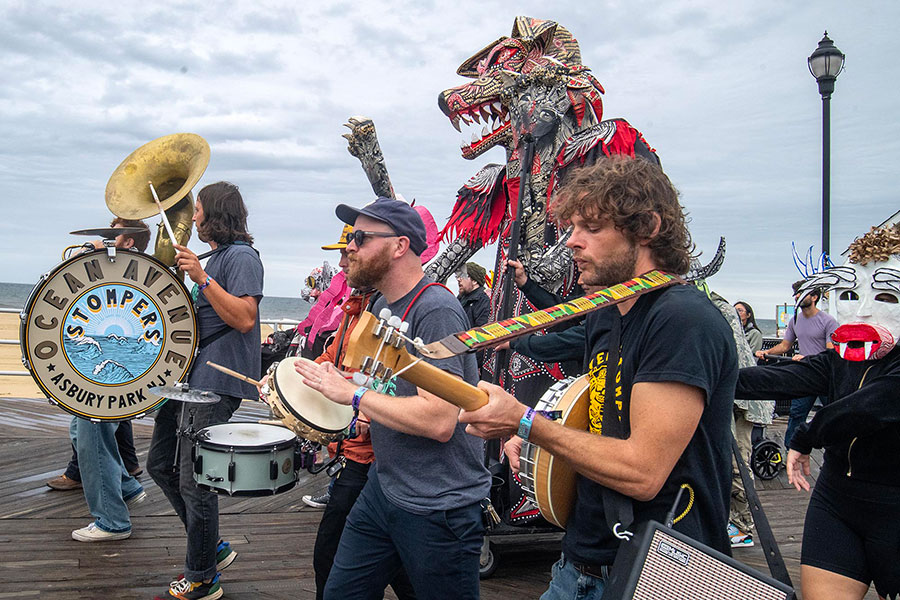
The fourth iteration of the March of Medusa, spearheaded by artist Dennis McNett, served as the aesthetic centerpiece of this year’s festivities. McNett, renowned for his intricate woodcut prints and "Wolfbat" iconography, draws heavily from folklore and the visceral, communal traditions of ancient carnivals.

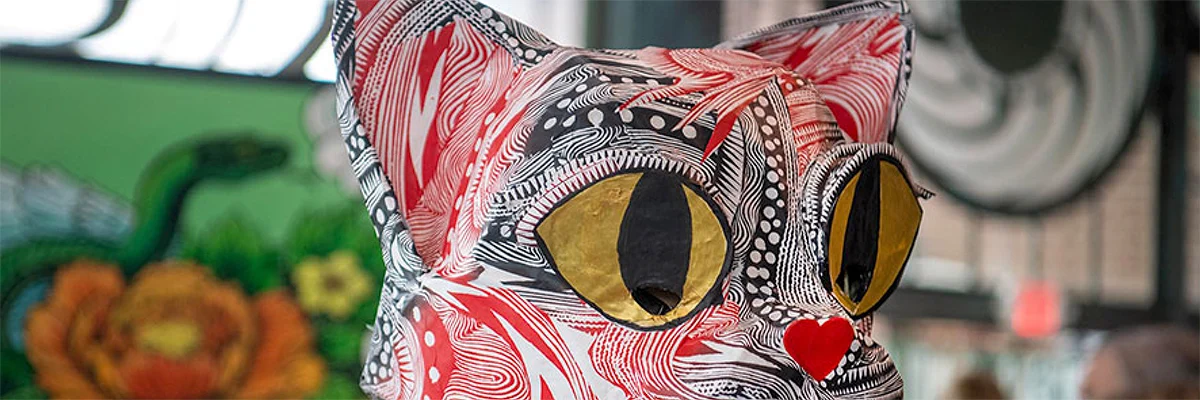
The procession began with a gathering of participants donning handmade masks, many of which were crafted in the weeks leading up to the event through community workshops. The assembly was characterized by a distinct "unruly" energy, a deliberate departure from the static nature of traditional gallery art. As the group moved along the boardwalk, they were accompanied by the Ocean Avenue Stompers, whose brass-heavy musical accompaniment underscored the carnival-like atmosphere.

Joining McNett were prominent figures in the street art and fine art world, including Caledonia Curry—known professionally as Swoon—whose work has long focused on the intersection of social practice and immersive installation. Additional contributions from Adam Wallacavage, Jodi Rice, Steve Olson, and Jude Harzer added layers of sculptural complexity, while artist Ben Venom provided thematic flags that served as the visual markers for the parade. The inclusion of these artists was not merely decorative; it represented a collaborative effort to reclaim public space, moving beyond the traditional mural format to create a dynamic, living exhibit that required audience participation to fully exist.

Murals as Historical and Cultural Dialogue
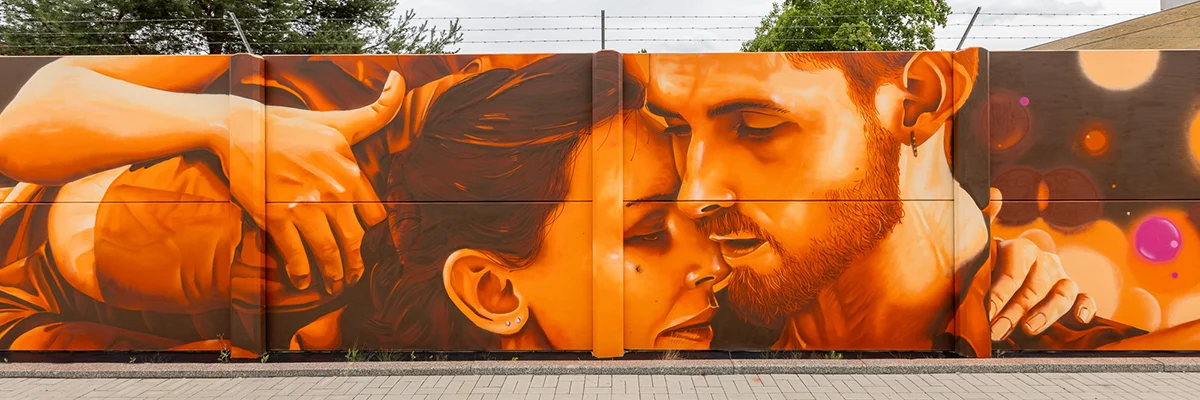
While the procession provided the kinetic energy of the weekend, the permanent and semi-permanent murals installed across the city offered a more grounded reflection on Asbury Park’s identity. The project’s commitment to site-specific work was evident in the latest contributions from internationally recognized artists.

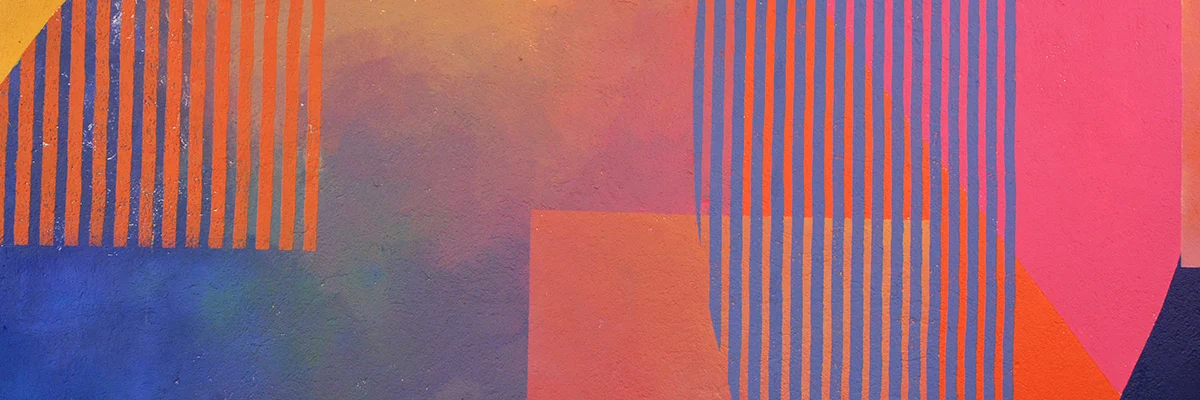
Portuguese street artist Add Fuel, celebrated for his mastery of the azulejo (traditional tile) aesthetic, completed a mural titled Carnival Nautical at the First Avenue Pavilion. The work is a meticulous study in geometry and history, blending the blue-and-white motifs of traditional Portuguese tilework with the maritime architectural language specific to the Jersey Shore. By weaving these references together, Add Fuel effectively contextualizes the history of the pavilion, grounding it in a global aesthetic while respecting its local significance.
Shepard Fairey, a seminal figure in the global street art movement, also returned to the city to expand upon his previous body of work. His contributions included portraits of iconic musicians Chuck D and Joe Strummer, alongside a restoration and expansion of his well-known megaphone mural. These works serve as more than just visual markers; they function as a commentary on the city’s musical inheritance, emphasizing themes of dissent, independence, and the democratic potential of public expression. For the local population and tourists alike, these images act as visual anchors, reinforcing the narrative that Asbury Park is a place where rebellion and creativity are deeply embedded in the civic fabric.

Socio-Economic and Cultural Implications
The synergy between the Sea.Hear.Now festival and the Wooden Walls Project is a calculated effort to leverage cultural tourism for urban development. Data from recent years suggests that arts-based placemaking—the practice of using arts to create vibrant public spaces—is a powerful economic engine. By attracting thousands of visitors to the beachfront, the city generates significant revenue for local businesses while simultaneously fostering a sense of community pride.

However, the implications of such projects go beyond economic metrics. The integration of "living" art, such as the March of Medusa, suggests a shift in how public art is perceived by the general public. Rather than treating murals as static decoration, the project encourages a participatory relationship between the artist and the observer. This model of engagement is essential for the sustainability of urban cultural programs, as it ensures that the art remains relevant to the evolving demographics of the city.

Official and Curatorial Perspectives
While specific quotes from the festival organizers and the curators of the Wooden Walls Project were not released in a formal statement, the consensus among observers and participants reflects a successful execution of a complex logistical vision. The project, often guided by the efforts of figures like Jucy Jenn, focuses on the curation of works that are not only aesthetically impactful but also narratively resonant with the history of the Jersey Shore.

The involvement of legendary photographer Martha Cooper, whose documentation of the graffiti and street art movement is unrivaled, provides a crucial layer of historical validity to the project. Her images of the March of Medusa and the new murals serve as a primary archive for the event, ensuring that the ephemeral nature of the parade and the vulnerability of the murals are preserved for future study.

Future Outlook and Final Analysis
The success of this year’s events in Asbury Park highlights a broader trend in American urban planning: the shift toward "experience-based" infrastructure. By transforming the boardwalk into a site of constant creative production, Asbury Park has managed to escape the stagnation that often plagues former resort towns.

The challenge for the future will be to maintain this momentum without sacrificing the organic, community-driven spirit that makes the March of Medusa feel authentic. As the Wooden Walls Project continues to curate new works, the inclusion of local talent alongside international stars remains a critical balance to maintain.

Ultimately, the events of this past September in Asbury Park serve as a case study in how to honor a city’s past while actively shaping its future. Through the combination of rock-and-roll, high-concept murals, and the chaotic, beautiful spectacle of a masked parade, the city has confirmed its status as a vital participant in the contemporary arts conversation. The message is clear: in Asbury Park, the art does not merely sit on the walls—it marches, it dances, and it demands to be part of the dialogue.