
Nearly two decades after its initial emergence as an isolated backpacker haven, the southern Thai island of Ko Lipe has become a focal point in discussions surrounding the ecological and socio-economic consequences of unmanaged tourism growth. Recent observational assessments conducted on the island highlight a stark transformation from a remote, sparsely populated destination into a densely built environment facing severe infrastructure limitations, marine degradation, and local displacement. This trajectory mirrors the challenges previously documented on other prominent Thai island destinations, such as Ko Phi Phi and Phuket, prompting renewed debate among conservationists, travel analysts, and regional planners regarding the limits of sustainable island tourism.
Chronology of Development: From Isolation to Intensive Infrastructure
Located within the Satun province of the Andaman Sea, near the Malaysian border and just outside the official boundaries of the Tarutao National Marine Park, Ko Lipe’s modern history is defined by an accelerated transition from relative isolation to commercial saturation.
- Mid-2000s: Ko Lipe functioned as an off-the-grid destination. Infrastructure was minimal, characterized by dirt footpaths, limited electricity available for only a few hours daily through local generators, and small-scale, bamboo-and-thatch bungalow operations. Visitor volume was low, consisting primarily of intrepid travelers willing to navigate restricted transit routes during specific seasonal windows.
- 2010s: As regional tourism expanded across Southeast Asia, accessibility improved with regular high-speed ferry and speedboat connections linking the island to the mainland ports of Pak Bara and neighboring islands like Langkawi, Malaysia. Concurrently, private land claims and commercial interest escalated. Traditional landowners faced mounting financial incentives to sell properties to mainland developers and corporate hospitality chains.
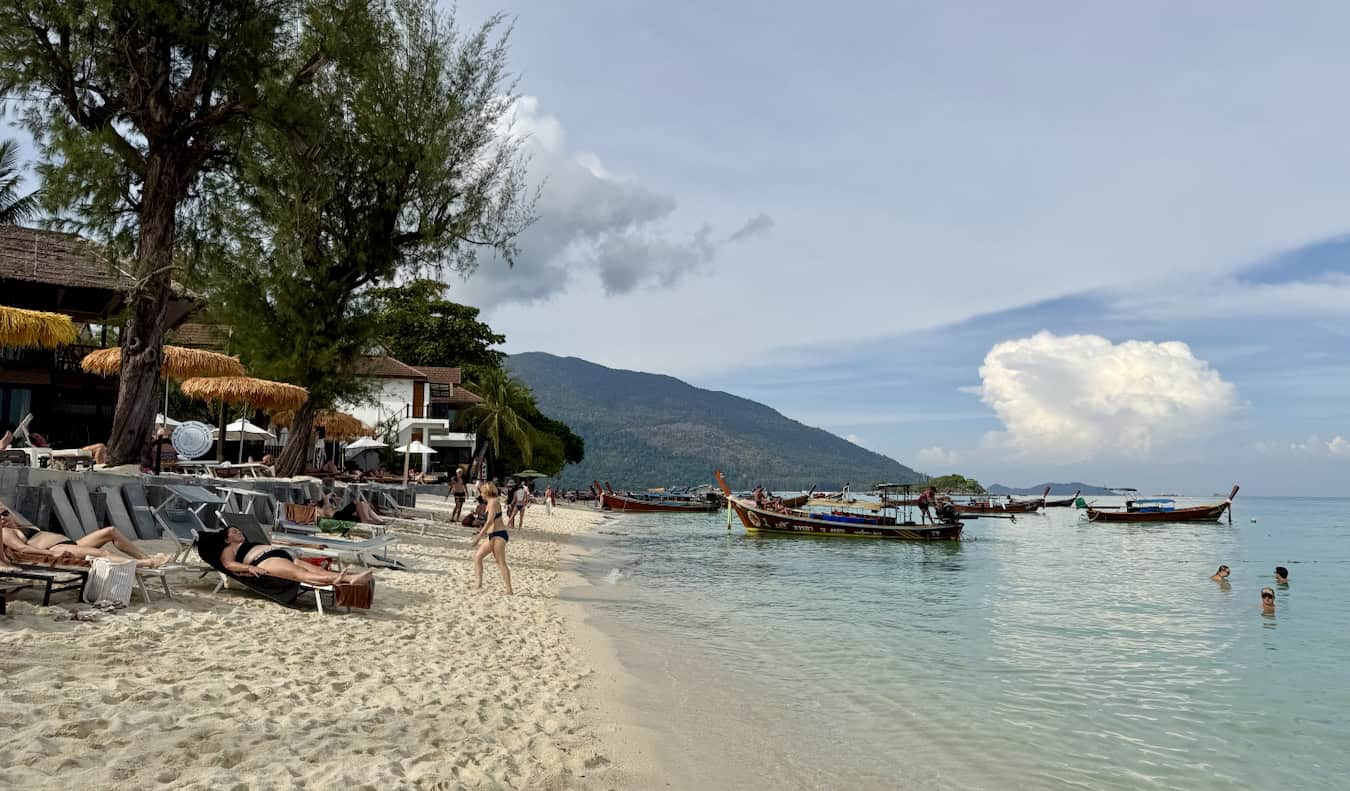
- Present Era: The island’s landscape has been extensively modified. Traditional dirt tracks have largely been paved over with concrete to accommodate motorized transport, including utility trucks and service vehicles. High-density resorts, many featuring swimming pools—which present a significant logistical challenge given the island’s lack of a natural freshwater aquifer—now occupy cleared tracts historically covered by native vegetation and palm groves.
Environmental Degradation and Resource Strains
The rapid escalation of construction and visitor density has severely strained the island’s fragile ecosystem. Environmental scientists and conservation advocates note that Ko Lipe’s infrastructure was never designed to absorb the current volume of permanent and transient populations.
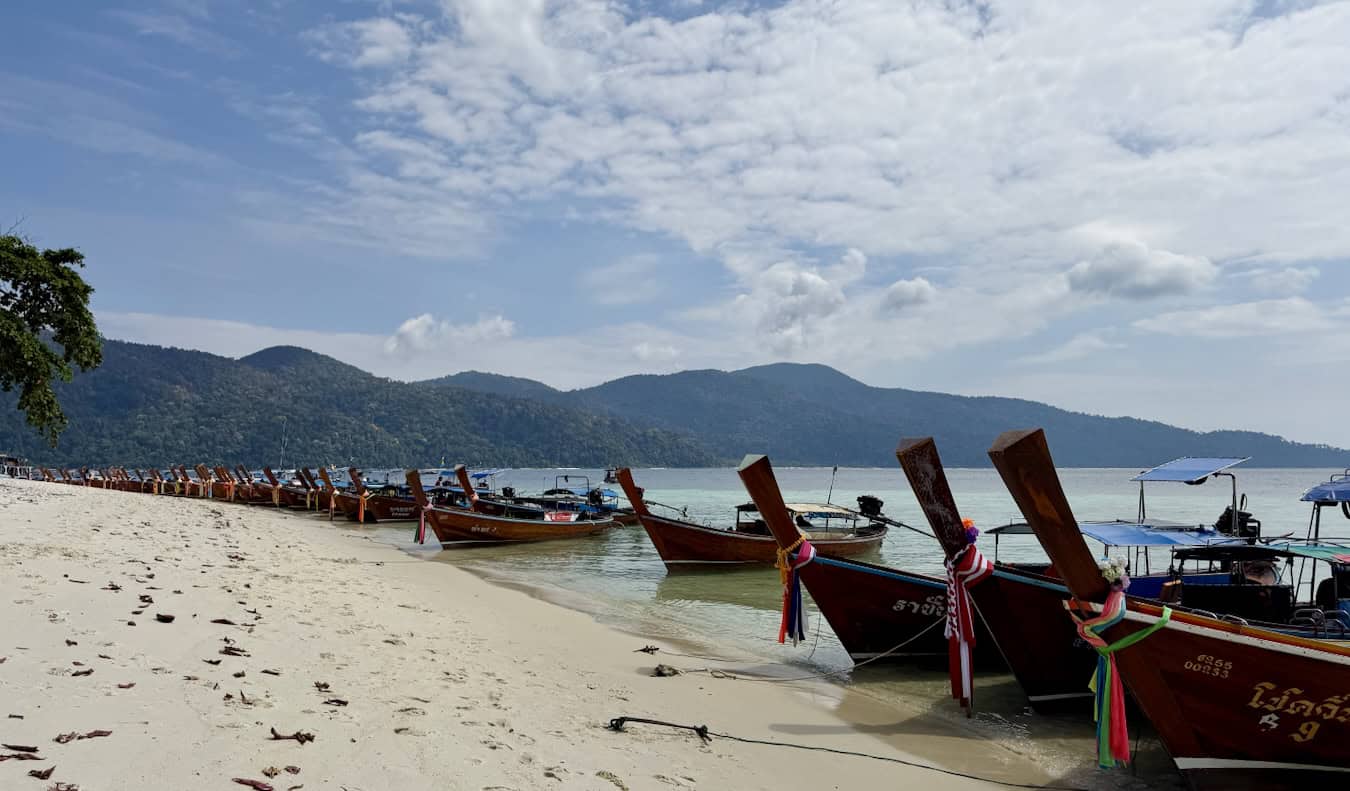
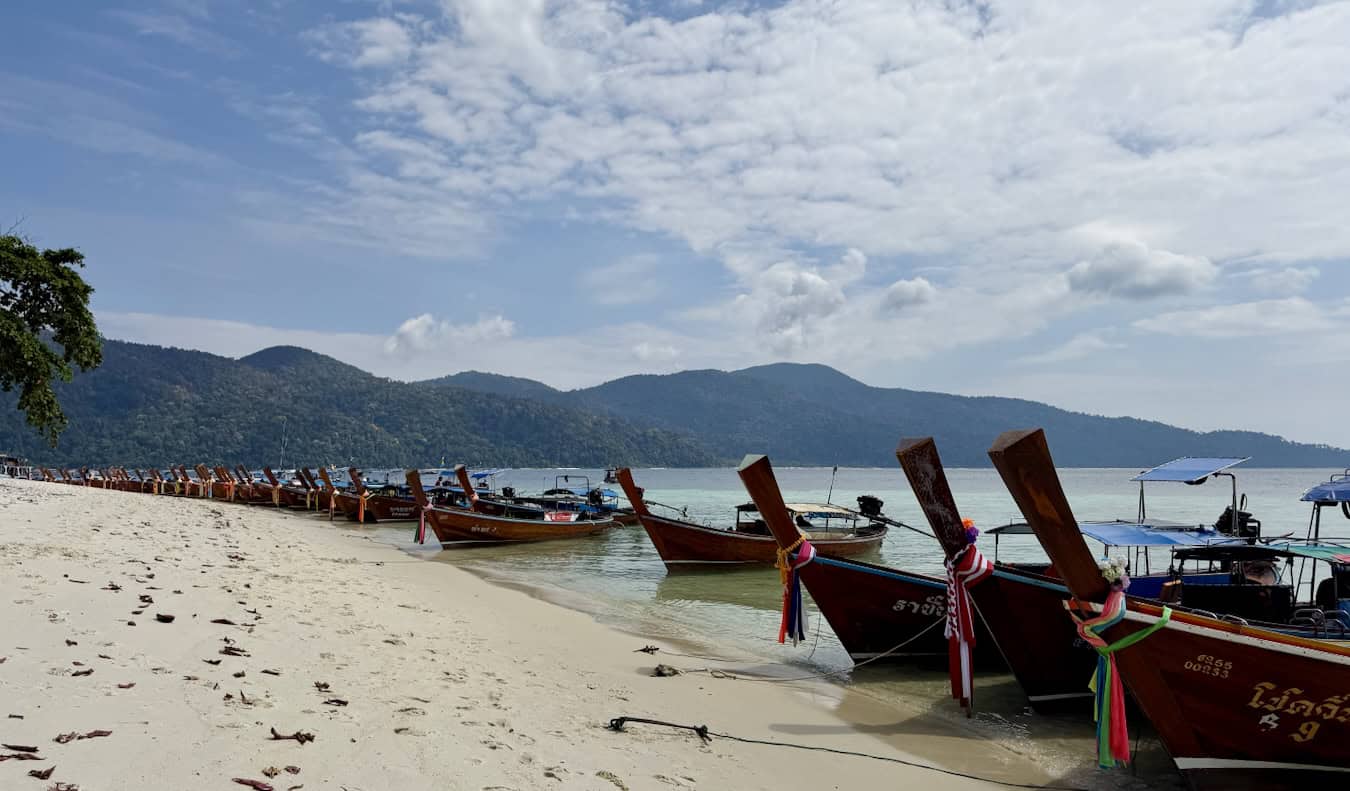
Chief among the ecological concerns is marine health. The surrounding coral reefs, critical to the local marine biodiversity and designated protected zones, exhibit pronounced signs of stress and mortality. Factors contributing to this decline include anchor damage from a high density of longtail boats and tour vessels, chemical pollution from boat fuel and gray water runoff, and localized overfishing. Swimming areas frequently display visible hydrocarbon sheens, directly resulting from motorized maritime traffic concentrated along the shoreline.
Furthermore, resource management remains a critical vulnerability. Without a freshwater supply, the island relies on desalinization, groundwater extraction, or freshwater transported by boat from the mainland—methods that carry significant energy footprints and environmental costs. Waste management systems similarly struggle to cope with the refuse generated by peak-season tourist influxes, frequently resulting in improper disposal or overburdened local processing facilities.
Socio-Economic Implications and Local Displacement
The rapid commercialization of Ko Lipe has profoundly impacted its indigenous and long-term resident population, primarily the Urak Lawoi (sea gypsies), who historically inhabited the archipelago.
As land values soared, many native residents sold their ancestral plots to external investors, frequently lacking long-term financial security or sustainable integration into the formal tourism economy. Consequently, a significant portion of the island’s current workforce is composed of migrant laborers from mainland Thailand or neighboring countries. These workers generally occupy low-wage service roles within the hospitality sector, capturing minimal economic benefit from the multi-million-dollar tourism revenue generated annually by the destination.
Regional economists point to this dynamic as a textbook example of "enclave tourism," where capital generated by local assets fails to circulate within the host community, instead flowing upward to external developers and corporate entities.
Broader Implications and Industry Responses
The situation on Ko Lipe feeds into a larger, ongoing discourse concerning Thailand’s tourism policy. While the Thai government has previously implemented temporary closures of heavily impacted destinations—most notably the multi-year closure of Maya Bay on Ko Phi Phi Leh to allow coral and ecosystem recovery—smaller islands like Ko Lipe often operate outside the immediate regulatory oversight applied to major national park zones.
Tourism experts and sustainable travel advocates increasingly argue that individual consumer choices exert measurable influence on destination management. Historical precedents, such as the decline in demand for elephant-riding attractions and the rise in certification standards for eco-lodges, demonstrate that public awareness campaigns can compel industry adjustments.
However, analysts caution that voluntary behavioral shifts by travelers are insufficient without robust municipal planning, strict zoning laws, and enforcement of carrying capacity limits by regional authorities. Without systemic interventions, islands possessing high environmental sensitivity will continue to face irreversible ecological tipping points.
For travelers and planners evaluating regional itineraries in southern Thailand, the consensus among environmental advocates suggests prioritizing destination management criteria over purely aesthetic considerations. Alternative islands within the Andaman region, such as Ko Lanta, Ko Jum, and Ko Mook, currently demonstrate more controlled development profiles and lower population density indices, offering viable alternatives for low-impact tourism. Ultimately, the trajectory of Ko Lipe underscores a persistent global challenge: balancing the economic demands of modern mass tourism with the absolute limits of finite island ecosystems.