
Academy Award-winning actor Nicolas Cage has ignited a significant industry-wide conversation regarding artificial intelligence and creative autonomy in Hollywood following a frank revelation at New York Comic Con. During a spotlight panel on the convention’s Empire Stage, Cage disclosed that his refusal to sign a studio-mandated artificial intelligence waiver directly contributed to the sudden cancellation of the critically acclaimed Prime Video series Spider-Noir. The series, which marked Cage’s first-ever starring television role, was unceremoniously axed by Amazon MGM Studios in September following its debut earlier this year, despite pulling in staggering viewership numbers and sweeping accolades during the awards season.
Addressing an auditorium of enthusiastic fans and industry professionals, Cage pulled back the curtain on the creative differences and corporate policies that ultimately doomed the 1930s-set superhero drama. Pointing to Amazon’s massive financial ties to artificial intelligence development—specifically noting the tech conglomerate’s staggering multi-billion-dollar investments in foundational AI research and partnerships with firms like OpenAI—Cage made it clear that his personal ethical boundaries regarding technology put him at direct odds with studio executives.
The fallout from this creative impasse not only signals the premature end of one of streaming television’s most visually distinct comic book adaptations, but also raises profound questions about the growing friction between traditional Hollywood talent and major technology-backed studios over the utilization of generative AI.
The Genesis and Reception of Spider-Noir
To understand the magnitude of the fallout, one must examine the ambitious scope and unexpected triumph of Spider-Noir. Inspired by the critically acclaimed 2009 Marvel comic book miniseries Spider-Man Noir, the television project was developed for the screen by showrunner Oren Uziel and produced through a high-profile partnership between Amazon MGM Studios and Sony Pictures Television.
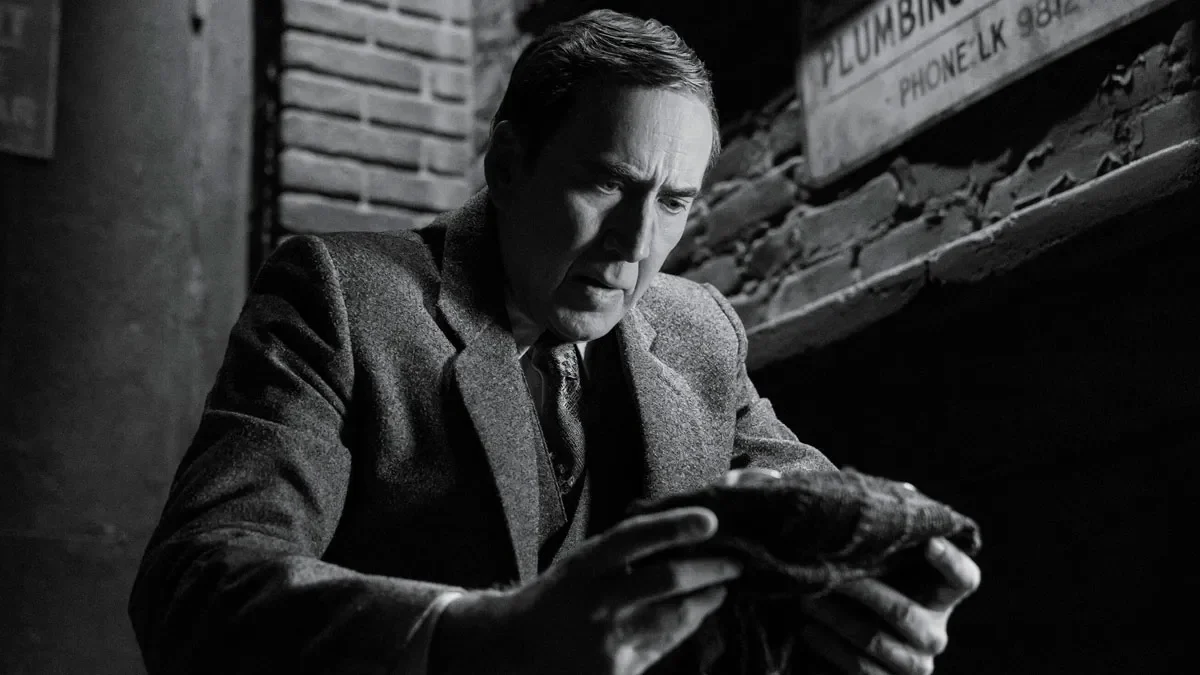
Set against the gritty, atmospheric backdrop of 1930s New York City during the Great Depression, the series centered on Ben Reilly, an aging, hard-boiled private investigator grappling with his past as a super-powered vigilante known simply as The Spider. Nicolas Cage, a famously devoted comic book aficionado who had previously lent his distinct vocal stylings to a stylized iteration of the character in Sony’s blockbuster animated feature Spider-Man: Into the Spider-Verse, stepped out of the recording booth and into live-action physical performance for the very first time in his legendary career.
When the series premiered on Prime Video in May, it defied expectations by seamlessly blending neo-noir cinematic traditions with high-concept superhero storytelling. Critics praised the show’s uncompromising tone, meticulous period-accurate set designs, and Cage’s magnetic, world-weary lead performance. Industry analysts and trade publications alike championed the project as a high-water mark for comic-book television adaptations, earning a respectable B+ critical reception across major cultural publications and quickly capturing the cultural zeitgeist.
Record-Breaking Numbers and the Shock Cancellation
Despite its overwhelming success with both audiences and critics, Amazon shocked the entertainment industry in September by officially canceling Spider-Noir after just a single season. The decision baffled television analysts, particularly given the unprecedented commercial and critical metrics the show achieved during its brief run.
According to Nielsen streaming data, Spider-Noir generated an impressive 2.6 billion minutes of viewership during its initial release window, placing it among the most-watched original streaming series of the spring season. Furthermore, the show dominated the television awards circuit, racking up a remarkable 11 Primetime Emmy Award nominations—the most of any Amazon original series in 2026—and ultimately securing five major category victories.
Given these extraordinary benchmarks of success, industry insiders immediately questioned the financial and strategic logic behind Amazon’s decision to terminate the franchise. Traditional network and streaming cancellations are typically driven by a sharp decline in viewership, unsustainable production budgets, or a lack of awards recognition. With Spider-Noir checking every positive box across all three metrics, the cancellation remained an unexplained anomaly until Cage’s candid remarks at New York Comic Con.
The AI Controversy and Industry Implications
During the Saturday panel at the Jacob K. Javits Convention Center, Cage provided the missing puzzle piece regarding the show’s sudden demise. Addressing the crowd directly, the actor contextualized his departure from the ecosystem of Amazon MGM Studios by highlighting the corporate culture surrounding artificial intelligence.
"Amazon is a very AI-friendly company, to the tune of $50 billion invested in OpenAI," Cage told the panel audience, as initially documented by industry trade publications. "I didn’t sign the waiver to let them use AI on Spider-Noir. I’m probably not going to be working with that studio again, but that’s okay."
Expanding on the correlation between his refusal to compromise and the studio’s abrupt termination of the series, Cage offered a blunt assessment of his standing within the corporate hierarchy. "I am not an AI-friendly actor, so it’s like, connect those dots! I’m not a member of their club."
The actor’s revelations shine a harsh spotlight on an increasingly contentious battleground in modern entertainment. As major media conglomerates—many of which are divisions of multinational tech giants with vast financial interests in artificial intelligence—seek to integrate generative technologies into production, post-production, and digital likeness rights, performers are increasingly asked to sign waivers permitting the algorithmic replication or modification of their performances, voices, and physical likenesses.
Cage’s public stand against these practices reflects broader anxieties within Hollywood unions, which fought fiercely during the historic 2023 strikes to secure robust protections against the unregulated use of artificial intelligence. By choosing to protect his artistic integrity and likeness rights over securing a multi-season television commitment with one of the world’s wealthiest corporations, Cage has established himself as a high-profile champion for traditional human craftsmanship in filmmaking.
Looking Ahead: A Transition to HBO’s True Detective
While Cage’s relationship with Amazon MGM Studios appears to be permanently severed, the veteran actor’s television career is far from over. Signaling a swift pivot to prestige cable television following his departure from the streaming giant, Cage revealed to the New York Comic Con crowd that his next major starring vehicle will be with HBO.
The actor is set to join the cast of HBO’s critically acclaimed, dark mystery anthology series True Detective. The casting coup represents another major milestone for Cage, who has spent the vast majority of his storied, decades-long career dominating the independent film circuit and major cinematic blockbusters, only recently making his foray into serialized television.
The transition from a tech-backed streaming service embroiled in generative AI controversies to a traditional prestige television network like HBO underscores a broader industry migration. Talent is increasingly evaluating potential partners not merely by budgetary scale and audience reach, but by corporate policies concerning creative ownership, labor protections, and the ethical deployment of emerging technologies.
Broader Industry Ramifications
The convergence of Spider-Noir’s cancellation, Amazon’s financial alignment with artificial intelligence research, and Nicolas Cage’s uncompromising stance serves as a watershed moment for contemporary media production. As studios increasingly weigh the cost-benefit analysis of automated tools versus traditional human artistry, high-profile standoffs of this nature are likely to become more frequent.
For Amazon MGM Studios, the loss of a critically adored, award-winning, and highly viewed intellectual property like Spider-Noir highlights the potential collateral damage of rigid corporate tech integration policies. For the broader creative community, Cage’s willingness to walk away from a lucrative franchise in defense of artistic autonomy establishes a potent precedent.
As the entertainment industry navigates the uncharted waters of the artificial intelligence era, the legacy of Spider-Noir may ultimately be remembered not just as a stylish 1930s detective thriller, but as the battleground where Hollywood’s human-first ethos stood its ground against the rising tide of algorithmic automation.

![Sex Pistols Berate Dude for Infiltrating Women-Only Mosh Pit [Updated]](https://worldbusk.org/wp-content/uploads/2026/10/sex-pistols-berate-dude-for-infiltrating-women-only-mosh-pit-updated.webp)