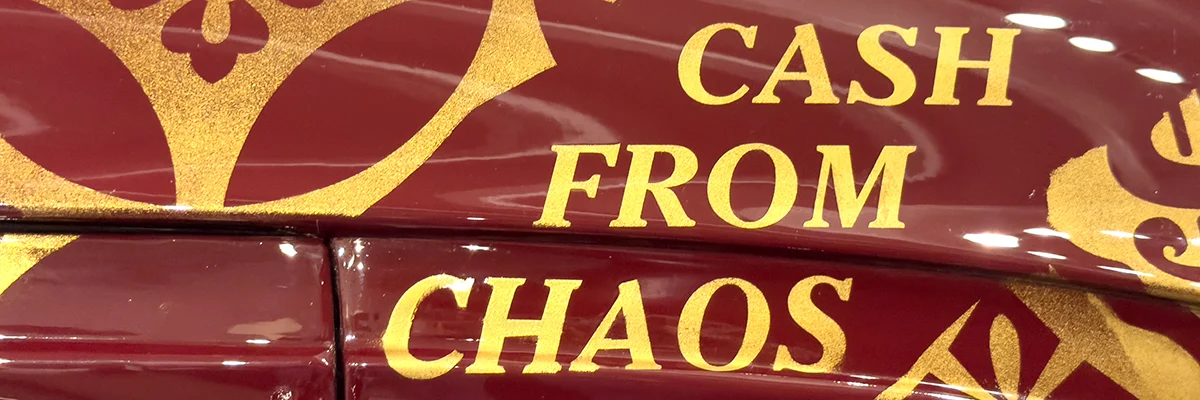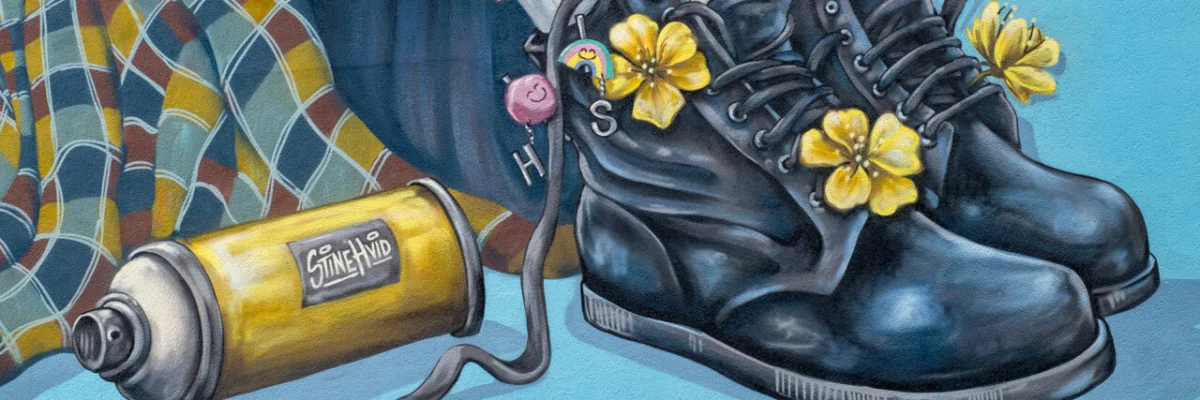

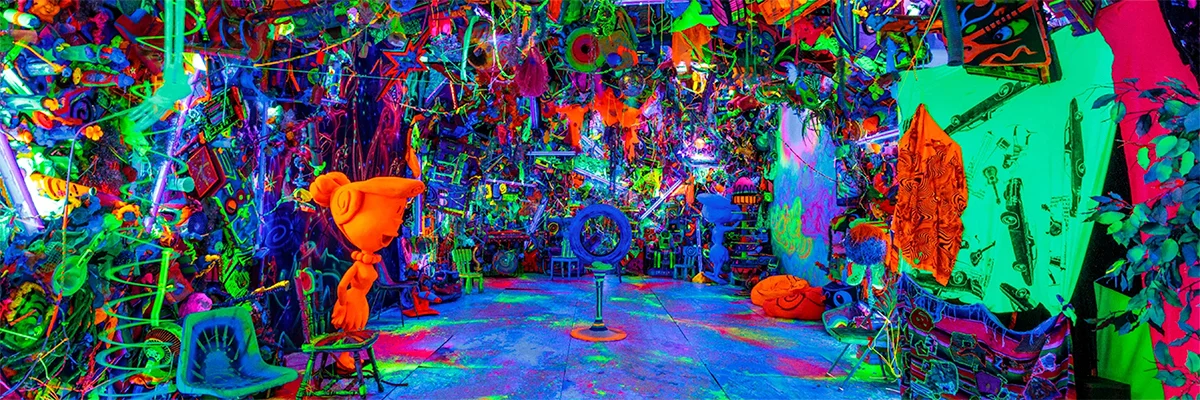
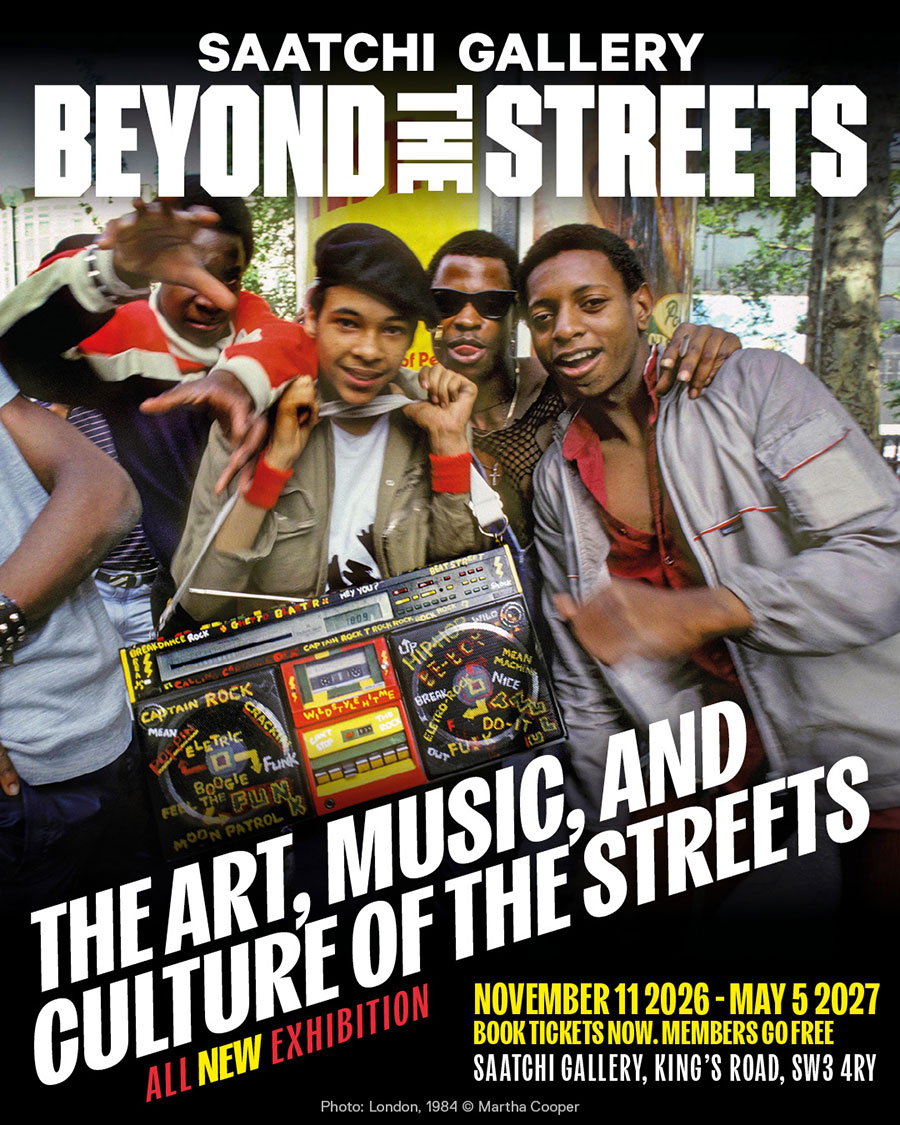
Graffiti has spent decades navigating a precarious existence, alternating between the status of a targeted criminal offense and that of a celebrated cultural movement. This November, the BEYOND THE STREETS exhibition returns to London’s Saatchi Gallery, occupying over ten rooms for a six-month residency that marks one of the most comprehensive surveys of urban art ever assembled. Curated by Roger Gastman, the exhibition brings together more than 100 international artists, documentarians, and cultural provocateurs to trace the evolution of street-born creativity across six decades. From the raw origins of subway writing in New York City to the sophisticated intersection of high fashion, feminist activism, and digital-age expression, the event serves as both a historical archive and a contemporary critique of the public sphere.
A Chronology of Subversive Expression
The history of graffiti is often compartmentalized into decades, yet BEYOND THE STREETS seeks to bridge these eras through a linear narrative of defiance and evolution. The movement’s origins can be traced to the late 1960s and early 1970s, when artists like TAKI 183 began leaving their marks across the New York City subway system. This act of "writing" was a reaction to the anonymity of urban life, transforming the train—the city’s circulatory system—into a mobile gallery.
By the 1980s, the movement had reached a global scale, catalyzed by the 1984 publication of Subway Art by Martha Cooper and Henry Chalfant. This seminal book acted as a blueprint for aspiring writers across Europe and beyond. The London exhibition highlights this transition, featuring a reconstructed New York subway car and an examination of graffiti’s specific, often gritty, history within the London Underground network. As the 1990s and 2000s arrived, the scene fragmented and diversified, with artists like KAWS and Shepard Fairey pushing the boundaries of what constituted "street art," eventually leading to the gallery-centric, high-value works seen in the contemporary art market today.
Curatorial Scope and Artistic Lineage
The lineup for the current exhibition is notable for its breadth, encompassing both foundational legends and contemporary influencers. New York’s traditional subway-writing history is represented by figures such as FUTURA 2000, LADY PINK, and ZEPHYR. These artists provided the structural framework for the movement, emphasizing style, tag repetition, and the mastery of aerosol control.
However, the exhibition’s intellectual rigor is perhaps best demonstrated by its inclusion of contributors who operate at the margins of traditional street culture. The presence of artists like Damien Hirst and the Guerrilla Girls suggests that the definition of street culture has expanded to include not just the act of marking a wall, but the broader politics of occupying space. Jenny Holzer’s text-based interventions, for instance, utilize the same public infrastructure as graffiti to deliver subversive, institutional critiques. By placing these works alongside the raw, visceral sketches of early hip-hop pioneers, Gastman creates a dialogue between the "outsider" artist and the established art-world elite.
Data and Historical Impact
The scale of BEYOND THE STREETS is supported by significant organizational data. Following the 2023 London exhibition, which saw an estimated 150,000 visitors, organizers have expanded the footprint and technical requirements for the 2026 iteration. The logistical complexity of the show is reflected in its massive inventory: over 100 featured artists, an extensive archive of Hip-Hop Connection magazines, and original Polaroid photography from the birth of the hip-hop scene.
The economic and cultural impact of such exhibitions is measurable. Street art, once a liability for transit authorities and building owners, has transitioned into a major driver of cultural tourism. The involvement of institutions like the Saatchi Gallery serves as a validation of this shift. According to cultural economists, the integration of "street" aesthetics into the museum space can increase institutional foot traffic among younger demographics by as much as 40 percent, while simultaneously complicating the artist’s relationship with commercial entities.
Cultural Rebellion and Regional Identity
While the exhibition is grounded in the New York graffiti narrative, Roger Gastman has made a concerted effort to pay tribute to British cultural rebellion. The curation highlights the UK’s distinct history of dissent, particularly the 2Tone movement, which used black-and-white graphics and ska music to challenge the racial politics of the Thatcher-era United Kingdom.
This regional focus is further enhanced by:
- See Red Women’s Workshop: A presentation of radical feminist printmaking that underscores the role of protest art in the 1970s.
- Jill Posener: Documenting the rise of feminist graffiti as a tool for reclaiming public space from corporate and patriarchal messaging.
- English Football Firms: An archive of "calling cards" used by football firms, providing a sociological look at subcultural communication and territorial marking.
- The Big Issue: A display of 35 covers, illustrating how media and street-based entrepreneurship intersect to highlight the plight of the unhoused.
Analyzing the Institutionalization of Dissent
The central irony of BEYOND THE STREETS lies in the exhibition of cultures built on trespass, dissent, and a fundamental disregard for authority within the confines of a prestigious gallery. This transition from the "illegal" to the "institutional" is a subject of ongoing debate within the arts community.
Critics argue that by placing graffiti in a museum, the movement risks "sanding off the rough edges"—a process where the political urgency of the work is stripped away in favor of aesthetic consumption. However, proponents of the exhibition suggest that archival preservation is essential for the longevity of the movement. Without institutional recognition, the ephemeral nature of street art—which is subject to weather, cleaning crews, and demolition—would lead to the permanent loss of this history.
The exhibition invites visitors to consider whether street culture can retain its independence while embracing commercialization. The presence of figures like Nadya Tolokonnikova of Pussy Riot—who uses art as a direct tool for political confrontation—serves as a reminder that the spirit of the street remains anchored in activism, even when that activism is eventually collected and curated.
Exhibition Details and Key Contributions
The 2026 BEYOND THE STREETS exhibition is the result of a massive collaborative effort. The curation team, led by Roger Gastman, includes Raoul Shah, Nichole Procopenko, and Kim Stephens, among others. The artistic direction is spearheaded by Paul Insect, while the physical design of the ten-room installation is managed by Studio Bloomer.
The list of featured artists is exhaustive, reflecting the diversity of the medium:
- Pioneers: A-ONE, BLADE, DONDI, PHASE 2, RAMMELLZEE, TAKI 183.
- Contemporary Icons: KAWS, Shepard Fairey, Kenny Scharf, Invader, VHILS, Felipe Pantone.
- Documentarians: Martha Cooper, Henry Chalfant, Janette Beckman, Normski, Roger Perry.
The exhibition is further supported by Rifflandia and partners including the Collaborative Fund and ICNCLST, signaling the significant financial backing required to mount a project of this magnitude.
Broader Implications for Public Space
The broader implication of this exhibition is a forced re-evaluation of who owns the public landscape. As cities become increasingly privatized and monitored by surveillance technology, the act of unauthorized marking—whether through graffiti, sticker art, or wheat-pasting—takes on new political weight. By documenting the history of these acts, BEYOND THE STREETS provides a roadmap for future generations of artists to navigate the tension between the legal and the subversive.
As the exhibition opens its doors to the public, the question remains: will the audience view these works as historical artifacts of a bygone era, or as active, ongoing conversations about the nature of freedom in the modern city? The success of the show will likely depend on its ability to present these works not merely as objects of beauty, but as fragments of a living, breathing history of resistance that refuses to be completely tamed by the gallery wall.