
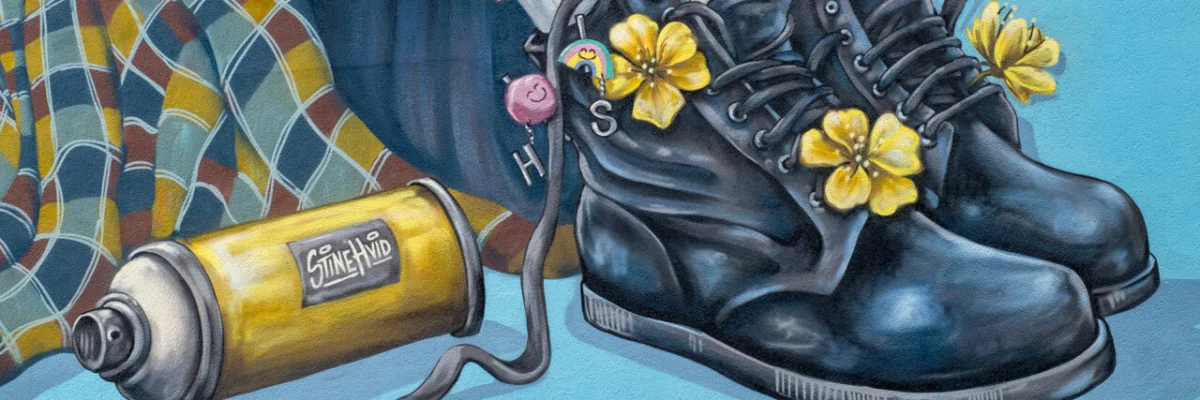
Street-art festivals are frequently defined by transient metrics: the vertical reach of a mural, the celebrity status of the invited artists, and the viral velocity of the photographs that populate social media feeds once the scaffolding is dismantled. However, in the industrial and cultural landscape of Rotterdam, the Netherlands, the organization known as ALL CAPS has eschewed the industry-standard "pop-up" model in favor of a long-term urban strategy. By treating public art as a permanent, evolving layer of the city’s architecture rather than a temporary marketing activation, the festival has created an open-air archive that reflects the changing character of Rotterdam’s diverse neighborhoods.

A Chronology of Growth and Transformation
The initiative originated in 2018 under the banner of POW! WOW! Rotterdam, a franchise of the global mural movement. Founded by Daniël Claessens and Dave Vanderheijden, the project was established with a vision to bring world-class street art into the public sphere while fostering local community engagement. In 2022, the organizers initiated a strategic rebranding, emerging as ALL CAPS. This transition marked more than just a name change; it signified a shift toward a more independent, localized curatorial philosophy.
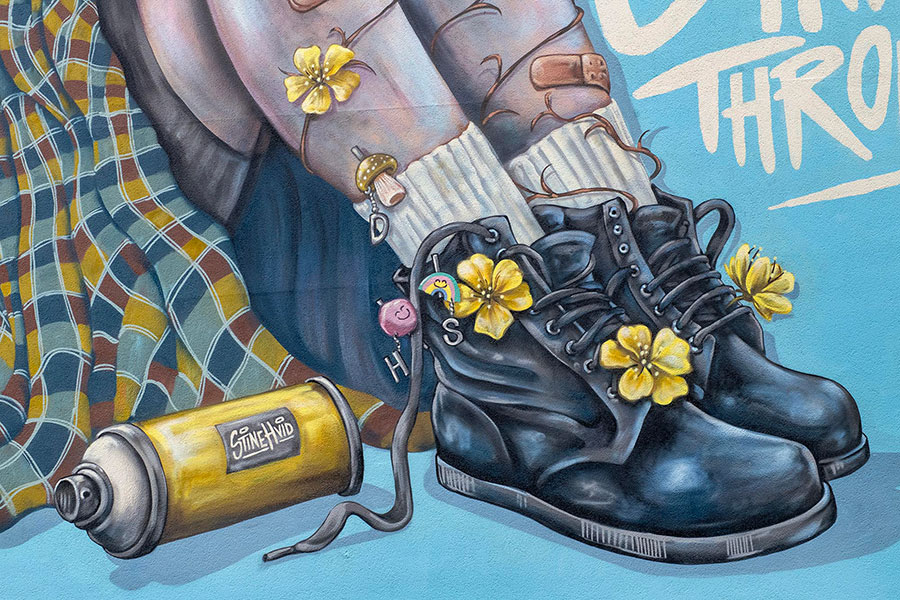
Following the departure of Vanderheijden in 2024, the festival’s leadership structure evolved. Today, the organization is spearheaded by Artistic Director Daniël Claessens, working in close collaboration with Managing Director Katherina Doxiadis. Together, they have continued the tradition of rotating the festival’s location annually, moving systematically through different districts. This strategy ensures that the benefits of public art investment—be it increased foot traffic, neighborhood beautification, or cultural dialogue—are distributed across the city rather than concentrated in established tourist hubs.
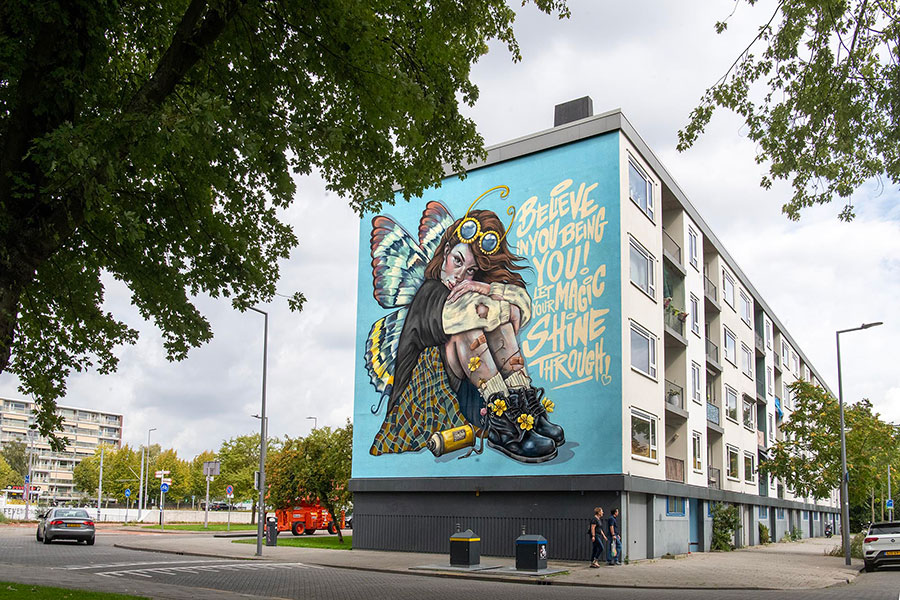
The 2026 edition saw the festival land in Lombardijen, a residential district in Rotterdam-Zuid. By focusing on areas outside the traditional cultural corridors, the organizers have effectively integrated the physical environment of the city into the curatorial equation, turning utilitarian, often overlooked infrastructure into canvases that command attention.
The Curatorial Philosophy: Talent Over Trends
A central pillar of the ALL CAPS model is the intentional rejection of "name-chasing." While many festivals rely on the magnetism of high-profile international stars to drive attendance, Claessens and his team prioritize a more nuanced approach. The curatorial process involves extensive travel, on-the-ground research, and active dialogue with international arts organizations.

The goal is to maintain a balance that honors the history of the craft while nurturing the next generation. The festival’s programming typically adheres to a tripartite distribution: one-third of the artists are selected from the Netherlands, one-third from across Europe, and one-third from further afield. This blend of local perspective and global influence allows the festival to show a broad spectrum of what graffiti and street art can achieve, bridging the gap between underground roots and contemporary muralism.
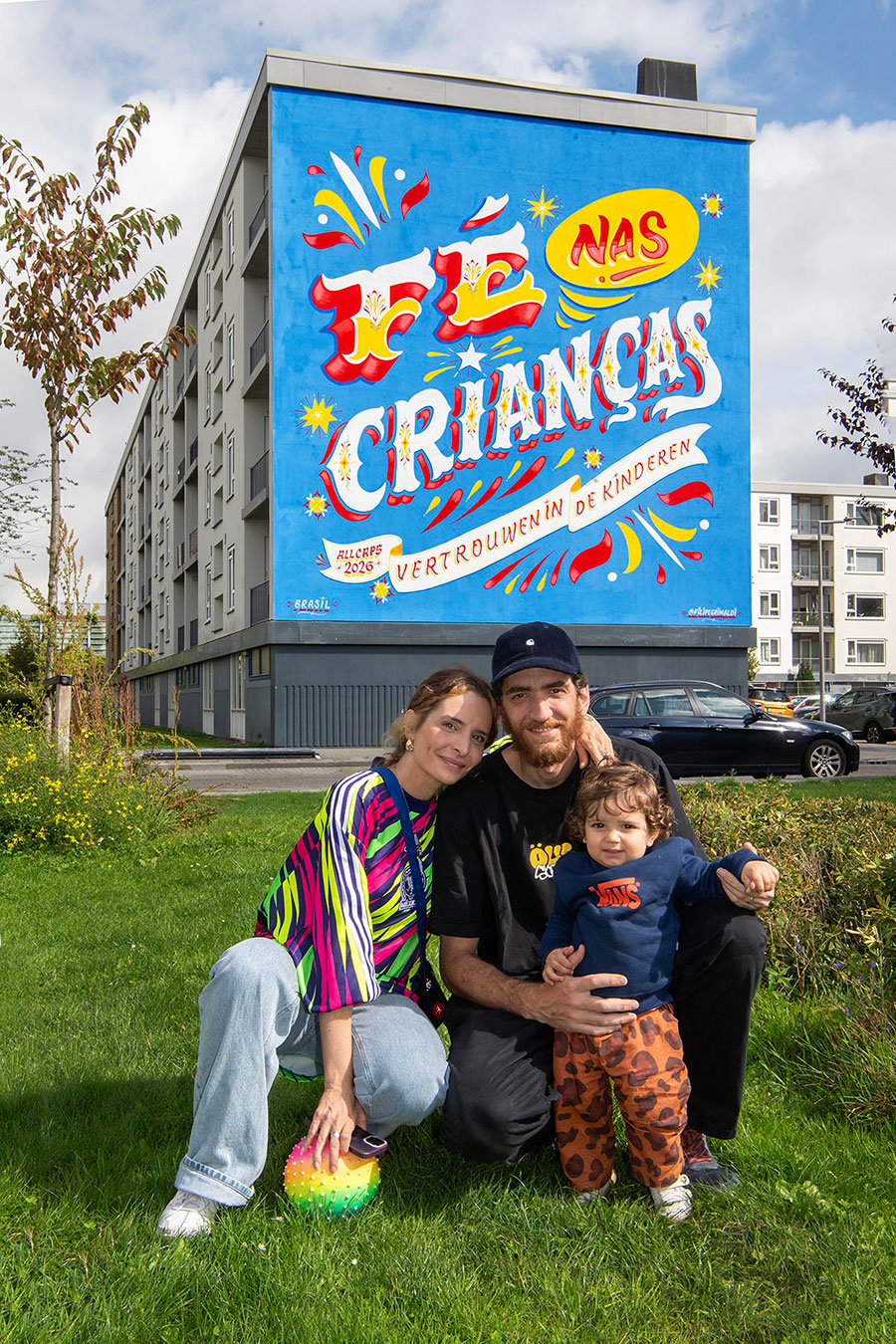
This, however, is not a "design by committee" endeavor. The organization maintains a strict policy of providing artists with complete creative freedom. The only limitations involve the exclusion of overtly political, religious, or offensive imagery—a requirement enforced through a preliminary sketch review. This balance allows for high-quality, site-specific work that resonates with residents without succumbing to the sterilized, corporate-approved aesthetic that plagues many modern mural festivals.
Economic Transparency and Institutional Support
In an era where street art is increasingly commodified, the financial structure of ALL CAPS serves as a model of transparency. The organization operates on a mixed-funding model that mitigates the influence of any single entity. According to the 2024 financial prospectus, 45 percent of the budget is sourced from government and institutional subsidies, 24 percent from grants and funds, 25 percent from corporate partnerships and sponsors, and 6 percent from audience-generated and earned income.
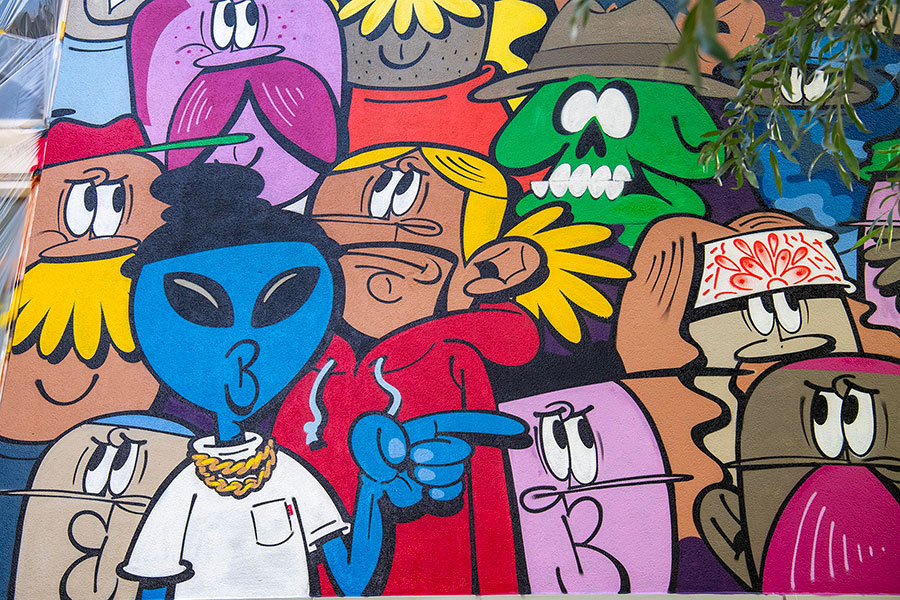
This level of disclosure is critical for a culture historically built by graffiti writers who operated in defiance of the law. As brands and municipalities begin to pay for the presence of murals in public spaces, the risk of "art-washing" or gentrification-driven displacement remains a legitimate concern for urban planners and residents alike. By keeping its financing diversified and transparent, ALL CAPS navigates the tension between institutional funding and the raw, anti-authoritarian origins of the medium.
The Legacy of the Wall: Preservation and Policy
Perhaps the most significant departure from the industry norm is the festival’s approach to the longevity of the work. Many festivals operate on a "rotation" basis, where walls are painted over annually to make room for new participants. ALL CAPS has adopted a different ethos: it considers its murals to be a permanent, or at least long-term, addition to the city.
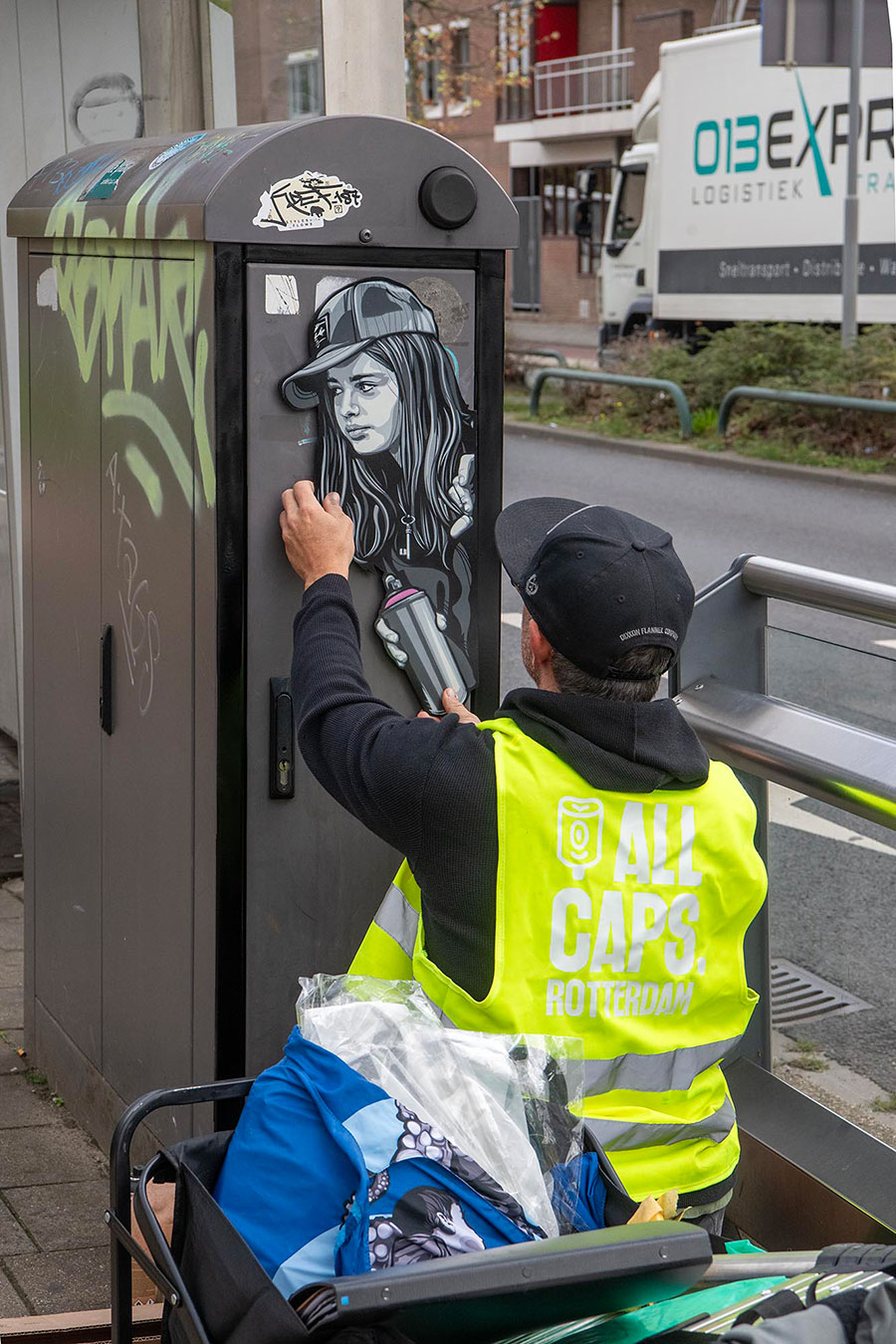
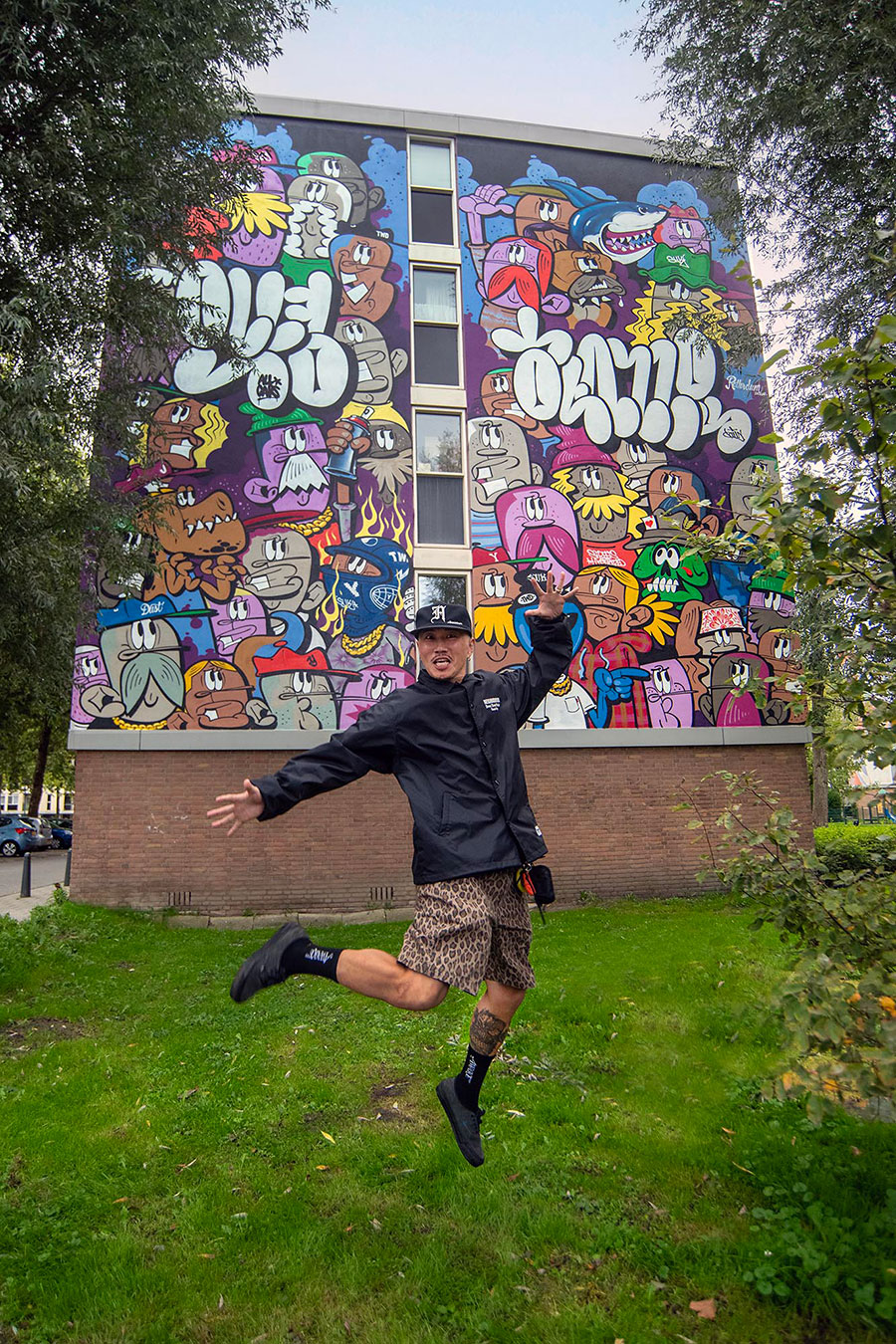
When the organization secures a wall—often through partnerships with local housing corporations—the agreement typically stipulates a five-year minimum lifespan. The team actively searches for new walls rather than erasing the previous year’s contributions. This results in an accumulating public record, an open-air collection that is vulnerable to the elements and urban development but not to the whims of annual trends. This policy transforms the festival from a fleeting event into a long-term urban development strategy, fostering a sense of ownership among local residents who see these murals become fixtures of their daily commute or neighborhood environment.
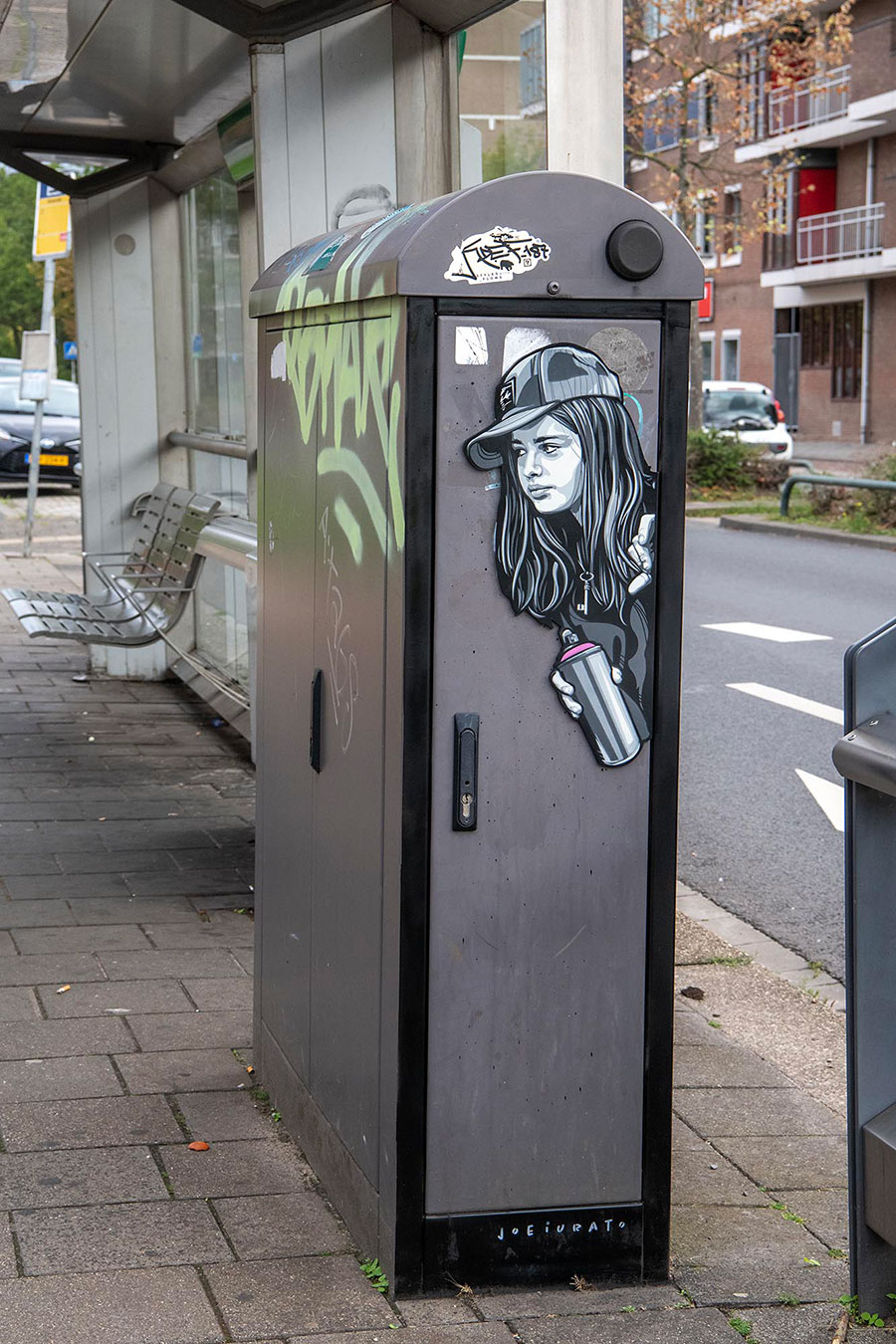
Documentation as Cultural Record
The 2026 edition of the festival was underscored by the presence of renowned photographer Martha Cooper, whose decades-long documentation of the graffiti scene is considered foundational to the genre. Accompanied by Nika Kramer, a respected photographer specializing in hip-hop and urban culture, the duo captured more than just the finished aesthetic products.
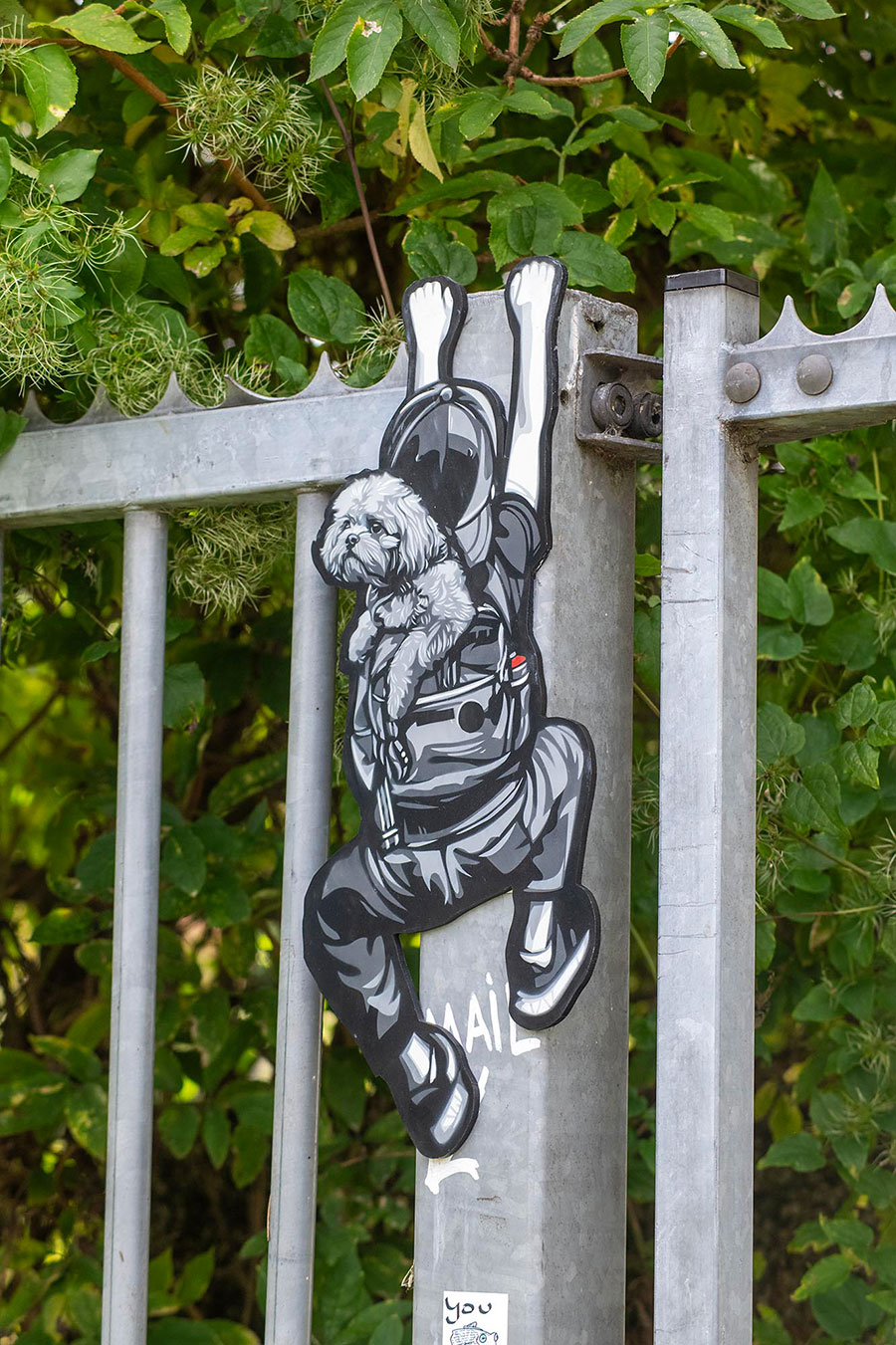
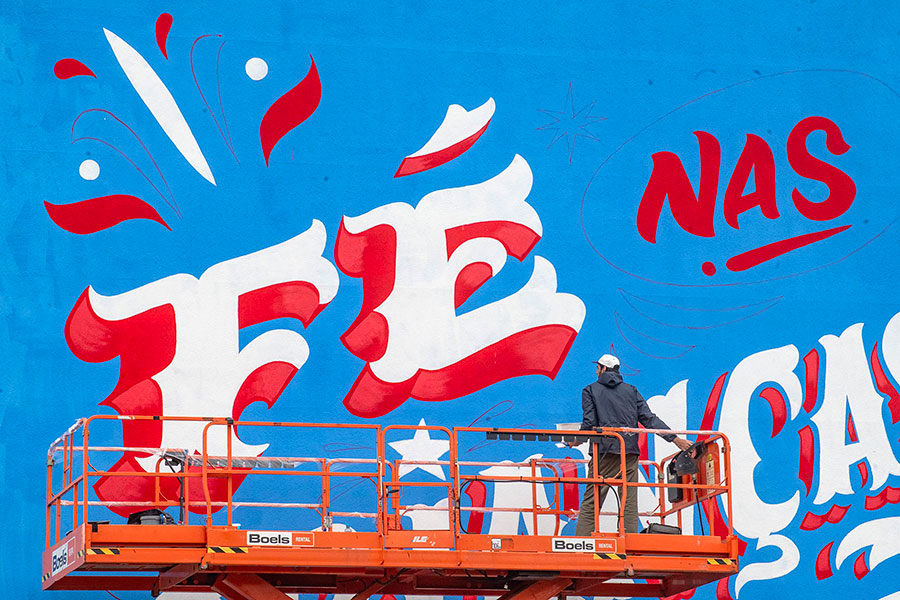
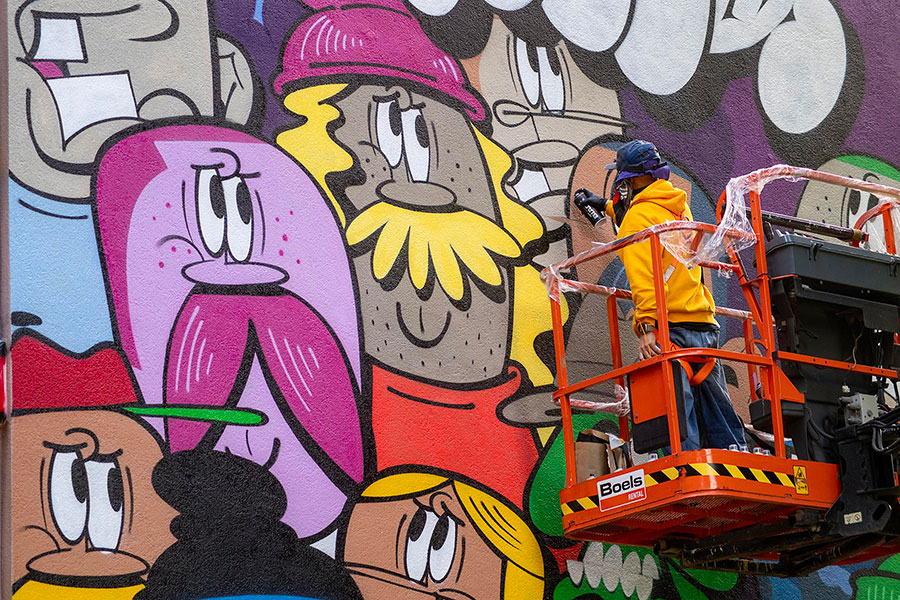
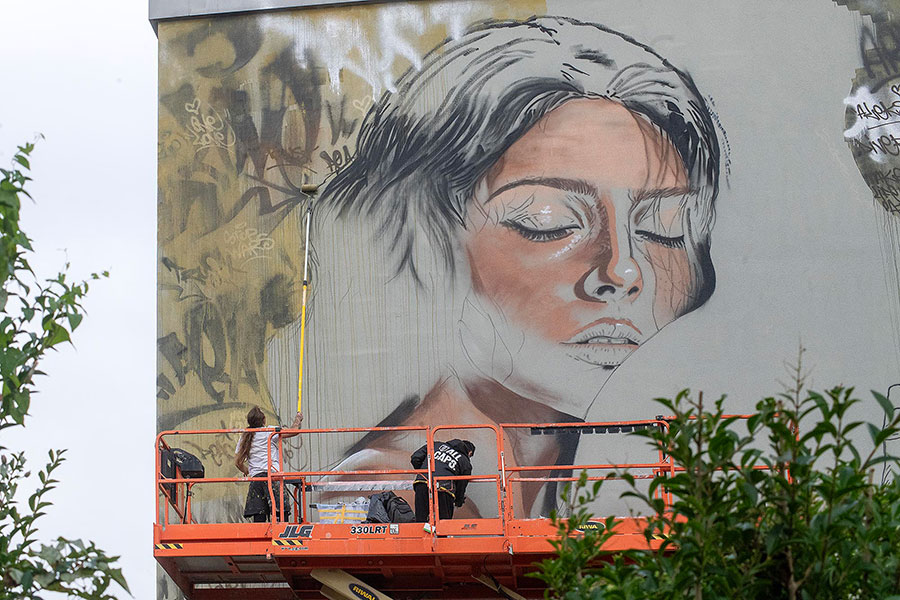
Their photography serves as an ethnographic record of the process. They documented artists operating industrial lifts, the tactile reality of paint hitting concrete, and the essential social component of the festival: the neighbors who pause to watch, the local children who interact with the artists, and the conversations that occur at ground level. This documentation serves as a critical bridge between the creation of the work and its reception by the community, capturing the "in-between" moments that define the festival’s true value.
Case Study: The Power of Personal Connection
The depth of the festival’s community integration is best illustrated by specific projects. During the 2026 festival, artist Kalani Ware produced a portrait in the Lombardijen neighborhood that transcended traditional muralism. The work was based on a 1978 photograph of a local resident—the father-in-law of the artist—who had grown up in that very neighborhood.

By incorporating elements like the Bird of Paradise flower and symbolic references to local history, the mural became a site of intergenerational storytelling. This is the intended result of the ALL CAPS strategy: when an artist spends time learning the social fabric of an area, the resulting work becomes a conversation piece for the community. The mural, in this context, is no longer just a decorative object; it is a point of connection between the past and the present, the artist and the resident.
Broader Implications for Urban Development
The success of the ALL CAPS model suggests a potential roadmap for cities worldwide. As urban centers struggle with the challenge of revitalizing neighborhoods without eroding their identity, the use of public art as a tool for "community-centric placemaking" becomes increasingly vital. By ensuring that the work is not merely a backdrop for digital photography, but a durable, site-specific contribution to the neighborhood’s visual history, ALL CAPS has demonstrated that street art can be a mechanism for social cohesion.

The organization’s ability to navigate the complex relationships between municipal authorities, private housing corporations, and the international art community highlights the shifting status of street art in the 21st century. It is no longer a peripheral activity; it is a central element of the urban design toolkit. However, the true measure of success for such an initiative will be how it manages the inevitable pressures of time, maintenance, and urban renewal.

As the walls in Lombardijen settle into their surroundings, they stand as testament to the festival’s core premise: that public art should be a slow, deliberate addition to the urban fabric. In a world that often demands immediate, fleeting gratification, the commitment to an accumulating, long-term public record is a bold, necessary alternative. Through its deliberate pace and its insistence on community relevance, ALL CAPS is successfully documenting the pulse of Rotterdam, one wall at a time.