
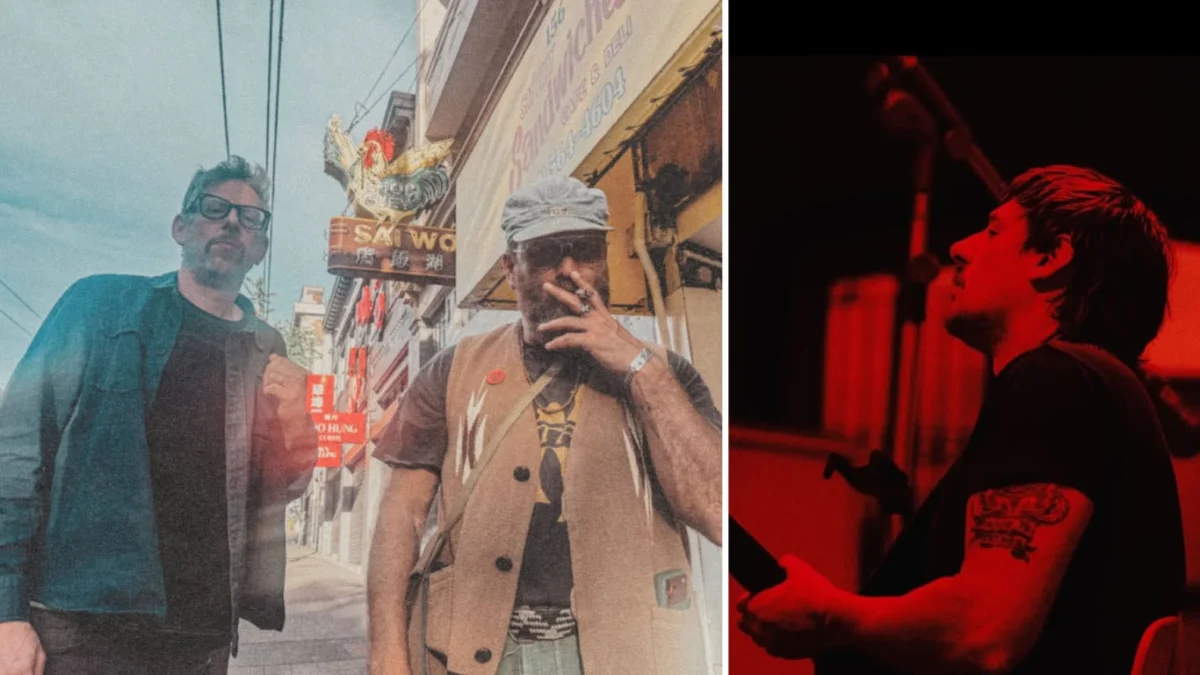
The Black Keys were joined by a surprise guest, Sturgill Simpson, who now performs under the moniker Johnny Blue Skies, for a rendition of the Motown classic "I Heard It Through the Grapevine" during their U.S. tour-closing performance at The Pinnacle in Nashville. The collaboration marked a significant moment for fans of both artists, blending the gritty blues-rock of The Black Keys with the genre-bending artistry of Simpson. The event occurred on August 7, 2026, as part of the band’s Peaches & Cream Tour.
A Night of Musical Synergy in Music City
Nashville, a city synonymous with musical innovation and rich heritage, played host to an unexpected yet harmonious collaboration. The Black Keys, comprised of vocalist/guitarist Dan Auerbach and drummer Patrick Carney, were wrapping up the U.S. leg of their highly anticipated Peaches & Cream Tour. The second of two sold-out nights at The Pinnacle saw the iconic duo delivering their signature sound, amplified by a special appearance that resonated with the diverse crowd.
As the concert reached its zenith, the stage lights shifted, and Johnny Blue Skies, the alter ego of Grammy-winning artist Sturgill Simpson, emerged. Known for his distinctive vocal stylings and adventurous musical explorations, Simpson took to the stage with his guitar, ready to contribute to a rendition of Marvin Gaye’s enduring hit, "I Heard It Through the Grapevine." The song, originally released by The Marvelettes in 1966 and later popularized by Gaye in 1968, is a cornerstone of Motown’s catalog, celebrated for its infectious melody and timeless lyrical themes of betrayal and rumor.
Simpson’s presence on stage was a departure from his typical headlining performances. While his powerful vocals are a hallmark of his own work, for this particular collaboration, he assumed a more reserved, yet impactful, role. Positioned near drummer Patrick Carney, Simpson allowed Dan Auerbach to take the lead on vocals, delivering a smooth and swaggering interpretation of the classic. However, Simpson’s contribution was far from passive. Midway through the song, he unleashed a brief but searing blues guitar solo, a testament to his instrumental prowess and his ability to adapt his sound to complement different musical contexts. The solo, characterized by its raw emotion and technical finesse, added a distinct layer of grit to the otherwise polished performance.
The visual spectacle of the performance was further enhanced by "liquid light projections" that bathed the stage and the band in a kaleidoscope of shifting colors, creating an immersive and psychedelic atmosphere that perfectly complemented the vintage soul of the song. This artistic choice underscored the experimental spirit often found in both The Black Keys’ and Simpson’s creative output.
Fan Reactions and Critical Acclaim
The impromptu collaboration was met with enthusiastic applause from the Nashville audience. Dan Auerbach, acknowledging Simpson’s contribution, addressed the crowd, saying, "Hey, give it up for Sturgill," a sentiment the audience readily echoed. The spontaneous nature of the guest spot highlighted the camaraderie and mutual respect within the music community, particularly in a city like Nashville that fosters such creative exchanges.
Fan-shot footage of the performance quickly circulated across social media platforms and music forums, generating significant buzz among followers of both artists. Videos uploaded to platforms like YouTube captured the raw energy of the live performance, allowing fans who were unable to attend to experience the unique musical moment. One such video, credited to Brian Nelms, showcased the dynamic interplay between Simpson’s guitar work and Auerbach’s vocals, further cementing the collaboration as a memorable event.
While official statements from representatives of either artist regarding the specific planning of this collaboration were not immediately available, the synergy displayed on stage suggested a genuine mutual admiration. The Black Keys, known for their blues-infused rock sound, have often shown an appreciation for a wide range of musical influences, including soul and R&B. Sturgill Simpson, conversely, has consistently defied genre boundaries, incorporating elements of country, psychedelic rock, and soul into his own critically acclaimed discography. This shared appreciation for musical depth likely paved the way for such a spontaneous and successful joint performance.
Contextualizing the Collaboration
The appearance of Sturgill Simpson with The Black Keys comes at a pivotal time for both artists. The Black Keys are in the midst of their extensive Peaches & Cream Tour, a global undertaking that spans North America, Europe, and the U.K. This tour supports their latest album, which has been met with positive reviews, further solidifying their position as one of contemporary rock’s most enduring acts. Their return to Nashville for these two U.S. tour-closing shows was a significant event, drawing a large and passionate fanbase.
For Sturgill Simpson, now operating under the Johnny Blue Skies moniker, this collaboration offers a different avenue for artistic expression. His recent rebranding and the subsequent announcement of his Mutiny for the Masses headlining tour suggest a period of creative evolution. The Mutiny for the Masses tour, slated to begin on September 4th at Austin, Texas’s Moody Center, will see Simpson and his band, The Dark Clouds, performing in arenas and amphitheaters across the country throughout September and October. This solo venture promises to showcase his latest artistic direction, making his guest appearance with The Black Keys a notable preview of his continued engagement with diverse musical landscapes.
The Peaches & Cream Tour is scheduled to conclude its U.S. run on August 8th with a second performance at The Pinnacle, featuring support from Eddie 9V. Following this, The Black Keys will embark on their European and U.K. dates in August and September before returning to North America for a final nine-date stretch in October. Information regarding ticketing for these upcoming shows is readily available through authorized ticket vendors.
Broader Implications and Musical Landscape
The appearance of Sturgill Simpson, or Johnny Blue Skies, alongside The Black Keys represents more than just a fleeting musical moment; it signifies a confluence of respected artists who are not afraid to push creative boundaries. In an era where musical genres are increasingly fluid, such collaborations serve as powerful reminders of the unifying power of music. It also highlights the ongoing relevance of classic Motown hits, demonstrating their ability to resonate with contemporary audiences and inspire new generations of musicians.
The fact that the collaboration occurred in Nashville, a city steeped in musical history and a hub for artists across various genres, adds another layer of significance. It speaks to the city’s enduring role as a fertile ground for musical cross-pollination and artistic experimentation. The Black Keys, with their deep roots in blues and rock, and Simpson, with his eclectic approach, found common ground in their shared appreciation for musical craftsmanship and their willingness to explore different sonic territories.
Furthermore, this event underscores the evolving nature of artist identities. Simpson’s adoption of the Johnny Blue Skies persona suggests a deliberate move to explore new creative avenues or perhaps to create a distinct space for certain musical explorations separate from his established identity. Such artistic reinventions are not uncommon in the music industry, often allowing artists to re-energize their careers and connect with audiences in new ways.
The continued success of artists like The Black Keys and Sturgill Simpson, and their willingness to engage in unexpected collaborations, bodes well for the future of live music. It signals a commitment to delivering unique and memorable experiences for fans, fostering a sense of discovery and shared passion for the art form. As both artists continue their respective tours, the memory of this Nashville collaboration will undoubtedly remain a highlight for those in attendance and a point of interest for music enthusiasts worldwide. The intersection of their talents, however brief, offered a potent demonstration of musical chemistry and artistic camaraderie.

![Iron Maiden Legend Nicko McBrain Turned Down Trump Golf Invite: [He] Should Be Put in Jail](https://worldbusk.org/wp-content/uploads/2026/10/iron-maiden-legend-nicko-mcbrain-turned-down-trump-golf-invite-he-should-be-put-in-jail.webp)