
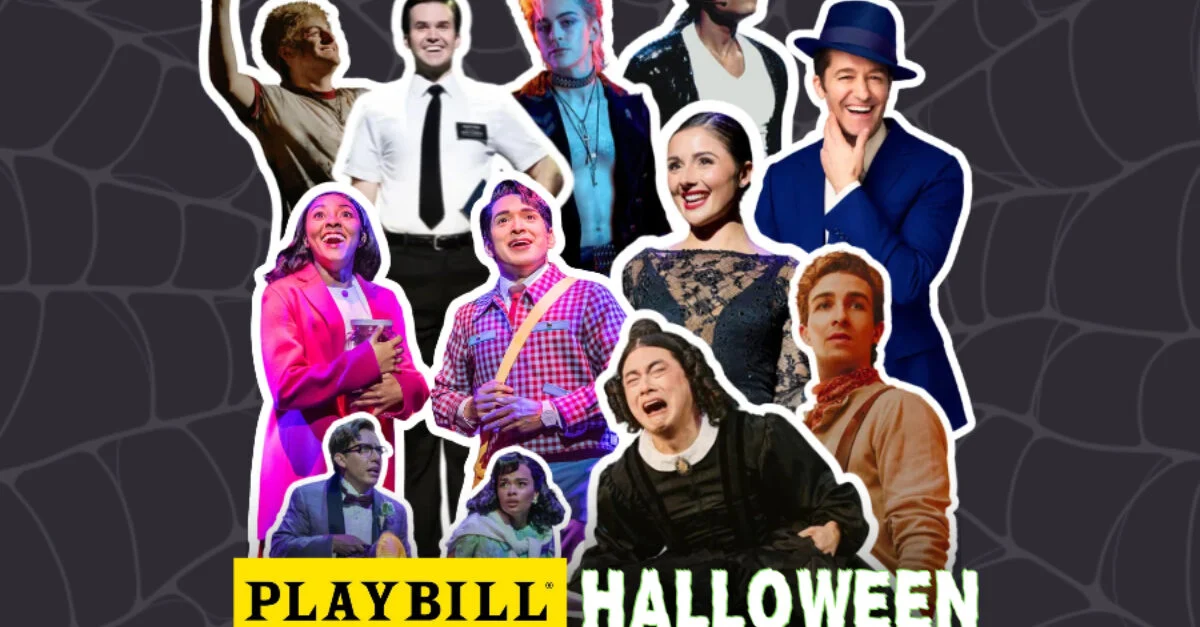
The Cultural Intersection of Broadway and Halloween
The tradition of "costume-heavy" holidays has long been a staple of the American theater industry. Historically, theater companies have utilized Halloween as a marketing tool, encouraging audience members to attend performances in character. This practice has solidified a unique aesthetic trend where the elaborate, often ornate costumes designed for Broadway stages are adapted into wearable, everyday ensembles.
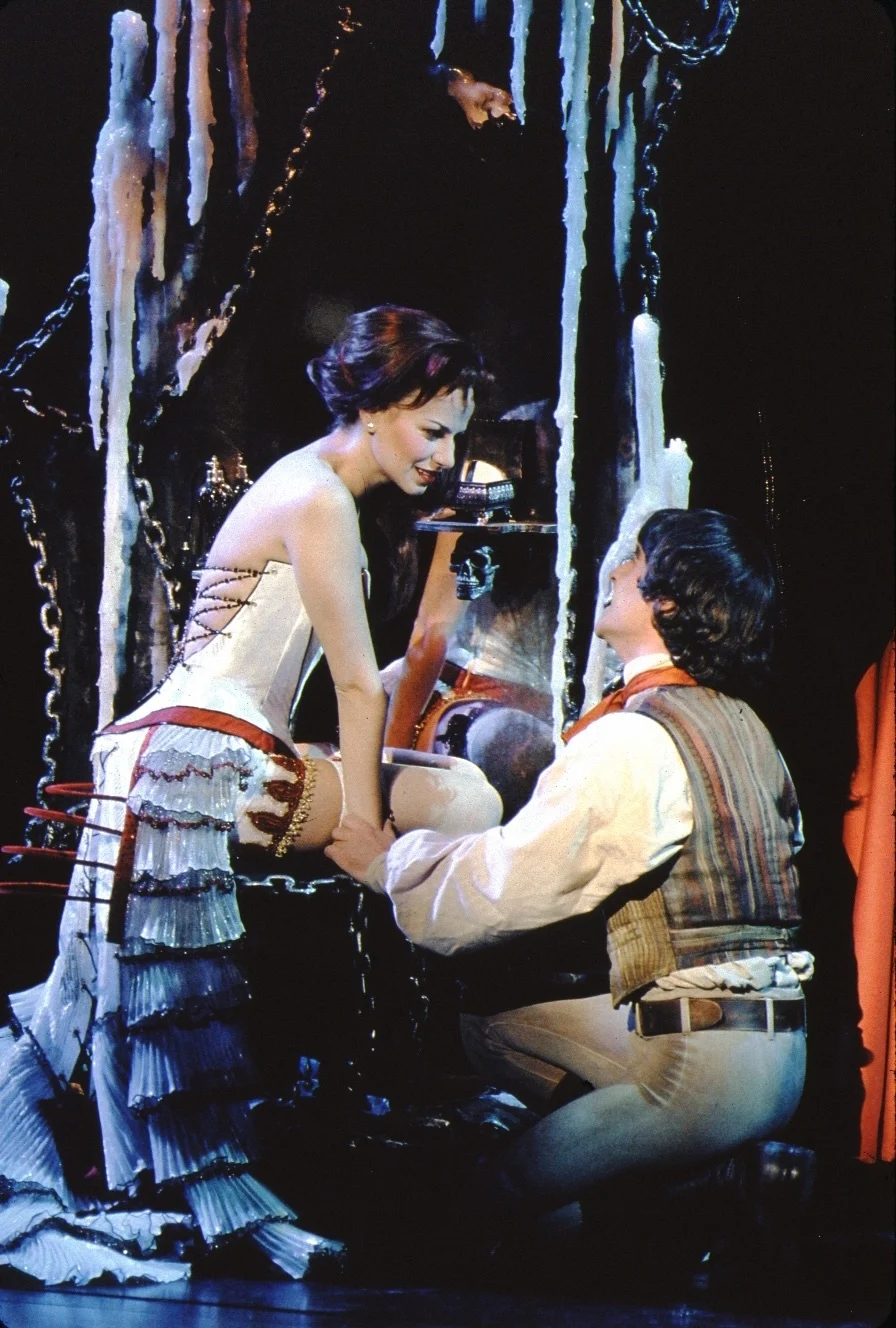
According to data from the National Retail Federation (NRF), consumer spending on Halloween costumes in the United States has consistently trended upward over the last decade, reaching record highs in recent years. While the majority of these purchases remain rooted in pop culture icons from film and television, the Broadway sub-sector occupies a specialized space. Costumes inspired by productions such as Hadestown, Sweeney Todd, and historical period pieces like Mr. Lincoln have gained traction because they offer a blend of recognizability and artistic expression that standard mass-market costumes often lack.
A Chronological Shift in Theatrical Fashion
The integration of Broadway aesthetics into seasonal retail began in earnest during the late 20th century, as theatrical merchandise shifted from simple playbills and t-shirts to more comprehensive lifestyle branding.
- 1990s: Broadway merchandise was largely limited to lobby souvenirs. Halloween was treated as a secondary concern, with theater-goers primarily relying on store-bought, generic costumes.
- 2005–2015: The rise of high-definition digital media allowed for a closer inspection of stage costumes. Fans began posting "get the look" tutorials on emerging social media platforms, creating a demand for authentic-looking recreations.
- 2016–2024: The "experience economy" took hold. Productions began actively partnering with fashion retailers to release limited-edition apparel that could function as both everyday wear and elevated costume pieces.
- 2026: The current landscape sees a sophisticated fusion of "cosplay" and "high-fashion." The accessibility of online marketplaces has allowed enthusiasts to source period-accurate garments, moving away from the "plastic mask" era of Halloween toward a more curated, archival approach to dressing up.
Data-Driven Trends in Theatrical Costuming
Market analysis indicates that theatrical costume searches peak in mid-October. Data from search engine trends reveals that queries for specific character aesthetics—such as the "Orpheus" look from Hadestown or the "Vampire" chic associated with various Broadway revivals—see a 40% increase in volume compared to general pop-culture character searches.
This trend is not merely anecdotal. Retail analysts suggest that the "Broadway-inspired" category provides a higher profit margin for vendors, as these costumes often require specialized materials—velvet, tweed, and linen—rather than the synthetic fabrics typical of mass-produced seasonal items. Furthermore, the longevity of these costumes is higher; a coat purchased for a Victorian-era costume can be integrated into a functional winter wardrobe, appealing to the growing consumer preference for sustainability in fashion.
Industry Perspectives and Production Responses
While many costume enthusiasts source their items independently, the theater industry itself has begun to acknowledge the role of Halloween in sustained brand engagement. Representatives from prominent costume houses note that the "Halloween effect" serves as a bridge for younger audiences to engage with theater history.
"When a patron chooses to embody a character from a production like Hadestown, they are participating in a form of live performance themselves," notes a spokesperson for a prominent New York-based theatrical supply firm. "They are studying the color palettes, the silhouettes, and the historical context of the play. It deepens their connection to the material, which often translates to higher ticket sales during the holiday season."
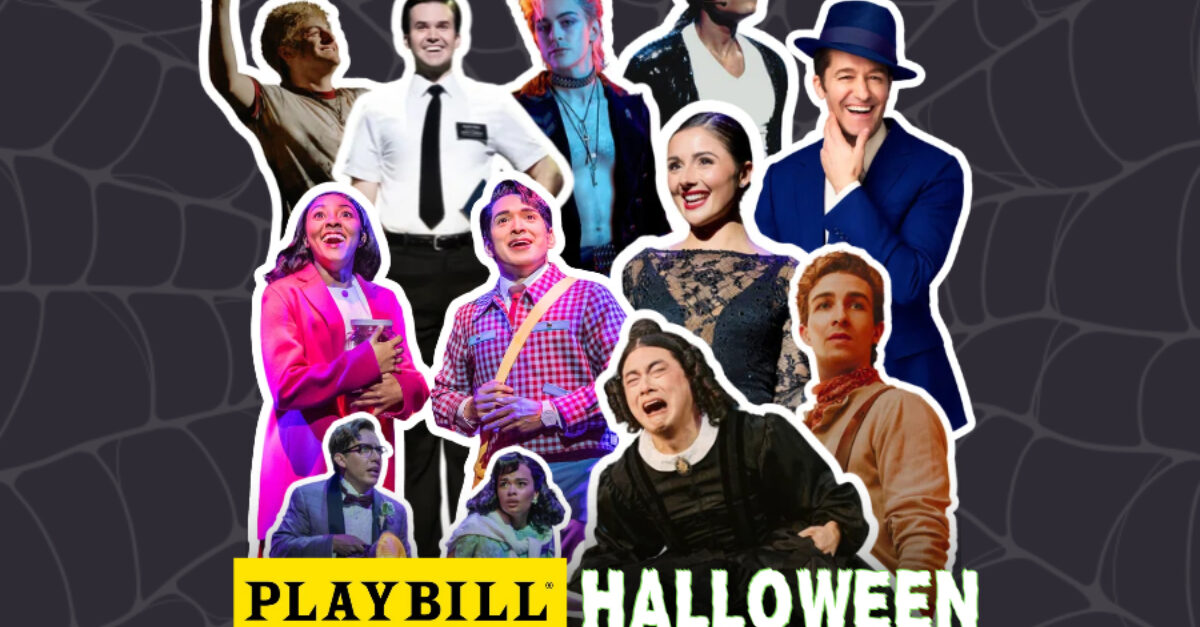
In previous years, theater companies have hosted "costume contests" during Halloween-adjacent performances, offering prizes for the most accurate portrayals of characters. These events have successfully turned the theater lobby into an extension of the stage, reinforcing the symbiotic relationship between the production and the audience.
The Broader Implications of Theatrical Costume Culture
The shift toward Broadway-inspired Halloween costumes carries broader implications for the retail and arts sectors. First, it democratizes fashion history. By researching the period-appropriate attire for a character like Mary Todd Lincoln, the consumer engages with a historical education process that is both immersive and entertaining.
Second, it bolsters the independent retail market. Because Broadway-inspired costumes are rarely sold as "all-in-one" boxed kits, consumers are encouraged to shop at thrift stores, vintage boutiques, and local dressmakers. This supports a circular economy that prioritizes the reuse and repurposing of garments over the disposability of cheap Halloween attire.
Finally, the trend acts as a cultural barometer. The characters that resonate most during a given year’s Halloween season often reflect the prevailing societal mood. The current popularity of gothic, Victorian, and myth-based Broadway characters suggests an audience that is seeking escapism grounded in intellectual or historical weight. As theater continues to adapt to digital and physical shifts, this costume culture serves as a vital touchpoint for maintaining the relevance of the performing arts in the public consciousness.
Practical Considerations for the Enthusiast
For those looking to assemble an authentic Broadway-inspired look for the upcoming season, industry experts recommend a "layering" approach. Rather than seeking a single garment, the process involves selecting a base layer that aligns with the character’s historical or thematic period.
- The Orpheus Aesthetic: Focus on layering textures. A linen shirt, a fitted vest, and a distressed scarf create the "mythic-modern" look that has defined the character’s popularity on the Broadway stage.
- The Vampire Aesthetic: Beyond the traditional capes, contemporary Broadway vampires emphasize a sleek, monochromatic silhouette. High-collared shirts and tailored trousers are essential.
- The Historical Figure: For characters like Mary Todd Lincoln, the emphasis should be on the structural integrity of the garment. Utilizing hoop skirts or structured bodices provides the necessary silhouette that defines the historical period accurately.
As the theatrical industry continues to evolve, the influence of Broadway on seasonal celebrations is expected to grow. By prioritizing authenticity, quality, and historical accuracy, participants are not just celebrating Halloween; they are celebrating the enduring power of stagecraft and the stories that define the Broadway experience. Whether through the lens of a tragic myth or a historical drama, the ability to step into a character’s shoes remains one of the most effective ways to bridge the gap between the viewer and the art.
As October 31 draws near, the synthesis of fashion, history, and performance continues to offer a unique pathway for personal expression. In the coming years, it is likely that theatrical designers will play an even larger role in shaping these seasonal trends, further blurring the lines between the professional stage and the public square. For the dedicated theater fan, the task of assembling a costume is no longer just a chore—it is an exercise in curation and a tribute to the craft of storytelling.