

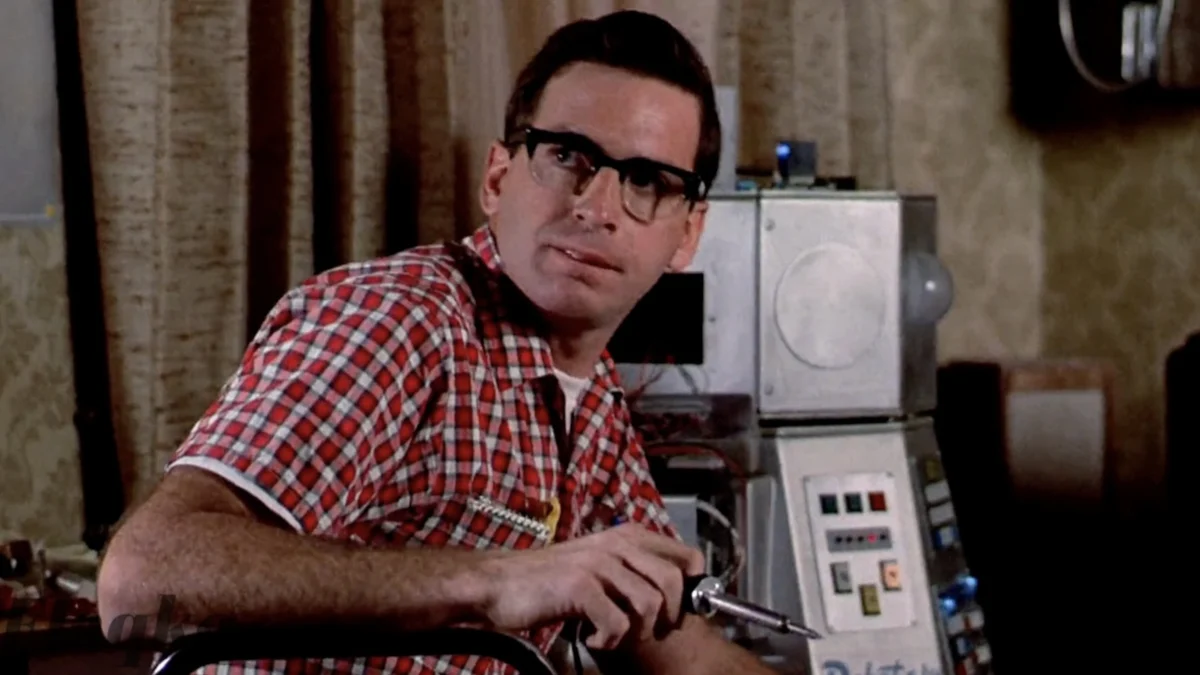
The family of acclaimed actor Robert Carradine has initiated a comprehensive legal challenge against the Regents of the University of California, alleging wrongful death, elder abuse, and neglect following a tragic suicide attempt that occurred while Carradine was under the care of a UCLA psychiatric facility. The lawsuit, filed on August 7, 2026, in Los Angeles County court, claims that the institution’s alleged failures in providing a safe environment and adhering to established protocols directly led to the actor’s death in February 2026 at the age of 71.
Allegations of Negligence and Policy Violations
According to reports from TheWrap and other media outlets detailing the lawsuit, the core of the family’s complaint revolves around critical lapses in patient safety within the UCLA facility. The legal filing specifically asserts that, despite Carradine being admitted with active suicidal thoughts and a documented history of suicide attempts, he was left in a locked unit with readily accessible items that posed a significant risk. These items included a belt and a rolling bedside table, which the lawsuit contends were utilized by Carradine in his suicide attempt. The family argues that the presence of such items in a psychiatric unit for high-risk patients directly contradicts standard procedures and the institution’s own stringent policies designed to prevent self-harm.
Furthermore, the lawsuit reportedly claims that the facility failed to perform regular, timely checks on Carradine, specifically alleging that the mandated 15-minute observation intervals were not consistently upheld. This alleged failure in vigilance is presented as a crucial contributing factor to the incident, suggesting a systemic breakdown in patient monitoring protocols. The family’s legal team emphasized the profound breach of trust inherent in these alleged failures, stating in the filing, "Robert’s hopes for successful treatment didn’t match the reality he had stepped into. Instead of walking into a safe environment, he walked into a locked facility that broke a cardinal rule for a hospitalized psychiatric patient with active suicidal thoughts and a history of suicide attempts."
A Tragic Chronology of Events
The devastating sequence of events, as outlined in the complaint, began shortly after Robert Carradine’s admission to the UCLA psychiatric facility. Nineteen hours after being admitted, Carradine reportedly made the suicide attempt that ultimately led to his demise. The lawsuit details that as a result of the attempt, he suffered from a severe lack of oxygen, rendering him unconscious. Despite intensive medical intervention, Carradine never recovered, spending five weeks in an intensive care unit before succumbing to his injuries and passing away in February 2026. His death at 71 years old sent ripples through the entertainment community and among his many fans.
The lawsuit’s filing on August 7, 2026, nearly six months after Carradine’s death, marks the family’s formal pursuit of accountability and justice. This period typically allows for a thorough investigation by the family’s legal counsel, gathering evidence, and preparing a comprehensive complaint detailing the alleged acts of negligence and their consequences.
The Carradine Legacy and Battle with Mental Illness
Robert Carradine was a distinguished member of the esteemed Carradine Hollywood dynasty, a family synonymous with cinematic and theatrical prowess for generations. He was the son of legendary actor John Carradine and the brother of fellow celebrated actors David and Keith Carradine. His career spanned decades, showcasing a versatility that earned him a respected place in the industry. He is perhaps best remembered for his iconic portrayal of Lewis Skolnick in the 1984 cult classic Revenge of the Nerds, a role that cemented his status as a beloved figure in popular culture. Beyond this, he also made significant contributions to television, notably in the early 2000s Disney show Lizzie McGuire, and demonstrated his range in historical dramas like 1980’s The Long Riders, where he starred alongside his brothers David and Keith.
Beyond his professional accomplishments, Robert Carradine faced personal challenges with mental health. His brother, Keith Carradine, openly shared with news sources at the time of Robert’s passing that his brother had struggled with bipolar disorder for two decades. In a statement released following Robert’s death, the family expressed a profound hope: "We hope his journey can shine a light and encourage addressing the stigma that attaches to mental illness." This earlier statement underscores the family’s long-standing commitment to mental health advocacy and highlights the tragic irony of their current legal battle, which centers on alleged failures in mental health care.
Understanding Psychiatric Patient Safety and Standard of Care
The allegations made by the Carradine family cast a critical spotlight on the standard of care expected in psychiatric facilities, particularly for patients deemed at high risk for self-harm. Psychiatric hospitals and units are held to stringent guidelines to ensure patient safety, given the inherent vulnerability of individuals admitted for mental health crises. Key among these are environmental safety protocols, often referred to as "suicide-proofing," which necessitate the removal of any potential ligature points or harmful objects from a patient’s immediate environment. This includes belts, cords, sharp objects, and even certain types of furniture that could be used for self-harm.
The Joint Commission, a leading accrediting body for healthcare organizations, issues comprehensive standards regarding patient safety, including specific requirements for psychiatric services. These standards mandate regular environmental safety assessments, staff training in suicide prevention, and strict observation protocols tailored to a patient’s risk level. For patients with active suicidal thoughts or a history of attempts, heightened observation, ranging from 15-minute checks to continuous one-on-one supervision, is often deemed medically necessary. The lawsuit’s claim regarding the alleged failure to conduct 15-minute checks, coupled with the presence of a belt and rolling bedside table, suggests a potential deviation from these widely accepted standards and the facility’s own policies. Such deviations, if proven, could constitute a serious breach of the duty of care owed to a vulnerable patient.
The Legal Framework: Wrongful Death, Elder Abuse, and Neglect
The lawsuit leverages several legal avenues to seek redress for Robert Carradine’s death. A wrongful death claim typically asserts that a person’s death was caused by the negligence or misconduct of another party. In this context, the family would need to demonstrate that UCLA’s psychiatric facility, through its employees, breached a duty of care owed to Robert Carradine, and that this breach was a direct cause of his suicide attempt and subsequent death. Elements often include proving the existence of a duty, a breach of that duty, causation, and damages.
The inclusion of elder abuse and neglect charges further underscores the family’s belief that Carradine, as an elderly individual (71 years old) in a vulnerable state, was subjected to substandard care. In California, elder abuse can encompass physical abuse, neglect, financial abuse, abandonment, isolation, abduction, or other treatment resulting in harm or pain or mental suffering, or the deprivation by a care custodian of goods or services that are necessary to avoid physical harm or mental suffering. Neglect, in this context, refers to the failure to exercise the degree of care that a reasonable person in a like position would exercise, often resulting in harm or the risk of harm to the elder. Given Carradine’s admission to a facility specifically for care, the institution would be considered a "care custodian," intensifying their legal obligations. Proving neglect would involve demonstrating that the facility failed to provide appropriate medical care, supervision, or a safe environment, directly contributing to the tragic outcome.
Implications for UCLA Health and Psychiatric Care
This high-profile lawsuit carries significant implications for UCLA Health, one of the nation’s most respected medical institutions. Beyond the potential financial liability, which could be substantial given the nature of the claims and the celebrity status of the deceased, the case poses a serious reputational risk. Allegations of negligence, elder abuse, and a failure to protect a vulnerable patient can erode public trust and potentially lead to increased scrutiny from regulatory bodies.
UCLA Health, like most major academic medical centers, typically maintains robust risk management protocols and strict adherence to patient safety guidelines. A lawsuit of this magnitude will likely trigger an internal review of their psychiatric unit’s policies, procedures, and staff training. While it is standard practice for institutions not to comment on pending litigation, they often reiterate their commitment to patient safety and quality of care. Should the lawsuit proceed to trial and a jury find in favor of the Carradine family, or if a settlement is reached, it could set precedents or at least prompt widespread re-evaluation of patient safety measures across psychiatric facilities, both within California and potentially nationwide.
Broader Societal Impact and the Call for Vigilance
The tragic circumstances surrounding Robert Carradine’s death and the subsequent lawsuit serve as a stark reminder of the critical importance of mental health care and patient safety. It highlights the immense responsibility placed upon psychiatric facilities to provide not only therapeutic interventions but also a secure environment for individuals struggling with profound mental health challenges. The case may reignite public discourse on the adequate funding and staffing of mental health services, the need for continuous training and vigilance among healthcare providers, and the ongoing battle against the stigma associated with mental illness.
The family’s decision to pursue legal action, despite their initial public plea for greater understanding of mental illness, underscores their belief that this was not merely a tragic outcome of illness, but a preventable tragedy stemming from alleged institutional failures. Their pursuit of justice could ultimately contribute to improved safety standards and greater accountability within the mental healthcare system, reinforcing the message that all patients, especially the most vulnerable, deserve the highest level of care and protection. The legal proceedings will undoubtedly be closely watched by the public, legal community, and healthcare industry, as they unfold in the Los Angeles County court.