
The year 1980 marked a profound cultural and sonic pivot in the global music landscape. As the calendar turned from the tumultuous, disco-dominated 1970s into a new decade, the recording industry stood on the precipice of a massive structural and artistic transformation. Though contemporary listeners and industry executives could scarcely fathom the full magnitude of the shift at the time, the seeds of modern pop, rock, and cinematic synergy were being sown on the Billboard charts. Among the myriad releases that defined this pivotal twelve-month period, three distinct Top 40 hits from 1980—reimagined classics and cinematic anthems alike—captured the zeitgeist of an era whose melodies continue to resonate deeply with generations of music enthusiasts.
The Musical Landscape of 1980: A Decade in Transition
To fully understand the musical significance of 1980, one must examine the socio-cultural backdrop of the period. The late 1970s had been defined by the commercial dominance of disco, a genre that ultimately suffered from an intense cultural backlash characterized by events such as the infamous "Disco Demolition Night" in Chicago in July 1979. Simultaneously, the gritty, anti-establishment ethos of punk rock was fracturing into the more commercially viable and synthesizer-friendly realms of new wave and post-punk.
Into this fragmented landscape stepped established artists looking to reinvent their sounds, alongside singer-songwriters eager to capitalize on the burgeoning synergy between popular cinema and radio airwaves. The Billboard Hot 100 chart of 1980 reflected this eclectic convergence, balancing traditional adult contemporary balladry, upbeat rock-inflected pop, and carefully curated movie soundtracks. It was within this dynamic ecosystem that tracks like Linda Ronstadt’s "Hurt So Bad," Kenny Loggins’s "I’m Alright," and Kim Carnes’s "More Love" achieved commercial prominence, each serving as a vital stepping stone toward the hyper-stylized pop culture explosion that would come to define the 1980s.
Linda Ronstadt and the Timeless Appeal of Hurt So Bad
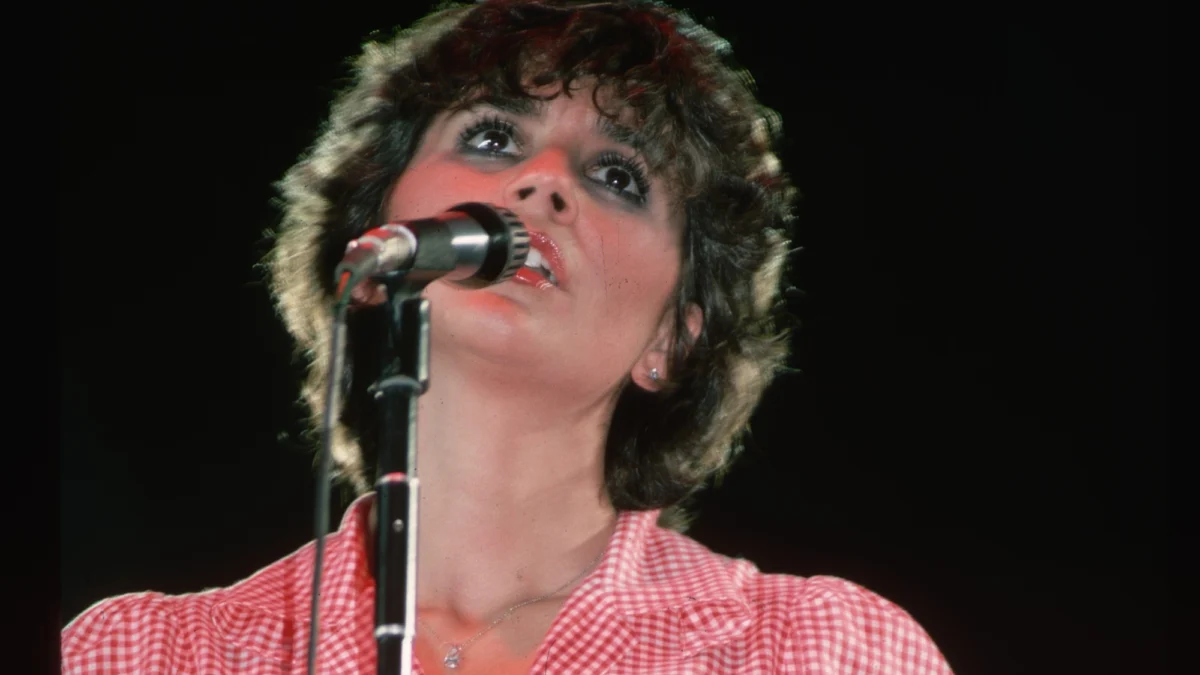
Long before she cemented her legacy as a versatile interpreter of the Great American Songbook and traditional Mexican folk music, Linda Ronstadt was reigning supreme as the undisputed queen of 1970s rock and pop. By the time 1980 rolled around, Ronstadt was a multi-platinum powerhouse, yet her studio output for that specific calendar year was remarkably streamlined. Her sole single release of 1980 was a powerful, emotionally charged rendition of "Hurt So Bad," issued as part of her tenth studio album, Mad Love.
Originally penned by the formidable songwriting trio of Teddy Randazzo, Bobby Weinstein, and Bobby Hart, "Hurt So Bad" was first brought to prominence fifteen years earlier by Little Anthony & The Imperials, who took the soul ballad to the upper reaches of the charts in 1965. When Ronstadt approached the track for Mad Love, she infused it with the driving, rock-inflected urgency that characterized the turn of the decade. The song’s poignant lyrical narrative—a desperate plea imploring a departing lover to reconsider—found a visceral voice in Ronstadt’s soaring vocal delivery:
Well, let me tell you that it hurts so bad / It makes me feel so sad / It’s gonna hurt so bad if you walk away.
Released by Asylum Records, Mad Love was a critical and commercial success, debuting at No. 3 on the Billboard 200 and eventually earning platinum certification. The album also spawned another major chart success in the Top 10 hit "How Do I Make You." Ronstadt’s interpretation of "Hurt So Bad" proved the enduring durability of the composition, paving the way for subsequent generations of artists to put their own unique spins on the track. In the decades following Ronstadt’s release, esteemed vocalists across various genres—including pop idol David Cassidy, jazz legend Nancy Wilson, and contemporary R&B icon Alicia Keys—recorded their own versions, cementing the song as a standard of modern vocal performance.
Kenny Loggins, Caddyshack, and the Birth of the Cinematic Anthem
While vocal interpreters were breathing new life into mid-century compositions, the dawn of the 1980s also witnessed a seismic shift in how music and movies interacted. The modern cinematic soundtrack transformed from a mere background orchestral score into a primary marketing vehicle for major motion pictures. At the forefront of this revolution was singer-songwriter Kenny Loggins, whose contribution to the 1980 comedy classic Caddyshack yielded his very first Top 10 hit on the Billboard Hot 100 chart: "I’m Alright."
Written and performed by Loggins, "I’m Alright" served as the thematic heartbeat of the golf-centric comedy starring Chevy Chase, Bill Murray, and Rodney Dangerfield. The track’s buoyant, infectious rock-pop groove immediately resonated with filmgoers and radio listeners alike, kicking off with the defiant, carefree lines:
I’m alright / Nobody worry ’bout me / Why you got to gimme a fight / Can’t you just let it be.
"I’m Alright" was just one of four distinct musical contributions Loggins made to the Caddyshack soundtrack, a collaborative process that left an indelible mark on his career trajectory. Reflecting on the experience years later, Loggins shared insights into the rare harmony between filmmaker and songwriter during that production. "It was such a good experience for me," Loggins revealed in an interview with American Songwriter. "I’ve talked to other artists who have written for movies, and they have not had good experiences."
The success of Caddyshack unlocked a creative formula that Loggins would successfully replicate throughout the decade. The positive collaboration model he experienced in 1980 directly influenced his later cinematic ventures, most notably his work on the 1984 blockbuster Footloose. Four years after "I’m Alright" entered the cultural lexicon, Loggins captured his first career No. 1 single with the title track to Footloose, a feat that might never have materialized had his initial foray into soundtrack writing for Caddyshack proven burdensome rather than creatively liberating.
Kim Carnes and the Smokey Robinson Connection in More Love
The year 1980 also provided a crucial career milestone for raspy-voiced songstress Kim Carnes, whose interpretation of a Motown classic propelled her into the upper echelons of pop stardom. Included on her critically acclaimed album Romance Dance, Carnes’s rendition of "More Love" marked a significant turning point in her artistic journey, serving as her very first single to crack the coveted Top 10 on the charts.
The composition itself carried immense pedigree, having been written by legendary singer, songwriter, and executive Smokey Robinson. "More Love" was originally introduced to the public in 1967 by Robinson’s legendary vocal group, The Miracles. Robinson’s soulful, poetic lyricism shone brightly in the track’s memorable chorus:
More love and more joy / Than age or time could ever destroy / Oh honey now my love will be so sound.
Carnes’s distinctively husky vocal delivery transformed the soulful Motown ballad into a radio-friendly, contemporary pop-rock staple of 1980. The commercial triumph of "More Love" was not merely a standalone achievement; rather, it served as a vital springboard for the singer’s astronomical success the following year. Just one year after "More Love" established her as a formidable radio presence, Carnes recorded and released "Bette Davis Eyes," written by Jackie DeShannon and Donna Weiss. The track became a worldwide phenomenon, spending nine weeks at No. 1 on the Billboard Hot 100 and earning Grammy Awards for both Song of the Year and Record of the Year. Without the foundational success of "More Love" in 1980, the global triumph of "Bette Davis Eyes" might have followed a vastly different trajectory.
Chronology of a Musical Turning Point: 1980 in Review
To appreciate how these distinct releases fit into the broader historical record of popular music, one must trace their rollout against the backdrop of the changing music industry:
- Early 1980: Linda Ronstadt releases her tenth studio album, Mad Love, featuring the lead single "Hurt So Bad," which bridges classic 1960s pop-soul composition with high-energy 1980s rock production.
- Spring 1980: Kim Carnes issues her Romance Dance record, anchored by her cover of Smokey Robinson’s "More Love," establishing her presence on mainstream radio charts.
- Summer 1980: The film Caddyshack hits theaters, accompanied by a dynamic soundtrack featuring Kenny Loggins’s "I’m Alright," which quickly ascends the Billboard Hot 100 to become his first career Top 10 hit.
- Late 1980 to 1981: The commercial momentum generated by these three tracks sets the stage for the explosive multimedia era of the 1980s, characterized by MTV’s impending launch, the dominance of synthesizer-driven pop, and the cementing of the cinematic theme song as a commercial juggernaut.
Broader Economic and Cultural Implications
The enduring legacy of these 1980 Top 40 hits extends far beyond mere nostalgia. From an economic and industry standpoint, the success of Linda Ronstadt, Kenny Loggins, and Kim Carnes during this transitional twelve-month window highlighted the profitability of artistic reinvention. Record labels quickly recognized that established catalog songs—such as those penned by Smokey Robinson or the Randazzo-Weinstein-Hart team—could be successfully repackaged for modern audiences by pairing them with contemporary vocalists and updated arrangements.
Furthermore, Kenny Loggins’s pioneering work with Caddyshack underscored the immense commercial viability of cross-promotional media strategies. As the 1980s progressed, the intersection of radio airplay, feature film promotion, and eventually the 24-hour music video rotation of MTV would dictate the modern pop economy. The seamless transition from traditional album-oriented promotion to multi-platform entertainment marketing was quietly being perfected in studios and boardrooms throughout 1980.
Conclusion
Decades after they first dominated FM radio dials and jukeboxes across the globe, the foundational hits of 1980 remain ingrained in the cultural consciousness. Whether through Linda Ronstadt’s emotionally resonant vocal acrobatics on "Hurt So Bad," Kenny Loggins’s carefree, cinematic bravado on "I’m Alright," or Kim Carnes’s raspy reinvention of Smokey Robinson’s "More Love," these recordings capture a unique moment in time when popular music was fearlessly shedding its past to embrace a vibrant, uncertain, and infinitely exciting future. For the generations of music fans who grew up alongside these anthems, and for the contemporary listeners rediscovering them through digital streaming and classic media, these three tracks stand as enduring monuments to the timeless power of great songwriting and exceptional performance.