
EDITOR’S NOTE: This profile contains mention of death and suicide.
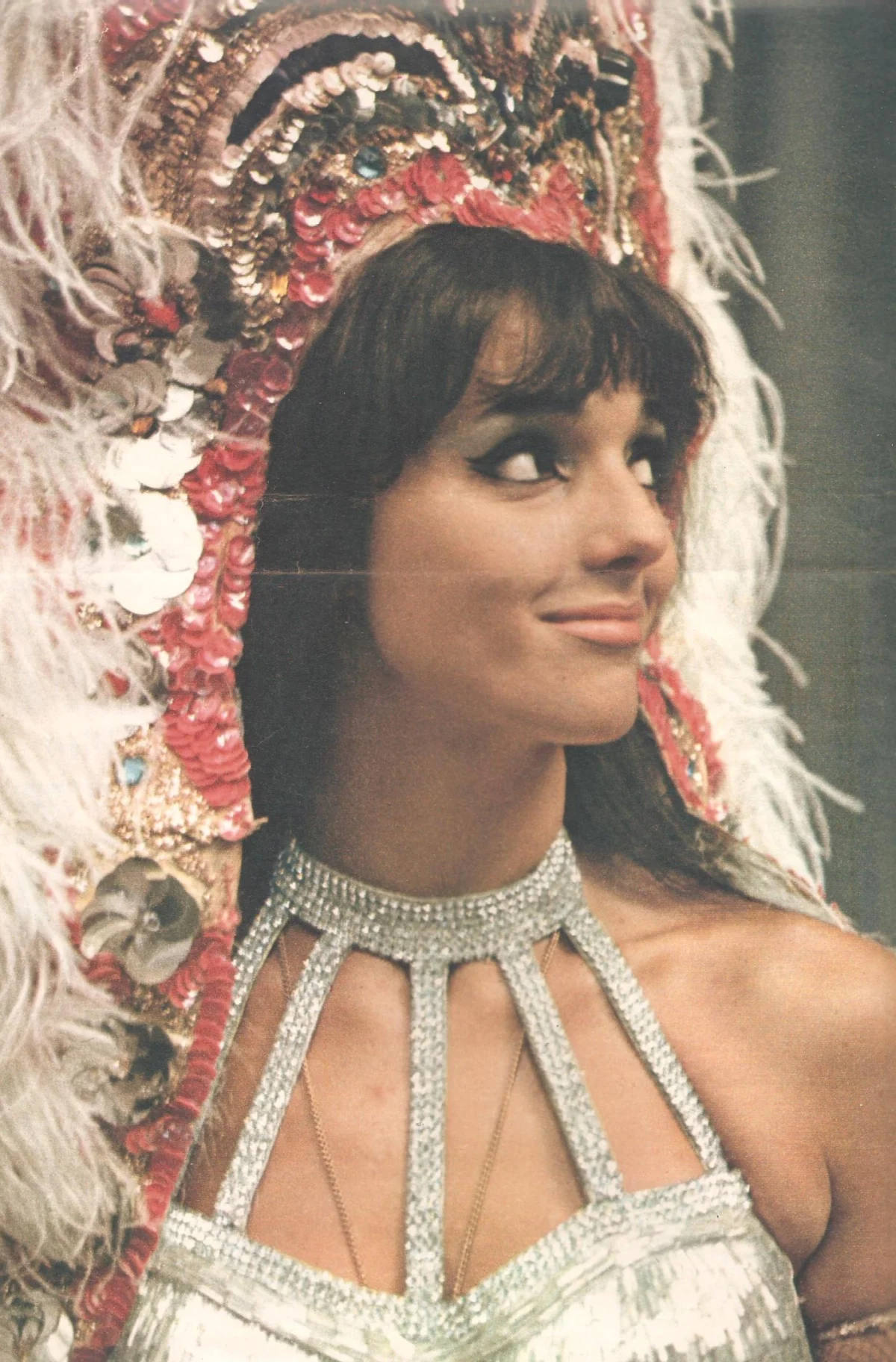
The circus is often romanticized as a world of spectacle, wonder, and ephemeral magic, but behind the velvet curtains lies a reality of rigorous discipline, physical danger, and a profound, often consuming, dedication to the craft. Few performers embody this dichotomy more poignantly than Cristiane Bottinelli, the French artist known to the world simply as Yuma. Her career, which began late by traditional standards at the age of 17, serves as a testament to the transformative power of the circus and the devastating costs that can accompany a life lived within the ring. Yuma’s story is not merely one of juggling prowess; it is a harrowing narrative of survival, professional evolution, and the haunting grip that the performance arts hold over those who commit their lives to them.
Early Beginnings and the Path to Mastery

Born in France, Cristiane Bottinelli did not emerge from the generational dynasties that define much of circus history. Her entry into the profession was unconventional, beginning in her late adolescence under the tutelage of an unnamed mentor who introduced her to the foundational elements of circus life. Initially, her role was peripheral—a juggler’s assistant who observed the mechanics of the stage without participating in the technical demands of the act itself.
However, her trajectory shifted dramatically when she began training under Amedeo Gerardi, a formidable figure in the mid-20th-century European circus circuit. Gerardi, a man of diverse talents who balanced the roles of lion tamer and technical expert, recognized a latent discipline in the young Bottinelli. Under his rigorous mentorship, she developed a repertoire that included balancing on rolling globes and the complex manipulation of balls, rings, clubs, swords, and torches.
It was Gerardi who bestowed upon her the stage name "Yuma," an appellation designed to evoke a sense of mystique and exoticism that was highly marketable during the era of mid-century traveling circuses. Her signature act—a display of extreme equilibrium involving two swords stacked vertically, topped by a tray holding four glasses of liquid—became a hallmark of her performance, demonstrating the extreme focus required to thrive in the ring.
A Timeline of Tragedy: 1968

The year 1968 stands as the most pivotal and catastrophic chapter in Yuma’s life. Within a span of months, she would lose her mentor, her husband, and her father-in-law, a sequence of events that would force most individuals to abandon the industry entirely.
The first blow occurred on March 19, 1968, in Versailles, during a performance with the Rancy Circus. Amedeo Gerardi, while working with his lions, was involved in a fatal accident. Forensic accounts from the era indicate that a 240-kilogram lion became startled when its pedestal—a stool—tilted under its weight. The sudden instability triggered a predatory response. The lion lunged, pinning Gerardi and inflicting severe injuries to his femur. Despite immediate intervention and emergency medical treatment, Gerardi succumbed to his injuries three days later at the age of 53. The loss of a mentor who served as both a trainer and a professional architect was a profound professional setback for Yuma, marking the end of her initial developmental phase.
Shortly thereafter, Yuma’s personal life collided with the inherent dangers of the circus. She met Daviso Martini, an esteemed Italian juggler renowned for his high-wire dexterity, at the Darix Togni Circus. Martini was a specialist in the art of "pedestal" juggling, frequently executing complex routines—such as kicking teacups and plates from his leg to his head—while balanced on a tightrope. The pair married in early 1968, but the union was cut short by tragedy just 40 days later.
As the Togni circus prepared for a logistical transition between Savona and Cuneo, Martini was engaged in the arduous work of dismantling the big top. While descending from a height of three meters, he suffered a fatal fall. Yuma was present when he died, an event that devastated her. The trauma was compounded the very same night when Martini’s father, a veteran of the Italian circus world, took his own life inside the family caravan. In the wake of this triple tragedy, Yuma retreated to her parents’ home in Nantes, France, temporarily severing ties with the circus environment.

Professional Resilience and the Enrico Rastelli Trophy
The psychological toll of 1968 would have marked the end of many careers, yet Yuma’s return to the spotlight was swift. Months after the deaths of Gerardi, her husband, and her father-in-law, she re-entered the competitive sphere, appearing at the 5th International Circus Festival to compete for the prestigious Enrico Rastelli Trophy. While the top honors were ultimately claimed by the Australian juggler Bob Murray, Yuma’s participation was a symbolic victory of perseverance over trauma.
The technical requirements of juggling at a competitive level involve extreme neuromuscular coordination. To perform at the level Yuma achieved requires thousands of hours of repetitive practice, a "muscle memory" that often persists even during periods of intense emotional distress. Her return to the stage served as a functional mechanism for processing her grief, highlighting the role of the circus as both a workplace and a sanctuary.
Broader Context: The Dangers of the Mid-Century Circus

The accidents that claimed the lives of Gerardi and Martini were not isolated incidents but reflect the hazardous nature of the 1960s circus environment. During this era, regulatory safety standards were significantly less stringent than they are today. The physical infrastructure of the circus—from the stability of animal pedestals to the rigging of tightropes—was often managed by the performers themselves, leaving little room for error.
Data from the period suggests that high-risk performances involving large predators and aerial work carried a significant statistical probability of injury or death. The transition to modern safety protocols, which occurred in the late 20th century, was in large part a response to the loss of iconic performers who, like Martini and Gerardi, operated under conditions where the margin for survival was razor-thin.
The Philosophy of the Ring: A Commitment to the Craft
In a rare interview granted to the Italian publication Domenica del Corriere on July 30, 1968, Yuma articulated a philosophy that explains her refusal to leave the circus. When asked about her future, she rejected opportunities in film and music, acknowledging that she possessed the financial means to retire. Her response, "You can’t leave the circus. It’s impossible. You might die, but you don’t walk away from the ring," serves as an essential insight into the mindset of professional circus artists.

For Yuma, the circus was not merely a career; it was an identity. Her stated intention to return to the Togni Circus—the very site of her husband’s death—was not an act of self-destruction, but rather an assertion of her commitment to her craft. In the sociology of performance, this is often referred to as "total institution" dedication, where the boundaries between one’s professional persona and personal life are entirely dissolved.
Implications and Legacy
Yuma’s legacy remains a subject of study among juggling historians and those interested in the cultural history of the 20th-century circus. Her career highlights the intersection of extreme physical skill and the resilience of the human spirit. While she never achieved the household name status of some contemporary entertainers, her influence on the technical execution of balancing acts and the standard of dedication expected in the ring remains relevant.
The story of Yuma serves as a sobering reminder of the sacrifices demanded by the performance arts. Her refusal to abandon the ring in the face of overwhelming personal loss is a testament to the profound, almost gravitational pull that the circus exerts on those who call it home. By continuing to perform, she not only preserved her own livelihood but also honored the traditions and the memory of those she lost, proving that for some, the ring is the only place where true purpose is found. Today, her story is preserved through archival footage and the accounts of those who witnessed her steady hands and unwavering focus, ensuring that the name "Yuma" remains synonymous with a level of resilience that few performers ever have to test.