
The debate over whether to refer to juggling apparatuses as clubs or pins has persisted within the international juggling community for decades, recently resurfacing in July 2026 following an inquiry on the Juggling Home Facebook Group. While the distinction may seem trivial to a casual observer, it touches upon deep-seated questions regarding historical accuracy, professional standards, and the inclusivity of the hobbyist community. The linguistic friction between these two terms is rooted in the divergent origins of athletic club swinging and the recreational pastime of bowling. To understand why this terminology matters, one must examine the evolution of these props, the psychological factors influencing community gatekeeping, and the pedagogical implications for new learners.

The Historical Evolution of the Juggling Club
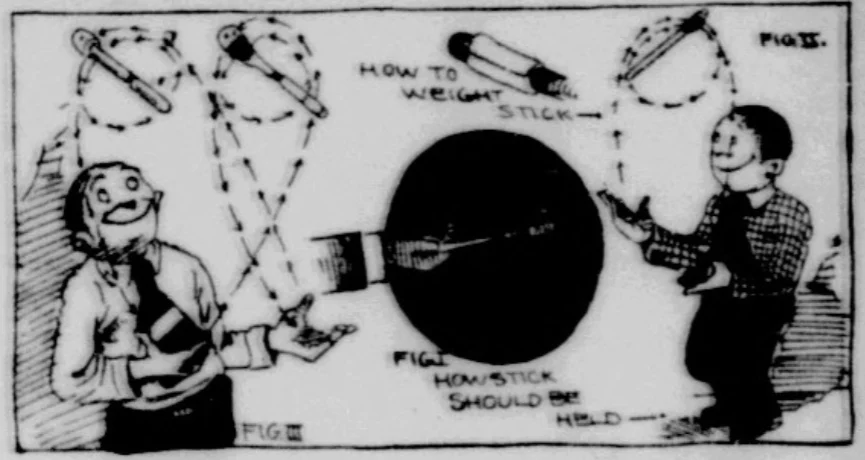
The term club, as applied to the apparatus used in juggling, finds its origins in the Victorian-era practice of "club swinging." This athletic exercise involved swinging weighted, bottle-shaped wooden implements to improve upper body strength, mobility, and coordination. By the late 19th century, the physical discipline had evolved into a performance art. Practitioners began integrating tosses into their routines, transforming static exercises into dynamic displays of dexterity.
A pivotal moment in this evolution occurred around 1877, when performer James Dewitt Cook revolutionized the discipline by introducing a third club to his routine. This feat shifted the practice from rhythmic swinging to formal toss juggling. The innovation was rapidly adopted by contemporary performers, leading to a surge in popularity for the craft. As the demand for specialized equipment grew, innovators such as Edward Van Wyck began manufacturing hollow versions of these heavy wooden implements. These lighter, hollowed-out designs were specifically engineered for the rigors of flight and catch, effectively birthing the modern juggling club. In contrast, the term "pin" is inherently tied to the sport of ten-pin bowling, where the object is to knock over stationary targets, not to manipulate the object in mid-air through complex patterns.

Chronology of Terminology
- Pre-1870s: The rise of club swinging as a competitive and aesthetic physical exercise, focused on shoulder mobility and stamina.
- 1877: James Dewitt Cook introduces the three-club toss, marking the transition from swinging to juggling.
- Late 19th/Early 20th Century: The industrialization of prop manufacturing; designers like Edward Van Wyck refine the shape and weight distribution of clubs for better aerodynamic flight.
- 1950s–Present: As juggling gains global popularity, the "club vs. pin" nomenclature issue becomes a recurring subject of debate in community forums and instructional materials.
- July 2026: A renewed, high-engagement discussion on social media highlights the persistence of the debate, fueled by decades of memes and community-led pedagogical efforts.
The Cultural Divide: Gatekeeping vs. Integration
The discourse surrounding this terminology is largely split into two schools of thought. The first, which prioritizes the preservation of historical and professional standards, argues that the distinction is essential to the identity of the craft. Proponents of this view believe that by correcting beginners, the community reinforces the idea that juggling is a sophisticated art form rather than a mere circus novelty. They argue that accuracy in terminology is a gateway to understanding the history and technical nuance of the equipment, preventing the common public misconception that jugglers are simply using bowling pins.
Conversely, the second camp expresses concern that rigid adherence to terminology serves as a form of gatekeeping. Critics of the "club" mandate argue that correcting a newcomer—particularly one who is merely looking for a recreational hobby—can be intimidating and exclusionary. This perspective suggests that the barrier to entry is already high, and imposing linguistic requirements may dissuade potential enthusiasts from continuing their practice. There is anecdotal evidence within various hobbyist circles suggesting that excessive technical correction can stifle the initial excitement of learning a new skill.

Pedagogical Analysis and Learning Styles
The debate reveals a broader challenge in educational psychology: the tension between structured learning and experiential freedom. Juggling, as a psychomotor skill, attracts a diverse demographic with varying motivations. Some learners, often those with high needs for systematic organization, find that understanding the nomenclature and history of the sport enhances their engagement. For these individuals, learning the correct term is part of a holistic immersion into the culture.
Others approach juggling as a purely kinesthetic endeavor. For these students, the name of the prop is incidental to the physical experience of the toss and catch. Educators in the field have noted that a "one-size-fits-all" approach to teaching often fails to account for these psychological differences. A more balanced pedagogical approach suggests that instructors should assess the individual needs of their students. Providing context and history is beneficial for those who seek it, but allowing space for creative play is equally vital for those who view the skill through a recreational lens.

Broader Implications for the Juggling Community
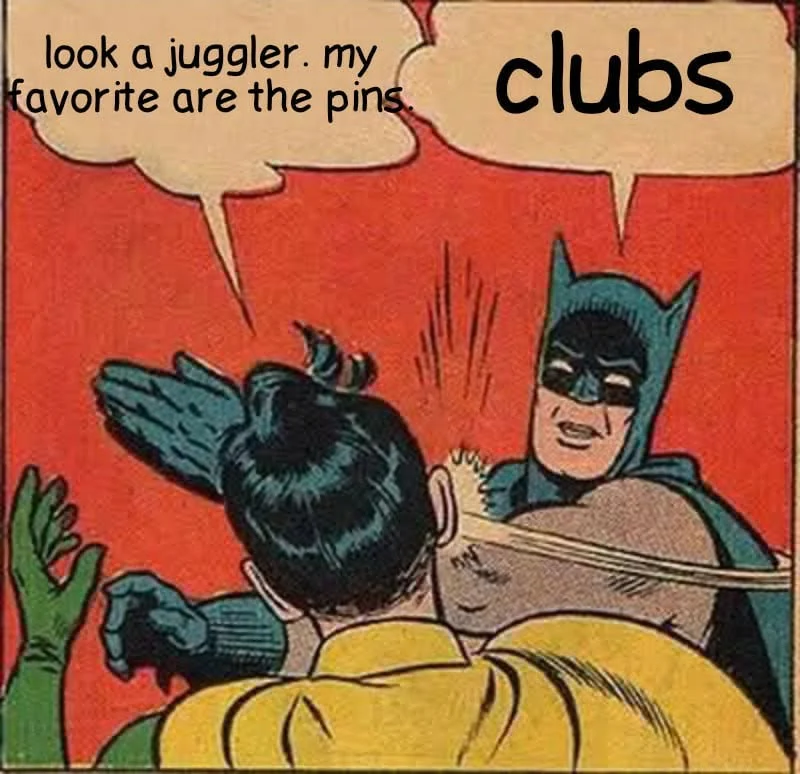
The persistence of this debate has resulted in a proliferation of memes and community-generated media, which serves both as a lighthearted release for the tension and as a method of socializing new members into the community’s shared values. However, the intensity of some online interactions, where individuals have been subject to criticism for using the term "pin," highlights a potential risk to community health.
As the juggling community continues to grow in the digital age, the need for grace and flexibility has never been greater. The objective of most practitioners is to expand the reach of the craft and encourage participation. If the goal is to foster a welcoming environment, the most effective strategy may be to prioritize the shared love of the skill over linguistic rigidity.

Expert Perspectives
David Cain, a renowned professional juggler, curator of the Museum of Juggling History, and a 16-time International Juggling Association (IJA) gold medalist, emphasizes the necessity of a nuanced approach. Drawing from his background as both a historian and an educator, Cain notes that while he personally values the preservation of the term "club" due to its historical accuracy, he recognizes the importance of meeting students where they are.
"If you lean toward wanting beginners to know proper terms, ensure you are not gatekeeping," Cain observes. "If you lean the other way, be aware that some beginners learn best with more information. Neither approach is inherently correct or incorrect; the goal is to foster a community that can flourish through diversity of experience."

Ultimately, the debate over "clubs" versus "pins" serves as a microcosm for the evolution of hobbyist communities in the 21st century. As groups navigate the balance between tradition and accessibility, the focus must remain on the long-term health of the community. Whether one calls it a club or a pin, the act of throwing an object into the air and catching it remains a testament to human coordination—an achievement that transcends linguistic labels. The future of the juggling community will likely depend on its ability to embrace both the rigor of its history and the informality of its future, ensuring that every newcomer feels welcome, regardless of their initial terminology.