
The mid-1970s occupy a unique and revered space in the annals of modern popular music. As the countercultural idealism of the late 1960s yielded to a more complex, introspective, and commercially polished era, songwriters and performers captured a shifting cultural zeitgeist. The year 1975, in particular, served as a high-water mark for the recording industry, delivering a diverse array of tracks that dominated global airwaves and cemented themselves in the collective consciousness of a generation.
Examining this pivotal year reveals how specific compositions by Neil Sedaka, Linda Ronstadt, and Elton John managed to transcend their immediate commercial success to become enduring cultural artifacts. Through distinct lenses—immigration, romantic turmoil, and exuberant civic pride—these three tracks encapsulate the musical sophistication and emotional resonance that continue to define the mid-1970s sound.
The Sociopolitical Resonance of Neil Sedaka’s The Immigrant
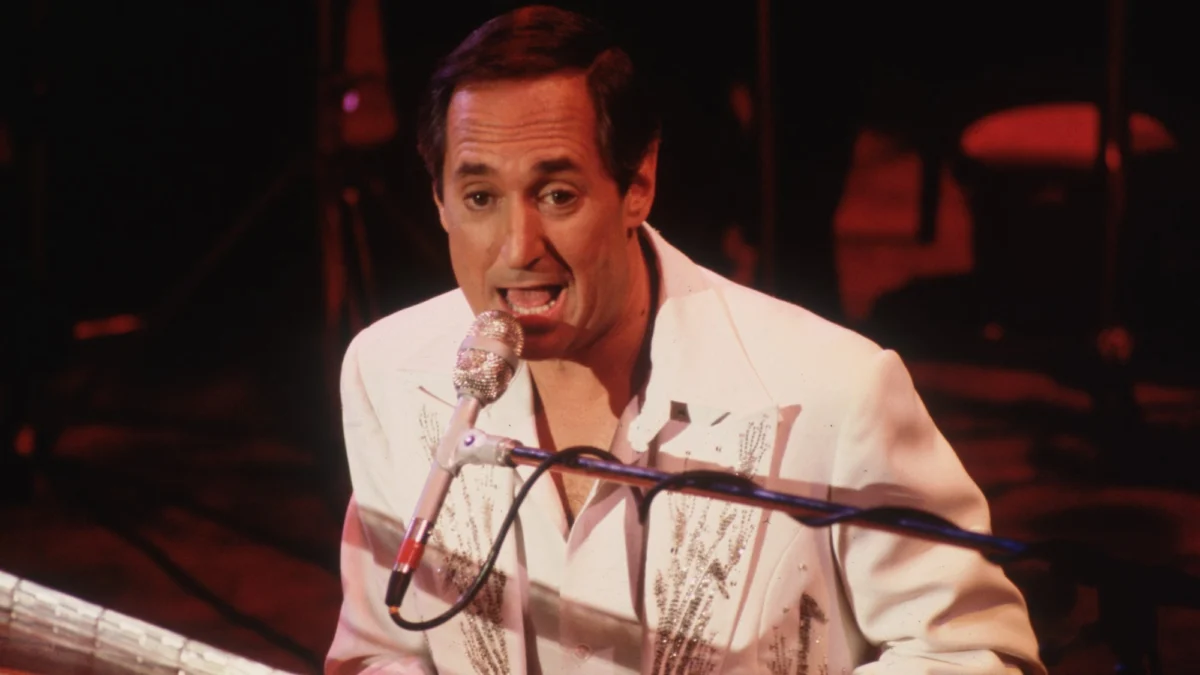
Released as the lead single from his 1975 album Sedaka’s Back, Neil Sedaka’s “The Immigrant” stands as one of the singer-songwriter’s most poignant and socially reflective compositions. Co-written with Phil Cody, the track arrived at a time when Sedaka was experiencing a significant career resurgence, aided by champions like Elton John, who had recently signed Sedaka to his Rocket Records label.
“The Immigrant” addresses the profound struggles, displacement, and quiet resilience of individuals who leave their homelands in search of a better life in America. The lyric captures a wistful longing for a more welcoming era: "There was a time when strangers were welcome here / Music would play they tell me the days were sweet and clear / It was a sweeter tune and there was so much room / That people could come from everywhere."
The track’s historical significance expanded beyond its charting success—peaking in the top 25 of the Billboard Hot 100—when Sedaka dedicated the song to former Beatle John Lennon. At the time of the song’s release, Lennon was embroiled in a notoriously protracted and high-profile battle with the United States Immigration and Naturalization Service (INS) to secure permanent residency in the country.
Lennon himself acknowledged the emotional weight of the tribute. In subsequent interviews, the legendary musician recounted watching Sedaka perform the track on television alongside Yoko Ono, stating, “I thought the song was beautiful. Yoko and I were watching, and we loved it.” By connecting the universal immigrant experience to the personal struggles of one of the UK’s most famous cultural exports, Sedaka elevated a standard pop ballad into a timely commentary on American identity, national borders, and the historical promise of sanctuary.
Linda Ronstadt’s Heat Wave and the Evolution of Crossover Pop
By 1975, Linda Ronstadt was rapidly ascending to the apex of American rock and country-pop royalty. Her album Prisoner in Disguise showcased her remarkable interpretive range, featuring a dynamic cover of “Heat Wave,” a composition originally penned by the legendary Motown songwriting trio Holland-Dozier-Holland (Lamont Dozier, Brian Holland, and Eddie Holland).
Originally released by Martha and the Vandellas in 1963—a version that ascended to the top of the R&B charts—“Heat Wave” was already a canonical piece of American popular music history by the time Ronstadt approached it a dozen years later. The song’s breathless lyricism charts the overwhelming, physical sensations of intense romantic attraction: "It’s like a heat wave / Burning in my heart / Can’t keep from crying / It’s tearing me apart."
Ronstadt’s recording followed on the heels of “When Will I Be Loved,” which stood as her most successful crossover single to date and her first chart-topper on the Billboard Hot Country Songs chart. This strategic positioning within her discography underscored her unique ability to bridge the gap between traditional country twang and mainstream rock radio.
Yet, the track’s internal history carries a fascinating paradox. Despite its commercial traction and enduring popularity among fans, Ronstadt has expressed frank reservations about her own recorded performance, admitting in later years that she often cringes when the track comes on the radio. This self-critique highlights the exacting standards of an artist at the peak of her creative powers. The song’s longevity was further reinforced decades later, in 2010, when British pop icon Phil Collins released his own interpretation, cementing “Heat Wave” as a durable template across multiple generations of pop and soul revivalism.
Elton John’s Philadelphia Freedom and the Triumph of Upbeat Pop-Rock
Few artists defined the mid-1970s commercial landscape quite like Elton John. Collaborating consistently with lyricist Bernie Taupin, John delivered a relentless string of chart-topping albums and singles that set the global standard for theatrical pop-rock. Among these, “Philadelphia Freedom,” released in early 1975, remains one of the artist’s most jubilant and celebrated recordings, though it initially held a complex place in his own catalogue of hits.
Written by John and Taupin, the track was famously composed as a favor for tennis legend Billie Jean King, who was a player-coach for the Philadelphia Freedoms professional tennis team. While Taupin’s lyrics ostensibly capture a sweeping, patriotic devotion to the city of Philadelphia—featuring the memorable refrain, ’Cause I live and breathe this Philadelphia freedom / From the day that I was born, I’ve waved the flag / Philadelphia freedom took me knee-high to a man, yeah / Gave me peace of mind my daddy never had—the song was fundamentally an ode to the vibrant soul music sound of Philadelphia, famously spearheaded by producers Kenny Gamble and Leon Huff.
Musically, “Philadelphia Freedom” stands as a masterclass in mid-decade pop arrangement, propelled by soaring string sections, intricate piano work, and infectious vocal harmonies. The track’s massive commercial appeal carried it to the summit of the Billboard Hot 100, where it reigned as one of the defining singles of the year.
The song’s cultural footprint was further magnified through high-profile live performances. Most notably, John was joined on stage by John Lennon for a historic live rendition of the track—a performance that captured a unique moment of mutual admiration and camaraderie between two titans of 1970s music culture. Though John would occasionally express wry embarrassment over the song’s ubiquity and relentless cheerfulness, its enduring presence on classic rock radio validates its status as a defining monument of the era.
Historical Context and Legacy of the 1975 Musical Landscape
The convergence of these three tracks in 1975 illustrates the multifaceted nature of popular music during a decade marked by economic turbulence, political disillusionment in the wake of the Vietnam War and Watergate, and rapid cultural shifts. While artists like Neil Sedaka used the pop format to explore contemporary anxieties surrounding immigration and belonging, performers like Linda Ronstadt and Elton John demonstrated the immense power of reinterpreting classic R&B idioms and crafting high-gloss, socially resonant pop anthems.
Chronologically, 1975 acted as a bridge between the introspective singer-songwriter boom of the early ’70s and the glossy, production-heavy sounds that would dominate the latter half of the decade, including the burgeoning disco movement and polished arena rock. The charting success of “The Immigrant,” “Heat Wave,” and “Philadelphia Freedom” proved that mainstream audiences hungered for emotional authenticity paired with sophisticated melodic craftsmanship.
From an analytical perspective, the longevity of these recordings offers a clear view into why the mid-1970s remains a benchmark for contemporary songwriters and producers. Unlike disposable chart hits engineered purely for momentary radio play, the compositions of Sedaka, Cody, Holland-Dozier-Holland, John, and Taupin were anchored in classic structural foundations—memorable hooks, narrative depth, and elite musicianship.
Decades after their initial release, these recordings continue to occupy a vital space in cultural retrospectives, streaming playlists, and radio rotations. They serve not merely as nostalgic markers for those who grew up listening to them, but as masterclasses in songcraft that reveal the enduring capacity of popular music to capture the spirit of an era.