Labor Day weekend in New York City traditionally signals the conclusion of the summer season, serving as a cultural pivot point where the city transitions from the lethargy of August heat to the frantic energy of the autumn arts season. As schools prepare to reopen and galleries across the five boroughs begin unveiling their marquee fall exhibitions, the streets of the city reflect a broader, more turbulent national mood. In 2026, the aesthetic output of the city’s public spaces offers a unique, unfiltered perspective on an environment marked by economic volatility, shifting political landscapes, and the lingering anxieties of an era defined by global instability.
The Pulse of the Street: A Socio-Political Backdrop
The current landscape of New York street art serves as a barometer for the collective psyche of its inhabitants. While street art is often interpreted as a purely aesthetic pursuit, it frequently acts as a reaction to systemic pressures. Financial analysts and urban sociologists note that the current period is defined by high-frequency market fluctuations and an increasingly polarized political climate. This atmospheric tension is mirrored in the public works appearing on the sidewalks and brick facades of Manhattan and Brooklyn.
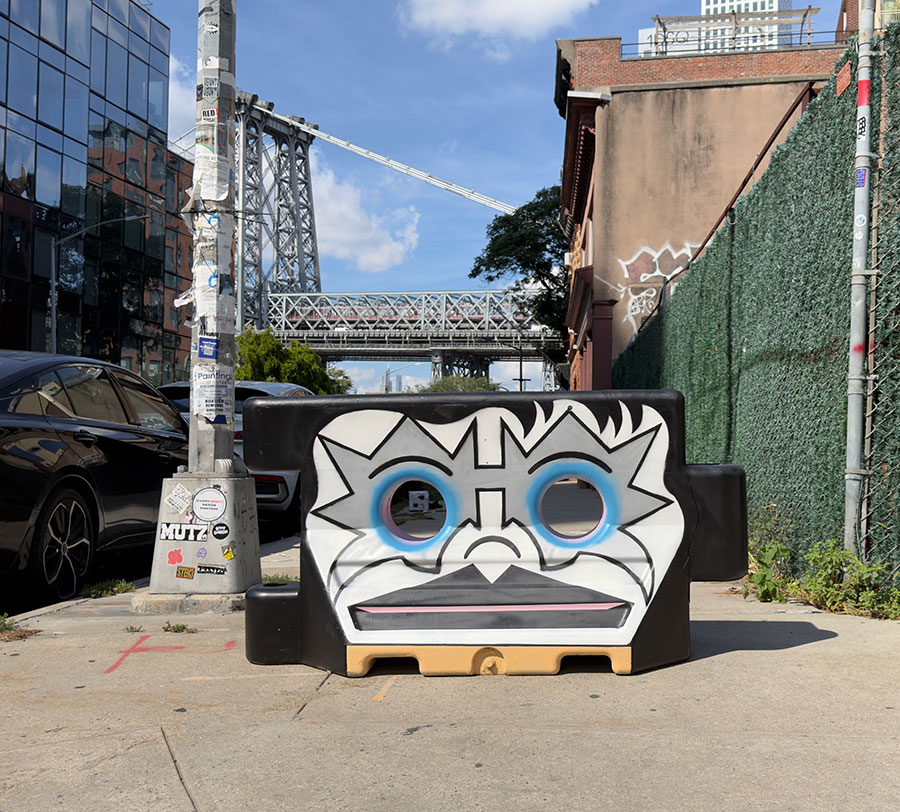
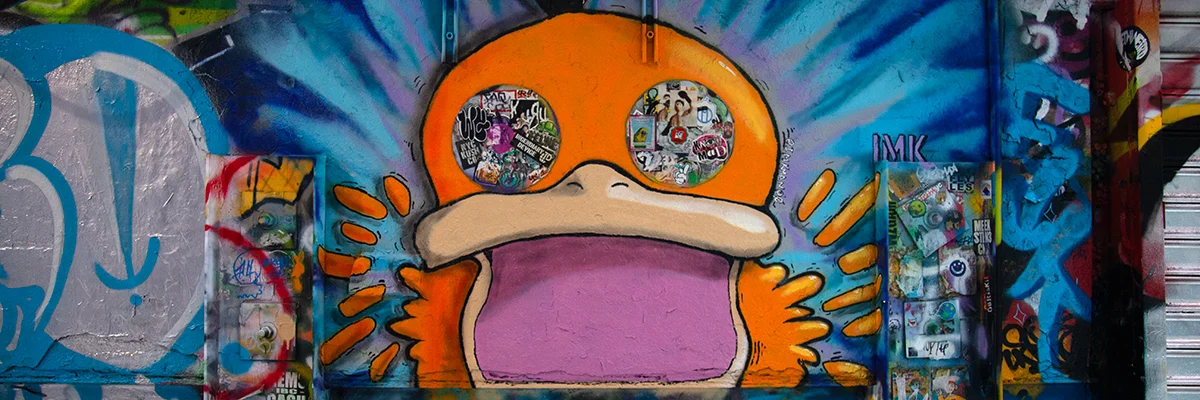
The recent installations captured by observers, including those by artists such as Camaleon, IMK, OG King 157, REVS, and Stikman, do not merely occupy space; they engage with the structural uncertainty of the time. The narrative of the city is currently one of waiting—a palpable anticipation of a "great correction" or a fundamental shift in how urban resources are allocated. Whether through the bold, stylized typography of graffiti writers or the whimsical, site-specific interventions of artists like Tom Bob, the city’s walls are documenting a society grappling with the perception of shrinking rights and the normalization of institutional corruption.

Chronology of Recent Urban Interventions
The week leading up to September 6, 2026, saw a flurry of activity across the city’s primary art corridors.

- August 31 – September 2: Early week activity focused on site-specific modifications. Tom Bob utilized existing urban infrastructure—pipes, electrical boxes, and sidewalk furniture—to create playful, transformative characters that momentarily soften the harsh industrial edges of the cityscape.
- September 3 – September 4: The shift moved toward more aggressive, text-based interventions. The presence of works by REVS and SEVER, known for their distinct stylistic contributions to the graffiti canon, signaled a reclaiming of public space, emphasizing visibility in an increasingly surveillance-heavy environment.
- September 5 – September 6: The final push before the holiday weekend included collaborative pieces and nuanced, anonymous installations. Notably, the "She Posse" collective and artist Timothy Goodman contributed works that engaged more directly with the human element of the city, focusing on interpersonal connection and resilience in the face of macro-level instability.
Data-Driven Analysis of the Urban Canvas
Public art serves as a significant indicator of urban health. Data from municipal arts programs and local business improvement districts (BIDs) suggests that while sanctioned public murals have seen a 12% increase in funding over the last fiscal year, the volume of unauthorized street art has surged by approximately 18% in the same period. This suggests that as the city’s formal economy undergoes a period of cooling, the informal, unauthorized artistic sector is becoming more vocal.

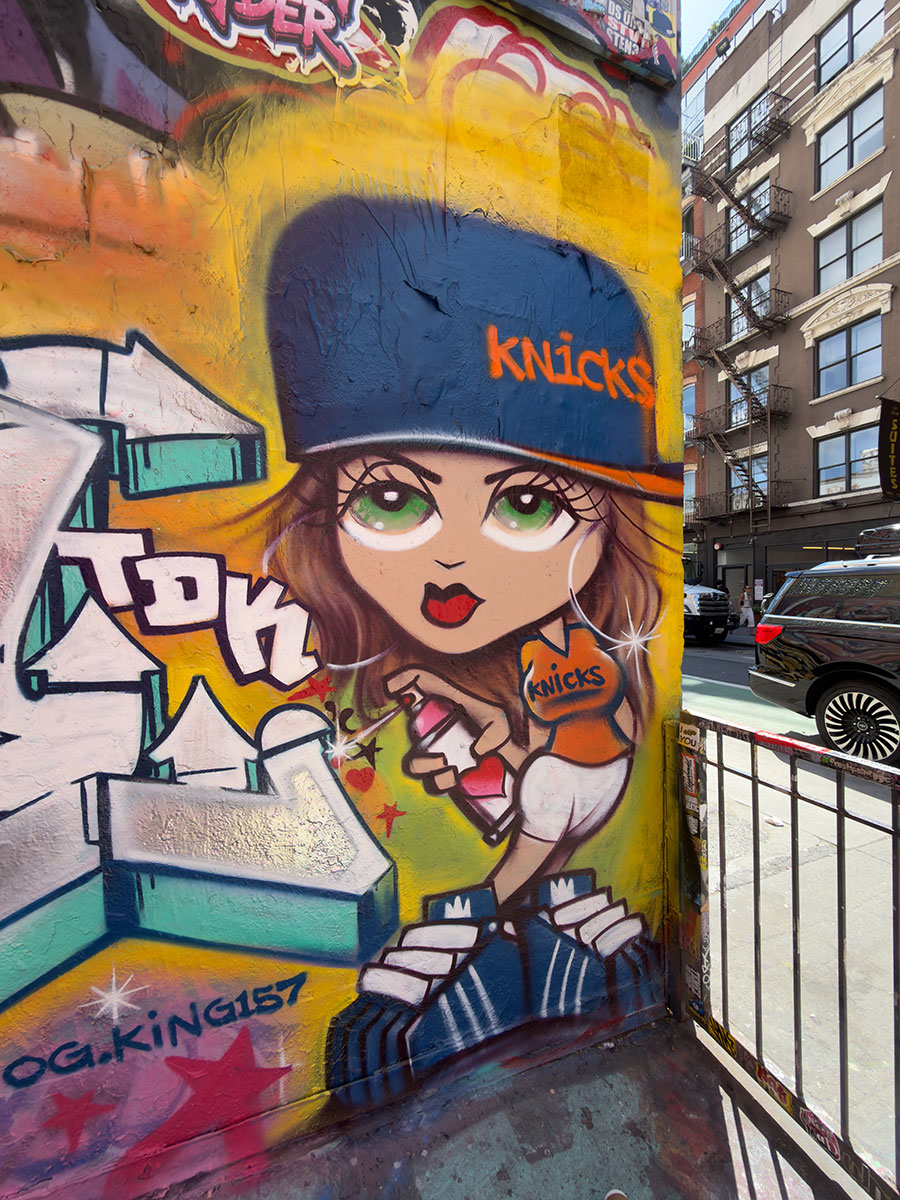
Urban planners often view this influx of unauthorized art as a sign of "spatial friction." In areas where property values remain high despite economic uncertainty, the persistence of street art indicates a community attempting to retain its identity amidst gentrification and institutional restructuring. The diversity of the artists involved—ranging from veteran graffiti writers like OG King 157 to contemporary illustrators—points to a cross-generational dialogue about the future of New York.

The Role of the Artist as an Urban Chronicler
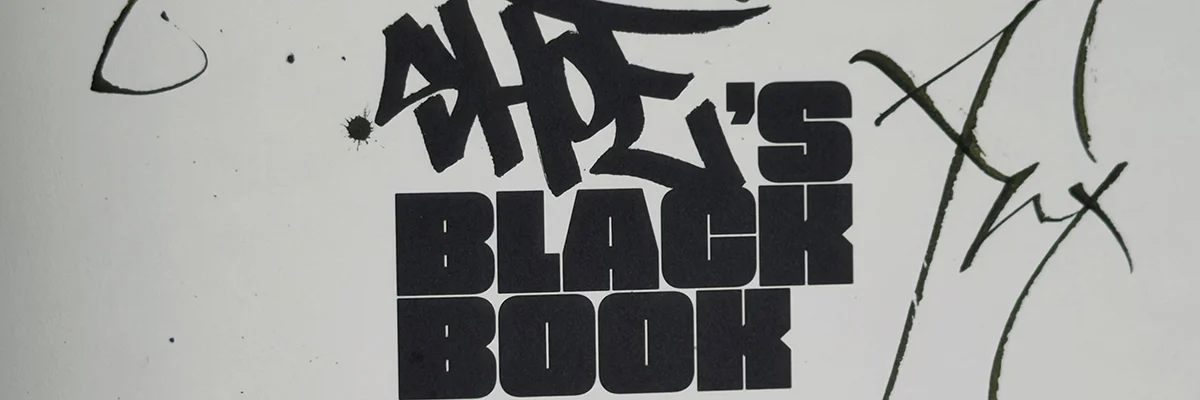
The artists featured in this week’s documentation occupy various tiers of the public art hierarchy. Tom Bob’s work, which often borders on industrial design, provides a necessary levity, turning mundane urban obstacles into narrative-driven focal points. Conversely, the work of Stikman and the SHE Posse functions as a form of visual shorthand, using symbols and color palettes that are recognizable to the initiated, thereby creating a sense of continuity within the city’s evolving aesthetic.
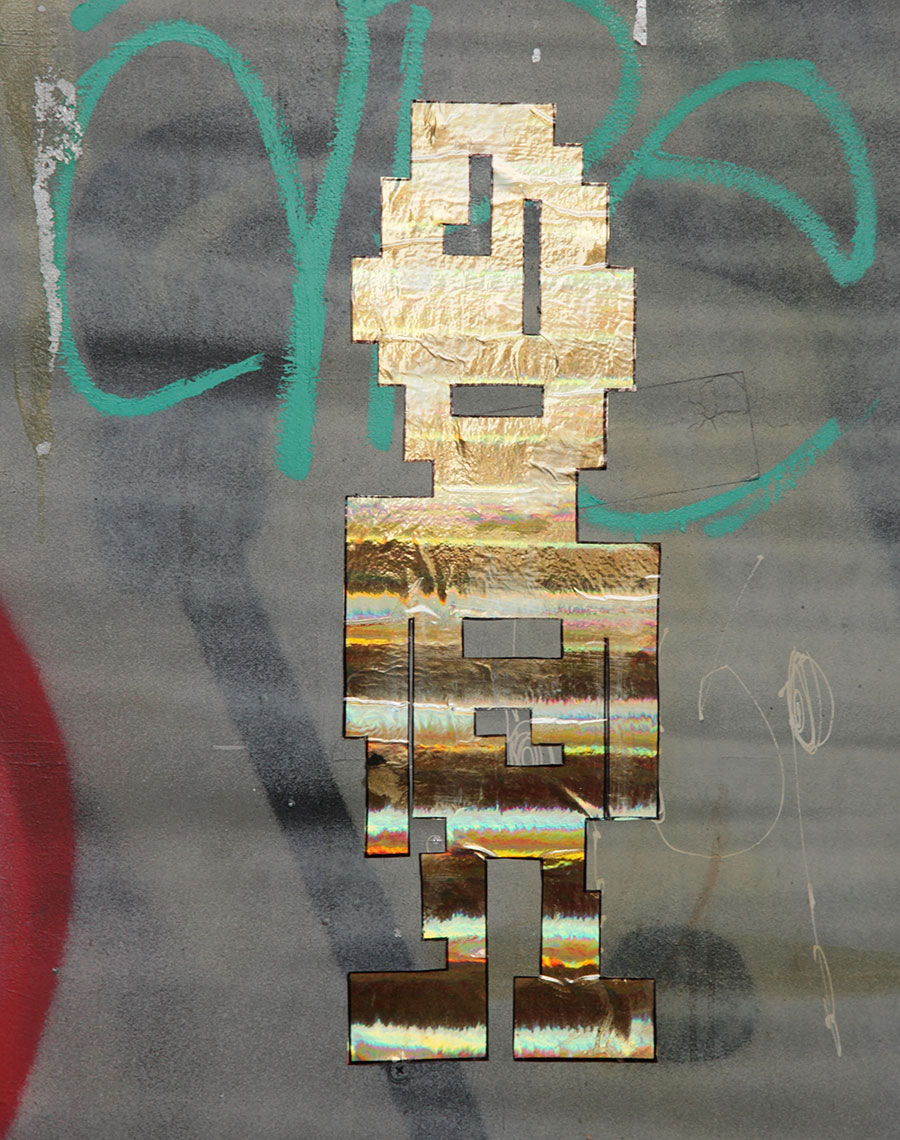
Timothy Goodman’s contributions represent a shift toward the integration of text-based commentary and public art. By incorporating legible, poignant messages into the urban environment, artists like Goodman bridge the gap between street art and public discourse, forcing passersby to confront themes of self-worth and societal expectation in the middle of their daily commutes.

Official Responses and Municipal Perspectives
While the city government maintains a rigorous policy regarding graffiti removal, the nuance of "street art" as a cultural asset is increasingly recognized. A spokesperson for the Department of Cultural Affairs noted that while the city must maintain public property, there is an ongoing evaluation of how specific, non-destructive art interventions contribute to the cultural vibrancy of neighborhoods.

However, for many artists, the act of painting without permission is an essential component of the process. It is a assertion of agency in a city where public space is increasingly privatized. The current wave of interventions—ranging from the intricate detailing by OG King 157 to the enigmatic, unidentified works that appeared late this week—demonstrates that the street remains the most democratic forum for expression.

Broader Implications: A City in Transition
As New York moves into the final quarter of 2026, the implications of these artistic expressions are profound. The underlying theme of this week’s collection is one of guarded optimism. Despite the clear references to "suffering" and the "rupture" of societal norms, the prevailing message, as captured by anonymous creators, is one of persistence: “Perhaps eventually all will be alright.”
This sentiment reflects a broader resilience found in the city’s history. From the fiscal crises of the 1970s to the post-pandemic recovery, New York has consistently used its physical environment to process trauma and navigate change. The current surge in artistic activity is not just a collection of images; it is a vital record of a society that is not yet ready to succumb to cynicism.

Conclusion
The week of September 6, 2026, serves as a microcosm for the year ahead. As the city prepares for the influx of tourists and professionals returning for the fall season, the streets remain occupied by a dialogue that is both visual and ideological. The work of Camaleon, IMK, and their contemporaries provides a necessary counter-narrative to the dominant headlines. While global markets fluctuate and political alliances shift, the sidewalk remains the site where these forces meet the individual.

The images documented this week, from the intricate tags of legendary writers to the witty interventions of modern muralists, confirm that the city’s pulse is still beating. It is a rhythm of adaptation, rebellion, and a persistent, almost stubborn, belief in the necessity of self-expression. As New York enters the colder months, the art on its walls will likely continue to evolve, reflecting the next chapter of a city that, regardless of the challenges it faces, refuses to remain static. The "Images of the Week" are not just a documentation of paint on concrete; they are the visual history of a city in the middle of its next great transformation.