In the vast and often undocumented archives of variety entertainment, few names remain as deeply obscured as Raymond Pike and Bobby Winters. To contemporary performers and modern juggling enthusiasts, these monikers are virtually unknown. Yet, throughout the golden age of vaudeville, theater circuits, and early television, the father-and-son duo captivated audiences with a distinct blend of technical precision and physical comedy. Recent archival recoveries led by juggling video researchers have finally brought to light the impressive careers of these performers, offering a window into an era when variety arts dominated North American entertainment stages.
The Main Facts and Historical Context

The narrative of this juggling dynasty spans over half a century, bridging the transition from traditional live theater to the dawn of broadcast television. Raymond Pike, the patriarch, established his career during an era when acrobats, dancers, and specialty acts were the bedrock of American vaudeville. Born in 1893, Pike spent decades perfecting a multifaceted routine that combined physical dexterity with character-driven comedy.
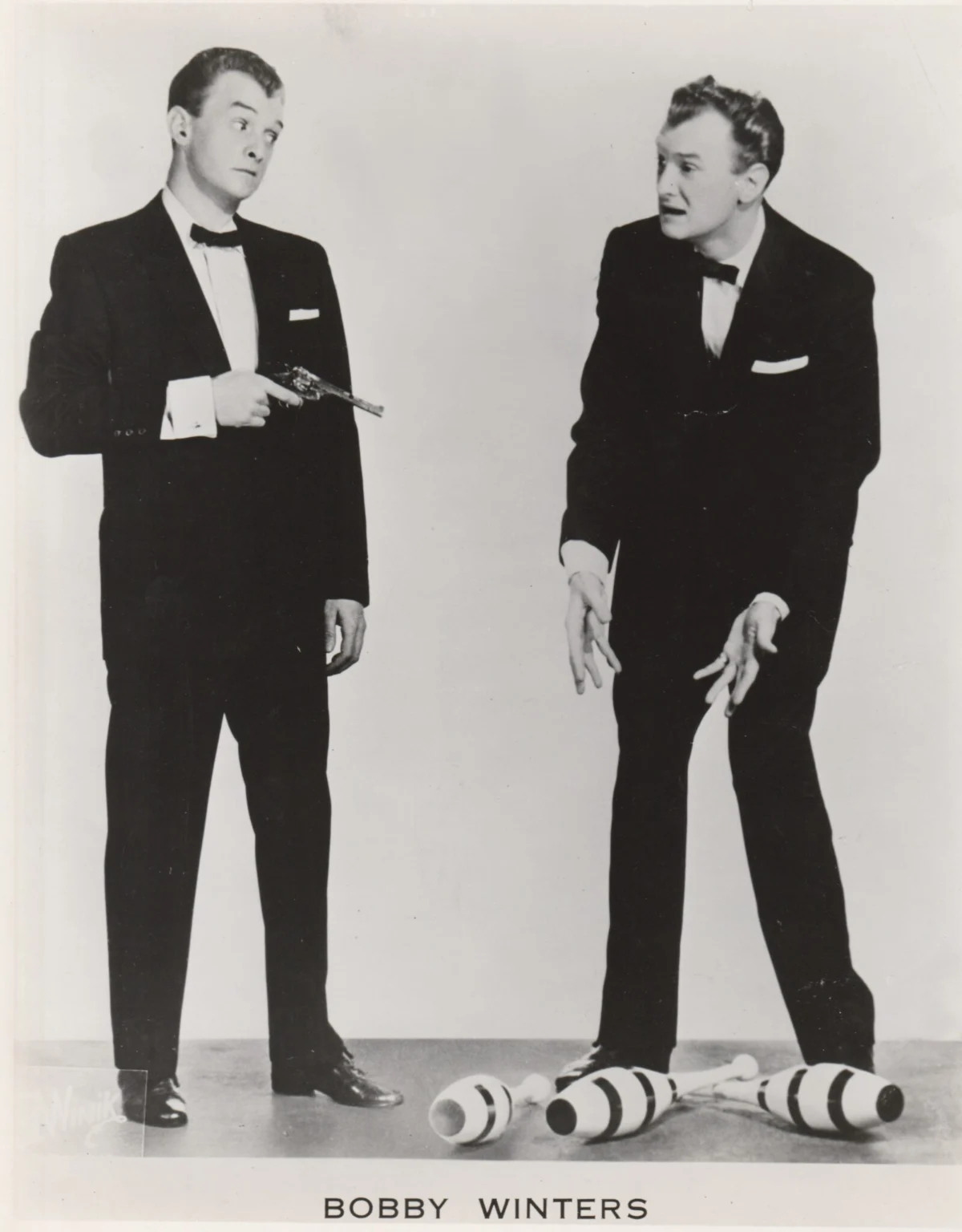
His son, Raymond Pike Jr.—who performed under the professional pseudonym Bobby Winters to avoid direct confusion with his father—carried the family mantle into the post-World War II landscape. Operating from the 1940s through 1970, Winters adapted traditional object manipulation into high-energy comedic routines that relied as much on theatrical timing as they did on technical skill.
While the general public of the twenty-first century rarely encounters their names, historical assessments from peers and historians paint a vivid picture of two artists who mastered the delicate balance between high-level dexterity and slapstick humor.

Chronology of the Pike Family Career
The timeline of the Pike family’s involvement in professional entertainment traces the evolution of the American variety stage through its peak and subsequent transformation:
- 1893: Raymond Pike is born, setting the stage for a career that would span the shifting cultural tides of the early twentieth century.
- Circa 1905–1920: Pike begins his professional life in the entertainment industry as an acrobat, spending his first 16 years building core physical strength and stage presence.
- The 1920s–1940s: Pike transitions into a headline-making juggling, dancing, and acrobatics act. Prominent variety historian Larry Weeks famously documented Pike’s comprehensive 15-minute routine, which featured a tennis racket and two-ball opener, four-hoop manipulation, a clean three-stick sequence, and his signature "drunken juggler" act complete with intricate sight gags and physical business.
- World War II Era: Shortly before the outbreak of the war, Pike serves as the president of the Boston branch of the American Guild of Variety Artists (AGVA). Sensing a deeper calling to support troops abroad, he begins performing extensively for the United Service Organizations (USO).
- 1948: Raymond Pike passes away at the age of 55, leaving behind a legacy of resilience, stagecraft, and professional leadership.
- The 1940s–1950s: Raymond Pike Jr. steps into the professional spotlight. To carve out an independent identity while performing concurrently with his father, he adopts the stage name Bobby Winters.
- Mid-1950s: Winters achieves mainstream visibility through early television variety broadcasts, including appearances on prominent programs like The Buick Circus Hour, cementing his status as a master of comic prop manipulation.
- 1949–1967: The peak working years of Bobby Winters are documented through surviving kinescopes and home film footage captured by fellow performers such as Bobby Jule, showcasing advanced routines with tambourines, clubs, and balls.
- 1970: Winters concludes his active performing career following health setbacks, marking the final chapter of the Pike family’s continuous presence on the professional variety stage.
Detailed Breakdown of Performance Styles and Repertoire

The artistic contributions of both father and son lie not merely in the complexity of their tosses, but in the theatrical framing of their acts. Archival descriptions and surviving video recordings reveal distinct stylistic choices that set them apart from contemporary contemporaries.
Raymond Pike’s repertoire, as recorded by Larry Weeks, showcased a remarkably versatile athlete. Operating primarily in a sports-inspired costume, Pike opened his fifteen-minute performance with a tennis racket and two balls before progressing to four hoops and a precise three-stick sequence. The centerpiece of his act was a five-minute comedic portrayal of a "drunken juggler," a character study filled with nuanced sight gags that demonstrated advanced body awareness honed during his sixteen years as an acrobat. For encores, Pike demonstrated remarkable balance and spinning techniques, including an original barber pole spun on a glass pane.
Bobby Winters adapted this foundational discipline into a style characterized by self-deprecating humor and prop innovation. Described by historians as "purposely clumsy, but brilliant," Winters specialized in routine subversions. Among his most memorable stage bits was the "medals gag," in which he would casually reveal a small lapel medal after executing a routine task, ultimately opening his jacket to display an absurd array of accumulated honors. Another audience favorite involved shouting, "Give me a drum roll!"—prompting a stagehand to physically roll a snare drum across the stage floor from the wings straight to his feet.

Technically, Winters pushed the boundaries of comedic object manipulation. He incorporated tambourines into his juggling sequences, utilizing precise body hits against various parts of his anatomy while keeping the rhythmic beat and the pattern airborne. His repertoire also included intricate bounce juggling with three balls while bending into remarkably low physical postures, as well as classic novelty gags such as the "kidney swing" (a ball attached to a string) and a ball suspended from a parasol via fishing line.
Supporting Data and Archival Recovery
The rediscovery of Raymond Pike and Bobby Winters is a testament to modern digital archiving and the efforts of variety historians. For decades, their contributions existed only in ephemeral formats—yellowed theater programs, AGVA ledgers, promotional photographs, and deteriorating 16mm film reels.

The breakthrough came when juggling video researcher Tom Kellett identified rare moving images of Bobby Winters online. This digital unearthing prompted further investigation by historian and Museum of Juggling History curator David Cain, who connected Winters to his father, Raymond Pike.
The surviving visual record includes promotional stills from the 1920s displaying Pike’s athletic build and theatrical costumes, alongside mid-century television broadcasts and private film footage captured by fellow variety artist Bobby Jule. These digital artifacts provide researchers with verifiable proof of the physical demands and aesthetic standards of early twentieth-century variety performance.
Implications and Broader Impact on Variety History

The documentation of the Pike-Winters lineage offers critical insights into the micro-economies and familial transmission of skills within the entertainment industry prior to the institutionalization of circus and variety schools. In the early and mid-twentieth century, professional acts were frequently passed down through family lines, serving as a vital apprenticeship model where comedic timing, stage presence, and technical mechanics were absorbed through direct mentorship.
Furthermore, the trajectory of both performers highlights the vulnerability of itinerant entertainers. While Raymond Pike maintained a prominent leadership role within AGVA and dedicated his later years to USO morale tours, the later stages of Bobby Winters’ life underscore the precarious nature of performers operating before the establishment of robust safety nets for aging artists. Winters experienced multiple strokes while still active in the profession and eventually lost his sight, signaling a difficult end to a vibrant career. The exact date of his passing remains lost to history, mirroring the ephemeral nature of the medium to which he dedicated his life.
Conclusion

The retrospective examination of Raymond Pike and Bobby Winters transcends mere historical trivia; it restores a vital link in the genealogical chain of American performance art. By bridging the gap between the demanding acrobatics of early vaudeville and the televised variety spectacles of the post-war era, the Pike family demonstrated how technical dexterity, when paired with character-driven comedy, can transcend the boundaries of its time. Through the painstaking recovery of forgotten films and historical documents, the legacy of these two pioneering performers has finally been rescued from obscurity, securing their rightful place in the annals of juggling history.