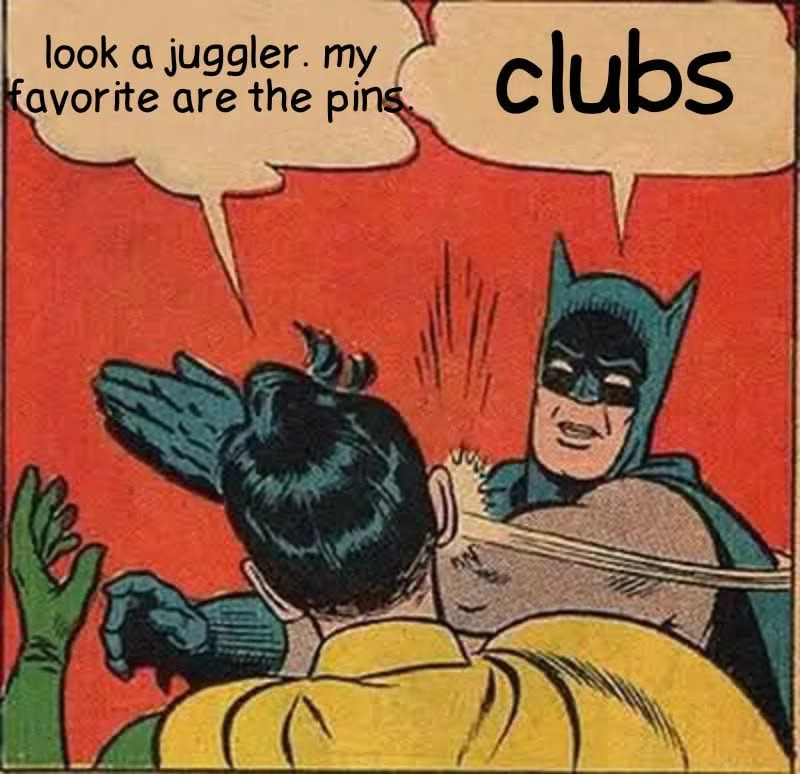
The nomenclature of performance props has long been a subject of rigorous, often spirited debate within the international juggling community. In July 2026, a social media inquiry posted by Luther Bangert within the Juggling Home Facebook group reignited a perennial question: why are juggling props universally referred to as clubs, despite their frequent misidentification by the general public as pins? This linguistic discrepancy is not merely a matter of semantics; it touches upon the history of athletic performance, the evolution of circus arts, and the pedagogical methodologies used to welcome new practitioners into the craft.
The Historical Evolution of the Juggling Club
The distinction between a club and a pin is rooted in the history of physical culture. The term "club" derives from the late 19th-century practice of Indian club swinging—a form of physical exercise that emphasized coordination, strength, and rhythmic movement. During the Victorian era, club swinging was a staple of gymnasiums and athletic clubs, eventually crossing over into the realm of vaudeville and variety entertainment.

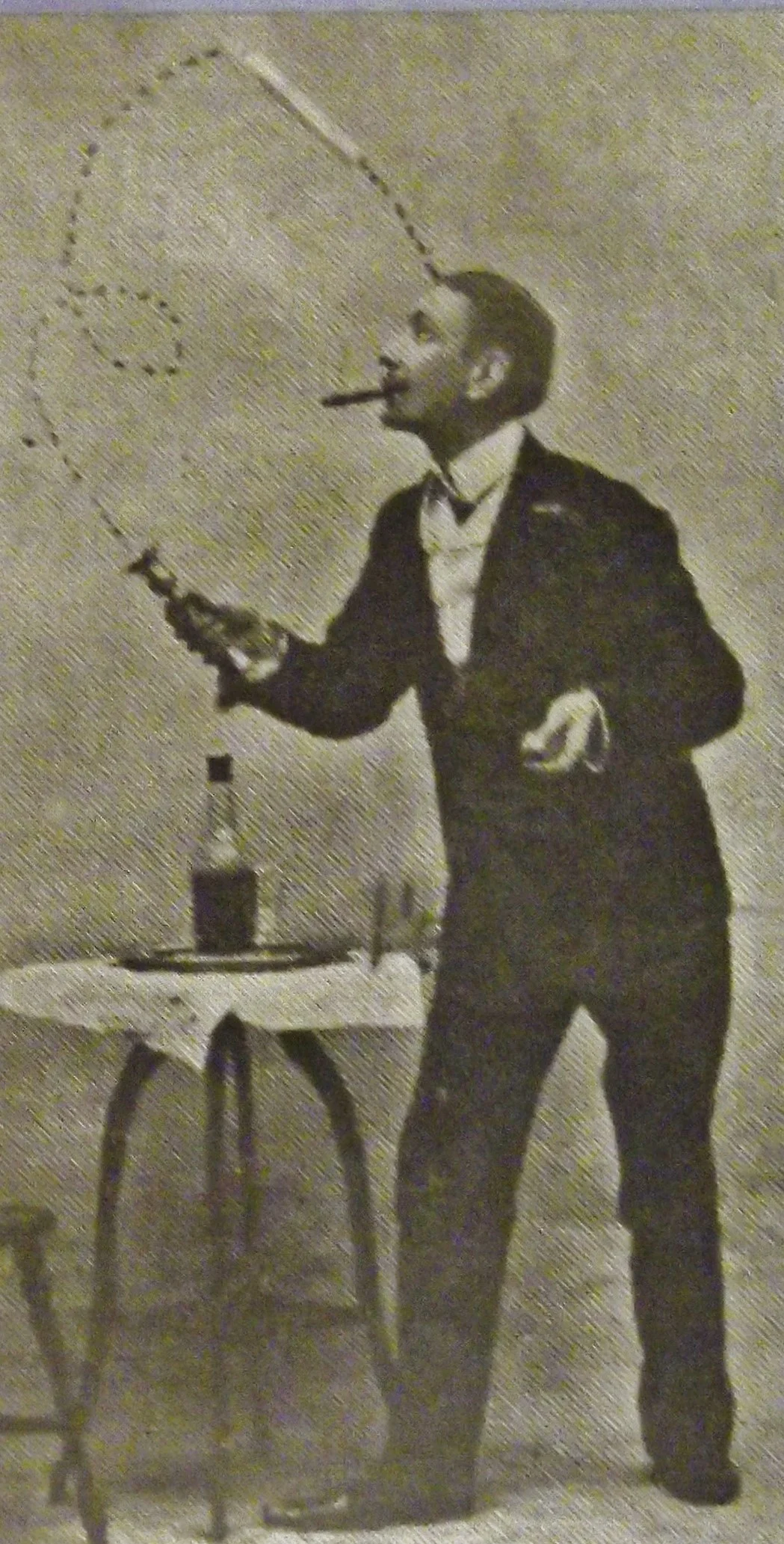
The transition from stationary exercise to dynamic manipulation occurred in the late 1870s. Historical records indicate that James Dewitt Cook, a pivotal figure in the evolution of modern juggling, is credited with the innovation of introducing a third club into a toss-juggling sequence. Before this development, club manipulation was largely a static or swinging-based performance. Cook’s experimentation effectively transformed a tool of physical fitness into an object of aerial artistry. Following this success, inventors such as Edward Van Wyck began designing hollowed-out versions of these wooden implements, specifically engineered for flight and balance. These early prototypes established the physical standard for what would become the modern juggling club, a tool distinct in weight, balance, and center of gravity from the dense, solid-maple pins used in the sport of bowling.
Chronology of the Linguistic Divide
The confusion regarding the term "pin" is largely attributed to the visual similarity between a juggling club and a ten-pin bowling skittle. As bowling gained massive popularity in the 20th century, the "pin" became a ubiquitous cultural icon, leading the layperson to apply the most familiar term to any object sharing a similar silhouette.
The professional juggling community, however, has maintained the "club" terminology as a badge of historical accuracy. The following timeline illustrates the evolution of this discourse:

- 1877: James Dewitt Cook pioneers the integration of three clubs into a toss-juggling routine, setting the standard for the prop’s future development.
- Late 19th–Early 20th Century: The industrial production of specialized juggling clubs by makers like Van Wyck differentiates the prop from gymnastic exercise clubs.
- 1950s–1980s: As juggling clubs become more accessible through specialized manufacturing, the term "club" becomes standardized in technical manuals and juggling societies.
- 2000s–Present: The rise of social media facilitates global communication among hobbyists, leading to the creation of internet memes and online debates aimed at correcting the "pin" misconception.
Data and Cultural Impact
Professional jugglers argue that the distinction is necessary to protect the integrity of the discipline. A bowling pin is designed to be struck and toppled, whereas a juggling club is designed to be caught by the handle and rotated through the air. These opposing functional requirements result in significant differences in materials (polyurethane and wood composites versus solid hardwood) and internal weight distribution.
The persistence of the term "pin" in the public lexicon remains a hurdle for many practitioners. Educational outreach programs, such as those coordinated by the International Jugglers’ Association (IJA), often emphasize the correct terminology during workshops to differentiate the sport from amateur entertainment. However, the prevalence of the misnomer remains high; surveys within informal enthusiast forums suggest that nearly 60% of beginners arrive at their first lesson referring to clubs as pins, necessitating an immediate pedagogical choice for instructors: correct the student or prioritize the flow of the lesson.
Pedagogical Perspectives: The Gatekeeping Conflict
The debate over terminology has effectively split the community into two distinct camps. The first camp advocates for strict adherence to proper terminology. Proponents argue that using the correct name is a vital component of respecting the history and technical rigor of the craft. They contend that if a beginner learns the correct name, they are more likely to treat the activity with the seriousness it deserves, viewing it as a disciplined art form rather than a whimsical circus trick.

The second camp, however, warns against the dangers of "gatekeeping." They argue that correcting a novice—particularly one who is merely curious or testing the waters—can be alienating. This group emphasizes that the barrier to entry for juggling is already high due to the steep learning curve. Adding a layer of linguistic policing, they argue, can create an elitist atmosphere that discourages participation and fosters a sense of insecurity in newcomers.
The Psychological Component of Instruction
Research into instructional design suggests that learning styles are highly individualized. David Cain, a noted juggling historian and educator, suggests that the conflict is often a misunderstanding of intent rather than a failure of logic. For some learners, especially those with neurodivergent traits or a high aptitude for historical context, the acquisition of precise terminology is a rewarding part of the learning process. These students feel more confident when they are "in the know" regarding the origins of their tools.
Conversely, for students who approach juggling as a purely kinesthetic or recreational endeavor, the historical context is secondary to the physical experience of throwing and catching. For these individuals, being corrected by an instructor can feel like a distraction or, in some cases, an unnecessary reprimand.

Broader Implications for the Juggling Community
The discourse surrounding the "club vs. pin" debate serves as a microcosm for the broader challenges facing niche hobbies in the digital age. As community norms are codified online through memes, social media posts, and public debates, the pressure to conform to "community standards" can become intense.
Experts in community management suggest that the most effective way forward is a shift toward situational pedagogy. Rather than enforcing a universal rule, experienced instructors are encouraged to assess the student’s interest level and temperament before offering technical corrections.
The sustainability of the juggling community depends on growth, and growth requires the successful recruitment of new members. If the community is viewed as welcoming and flexible, it is more likely to thrive. Conversely, if the pursuit of historical accuracy becomes a tool for exclusion, the community risks stagnating. The consensus among many professional performers is that while the term "club" is objectively correct, the grace extended to those who use the term "pin" is a mark of a mature, inclusive community.

Conclusion: Finding Balance
The history of the juggling club is a narrative of evolution—from a tool of physical fitness to a specialized piece of performance equipment. While the linguistic battle between "club" and "pin" may seem trivial to the outsider, it reflects a deep-seated desire among practitioners to preserve the dignity of their craft.
As the juggling community continues to evolve in the 21st century, the path forward appears to lie in moderation. By balancing the importance of historical context with the need for a welcoming, low-pressure environment for beginners, practitioners can ensure that the art form continues to flourish. The goal, ultimately, is not to win the debate over a word, but to ensure that the joy of movement and the thrill of the catch remain accessible to all who wish to learn. Whether a student calls it a pin on their first day or a club on their one-thousandth, the focus remains on the mastery of the throw, the rhythm of the performance, and the preservation of a tradition that has spanned nearly 150 years.