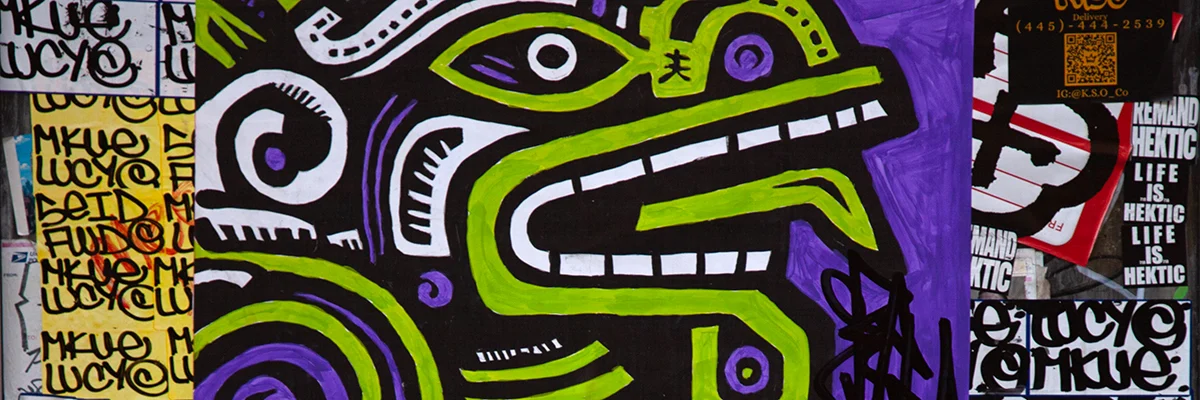
As the late summer atmosphere settles over New York City and the surrounding region, the landscape of public art continues to evolve through a blend of institutional exhibitions and spontaneous street-level interventions. The current week marks a convergence of historical legacy, contemporary political commentary, and the enduring vitality of the graffiti subculture. From the Jersey Shore to the heart of Manhattan and the Bronx, artists are utilizing both legal canvases and urban surfaces to engage with the public.
The Intersection of Legacy and Modernity
A significant development in the regional art scene is the ongoing work of Shepard Fairey, whose influence remains a cornerstone of contemporary urban aesthetics. Currently, Fairey is actively painting in Asbury Park, New Jersey, bringing his distinct visual language to the Jersey Shore. This activity coincides with the highly anticipated exhibition, Shepard Fairey: Filthy Lucre Ain’t Nothing New, opening September 24th at the CART Department.

The exhibition is notable for its centerpiece: the world premiere of a 1937 Packard Touring Sedan, extensively customized with Fairey’s signature iconography. The vehicle serves as a mobile sculpture, integrating portraits of influential figures from the hip-hop and punk movements. This synthesis of automotive history and street-art culture underscores a recurring theme in Fairey’s career—the reclamation of Americana through a counter-cultural lens. The exhibition will be further punctuated by an artist talk featuring Fairey and critic Carlo McCormick, providing a scholarly bridge between the artist’s roots in underground skate culture and his current status as a global visual communicator.

Simultaneously, the Bowery in Manhattan is witnessing a monumental tribute to Jean-Michel Basquiat. New Zealand-based street artist Owen Dippie has begun work on a six-story portrait of the legendary artist. The mural, situated in a district synonymous with the grit and creative explosion of the 1980s, acts as a temporal anchor. By installing a massive likeness of Basquiat in a neighborhood that arguably birthed his career, Dippie’s intervention invites a dialogue regarding the gentrification of the area versus the preservation of its artistic heritage.

The Vanguard of Women in Graffiti
While muralism often captures public attention, the history of graffiti is being re-examined through the exhibition Vandals to Vanguard at Wallworks/BronxArtSpace. This curated show highlights the critical contributions of women who emerged from the New York City graffiti scene during the 1990s and 2000s. Featuring works by JAKEE, QUEEN ANDREA, CLAW, SHIRO1, LEX, MRSBX, and MOKA213, the exhibition seeks to redress the historical imbalance in documentation of the graffiti movement.

Historically, the masculine-coded narrative of the graffiti scene has often sidelined the technical and stylistic contributions of female writers. By bringing these specific artists to the forefront, the exhibition provides a necessary, fact-based account of the evolution of street writing from clandestine "vandalism" to a sophisticated, vanguard aesthetic. This reflects a broader trend in art history: the systematic re-evaluation of street-level creators who, despite operating in the shadows for decades, established the visual foundations for contemporary urban design and graphic art.

The Broader Landscape: A Photographic Survey
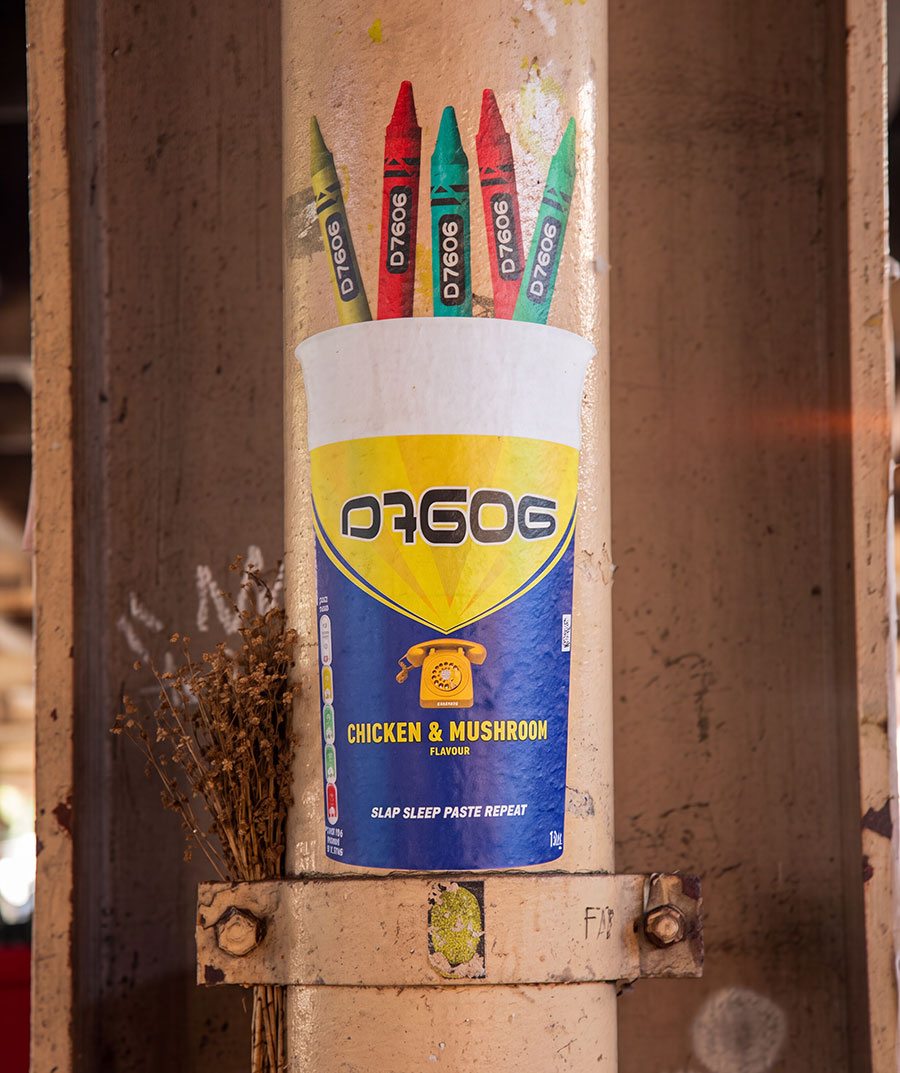
Beyond these headline events, the streets themselves continue to serve as a decentralized gallery. This week’s survey of street-level activity in New York City and Berlin illustrates the global nature of this dialogue. Artists including AH Cru, D7606, Dan Witz, Drecks, Duality Industries, Gats, IMK, the Irak Crew, MKCV Lucy, My Dog Sighs, OXY, Por La Vida, Spockman, Universal Humanity, and Y.E.R.K.E. have contributed to the evolving visual fabric of their respective cities.

The works captured this week vary significantly in medium and intent. Dan Witz, known for his hyper-realistic renderings of crowds and figures, continues to utilize the urban environment to blur the line between reality and representation. Conversely, artists like Gats and the Irak Crew focus on the raw, kinetic energy of traditional graffiti, emphasizing the importance of presence and repetition in the urban space.
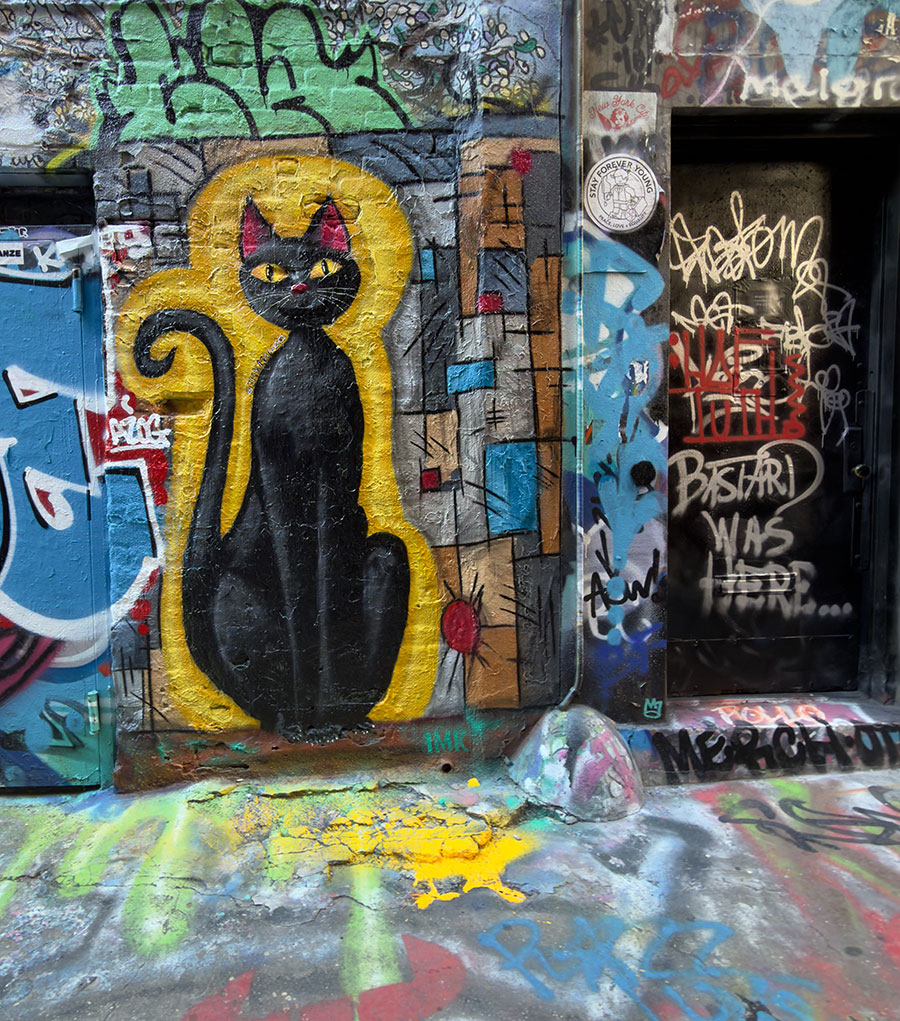
In Berlin, the presence of works by artists like Universal Humanity and OXY underscores the international nature of street art. These pieces, often ephemeral by design, engage with the historical architectural context of the city, utilizing the weathered textures of Berlin’s buildings to provide a backdrop for modern visual statements.

Historical Context and Societal Impact
The recent surge in both gallery-based and outdoor street art is not merely an aesthetic phenomenon; it is deeply rooted in the social history of urban centers. Historically, the transition of street art from the margins to the mainstream has been a subject of intense debate. Scholars often point to the "Wynwood model"—the transformation of derelict industrial zones into high-value real estate through the catalytic presence of murals—as a double-edged sword. While it provides opportunities for artists to work on a grand scale, it also facilitates the displacement of the very communities that provided the creative impetus for the art.

The current exhibition at BronxArtSpace is a direct response to this history. By focusing on the "vanguard" of the 90s and 00s, the curators are reclaiming the narrative from developers and commercial interests, insisting that the value of graffiti lies in the lived experience and cultural identity of the practitioners, not just the market value of the neighborhood.
Furthermore, the involvement of established figures like Shepard Fairey in community-focused, curated projects suggests a maturation of the genre. Where once the act of painting was primarily an act of defiance, it is now frequently viewed as an act of urban stewardship. The use of a 1937 Packard as a canvas, for instance, requires a high level of institutional support and logistical planning, moving the medium away from simple illicit activity toward the realm of fine-art installation.

Chronology of Recent Urban Art Developments
- Mid-September 2026: Preparations for major mural projects in Manhattan and the Jersey Shore reach completion.
- September 11, 2026: Opening of Vandals to Vanguard at BronxArtSpace, initiating a series of discussions regarding the history of women in graffiti.
- September 18, 2026: Charlie Ahearn’s exhibition New Paintings opens at WHAAM!, highlighting the ongoing relevance of the Wild Style director’s creative output.
- September 20, 2026: A wave of new, unauthorized, and semi-legal street art interventions are documented across New York City and Berlin.
- September 24, 2026: Scheduled opening of Shepard Fairey: Filthy Lucre Ain’t Nothing New, featuring an artist talk with Carlo McCormick.
Implications for the Future
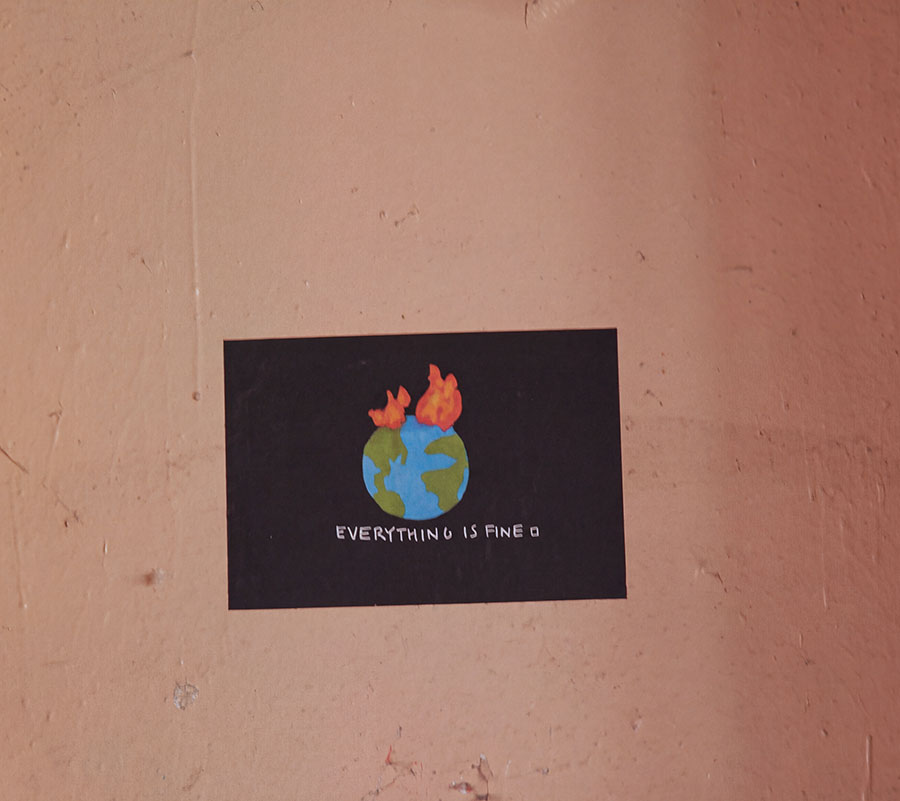
The current state of the street art scene reveals a dichotomy: while the "high art" sector continues to absorb and codify street art through gallery exhibitions and curated mural festivals, the underground continues to thrive on the streets. The persistence of anonymous works, as seen in the latest documentation from NYC subways and Berlin alleyways, suggests that the impetus for public art remains largely independent of commercial validation.

As cities continue to face challenges regarding housing, gentrification, and the preservation of culture, the role of the street artist as an interlocutor becomes increasingly vital. The ongoing work in the Bowery, for example, serves as a permanent, though perhaps eventually temporary, memorial to an era of artistic freedom. Similarly, the work of artists in the Bronx offers a corrective lens through which to view the development of the city.
In conclusion, the intersection of these events—ranging from the high-profile exhibitions of established icons to the quiet, persistent tags and paste-ups on city streets—creates a complex, multifaceted narrative. It is a narrative that resists singular definition, proving that whether on the side of a six-story building in Manhattan or a subway car, the impulse to leave a mark remains one of the most fundamental aspects of the human experience in the urban environment. As these artists move through the final weeks of September, their collective output continues to serve as a mirror to the societal changes, tensions, and creative aspirations of the era.