
The intersection of global travel and remote employment has long presented logistical hurdles for the modern workforce. For years, location-independent professionals faced a recurring dilemma: how to maintain career productivity in environments optimized purely for leisure or short-term tourism. Historically, working from the road necessitated erratic Wi-Fi connections in cramped hostel common areas or unreliable residential rentals where broadband speeds routinely failed to support basic professional tasks. However, the exponential expansion of remote work following the COVID-19 pandemic has catalyzed a structural evolution in global real estate and hospitality, giving rise to specialized hybrid accommodations known as coliving spaces. Among the primary beneficiaries and architects of this shift is Outsite, a global network that merges the infrastructure of a dedicated coworking office with the communal framework of boutique lodging.
Chronology and Evolution of the Coliving Sector
The concept of structured shared living for remote professionals is not entirely new, but its institutionalization has accelerated rapidly over the past decade. Founded in 2015 with a single property in Santa Cruz, California, Outsite was initially conceived as a niche concept for individuals seeking to balance surfing with software development or digital marketing. In its early stages, the enterprise catered to a micro-demographic of adventurous entrepreneurs.
However, the global lockdowns of 2020 and 2021 fundamentally altered corporate attitudes toward remote operations. As millions of desk-bound employees transitioned permanently out of traditional central offices, the demand for reliable, plug-and-play international workspaces skyrocketed. Between 2021 and 2026, the global digital nomad population expanded significantly, prompting companies like Outsite to scale operations. Today, the network encompasses over 50 distinct international properties and serves a community exceeding 5,000 active members. This growth mirrors a broader macroeconomic shift: commercial real estate developers are increasingly pivoting away from rigid, long-term residential leases in favor of flexible, service-integrated housing models designed for transient knowledge workers.
Operational Architecture and Amenities
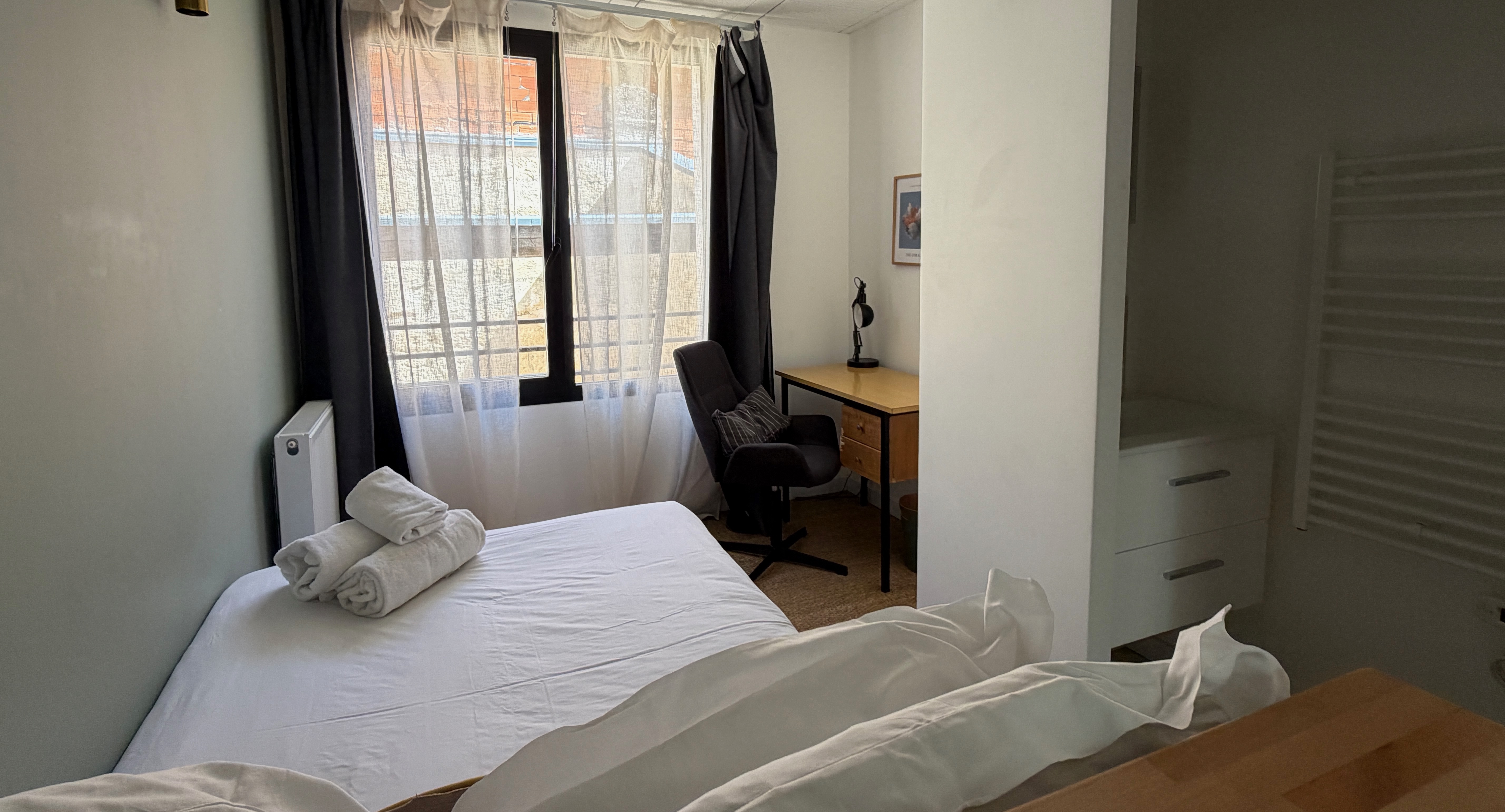
The operational model of contemporary coliving bridges the gap between traditional hospitality and corporate office leasing. Guests typically book private bedrooms—many featuring en-suite facilities, though budget-oriented tiers occasionally incorporate shared bathrooms—while gaining unhindered access to expansive communal infrastructure.
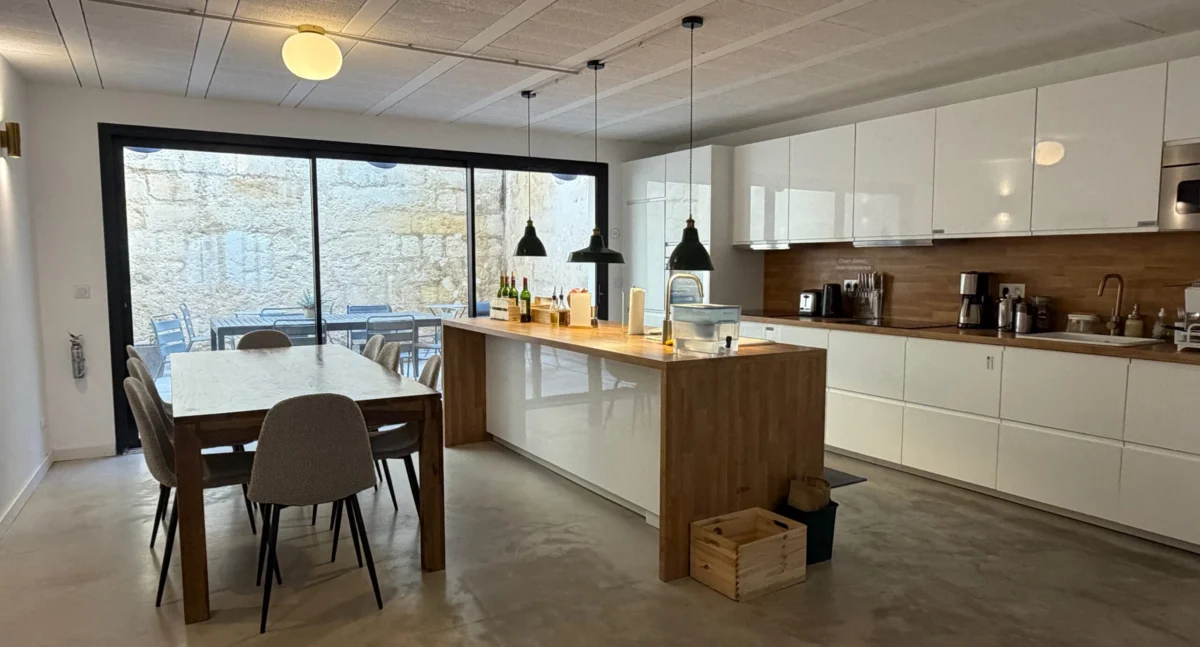
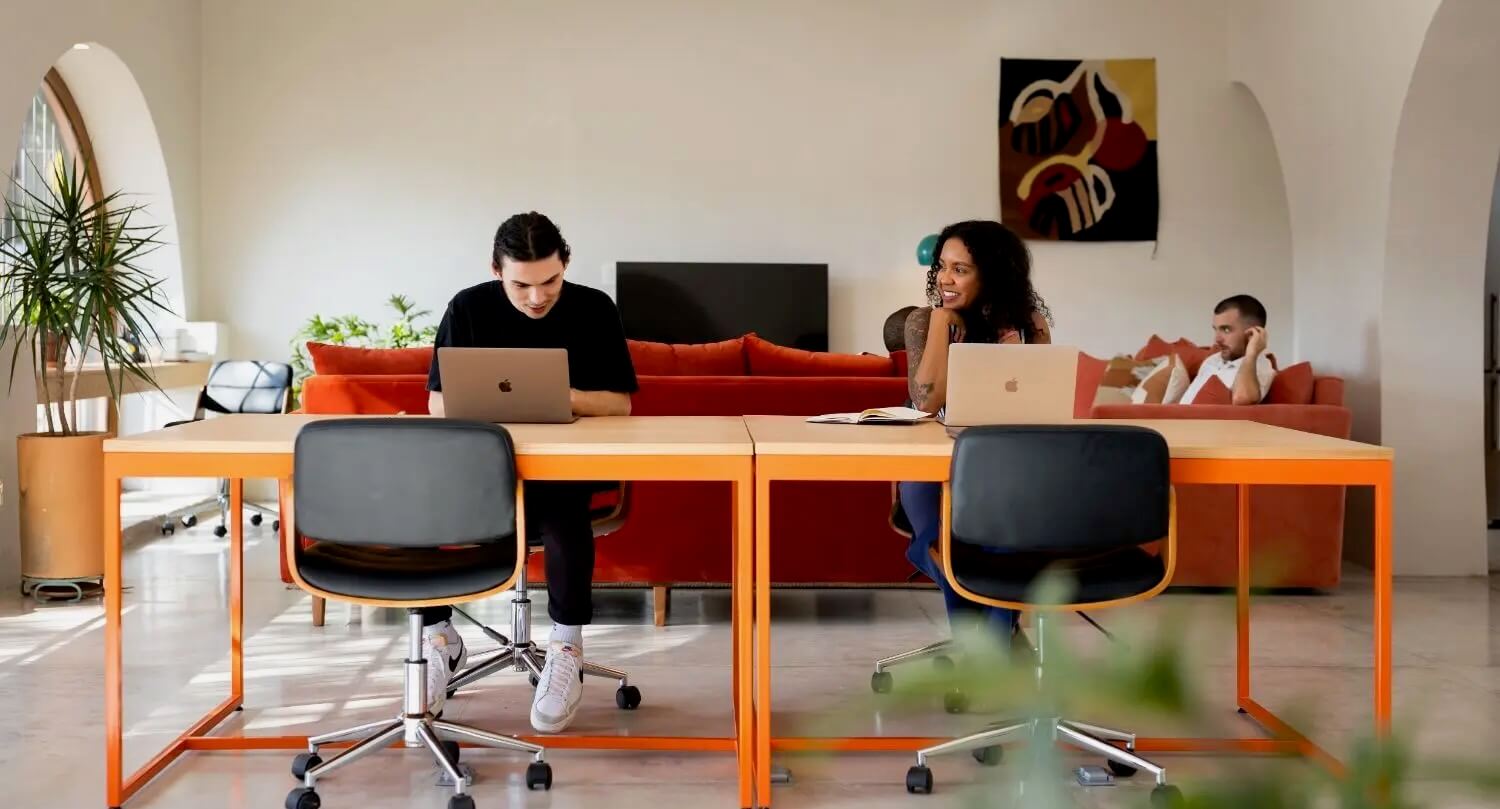
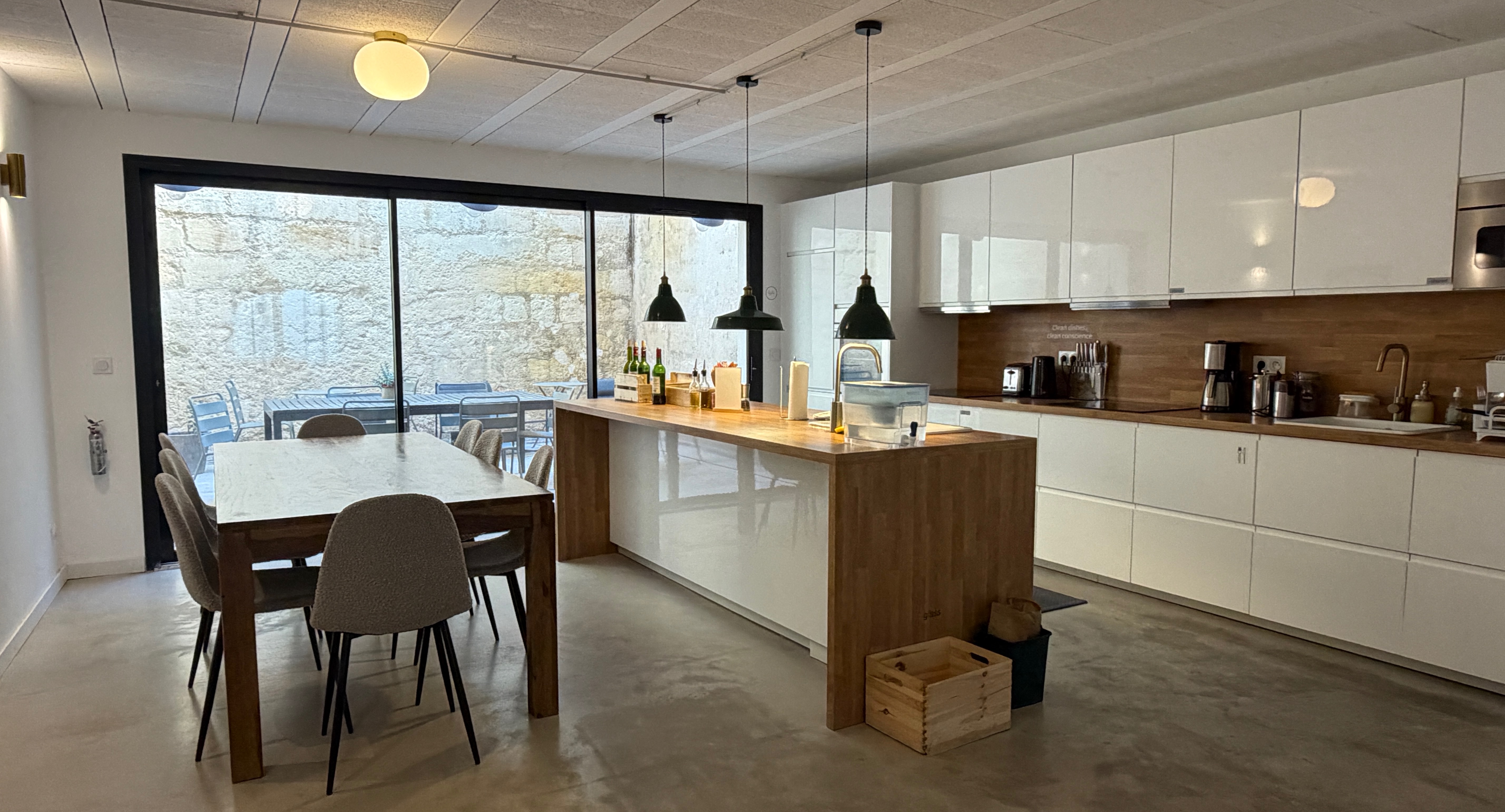
Unlike standard vacation rentals, every Outsite property integrates a dedicated, enterprise-grade workspace directly into the facility. These areas are provisioned with ergonomic seating, external monitors, universal adapters, and high-speed fiber-optic internet connections designed to eliminate latency issues during video conferences or large data transfers. Furthermore, properties feature fully equipped commercial-grade kitchens, communal living rooms, laundry facilities, and wellness amenities such as outdoor patios or rooftop decks.
To combat the inherent isolation frequently reported by remote professionals working across international time zones, properties utilize a curated community management framework. Dedicated on-site community managers facilitate local onboarding, maintain communication channels via messaging applications, and coordinate structured social programming—ranging from weekly family-style dinners and weekend excursions to fitness sessions and regional networking events. This deliberate integration of social infrastructure addresses a core vulnerability of the digital nomad lifestyle: the difficulty of building local social capital while maintaining demanding work schedules.
Economic Implications and Membership Dynamics
The financial framework of the coliving industry reflects its target demographic: mid-career professionals, remote corporate employees, and independent consultants typically aged between 25 and 45. While nightly rates exceed those of traditional backpacker hostels, industry analysts note that coliving often presents a cost-effective alternative when compared against the cumulative expenses of renting a private apartment and purchasing a separate monthly membership at a commercial coworking facility.
Outsite operates on a dual model that accommodates both transient bookings and long-term commitments. While non-members can reserve rooms on a per-stay basis, the platform incentivizes recurring engagement through a tiered membership structure. Options include an annual fee of $199 or a lifetime membership priced at $499. Benefits associated with these tiers include preferential nightly rates, access to exclusive member-only properties, promotional flash sales, and a dedicated internal professional board facilitating remote job postings and sublet exchanges.
Logistical Challenges and Market Limitations
Despite its rapid expansion, the coliving sector faces distinct operational bottlenecks. Demand for premier properties in high-density urban centers or seasonal hotspots—such as Lisbon, Portugal, or various coastal hubs in Latin America and Europe—frequently outstrips supply, requiring travelers to secure reservations months in advance. Consequently, spontaneity remains constrained for those relying on the network’s most sought-after locations.
Additionally, municipal housing regulations in major global metropolises pose regulatory hurdles. Strict short-term rental laws in cities like New York often mandate minimum stay requirements of 30 days, altering the booking dynamics for transient professionals. Furthermore, shared living environments inherently enforce standardized community guidelines, resulting in operational policies such as strict no-pet rules designed to maintain cleanliness and mitigate potential allergen conflicts among rotating cohorts of guests.
Broader Industry Impact and Future Outlook
The maturation of the coliving sector underscores a permanent transformation in how white-collar labor interacts with global geography. As multinational corporations increasingly formalize hybrid and work-from-anywhere policies, infrastructure providers like Outsite are positioned at the forefront of a new commercial asset class. By resolving the technical, social, and logistical frictions traditionally associated with mobile labor, these networks have converted digital nomadism from an isolated lifestyle choice into a viable, sustainable pillar of the modern global economy.