
The final week of September 2026 has proven to be a period of stark atmospheric contrasts in New York City. While the global political stage in Manhattan was defined by the fractious and performative nature of the United Nations General Assembly, the streets and art institutions of the city offered a more tangible, if equally complex, response to the current cultural climate. As delegations grappled with the systemic failures of international diplomacy, the city’s vibrant street art scene continued its role as an unfiltered, non-institutionalized barometer of public sentiment.
Global Diplomacy and Local Tension
The 2026 United Nations General Assembly, which dominated the city’s attention throughout the week, served as a lightning rod for criticism regarding the efficacy of global governance. The proceedings were marked by significant instances of walkouts—most notably a demonstration involving 77 delegations—which served to highlight the growing polarization within the international community. Observers noted that the session struggled to address the underlying tensions regarding resource distribution, the rise of oligarchical influence, and the continued reliance on military intervention as a primary tool of statecraft.
For many New Yorkers, the presence of these global leaders caused massive logistical disruptions, but it also invited a critical examination of the "political theater" unfolding in the heart of the city. The disconnect between the high-minded rhetoric delivered at the UN podium and the lived realities of citizens across the globe has, historically, provided the necessary friction for the growth of independent, grassroots artistic expression.
The Art of Resistance: The 2026 Fall Fair Season
Parallel to the political maneuvering, New York City’s art market hit its autumnal stride, with a constellation of high-profile events reinforcing the city’s position as the global hub for contemporary art. The Printed Matter’s New York Art Book Fair (NYABF) celebrated its 20th anniversary at MoMA PS1 in Long Island City, drawing massive crowds of collectors, artists, and independent publishers.
The longevity of the NYABF is significant; over the last two decades, it has evolved from a niche gathering into a major cultural institution. This year’s edition underscored a departure from the digital-first era, with attendees showing a renewed interest in tangible, printed, and archival media. The fair serves as a critical counterbalance to the polished, exclusionary nature of major commercial art fairs, providing a platform for voices that are often marginalized by the traditional gallery system.
Complementing this, the city’s larger commercial landscape featured The Armory Show, which this year emphasized a strategic shift toward Caribbean perspectives. With approximately 230 galleries participating, the fair offered a broader, more globalized survey of contemporary practice than seen in previous iterations. Meanwhile, the Independent 20th Century fair sought to rectify historical omissions by spotlighting artists who, despite their profound contributions to the medium, have remained under-recognized by the broader art market.
Perhaps most relevant to the ethos of the street, the SPRING/BREAK Art Show continued its tradition of occupying unconventional, site-responsive spaces. Unlike the "white cube" galleries that dominate the Chelsea district, SPRING/BREAK functions with a provisional, curator-led model that mirrors the ethos of graffiti and street art. By operating within spaces that are often slated for renovation or redevelopment, the fair maintains an ephemeral, urgent quality that resonates with the practitioners of the street art movement.
The Weekly Interview with the Streets
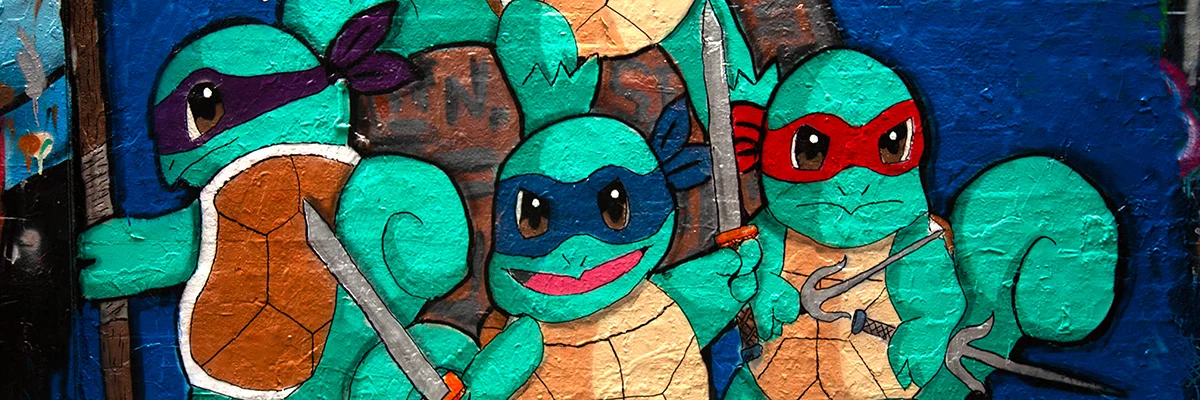
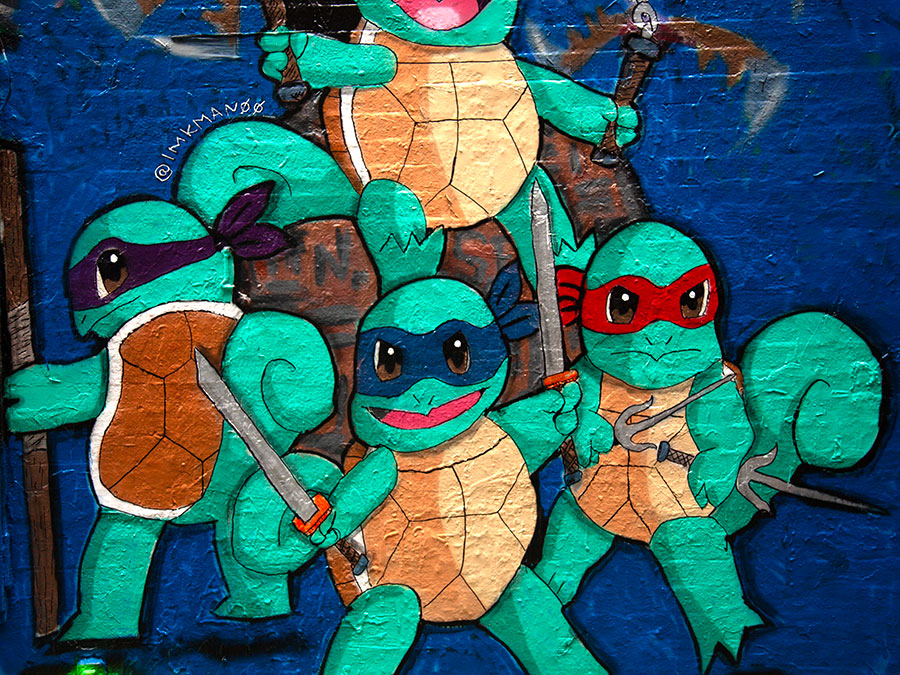
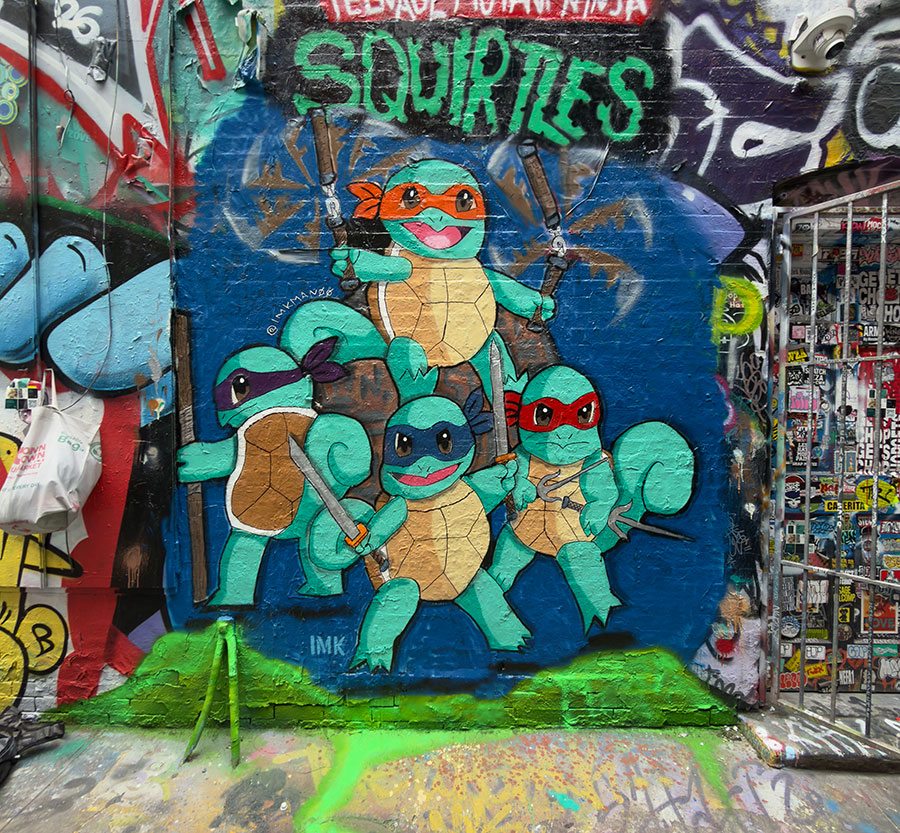
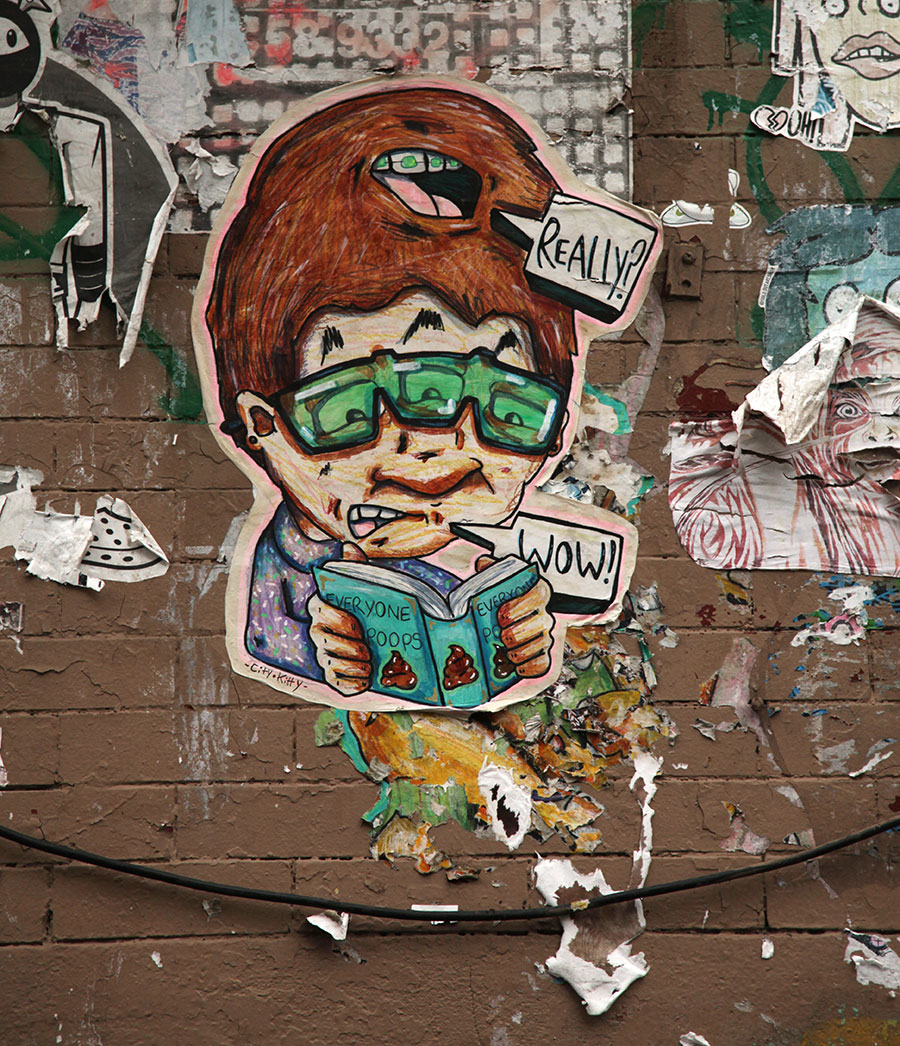
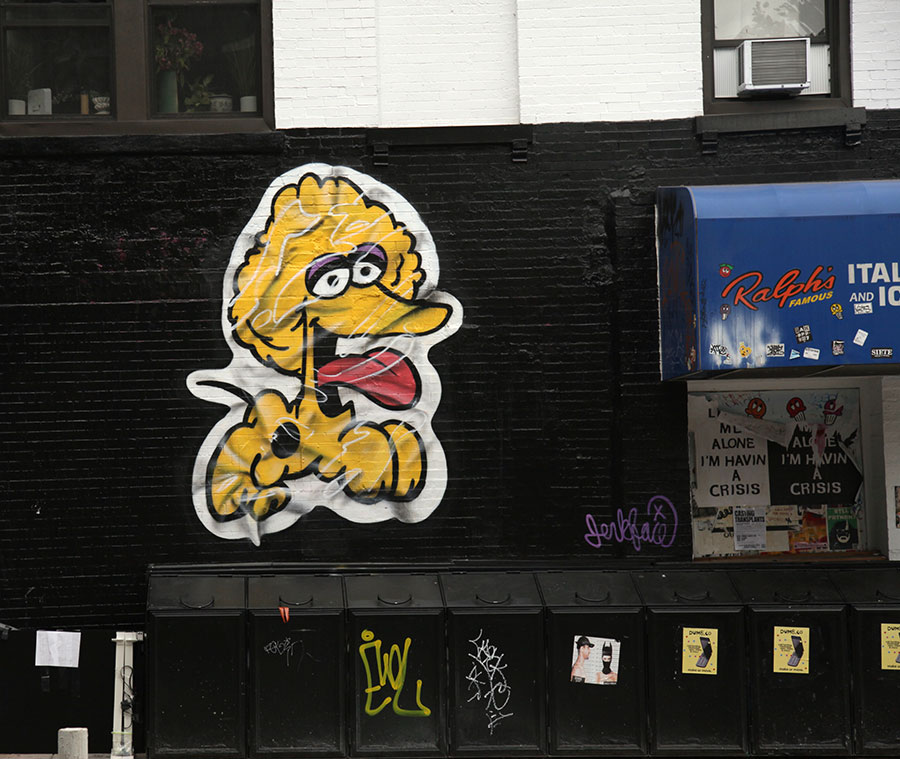
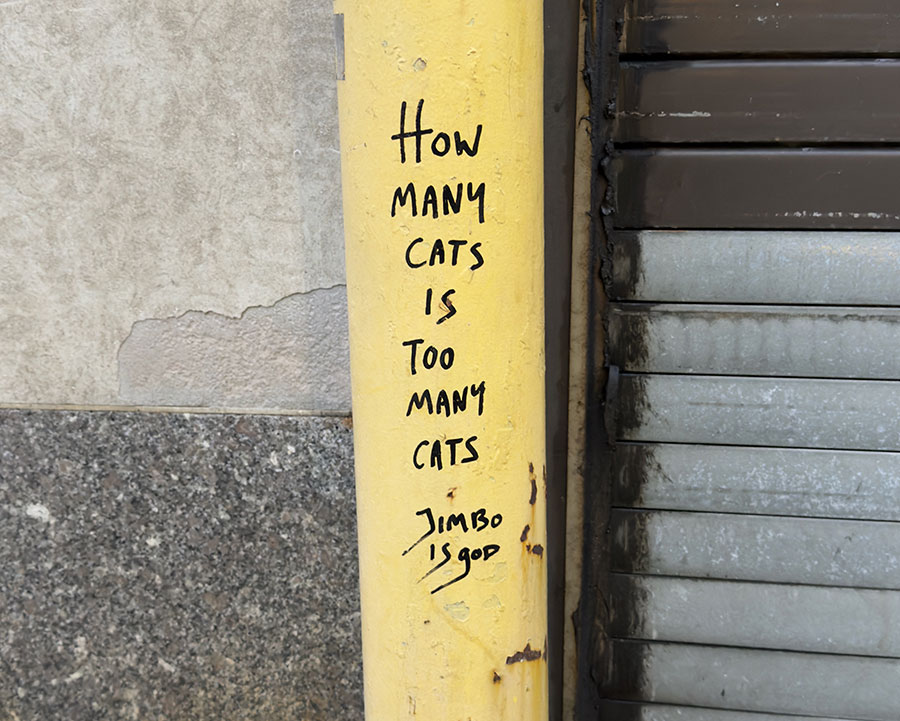
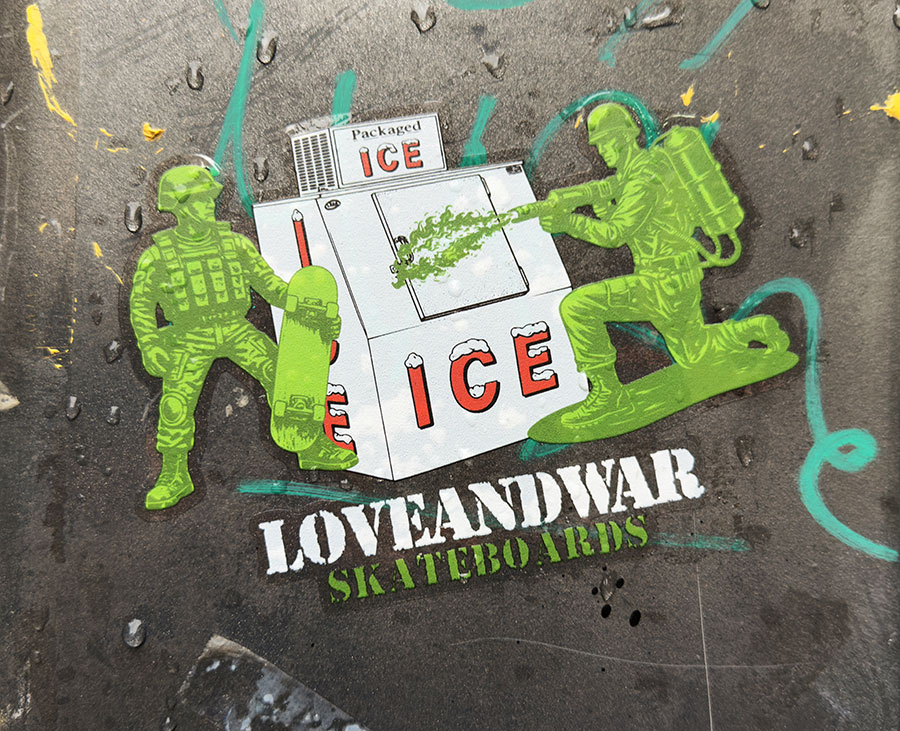
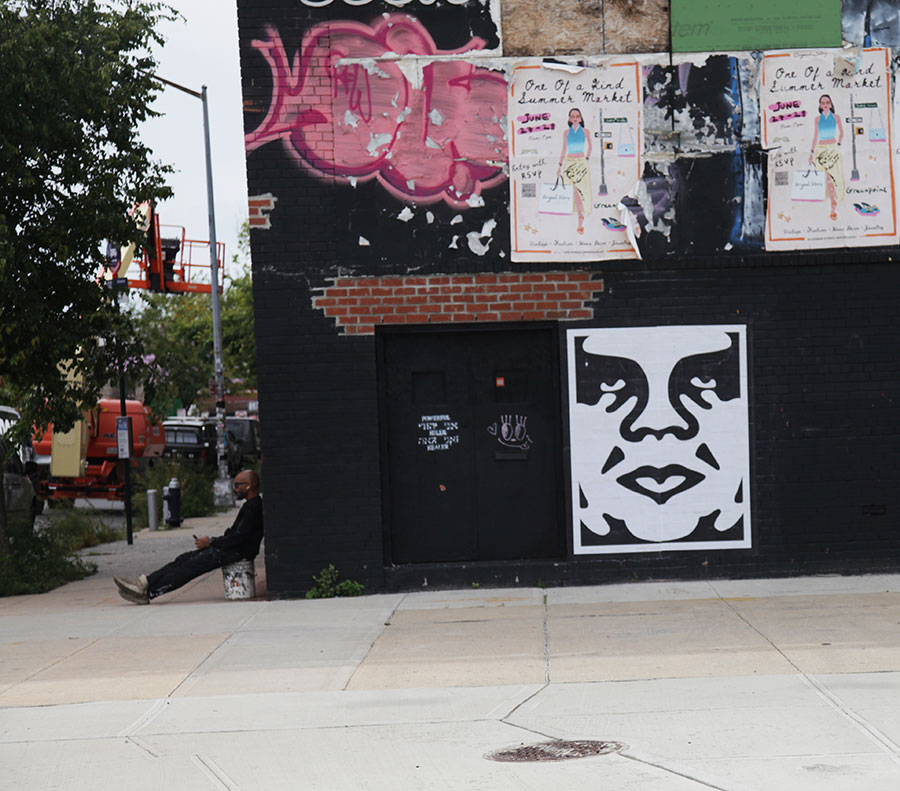
While the institutional art world gathered in climate-controlled halls, the "interview with the streets"—a continuous, organic documentation of urban art—remained as active as ever. This week, the documentation by chroniclers of the scene highlights works by a diverse array of artists, including City Kitty, COEY, Dan Bunn, Egore, Gasy, IMK, Jerkface, Jimbo is God, Jorit, Kuba, Lee Holin, Nimek, Ninja Turtle, Obey, Praxis, Slow, and Toofly.
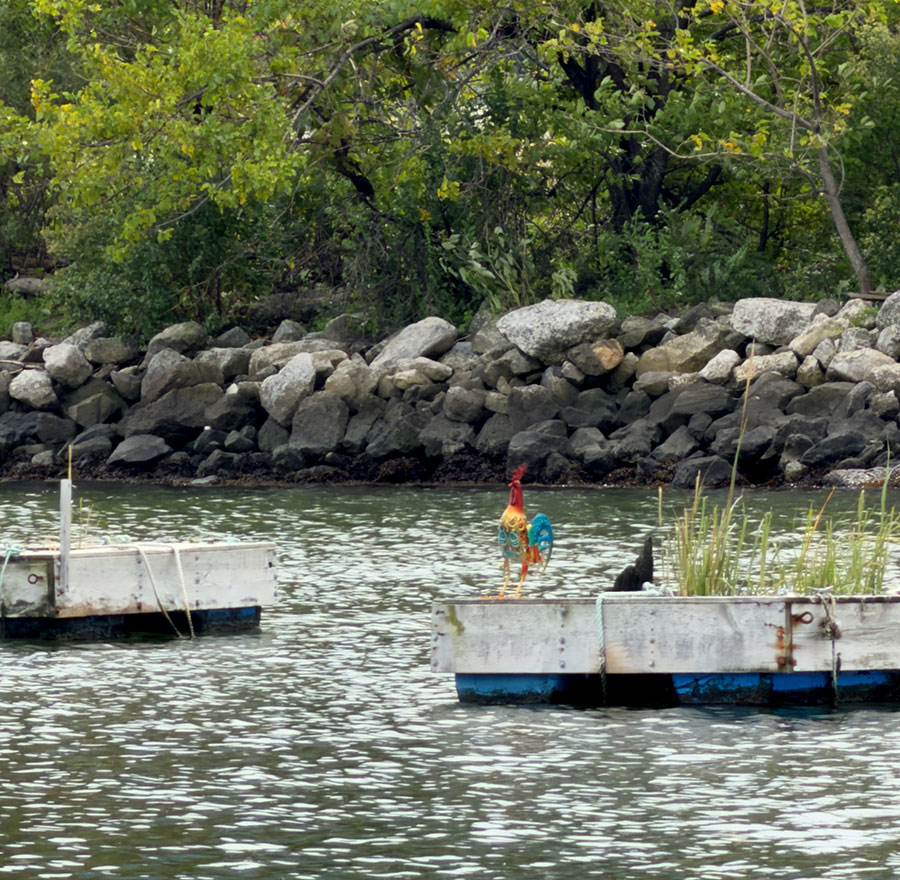
These works, ranging from intricate murals to site-specific wheatpastes and tags, function as an unofficial chronicle of the city. The presence of Obey (Shepard Fairey) remains a fixture, with his iconic graphic language continuing to challenge the status quo, while newer or more localized artists like IMK, City Kitty, and the late-memorialized COEY provide a visual narrative of the city’s changing demographics and social pressures.
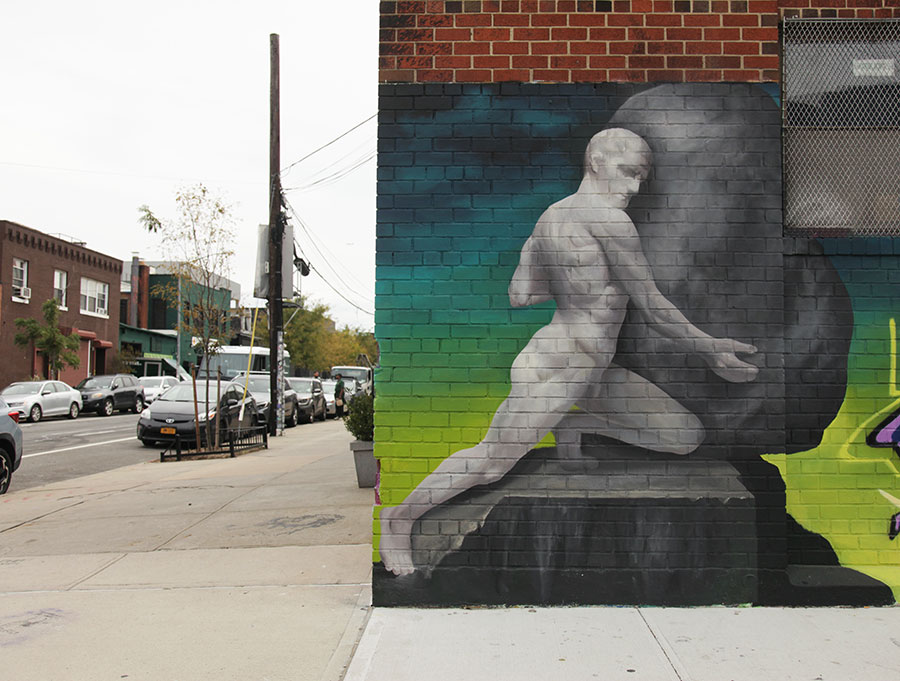
The juxtaposition of these street works against the backdrop of a city hosting world leaders is not lost on observers. Where the UN speeches fail to unify, the chaotic, colorful, and often defiant presence of street art creates a communal visual language that is accessible to all residents, regardless of their political standing.
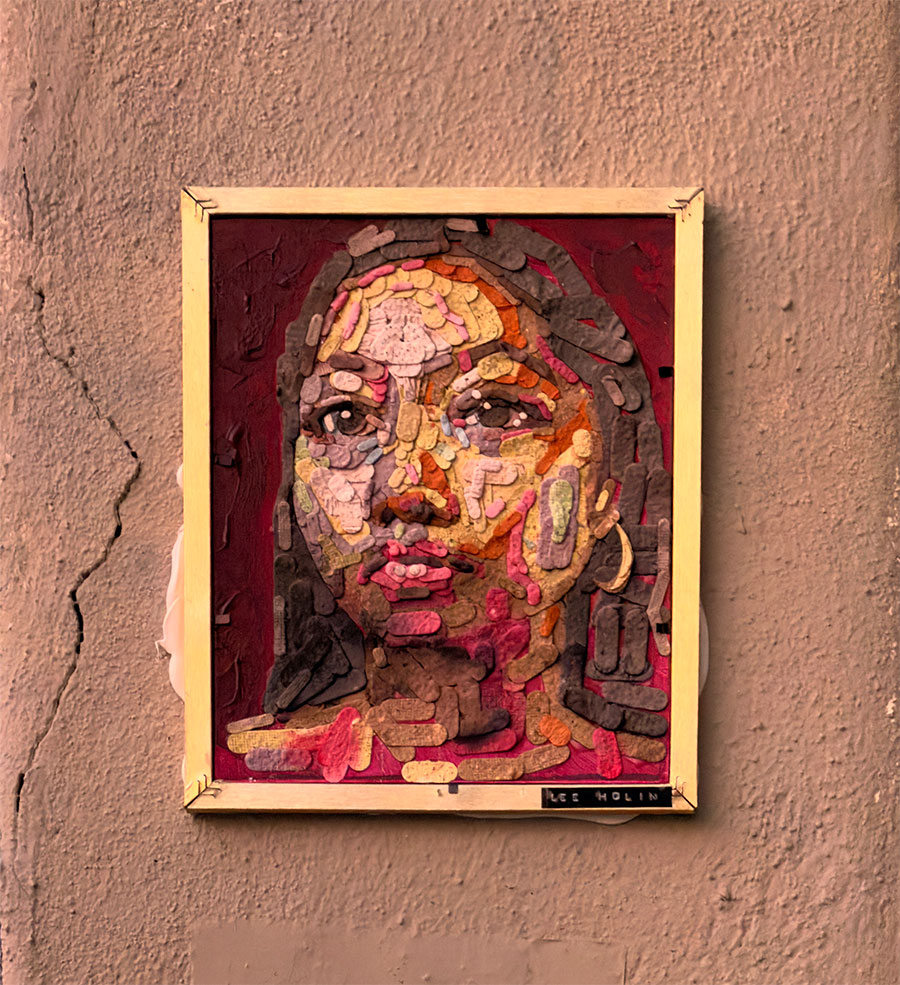
Analysis: Implications of a Changing Urban Landscape
The convergence of the UN General Assembly and the peak art fair season creates a unique sociocultural nexus. The data suggests that as global geopolitical tensions rise, there is a commensurate increase in the appetite for art that is perceived as "authentic" or "independent."
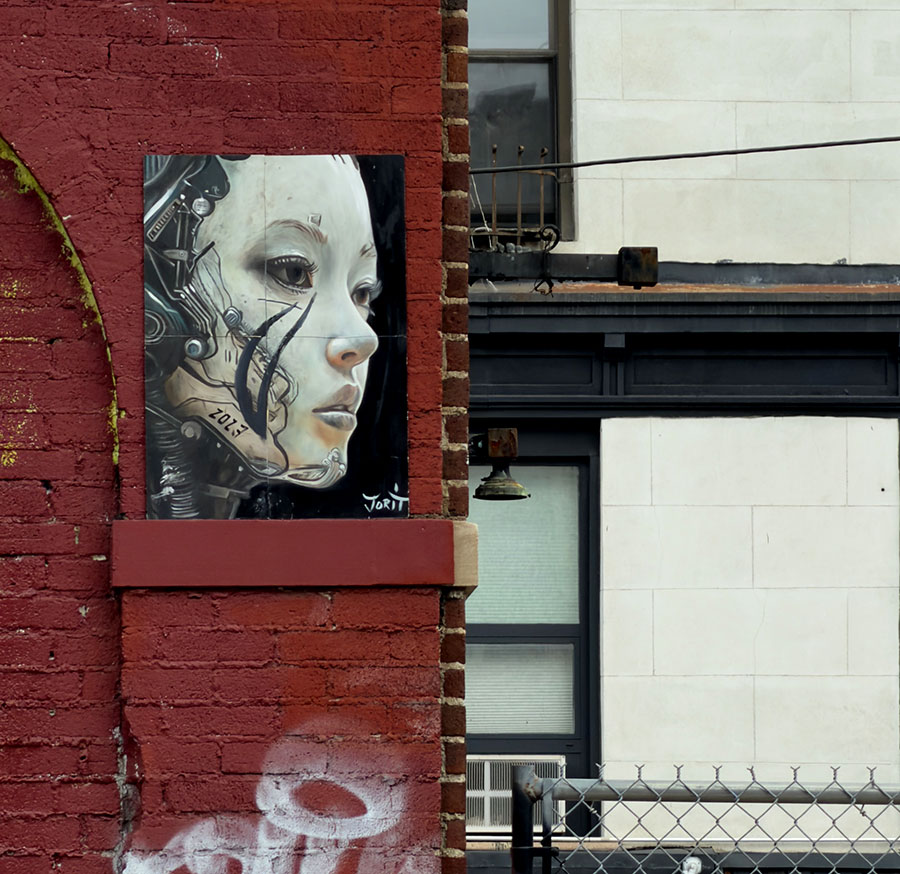
Financial reports from the 2026 gallery season indicate that while high-end secondary market sales have seen a slight plateau, there has been a notable surge in interest in emerging and "under-recognized" categories. This shift reflects a broader market trend where collectors are seeking depth and historical correction over the speculative bubbles that characterized the early 2020s.
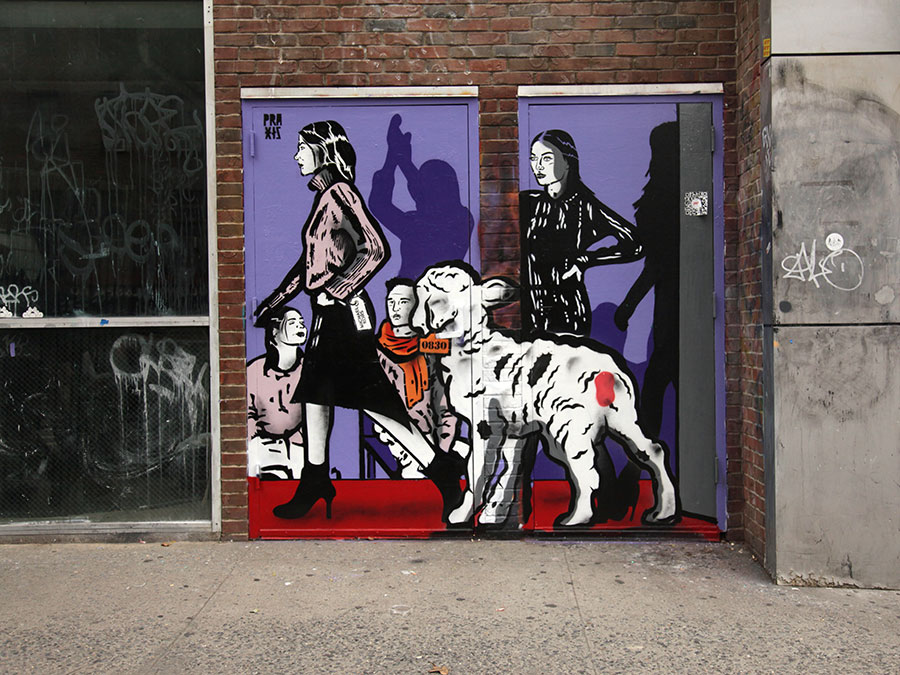
Furthermore, the prominence of street-art-aligned programming—such as the inclusion of graffiti-influenced artists in curated fair spaces—suggests that the distinction between the street and the gallery is continuing to erode. This integration has significant implications for how we define "fine art." When the aesthetic of the street is institutionalized, it loses its provisional, rebellious nature; however, it also secures a degree of longevity and economic viability for artists who have historically existed on the fringe.
Chronology of the Week
- September 21: The United Nations General Assembly officially opens, leading to widespread protests and increased security in Manhattan.
- September 23: Printed Matter’s New York Art Book Fair commences at MoMA PS1, marking its 20th anniversary with a record number of independent exhibitors.
- September 24: The Armory Show and Independent 20th Century begin their public viewings, focusing on international dialogue and historical revisionism, respectively.
- September 25: 77 delegations walk out of a high-level UN session, underscoring the deep ideological rifts between major world powers.
- September 26: SPRING/BREAK Art Show opens, highlighting the role of site-specific curating in challenging the commercialized art world.
- September 27: Documentation of new, spontaneous street art across the five boroughs confirms the continued vitality of the non-institutional art sector, proving that regardless of the geopolitical climate, the city’s creative output remains constant.
The Role of Documentation
The act of documenting these street interventions—as seen in the work of photographers like Jaime Rojo and Steven P. Harrington—is a vital historical practice. By cataloging the work of artists like NIMEK, EGORE, KUBA, GASY, and SLOW, these observers ensure that the fleeting nature of urban art is preserved.
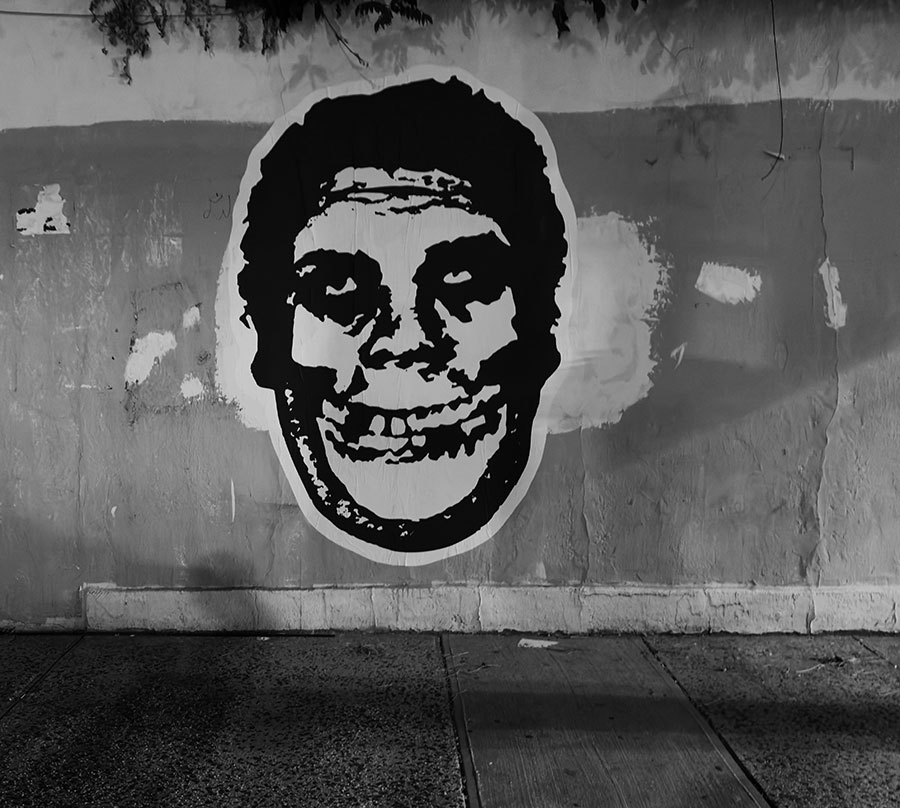
In a week where leaders spoke of peace while the world remained in conflict, these images serve as a grounding force. They are not merely decorations on a wall; they are the marks of a populace that continues to communicate through visual disruption. Whether it is an anonymous artist leaving a piece in an overlooked alleyway or a well-known muralist claiming a large-scale facade, the intent remains consistent: to claim space, to disrupt the visual monotony of the city, and to ensure that the individual voice is not silenced by the deafening roar of global bureaucracy.
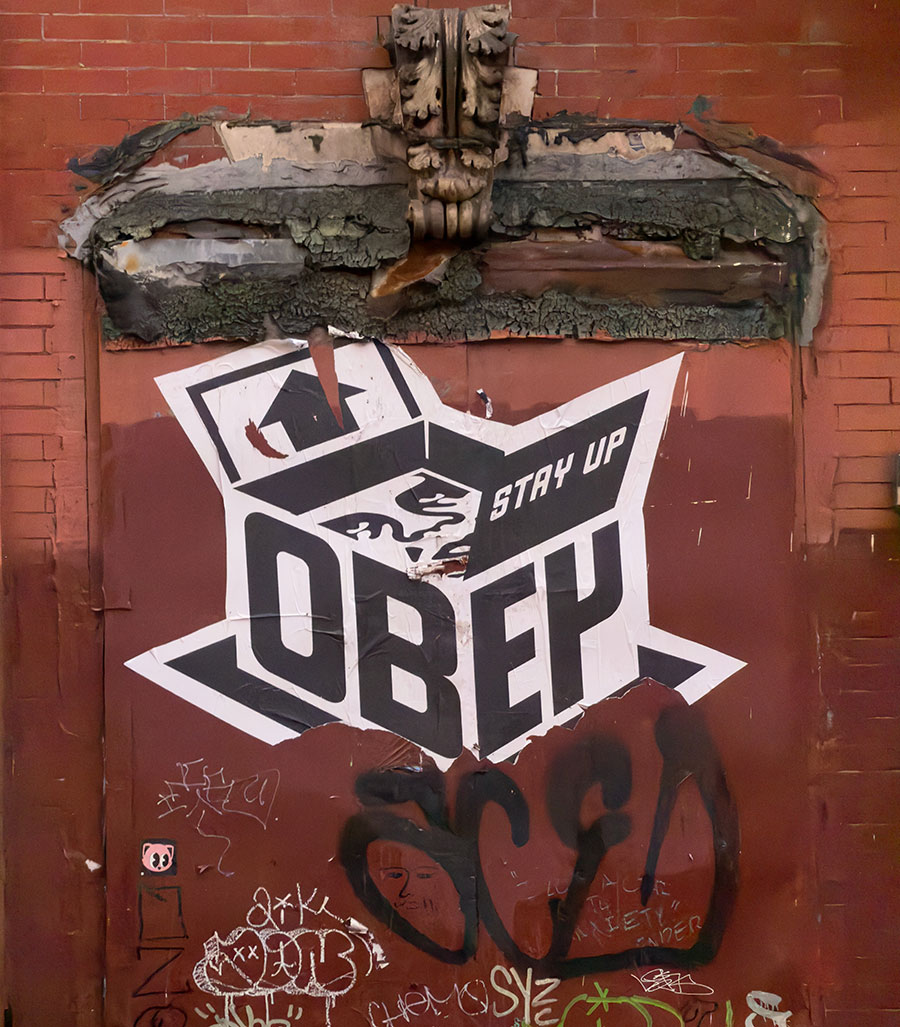
As we move into October, the city will likely see a transition in its artistic focus. The fairs will close, the delegations will depart, and the streets will remain. The legacy of this week will not be found in the transcripts of the UN speeches, but rather in the layered, evolving aesthetic of the city itself—a testament to the enduring power of the street as the ultimate gallery of the people.