
Looking back at the trajectory of modern popular music, few twelve-month periods hold as much historical and cultural weight as the year 1964. While contemporary artists and record executives operating in the mid-1960s could scarcely predict the long-term endurance of their output, the cultural landscape of that era produced an extraordinary collection of timeless recordings. These tracks continue to resonate across generations, maintaining a permanent foothold in global pop culture, radio airwaves, and the collective memory of anyone who grew up during the vibrant decade of the 1960s. Among the vast catalog of chart-topping releases, three prominent Top 10 hits from 1964—Roy Orbison’s "It’s Over," Dionne Warwick’s "Walk On By," and Bobby Freeman’s "C’mon And Swim"—exemplify the diverse stylistic shifts, emotional depths, and cultural phenomenons defining the mid-century music industry.
The Main Facts: A Mid-Century Musical Renaissance
The year 1964 is frequently remembered in American music history for the sudden, explosive dominance of British Invasion acts, spearheaded by The Beatles arriving on US shores in February of that year. However, beneath the headline-grabbing wave of Beatlemania, American songwriters, producers, and vocalists were mounting an equally potent creative response across multiple genres, including pop, soul, rhythm and blues, and rock and roll.
The commercial landscape of the Billboard Hot 100 in 1964 was fiercely competitive. Record labels rushed to capitalize on shifting youth demographics, the expansion of transistor radio ownership, and the burgeoning suburban car culture, all of which fueled unprecedented consumption of 7-inch single records. Within this high-pressure commercial environment, artists such as Roy Orbison, Dionne Warwick, and Bobby Freeman delivered career-defining singles that not only conquered the charts upon their initial release but also established enduring templates for songwriting, vocal delivery, and performance art.
Chronology of a Pivotal Musical Year
To understand the weight of these 1964 releases, one must examine the chronological progression of the music industry during that period.
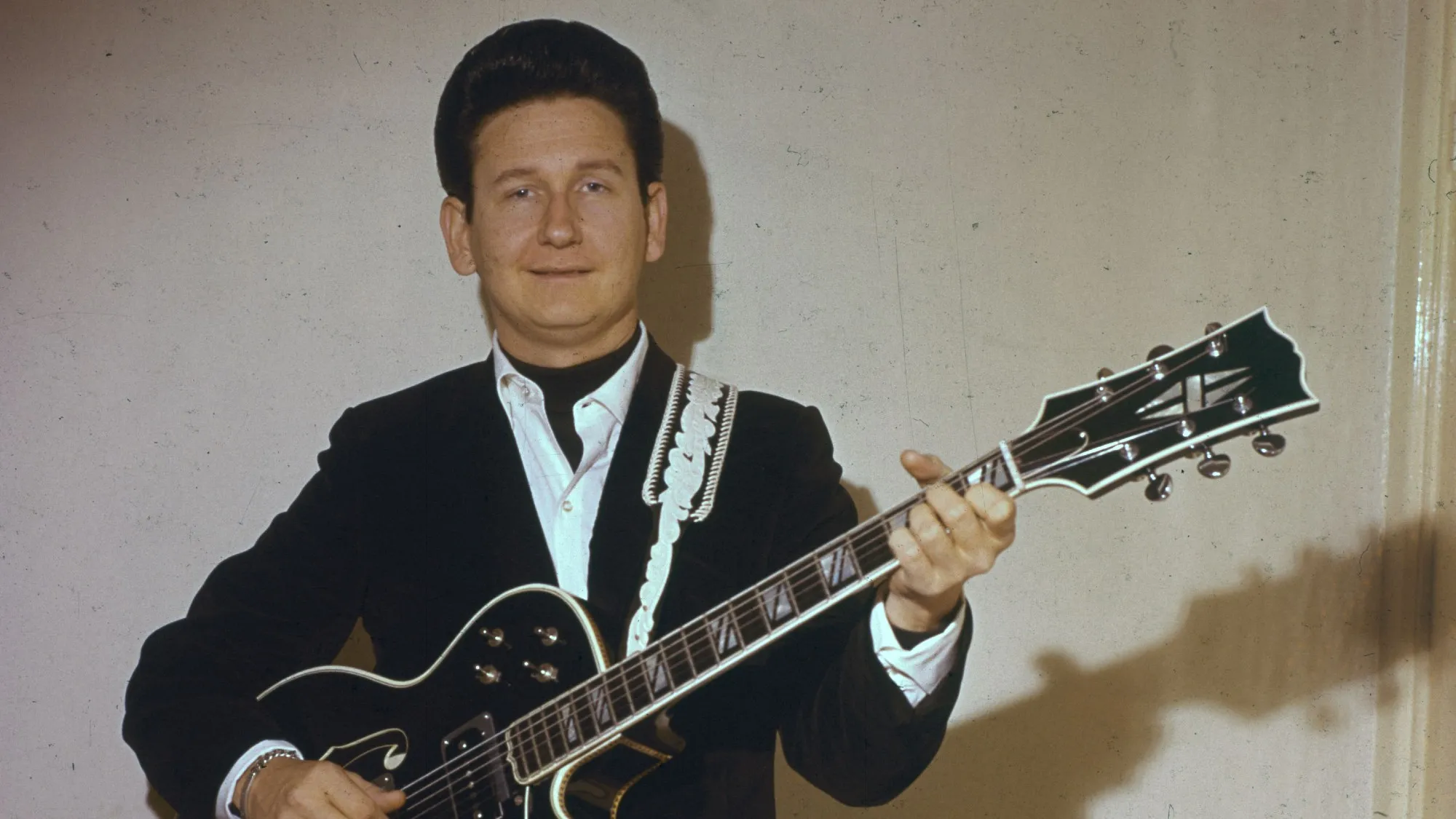
Early in 1964, the Billboard charts were immediately upended by the British invasion, creating an atmosphere where domestic artists had to innovate rapidly to maintain market share. In the spring of 1964, Roy Orbison teamed up with co-writer Bill Dees to craft a dramatic, operatic ballad designed to showcase Orbison’s three-octave vocal range. Released during a unique phase of Orbison’s career when he frequently issued standalone singles rather than anchoring them immediately to a long-playing studio album, "It’s Over" struck a chord with listeners facing personal heartbreak.
Shortly thereafter, the formidable songwriting partnership of Burt Bacharach and Hal David, working alongside arranger Stan Applebaum and vocalist Dionne Warwick, released "Walk On By." Issued as part of Warwick’s third studio album, Make Way For Dionne Warwick, the track steadily climbed the charts through the spring and summer months, ultimately cementing Warwick’s transition from a prominent background session vocalist to a formidable solo superstar.
By the summer of 1964, the mood of the nation shifted toward escapism, dance crazes, and outdoor recreation. Capturing this youth-driven cultural wave, Bobby Freeman released "C’mon And Swim" in mid-1964. Written by Thomas Coman and Sylvester Stewart—the latter of whom would later find massive global fame as Sly Stone—the track served as the title cut for Freeman’s fourth and final studio album. It quickly capitalized on the dance-craze phenomenon that had previously popularized moves like The Twist and The Monkey.
Supporting Data and Chart Performance
The commercial success of these three tracks is well-documented in the historical archives of industry publications like Billboard and Cash Box.
Roy Orbison’s "It’s Over" showcased a distinct strategy in mid-1960s record production. By releasing the track as an independent single—a practice common in the era before album-oriented rock took total precedence—Monument Records allowed the song to build independent momentum. Its dark, brooding narrative about the finality of a crumbling relationship resonated deeply with a public recovering from various post-war social transitions. The lyrics—featuring the stark realization, "It breaks your heart in two, to know she’s been untrue / But oh what will you do? When she said to you / There’s someone new / We’re through / We’re through / It’s over"—delivered an emotional punch that propelled it up the charts. Notably, the single served as the immediate precursor to Orbison’s ultimate career-defining masterwork, "Oh, Pretty Woman," released later the same year.
Dionne Warwick’s "Walk On By" achieved monumental milestones for the young vocalist. The single became her very first Top 10 entry on the mainstream Billboard Hot 100 chart. Furthermore, it dominated the specialized music landscape by capturing the No. 1 position on the R&B charts, proving Warwick’s crossover appeal across diverse demographics. The track’s cultural impact was further validated when it earned Warwick her very first Grammy Award nomination—the inaugural recognition in a legendary career that would eventually accumulate 14 Grammy nominations.
Bobby Freeman’s "C’mon And Swim" proved to be a formidable commercial force in its own right, marking Freeman’s second and final Top 5 single on the national charts. Driven by an infectious rhythm and instructions on how to execute a new physical movement, the track’s lyrics explicitly tied music to physical participation: "Kinda like The Monkey, kinda like The Twist / Pretend you’re in the water, and you go like this / Now baby, Swim / Baby, do The Swim."
Official Responses, Industry Reactions, and Creative Collaborations
The creation of these 1964 hits involved some of the most respected creative minds of the twentieth century, leading to notable industry reactions and subsequent collaborations that spanned decades.
In the case of "Walk On By," the creative trifecta of Burt Bacharach, Hal David, and Dionne Warwick established a gold standard for sophisticated pop composition. Bacharach’s intricate, shifting time signatures and lush orchestral arrangements, combined with David’s melancholy, sophisticated lyrics, initially caused some traditional industry gatekeepers to question whether the song was too complex for mainstream radio. However, Warwick’s emotionally restrained yet devastatingly powerful vocal delivery silenced any industry skepticism.
The legacy of "Walk On By" expanded dramatically in the decades following its 1964 release. The song transformed into a standard of modern music, earning revered cover versions by a wide array of celebrated artists. In 1990, vocalist Melissa Manchester brought the song back to contemporary prominence, securing a Top 5 hit with her interpretation. More than a decade later, pop icon Cyndi Lauper offered her own distinct vocal spin on the track for her 2003 covers album, At Last, proving the timeless elasticity of Bacharach and David’s composition.
Similarly, "C’mon And Swim" enjoyed a robust afterlife through covers by prominent acts such as Billy Strange and Martha And The Vandellas. Though Bobby Freeman did not pen the lyrics—credit for the writing went to Thomas Coman and Sylvester Stewart—Freeman maintained that his contribution to the track’s success was deeply physical. In later interviews, Freeman asserted that while he did not write the words, he was the primary inventor of the innovative dance move that inspired the song, bridging the gap between physical performance and recorded audio.
Broader Impact, Cultural Implications, and Legacy
Analyzing the historical weight of these 1964 releases reveals profound implications for how popular music is produced, consumed, and remembered. These three recordings demonstrate the vast emotional and stylistic spectrum that defined American popular music during a turbulent socio-political era.
While Orbison channeled operatic despair and Warwick explored the quiet dignity of heartbreak, Freeman captured the unbridled, joyous escapism of youth culture on the dance floor. Together, they illustrate that 1964 was not merely a passive casualty of the British Invasion, but rather a year of immense domestic creativity that held its ground against foreign competition.
The enduring legacy of these tracks is reflected in their persistent presence in modern media, cinema, and television advertisements, as well as their continuous reinterpretation by new generations of musicians. By examining the origins, chart metrics, and cultural footprint of "It’s Over," "Walk On By," and "C’mon And Swim," historians and musicologists gain a clearer understanding of the foundational pillars that continue to support the architecture of modern popular music today.